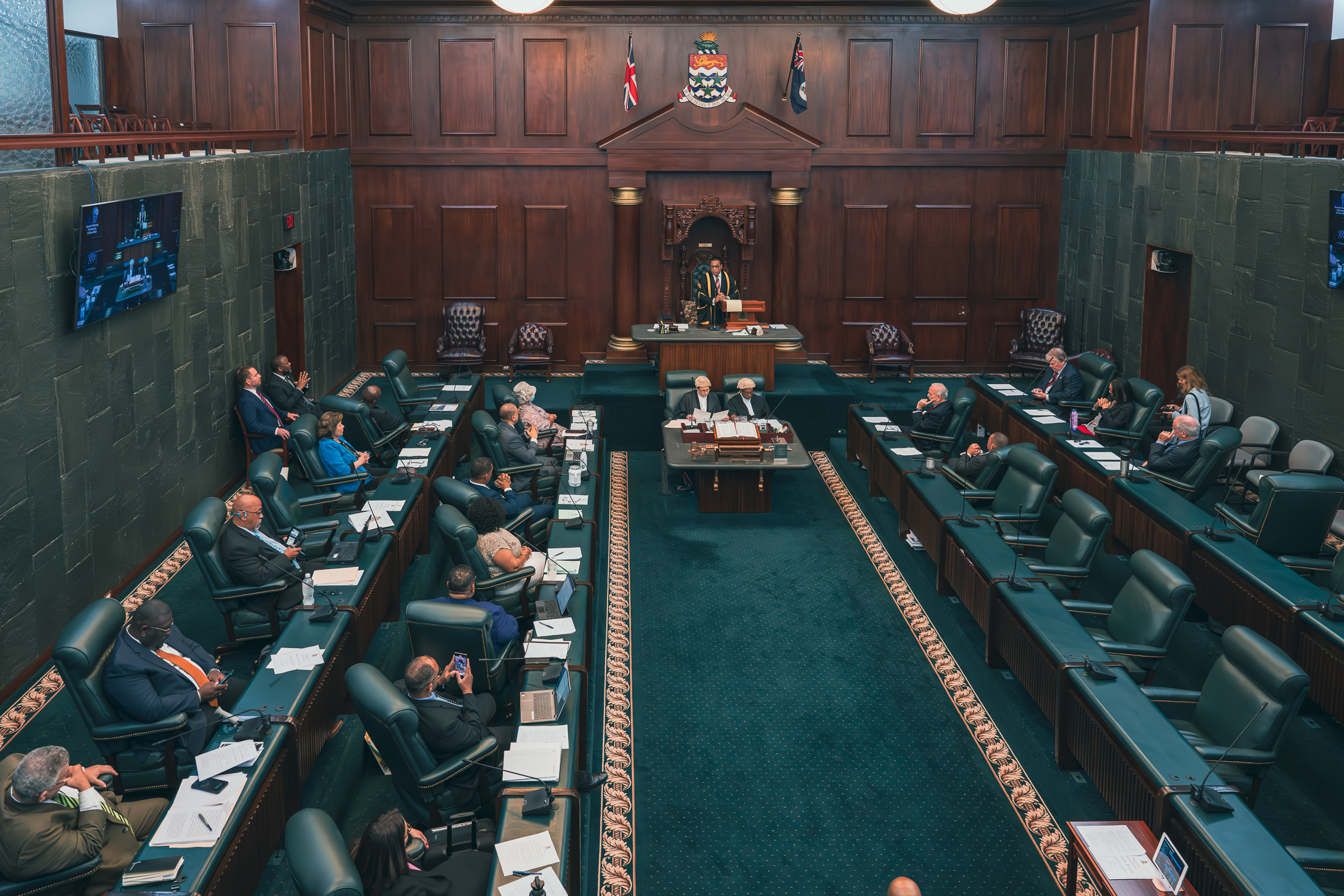
Cayman’s political landscape was marked by turmoil, twists and tactical manoeuvres in 2023, culminating in the replacement of a sitting premier and a rebranded coalition of independent MPs leading government.
Former Premier Wayne Panton ironically started the year with a message of unity, calling for a “shared vision” for the islands.
Fewer than three months later, the PACT administration started to unravel, with the sudden departure of his then Deputy Premier, Chris Saunders, in March.
Degrees of separation
After days of speculation over what led to Saunders’s exit from PACT, Panton said he asked the Bodden Town West MP to step down after raising concerns about issues surrounding “conduct”.
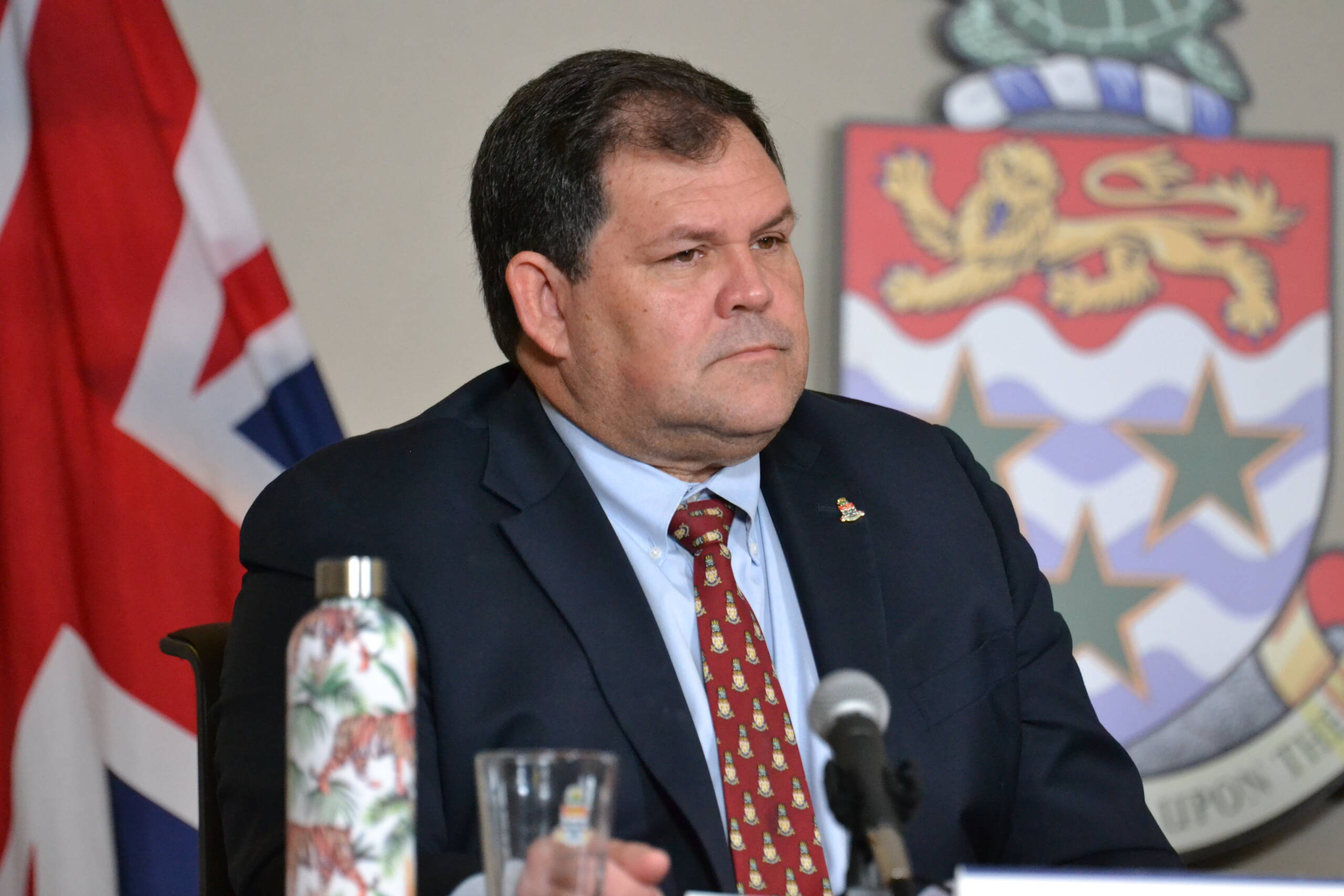
Saunders, however, would offer another explanation for his departure. He said only that his and Panton’s different “ideologies” made it difficult to continue working with the premier.
Prior to this public separation, there had been whispers of infighting within the PACT ranks, and even a difference of opinion between Saunders and former Governor Martyn Roper.
The dust had hardly settled before PACT ministers Kenneth Bryan and Dwayne Seymour openly pressed for a moratorium on the granting of some forms of Caymanian status. Their public statements seemed to fan the flames of contention within the Panton-led Cabinet, as the pair openly campaigned for immigration reform signaling a lack of cohesion on this issue, as well as spending policies.
Mounting challenges
Legal woes continued to follow PACT government backbencher and former Speaker McKeeva Bush in 2023, adding to the challenges for the PACT administration.
In March, the veteran lawmaker was charged with indecent assault and common assault related to an incident at a government reception for the Caribbean Tourism Organization conference on 13 Sept. 2022.
Two months later, he was back in court facing separate rape and indecent assault charges stemming from an alleged incident in 2000.
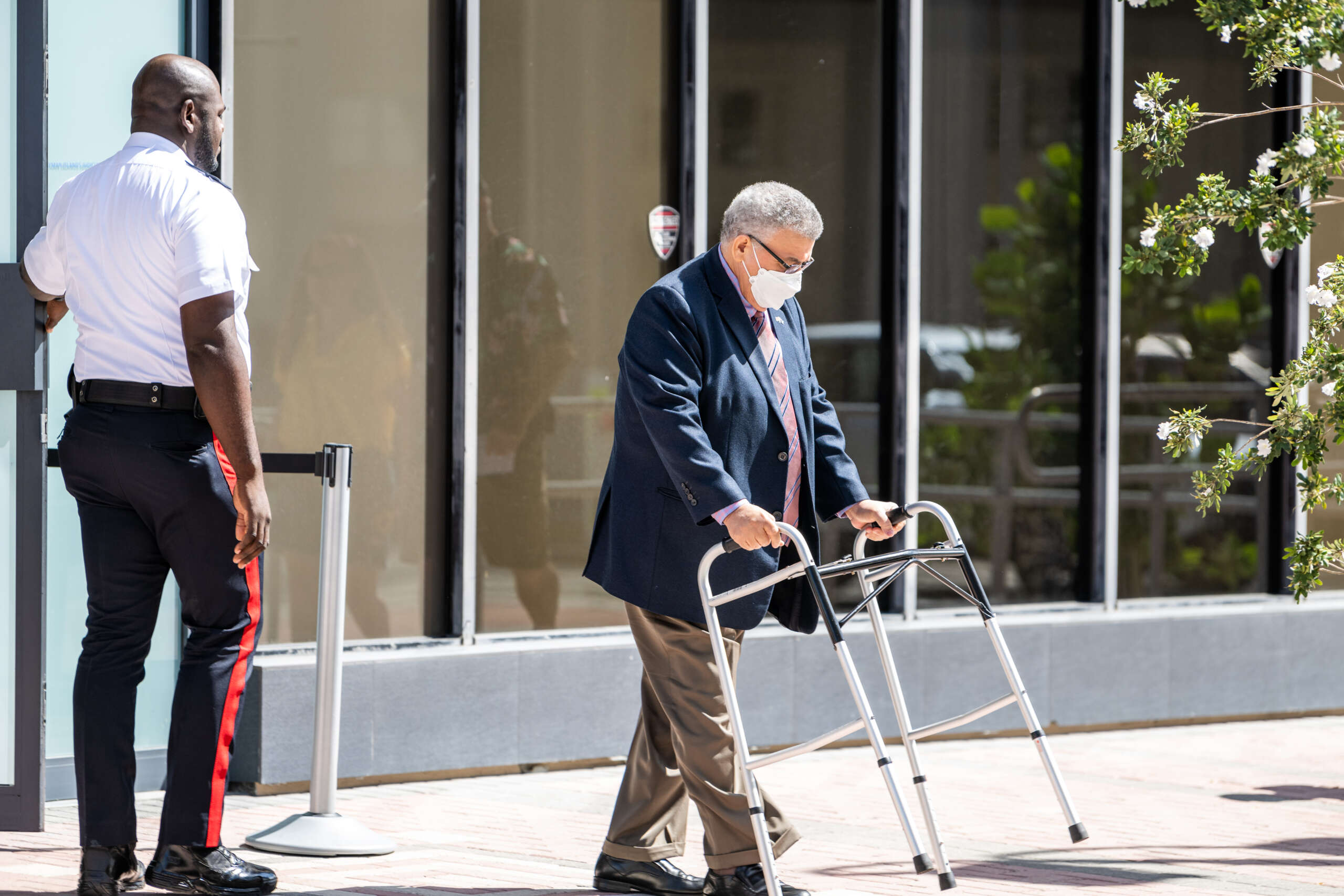
Both cases are still before the court. Bush has denied the charges and is due to stand trial in February and June next year.
Panton’s ability to hold his administration together would continue to be questioned in the face of the resignation of his minister of border control, Dwayne Seymour in October.
In his parting shot, Seymour pointed to ongoing turmoil within the administration over budget allocations, as an example of Panton’s lack of leadership and an indication that PACT was not as intact as the premier had said.
He openly called for Panton to resign.
Also that month, it emerged that MP Bernie Bush had issued a written letter of apology to a female civil servant after making “vulgar” comments to her. He described and dismissed his comments as “a joke”.
PACT’s demise
November would be a turning point for Panton and his PACT administration, which seemed unable to agree on a budget as the deadline loomed.
Government backbencher McKeeva Bush pulled his support from the PACT coalition, leaving Parliament deadlocked at 9-9 on the floor of the House and government holding on to power by the slimmest of margins.
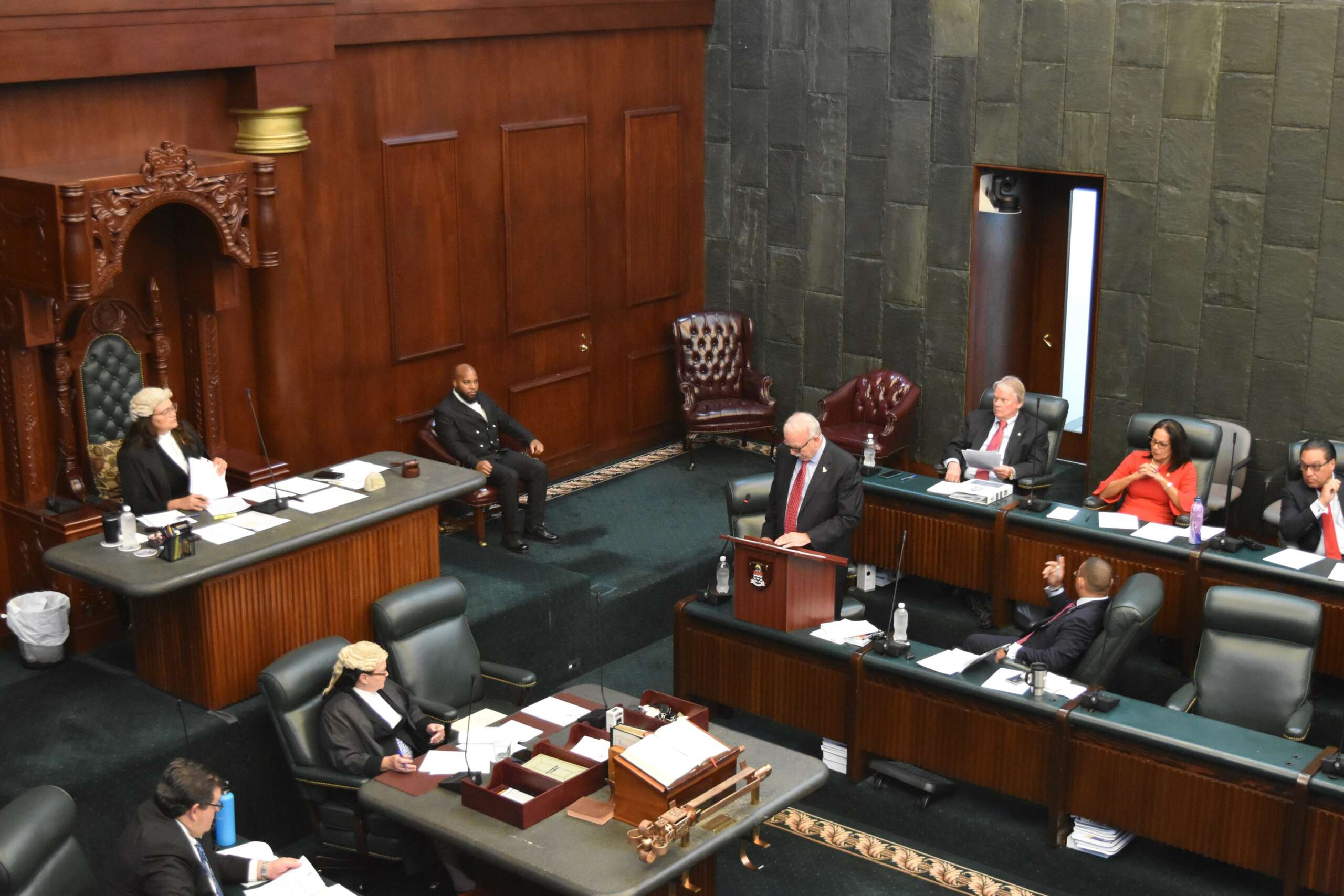
The situation created the environment for a constitutional crisis, as Panton would not have been able to move his legislative agenda forward, without the help of the Opposition.
The situation, deemed untenable, led the Opposition to trigger a special meeting of Parliament to debate a motion of no-confidence in Panton and his administration.
Though Opposition Leader Roy McTaggart’s no-confidence motion failed to secure the necessary votes to carry in the House, it was successful in laying bare the divisions in the PACT administration. Government ministers André Ebanks and then Deputy Premier Juliana O’Connor-Connolly opted to abstain from voting.
In the hours after that vote, all 19 MPs were locked in intense negotiations to resolve the deadlock by way of another coalition.
What emerged out of those discussions was a manoeuvre by O’Connor-Connolly and Ebanks, which would see them team up to take the premiership and deputy premiership under the banner of a new coalition – the United People’s Movement.
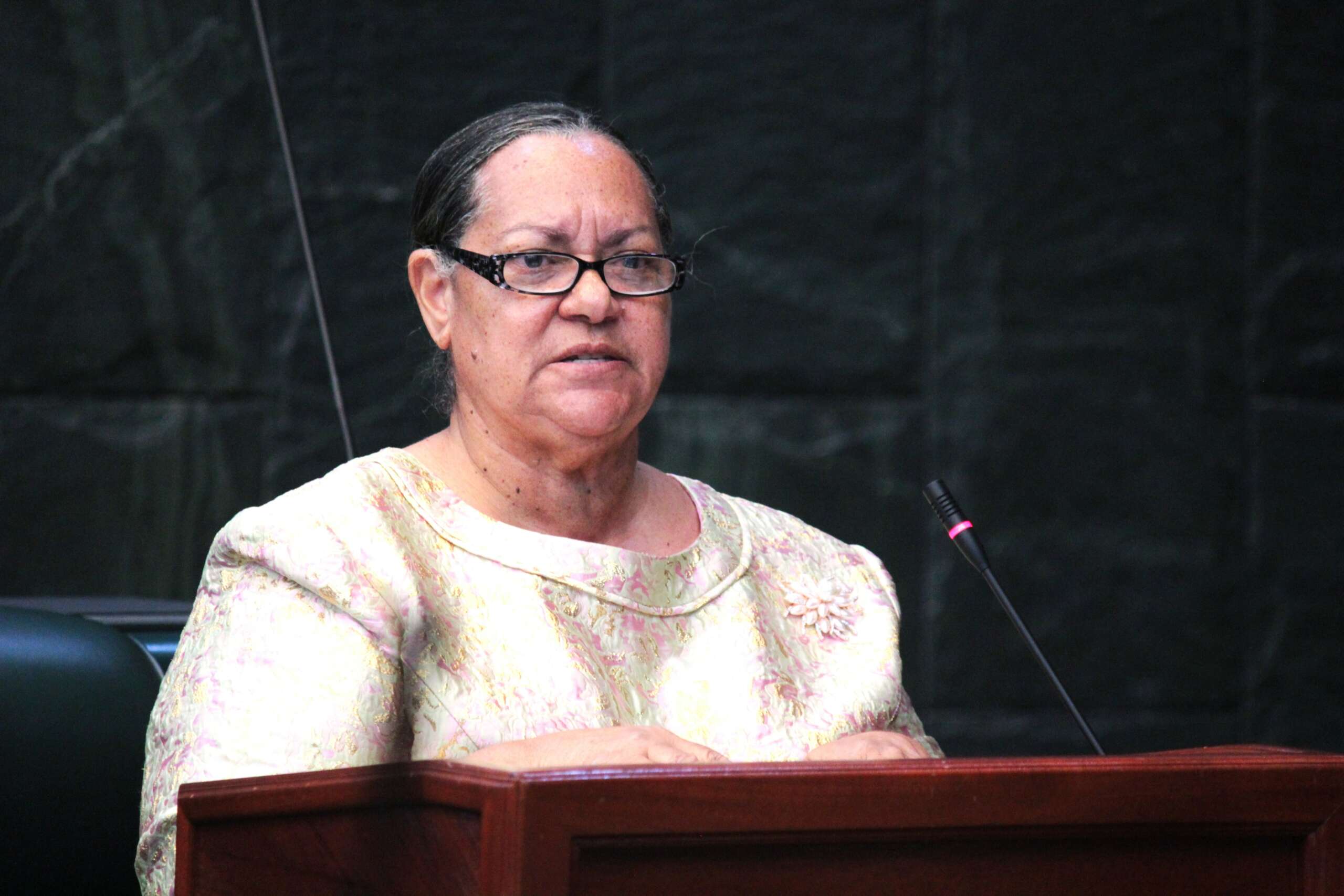
The changes in the coalition saw the resignation of Panton as premier and the return of Seymour and McKeeva Bush to the government benches.
Speaker of the House Katherine Ebanks-Wilks resigned her post to accept a ministerial portfolio, leaving a vacancy for Panton to potentially fill.
Though he was asked to be Speaker, Panton declined and opted to remain an independent MP, distancing himself from the UPM.
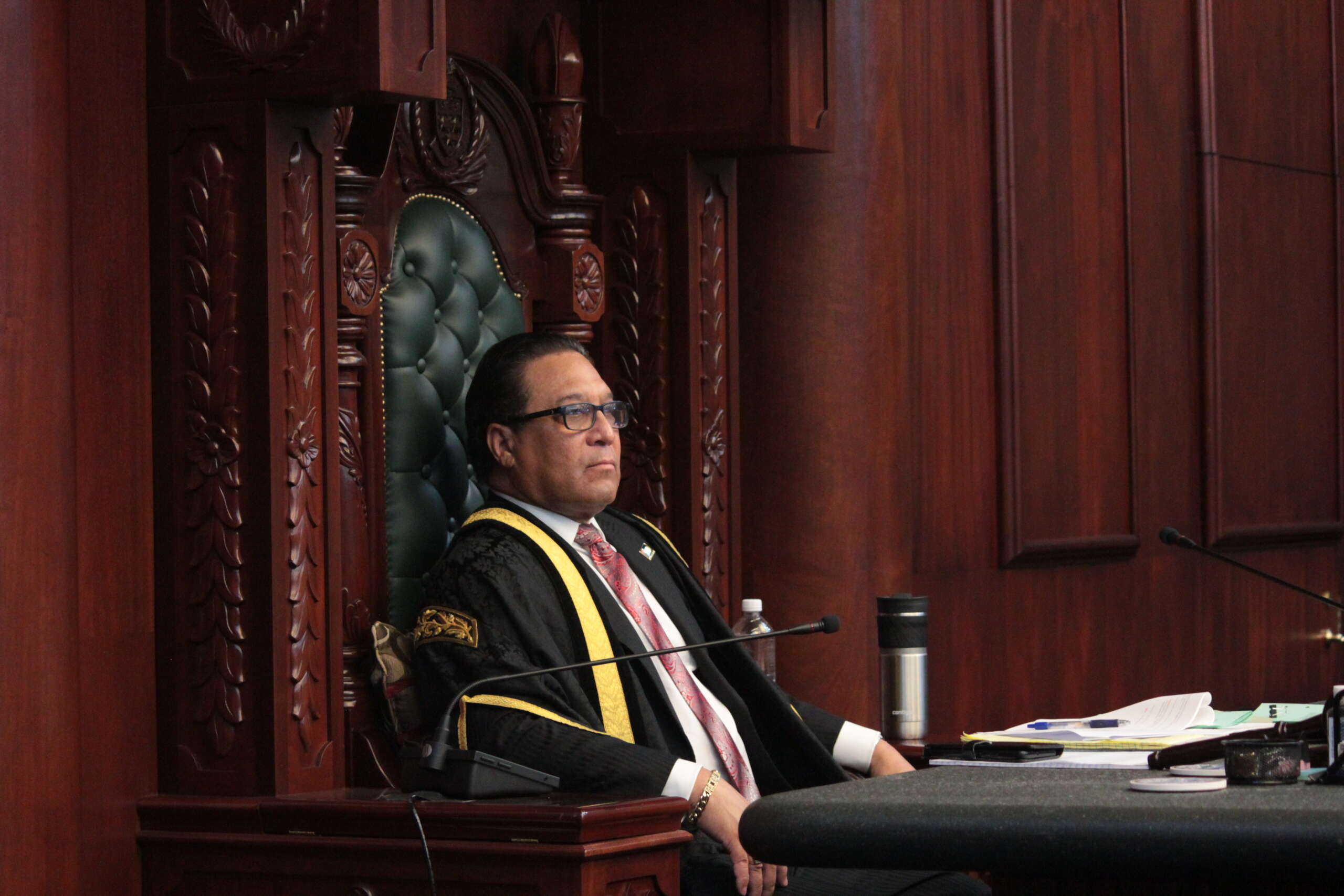
In a bipartisan move, Opposition MP and former Premier Sir Alden McLaughlin was elected unopposed as Speaker.
McLaughlin, who became the third Speaker in the current electoral term, urged members of government to put behind them the events of the past two-and-a-half years, to “work assiduously and cohesively, and achieve as many of the goals you have set before the next election cycle”.
Ahead of what was expected to be a contentious budget debate O’Connor-Connolly named three new parliamentary secretaries, chief among them was McKeeva Bush.
He has returned to an official government role that could see him potentially act as minister in the absence of Minister for Border Control and Culture, Dwayne Seymour or Minister for Planning, Housing, Infrastructure, Transport and Development, Jay Ebanks.
Bernie Bush, who lost his sports ministry in the rejigging of the UPM coalition, and Heather Bodden were also appointed as parliamentary secretaries.
O’Connor-Connolly and her UPM team appeared to have found a way forward as a unit, producing and delivering their first two-year budget in December.
The $2 billion budget featured stamp duty hikes, two new schools and $150 million in new borrowing as civil service costs rise.
Panton ended the year on an “unfortunate” note, having been injured in an accident prior to the opening of parliament.
Related Videos