Finding value and purpose in employment is usually at the top of the list for job seekers. Securing a job that also has a positive impact on the world and generations to come is even better.
This type of work occurs daily within the Department of Environment (DoE).
“People working for the DoE or looking for a career with the DoE often state that ‘they want to make a difference’ and this is, indeed, an important element of a career choice and one that actually can be realised with the DoE,” explains DoE Deputy Director, Research & Assessment Tim Austin.
“For many people, working with, and in, the natural environment is a passion and not just a job, and this can often bring immense satisfaction and well-being above and beyond the material aspects of a career choice.”
The increased challenges to both the global and local environment have resulted in a growing need for sustainable approaches to living in tandem with the natural environment.
“These challenges will require more skilled, qualified and dedicated individuals to chart a long-term course to sustainability,” says Tim.
DOE CAREER OPTIONS
Multiple career paths exist within the DoE. For example:
Research and assessment: Teams consists of university graduates trained in a variety of disciplines including marine sciences, terrestrial resources, sustainable development, conservation management, wildlife rescue and rehabilitation, and geographical information systems (GIS).
Operation section: Teams require skills in logistical approaches implemented in hands-on natural resource management e.g. trained divers, boat captains, vehicle operators, mechanics and practical-minded individuals working in the field.
Conservation officers: Frontline individuals patrolling and ensuring the laws and regulations of the National Conservation Act are adhered to. Conservation officers typically have a background or training in law enforcement coupled with boat-handling skills and good knowledge of the Cayman environment.
Administration and finance: Teams responsible for making sure phones are answered, customers are greeted, bills are paid, and supplies are available when needed.
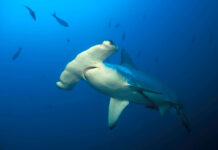
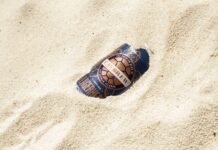
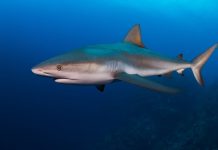
There also numerous opportunities to volunteer and gain experience on conservation research programmes such as the Turtle Monitoring Programme, Shark Logger Network, and Stony Coral Tissue Loss Disease Response.
More formal working arrangements for university students returning home in the summer are also on offer, and for those wishing to undertake their academic thesis fieldwork requirements in Cayman.
“The best way for students to see what working at the DoE, or similar careers will be like, is through school-based work experience,” says Tim. “The DoE regularly takes a pair of students when local schools have their work experience weeks, and that is by far the most accessible entry point for anyone wondering if they might want to consider a career or a university degree in, or related to, environmental research or management.”
JONATHAN EBANKS
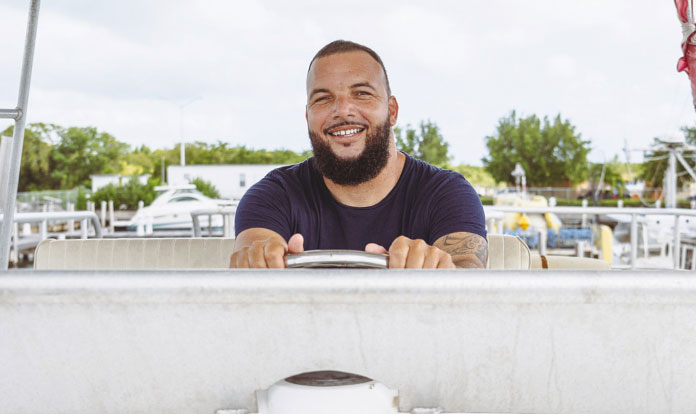
Jonathan Ebanks is one individual who has managed to turn a lifelong passion and interest in the sea, into a successful career with the Department of Environment.
He joined the DoE just under three years ago, and is a marine research field assistant. As part of his job remit, he is captain and diver with the Marine Resource Unit and has been in this position since mid-2022.
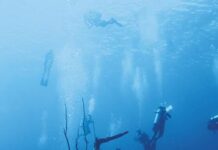
“We do anything related to reef maintenance and coral reef restoration in areas of high biological value,” says Jonathan. “We generally do two to three dives daily in multiple areas across all three islands.”
While the most challenging part of Jonathan’s job is working in rough and adverse weather conditions, with strong currents making research challenging, Jonathan thrives on being on the water each day, and the diverse experiences the job provides.
“I’ve always loved and been on the sea since I was a little boy,” he says. “The sea humbles me, you have to respect it. I come from a long line of captains, seamen and sailors. You can learn a lot from mother ocean, but she can also take from you.”
CAREER CHANGE
Jonathan has spent the vast majority of his life working on the water, on everything from mega yachts, private vessels and open-ocean deliveries, to sport fishing charters.
When COVID-19 hit, he, like many others in the tourism industry, was faced with dramatic challenges.
“I embraced it as an opportunity for change,” he says. “I went and did some courses with University College of the Cayman Islands and Inspire Training Cayman and became a certified dive master through a series of programmes with the Department of Tourism.”
Taking full advantage of the COVID curveball that was thrown at him, Jonathan has emerged the other side with a job he enjoys and feels purpose doing.
“My aim for the future is to continue to serve my country so I can show, educate and preserve things Caymanian to my children and the future generations,” he says.
For Caymanians looking to get into a similar career or people looking for a career change, Jonathan encourages them to discover what they are passionate about.
“Once you find that passion, things fall into place,” he says.
DOE CAREERS
Visit careers.gov.ky for available DOE job opportunities, or contact [email protected] for detailed advice and guidance about DOE careers and necessary training.
This article appears in the 2024 Compass Media Careers Guide.
Related Videos