

The steering committee tasked with moving the contentious East-West Arterial extension forward is said to be focusing on the preferred alternative alignment of the long-awaited project.
National Roads Authority managing director Edward Howard, in response to Cayman Compass queries on the status of the project, said the committee has moved to reviewing an alternative route “following summary of the findings of extensive studies in various disciplines”.
“Once the selection of the Preferred Alternative has been made, impacts of this alternative will be finalized and a draft Environmental Statement (ES) document will be completed by NRA’s consultant,” he said.
Though Howard did not disclose what alignment is being considered, he said it is anticipated that the study findings will be presented to the public “in late August/early September 2024 for comments and input on the draft Environment Statement”.
This will also include public meetings which will be recorded and available online for viewing, he said.
“The EWA is more than just a road extension. It’s the optimal solution to enhance connectivity between the eastern and western sides of the island, ensure future infrastructure needs can be met in Grand Cayman and improve the resilience of our road infrastructure during natural disasters,” Howard added.
In December, Sustainable Cayman published a report comparing the government’s East-West Arterial extension with two alternatives – one of which it says is a cheaper and greener option.
Woodland Drive route under construction
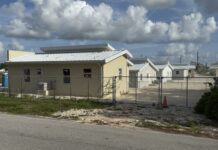
While the technical work continues behind the scenes on the wider project, construction of the Hirst Road to Woodland Drive leg is continuing.
Howard said the NRA is currently doing base work for this new planned roadway with completion anticipated at the end of the summer.
The National Conservation Council, the NRA managing director noted, did not require an environment impact assessment for this leg.
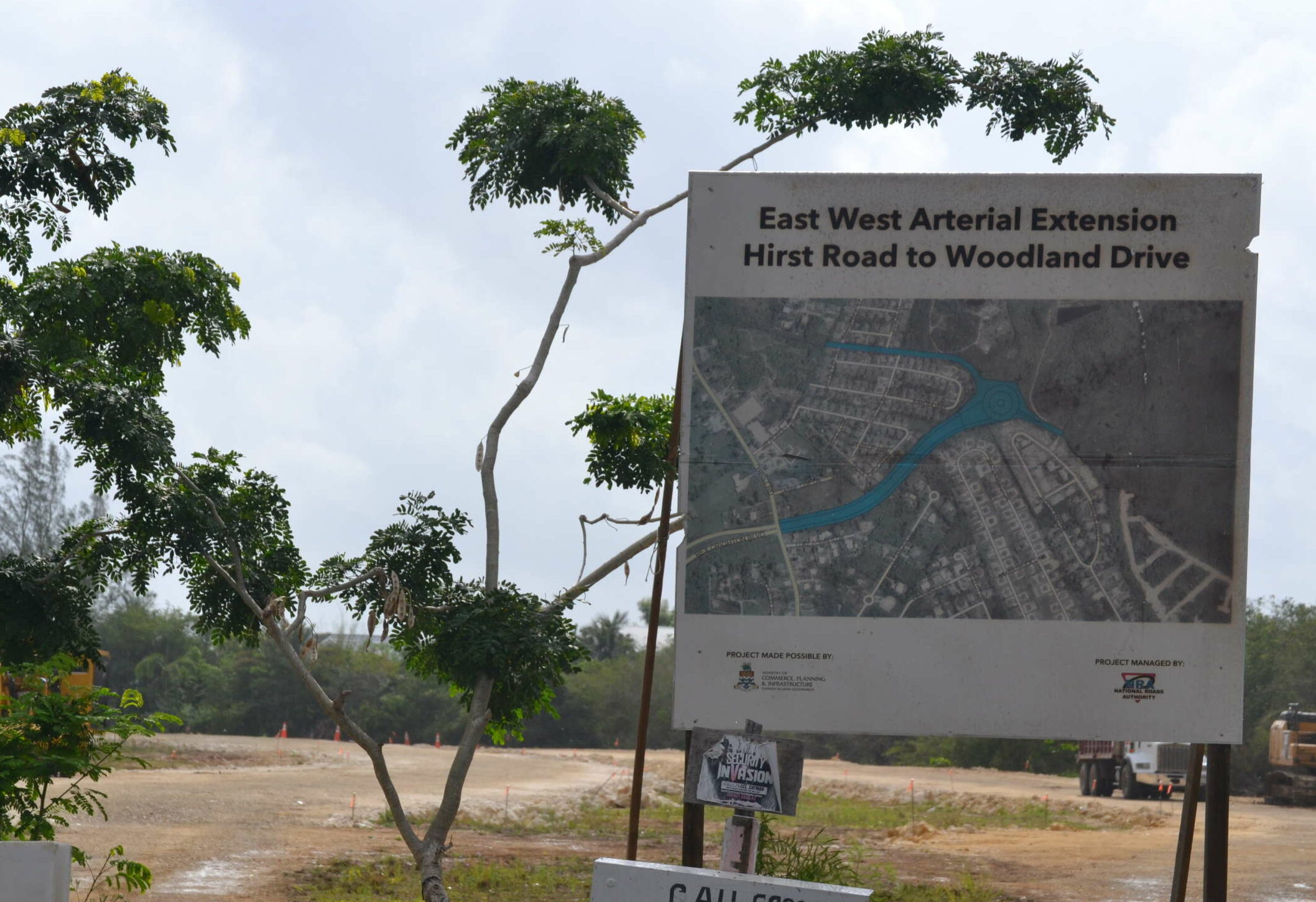
The current roadworks east of Hirst Road, he said, are specifically in relation to the previously gazetted road scheme – Boundary Plan 636 from Hirst Road to Woodland Drive only – and it includes a planned connector road to the International College of the Cayman Islands campus.
Boundary Plan 636 was published in November 2020.
While this road will help take some of the strain off the daily traffic congestion to and from the eastern districts, the key leg of the extension is the Hirst Road to Lookout Gardens section.
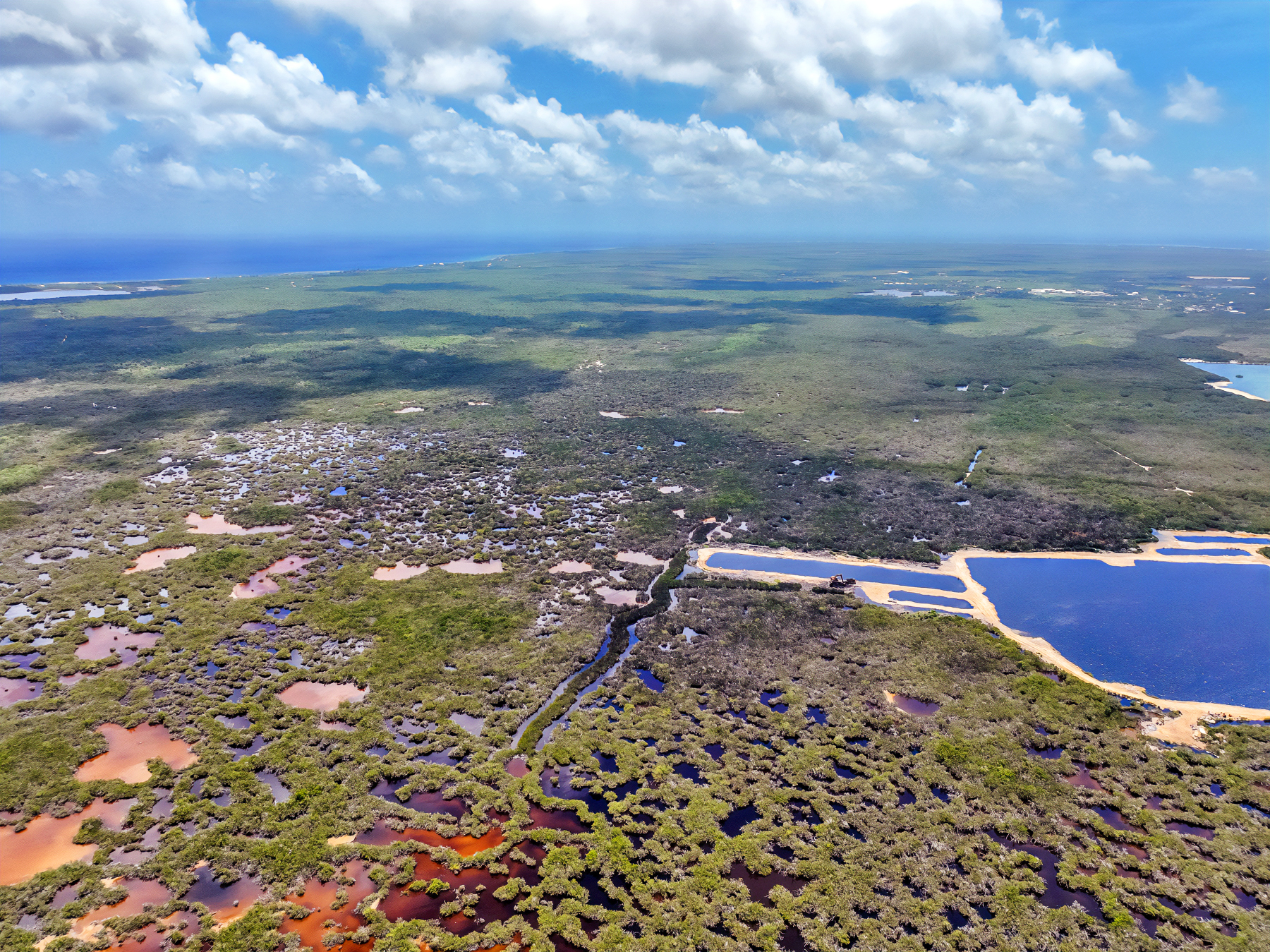
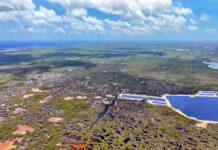
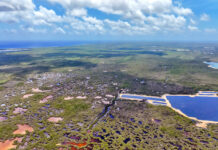
The Lookout Gardens leg is expected to greatly improve congestion, but the proposed route will have significant impact on the Central Mangrove Wetland.
The extension project, which has spanned multiple administrations, was first gazetted in 2005.
Impatience
Members of Parliament have been growing impatient with the progress of the road, especially those in the eastern districts whose constituents face the brunt of the daily traffic congestion in the absence of the road extension.
Last year, MPs collectively voiced their overwhelming support to a private member’s motion which asked for the first section of a planned extension to the East-West Arterial to proceed immediately saying it was the least environmentally sensitive leg and should not need an environmental impact assessment.
The motion, moved by McKeeva Bush, MP for West Bay West, received unanimous approval from 17 members present at the Thursday, 27 April 2023 sitting of the House.
An EIA is required by law for the project, part of which cuts into the wetland.
The final terms of reference of the environmental impact assessment of the 10-mile six-lane road extension, from Woodland Drive in Savannah to Frank Sound Road in North Side, were published in May last year.
It followed two public meetings and the receipt of scores of comments, suggestions and objections from environmental groups and members of the general public.
The EIA study was started in July 2023.
Last month, in giving an update on the EIA, Gina Ebanks-Petrie, director of the Department of Environment and a member of the National Conservation Council, dismissed complaints about the EIA process delaying the extension work.
She said then that a hydrology and hydraulics report being carried out by consultants for the National Roads Authority – separate to the EIA – was still incomplete and that until this report was done, the necessary design and engineering work could not go ahead.
The Environmental Advisory Board appointed to review the road’s EIA, she said, was examining technical chapters of the assessment.
Howard, in launching the project’s EIA website in March, said the process is a required step in the East-West Arterial’s development process and is best practice and commonplace in many other developed countries around the world.
The road EIA, he said then, does “not make decisions, [it] does provide decision-makers in Cayman with the best information to balance the needs of Caymanian families and residents with sustainable development and environmental conservation”.
Related Videos









Its really sad residents in the area affected by this road has not been listed to their concerns which are mainly flooding, noise and the destruction of the woodland in the area. Not all progress are good. Look at the way our lives are now. More crime, island more expensive, cuc threatening with load shedding, the elderly not being cared for, caymnians unemployed, more major capital expenses that makes no sense, when is her excellency government going to intervene. Our way of life has changed for the worst and not for the better.
More roads are not the answer. So far billions of dollar used on more roads and we still stuck at Hurleys road about and at cricket field. Fix these bottle neck areas and no more roads needed. Make some common sense decisions. Not because surplus funds are available means that you have to waste it!!
Well said Hugh.
As I have written many times, Hurley’s roundabout needs a flyover (overpass). That will fix 90% of the delays.
Plus finish the airport road to avoid the ALT roundabout.