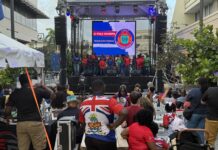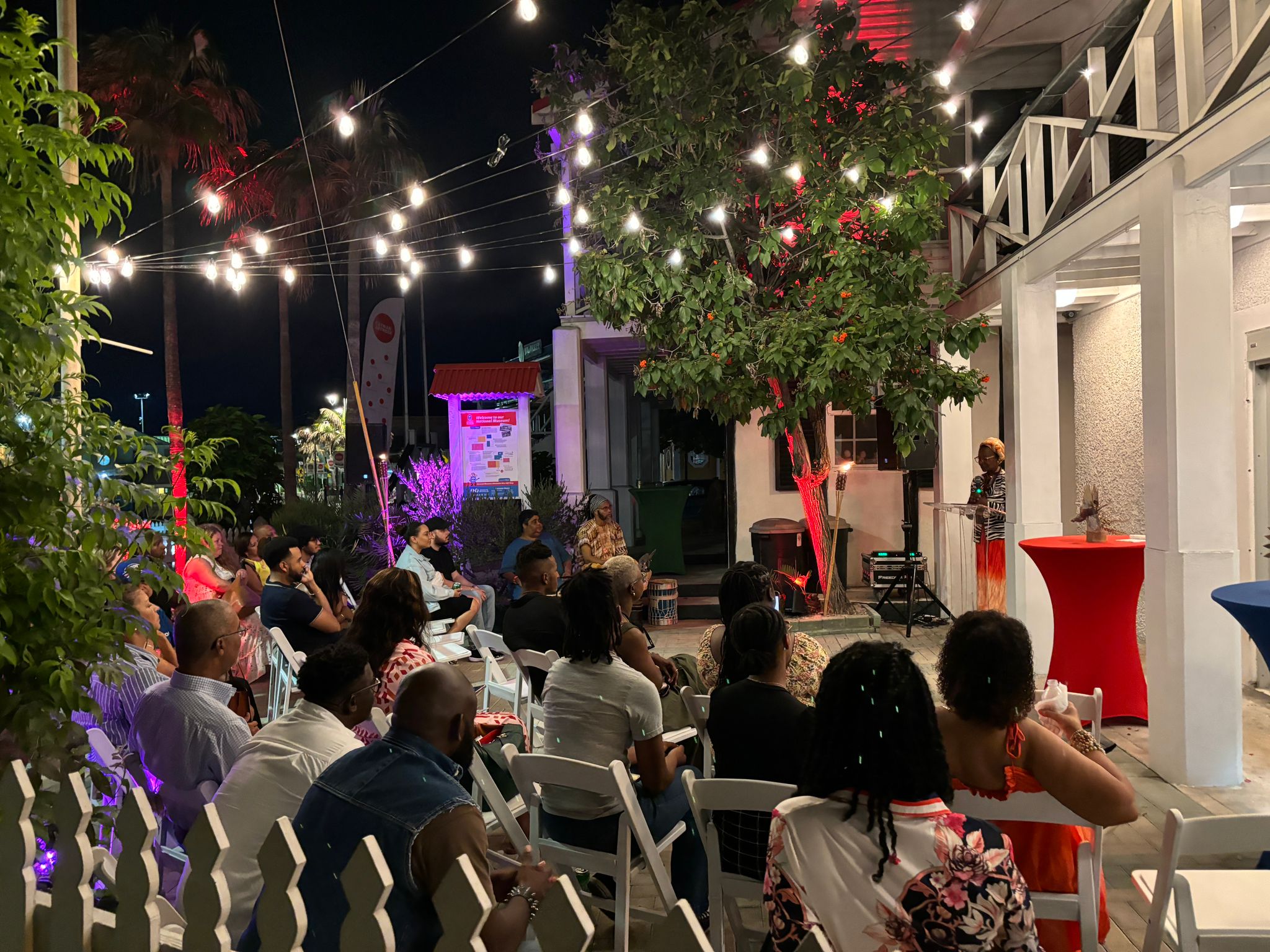
The grounds of the National Museum in George Town were transformed into an intimate night of poetry during an event in honour of its latest exhibition, ‘Slavery Be Dead, We Be Free’, on Saturday, 25 May.
The ‘Beats of Freedom: Poetry & Drumming’ event was held in partnership with the Let Me Live organization, co-founded by Latoya Francis.
Brian Watler Jr, the museum’s marketing, events and design coordinator, said the evening “provided a safe space for the community to reflect on the significance of emancipation, freedom, identity, resistance, and resilience”.
Poets and creative artists across Grand Cayman presented a variety of expressive poetry and spoken word performances on the theme of emancipation to some 60 people in attendance. Throughout the night, Caymanian artist Randy Chollette kept the rhythm and pace on his traditional drums.
Poets included artists such as Nasaria Suckoo Chollette, historian and poet laureate Roy Bodden, and historian Christopher Williams. A younger generation of creatives also showed up, including Kristen Reid, Matrixx, Michaiah Bryan, Katlen Bush and Jenae Whittaker. Members of the Floetry community, which meet once a month at the Harquail Theatre, participated, including Hylton Grace, Kevin Creary and Kai Smith.
Along with sharing a poem entitled ‘Colour’, Lucille Seymour, community activist and former member of the Legislative Assembly, delivered remarks reflecting on Emancipation Day celebrations in the 1950s, and the importance of its reinstatement to our cultural calendar.
“The commemoration of Emancipation Day is more than just an event. It symbolises the resilience, strength and enduring spirit of those who endured the shackles of slavery,” she said.
“The decision made in 1958 to discontinue the celebration of emancipation in the Cayman Islands was a turning point, but it is crucial to understand that the legacy of slavery runs deep and shapes our society to this day. While some may question the relevance of reinstating this commemoration, it is vital that we embrace all aspects of our shared heritage.”
Reflecting on “our collective past”, Seymour noted, “it is essential to acknowledge the integral role that enslaved individuals played in shaping the Cayman Islands’ history. Their contributions are woven into the fabric of our cultural landscape, leaving an indelible mark that deserves recognition and remembrance.”
Seymour encouraged attendees to “approach discussions about our history with compassion, empathy, and a commitment to fostering understanding and unity. By acknowledging and honoring the struggles faced by our ancestors, we can build a more inclusive and just society for all residents of the Cayman Islands.”
Related Videos