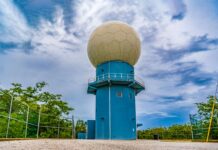
The Kearney Gomez Doppler Radar is now fully operational, just in time for the start of the Atlantic hurricane season.
After nearly eight months out of service, the radar, located in East End, came online on Monday afternoon following “essential repairs and maintenance,” according to a press release issued by the Office of the Premier.
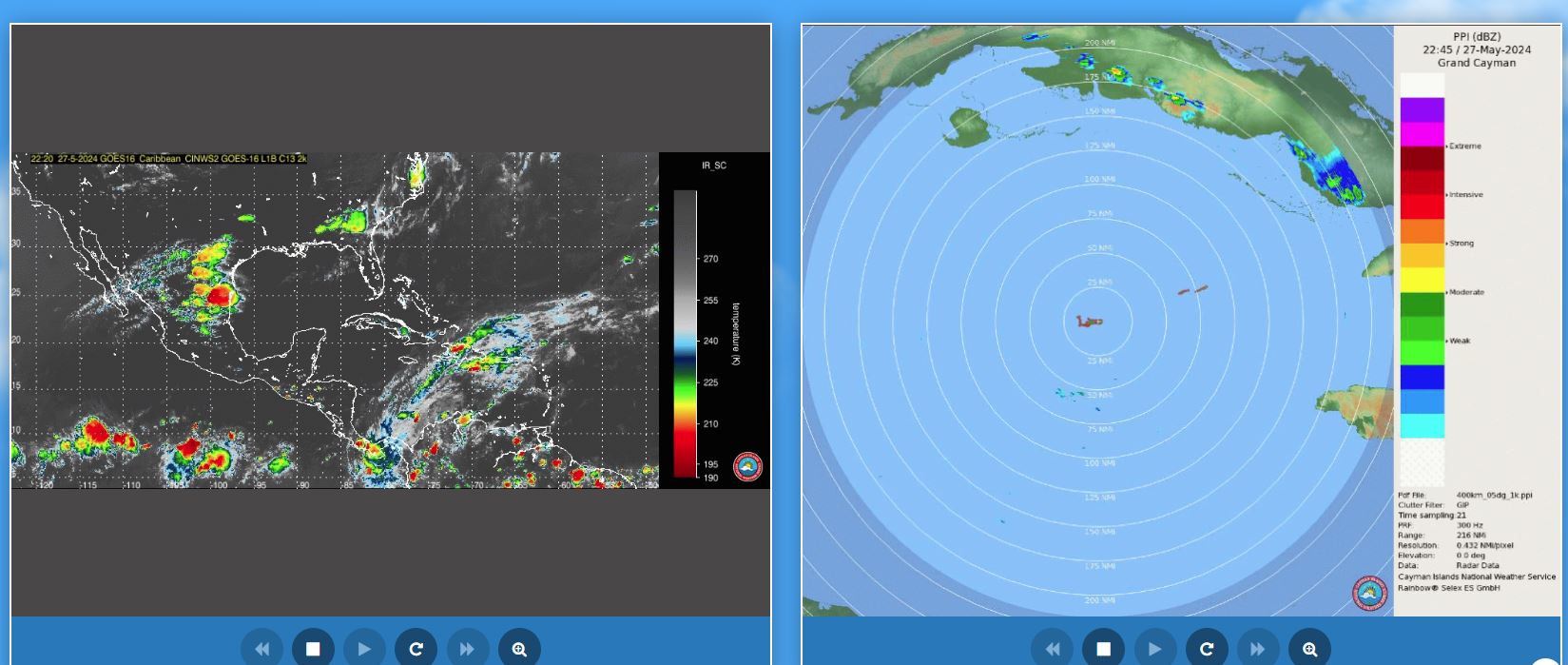
The once-blank window on the National Weather Service website broadcast images from the radar showing conditions over the islands on Monday evening.
This resumption of service comes days before the start of the Atlantic hurricane season on Saturday, 1 June, for which forecasters are predicting as many as 13 hurricane, seven of which they say could become major storms.
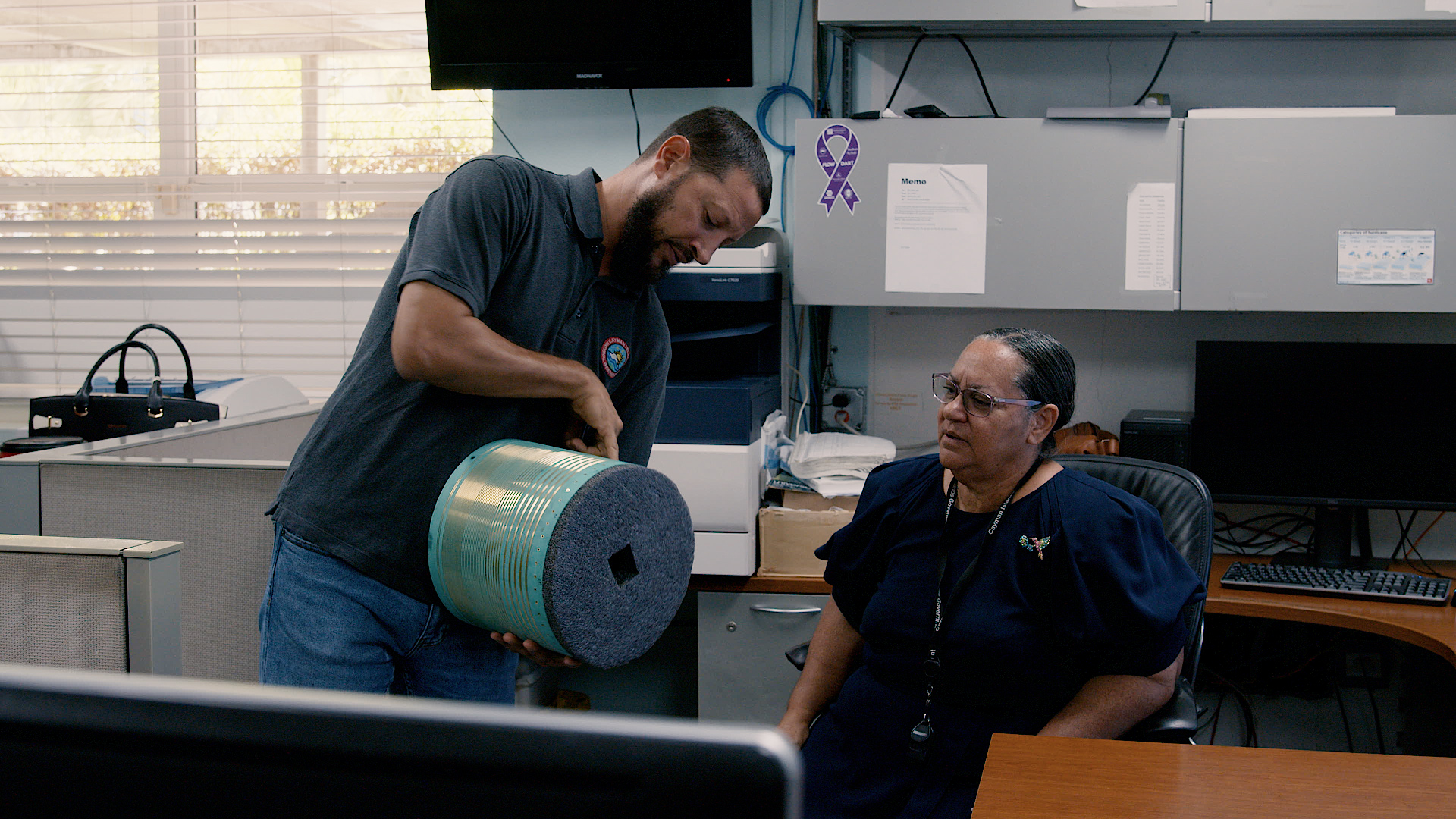
The radar has been out of service since October following “a mechanical failure”, which the release said was “beyond the scope of the local team’s expertise and experience”.
The system has experienced three extended outages in the past three years.
The radar, now near 12 years old, is an important tool for the National Weather Service’s tracking of storm activity during hurricane season and can detect moisture and water droplets up to 250 miles away from the Cayman Islands and the encircling sea.
Getting hurricane ready
Premier and minister responsible for the National Weather Service, Juliana O’ Connor-Connolly, said in the release the return to service reflects government’s commitment to ensuring the safety and preparedness of Cayman as the hurricane season approaches.
“The Cayman Islands is adapting a culture of readiness, wherein we are taking frequent inventory of our existing resources and seeking new ones to ensure our country is resilient in weather situations,” she added.
Experts from German-based company LEONARDO worked with the NWS team on the Doppler’s recent repairs, according to the release.
LEONARDO, which also originally installed the radar, “is the only entity qualified to provide the level of scientific expertise necessary for the doppler’s maintenance”, it said.
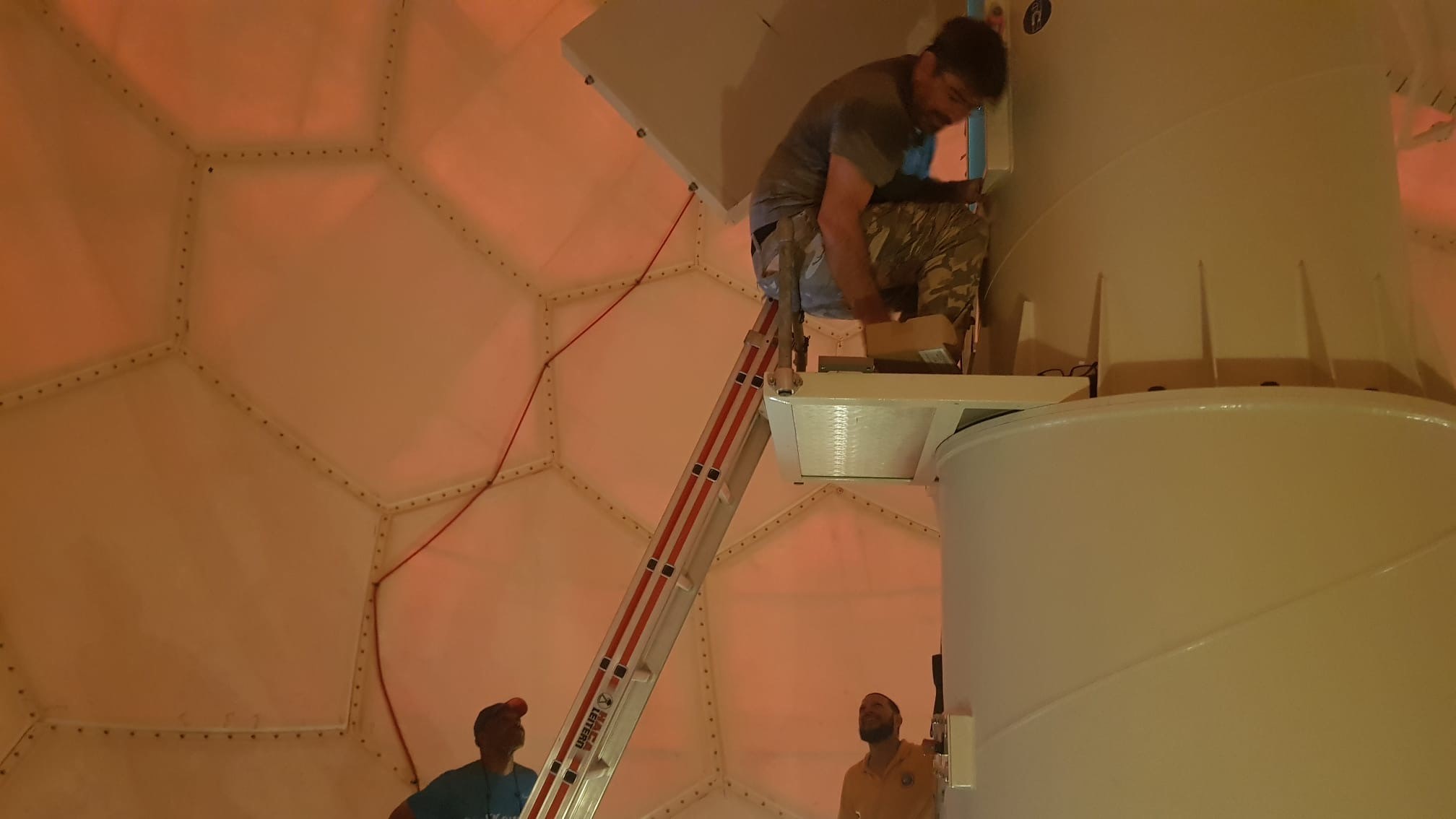
Last week, NWS Director General John Tibbetts confirmed to the Cayman Compass that repairs were to begin and that critical parts needed to get the system online were set to arrive.
Tibbetts, in Monday’s release, thanked the public for its patience with “unforeseen lulls” in the radar’s service.
“We remain committed to providing accurate information about our weather and safeguarding our community ahead of natural disasters.,” he said.
“Thankfully, we have now reinstated the radar, which serves as our early warning system. This increases our capacity for forecasting, research and accurate reporting in inclement conditions.”
According to the press release, the doppler’s repair also involved a diplomatic partnership with the Barbados government and the Barbados Weather Service, which assisted in the sourcing and exporting of critical equipment needed for the radar to resume service.
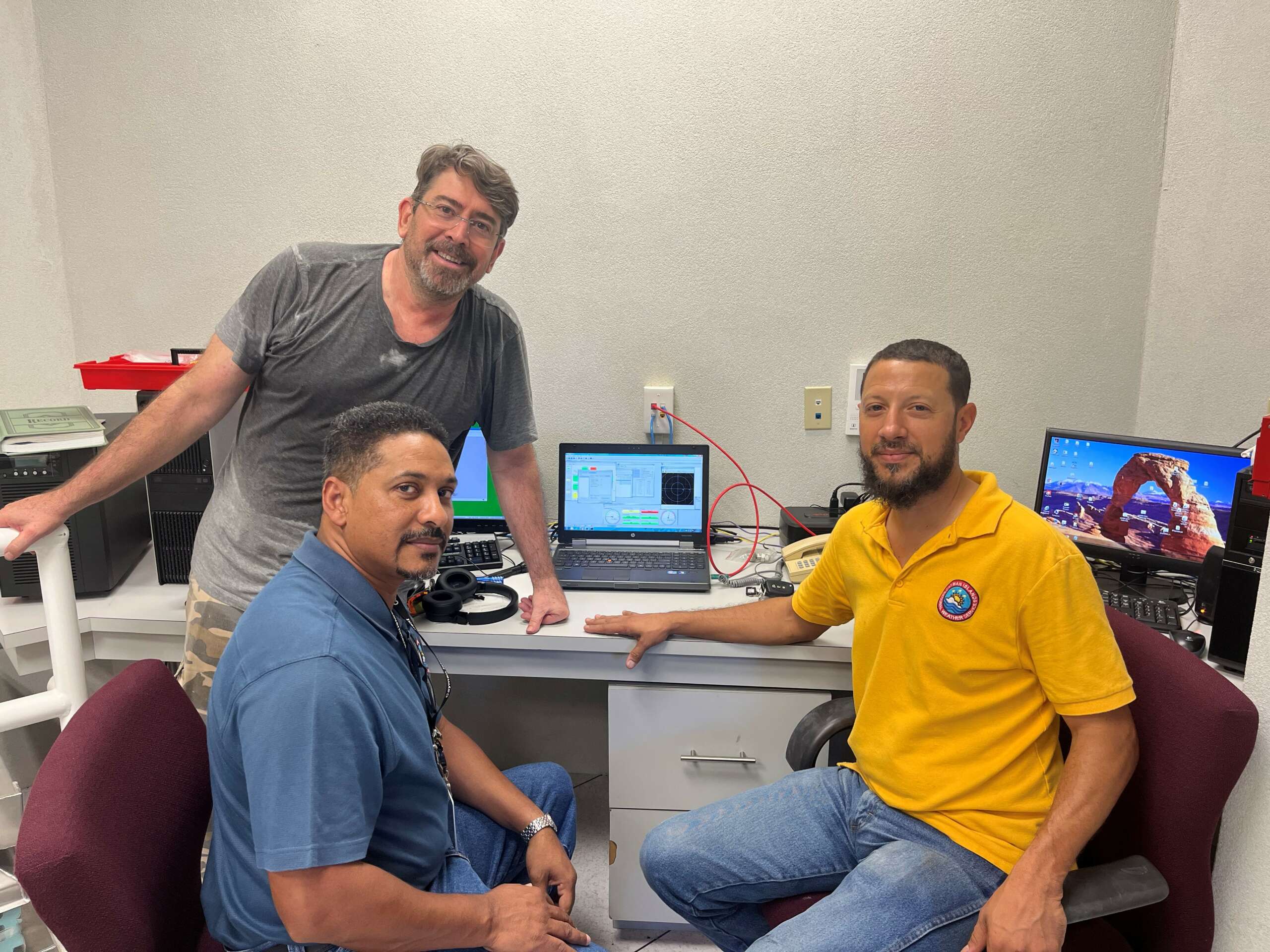
National Weather Service technical services manager Michael Carey said after working closely with the engineer from LEONARDO “we have meticulously addressed the technical challenges faced by the radar.
“It is immensely gratifying to see our hard work come to fruition, ensuring that our radar system is functional before the hurricane season.”
The Kearney Gomez Doppler Radar “is a specialised radar system that uses the Doppler effect to produce velocity data about objects at a distance”, the release said.
The system’s primary use is measuring the velocity of precipitation in the air which allows meteorologists to determine the speed and direction of precipitation, such as rain.
“This information is critical for understanding weather patterns, storm formations, and the potential for severe weather systems,” the release said.
While the Doppler radar has proven to be an invaluable tool in meteorological data collection and weather forecasting, the warranty on the system has now expired, it added.
“[It] is entering a phase where maintenance and repairs may be greater as the region experiences more active weather systems,” the release said.
Doppler radar history
The Doppler radar first became operational in 2013 and has a lifespan of 15 years.
The system was built by LEONARDO and funded through a grant provided by the European Union in 2012.
During the system’s lifetime it has experienced minor periods of downtime.
The release said in 2021, after Hurricane Grace, the radar’s radio frequency began ‘leaking’, leading to substantial operation disruption, with repairs completed in 2022.
“Throughout 2023, the radar experienced several operational interruptions inclusive of the dehydrator being down for 3 months, a 1-day interruption in communications due to lightning and a 4-month service disruption caused by the slip ring and brush block failing,” the release added.
The radar system has been out of service since 20 Oct. 2023.
Related Videos