

The in-tray of the new government in April will feature a laundry list of familiar problems.
Cruise tourism, the landfill, the balance between environment and development, and the challenges of a growing population are all on the radar for 2025.
With the minority UPM administration under orders to steer clear of contentious matters until the national vote, the first half of the year is likely to be about debate. Perhaps the second half will be about action.
Here we look at 10 issues that will be front and centre of our coverage in 2025.
A new solution for the landfill
The failed effort to find a long-term solution to Cayman’s waste-management problem has left government tens of millions of dollars and a decade worse off.
With the embers of the ReGen deal still smouldering – and the political recriminations still simmering – Cayman appears further away from a solution to the mounting trash problem than it has ever been.
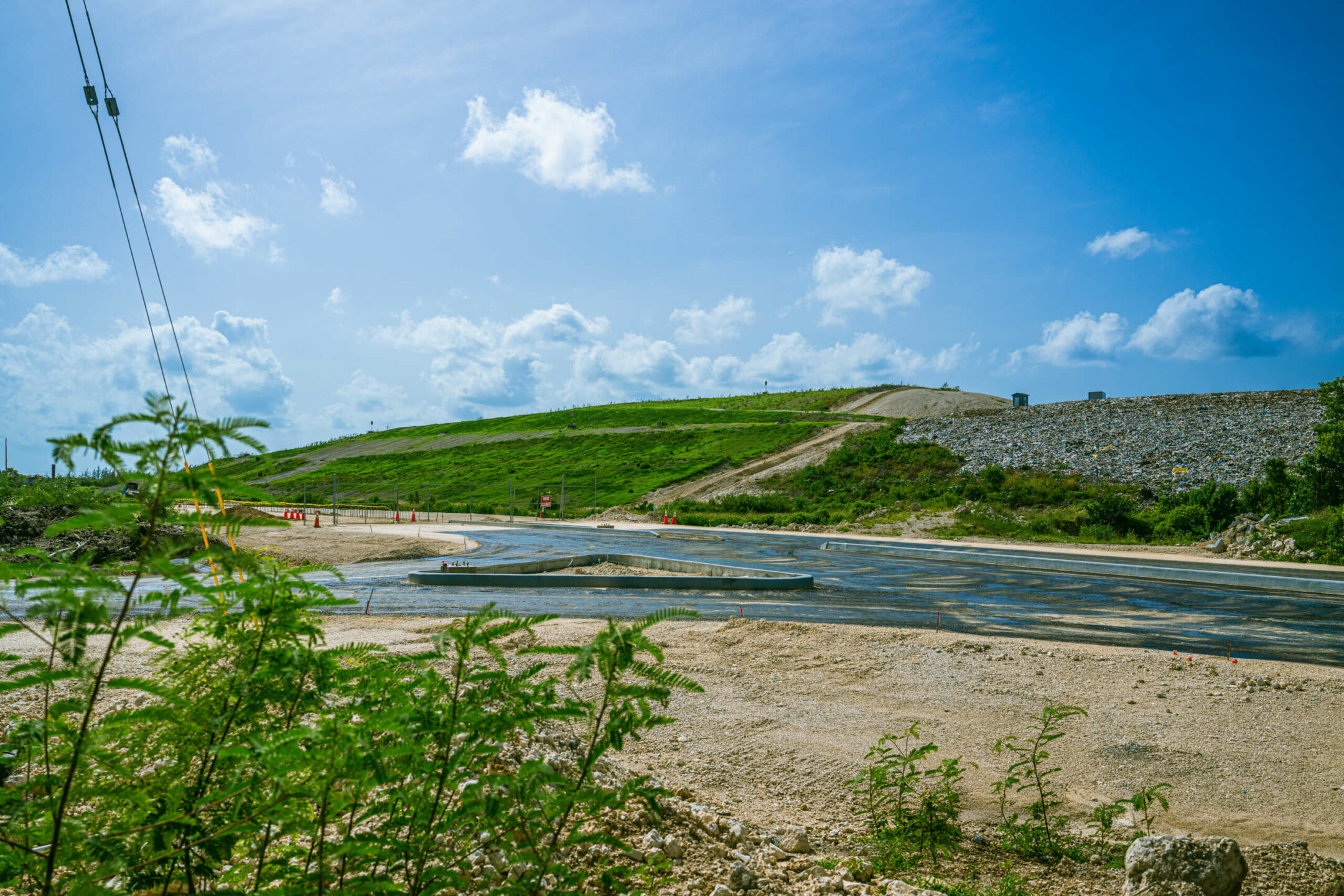
The dump remains an environmental hazard, a fire hazard, a blight on the landscape and a finite resource as far as disposal of Cayman’s growing waste output goes.
Counting the cost of failures past has its place, but this year thoughts must turn swiftly towards a new solution.
The cruise conundrum
Another debate that has raged for decades is resurfacing with a vengeance as 2025 begins.
Whether or not there is a referendum on cruise piers this year or not, the issue is likely to divide the country again in 2025.
The Compass will follow the debate with interest and seek to provide balanced, fact-checked coverage on an issue where misinformation and rhetoric are rife.
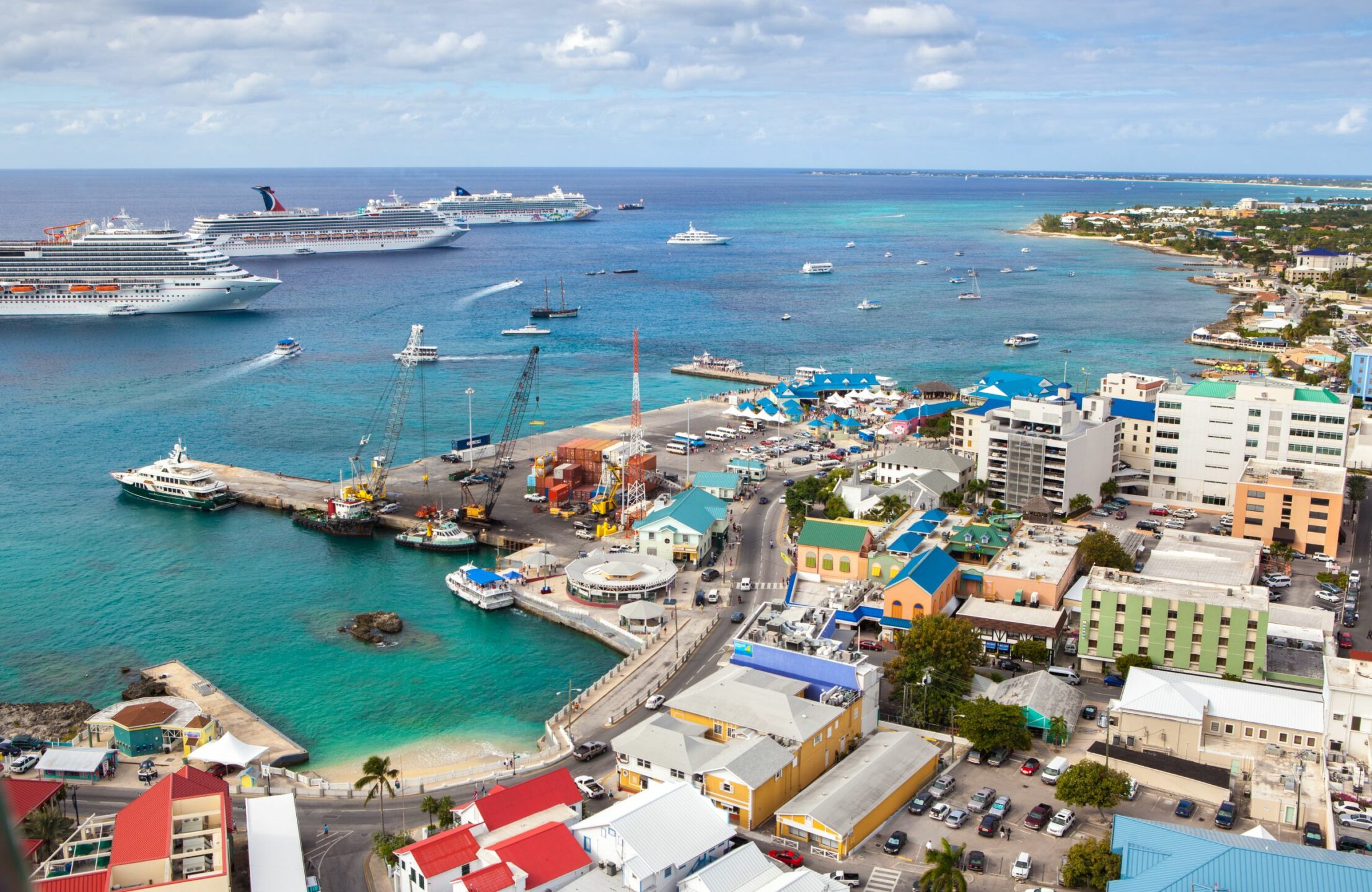
We also aim to look at the alternatives to cruise berthing, and question if Cayman’s leaders have given sufficient thought to tourism strategies that preserve blue-collar jobs while balancing concerns of excessive passenger volumes.
Revitalising George Town
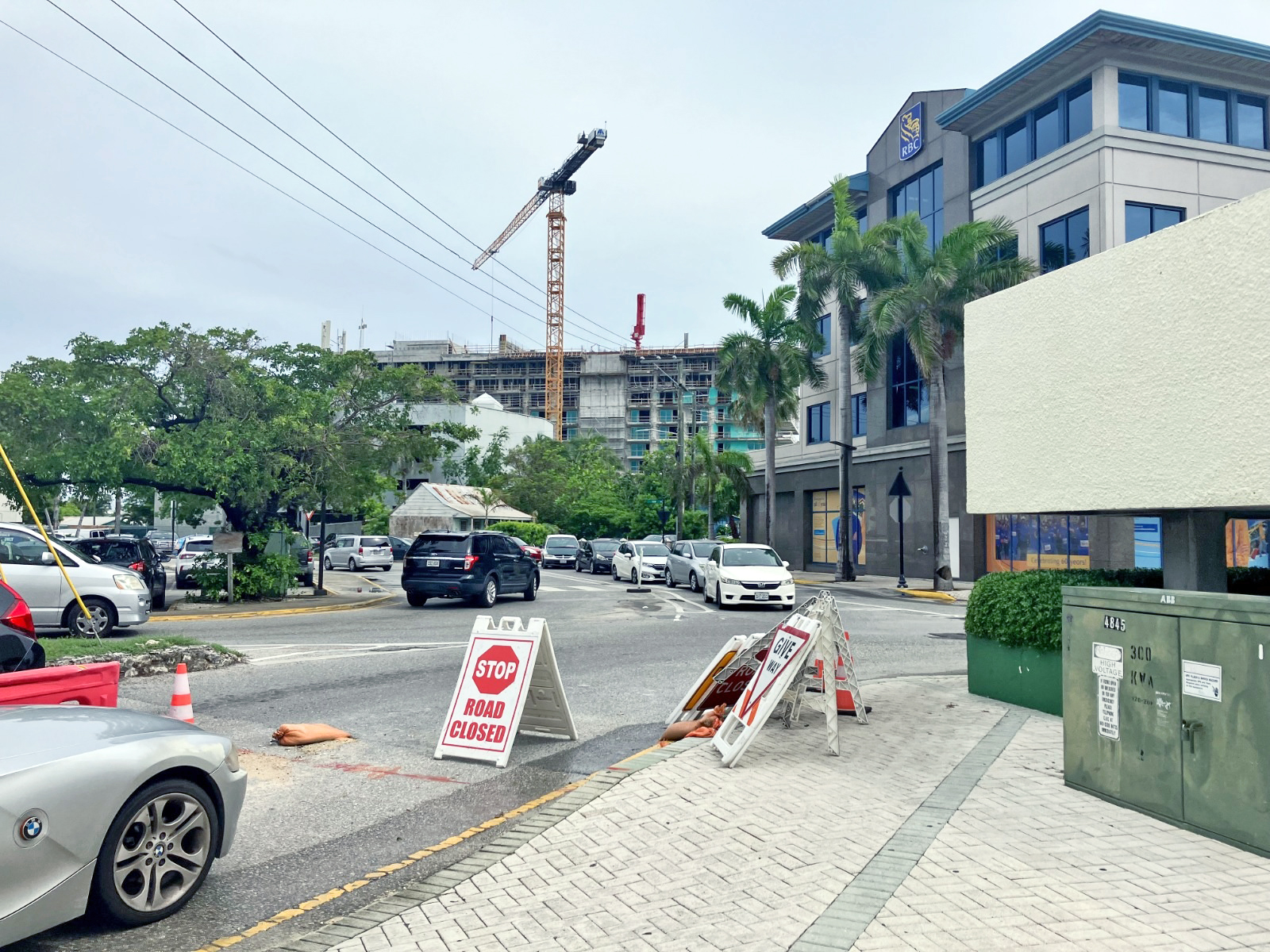
The site of construction crews and traffic diversions emblazoned with the ‘revitalisation of George Town’ have become almost ironic amid closures of cafes and the struggles of businesses impacted by the delays.
Meanwhile, parking in George Town remains a constant challenge, and the nightlife, along with office space, continues to migrate to West Bay Road and Camana Bay.
The stalled conversation over cruise piers appears to have impacted the impetus for any wholesale changes in George Town. Similarly, the inertia over the long-needed National Development Plan has left few guardrails for private-sector developers to work with.
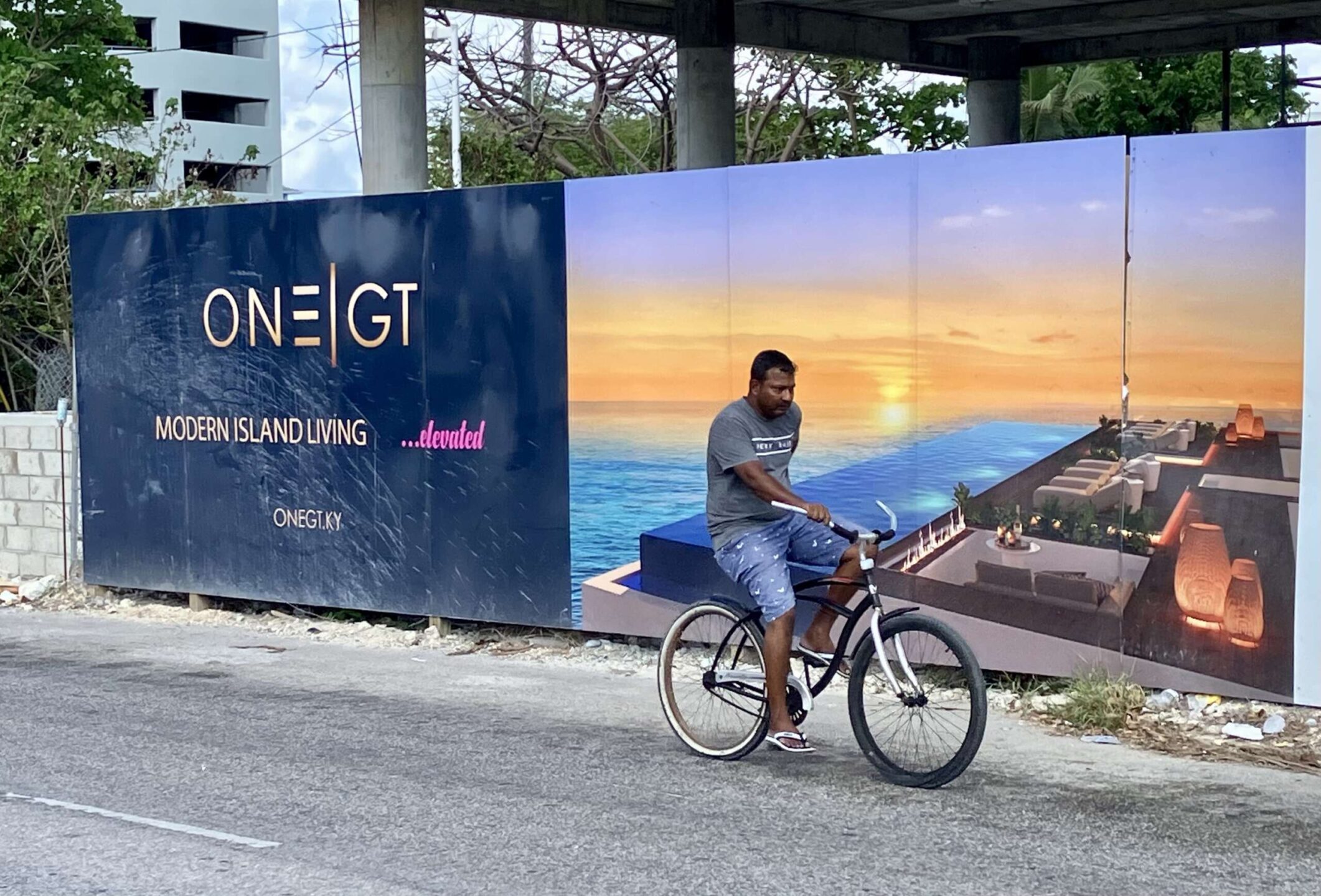
In spite of this, One GT and a handful of other new enterprises could provide a glimpse of the way forward. But will this be balanced with a coordinated plan for the capital that prioritises the needs of the people that live and work there?
Public access to information
The Compass, and other media houses, continue to be frustrated by lack of transparency from public bodies and public officials.
People are routinely kept in the dark about basic information about how government is spending their money or planning to solve the issues they care about. The same intransigence extends to multiple bodies doing the public’s work – from the police to the Port Authority.
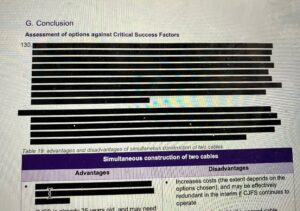
And many elected MPs rarely stray beyond the comforting confines of a Radio Cayman studio or a favoured friendly media house to answer questions about conduct or policy.
The Compass has used the Freedom of Information Act to push back against this trend and we will continue to do so in 2025, launching a new project where we can pursue public information on behalf of our readers.
Rental costs
The cost-of-living is an extensive ongoing challenge that bleeds across the lines from 2023 to 2025.
With interest rates beginning to get under control, our attention returns to the islands’ housing crisis and, in particular, rent.

Private-sector wages have not kept up with inflation and nowhere is this more evident than in the property market.
A significant number of people who cannot afford their own home are saddled with the impact of extreme hikes in rent – the biggest monthly expense for most people in this category.
Anecdotally, we hear of rising evictions, challenges with deposits and ruthless behaviour from landlords in an area that is not governed by any meaningful modern legislation. It’s an area we will probe in detail this year and we invite readers to send their stories to [email protected].
A new political landscape
It goes without saying that the April 2025 election will be the focal point for much of our coverage in the early part of the year. Many of the issues highlighted on this list will be key topics in the run up to the poll.
But the big political story of 2025 is likely to be the emergence of new parties and the end – at least for now – of the era of the independents.

As we wrote in November, between four and five coalitions are expected to harden into new political parties or groups in advance of the election. How they divide on personality, ideology and conduct will be one of the fundamental narratives to watch over the next few months.
Population growth
As Cayman surges towards the benchmark figure of 100,000 people calling these islands home, competing visions emerge of what the future looks like.
If past is precedent, growth is a given. But should we accept it and plan for it, or fight against it?
Growth has implications for quality of life, Caymanian culture, access to services and infrastructure needs. But it is also the engine that has fuelled the economy for several decades.
Numerous politicians are calling for immigration reform and it will be interesting to see what shape that takes and how they seek to unravel those contradictory impacts.
Rebuilding the beach
One of our most read and most talked about stories of 2024 was the shocking impact of beach erosion on southern Seven Mile Beach.
Various governments have called this issue a crisis in the past and promised swift action, only to retreat from that stance with the receding tide.
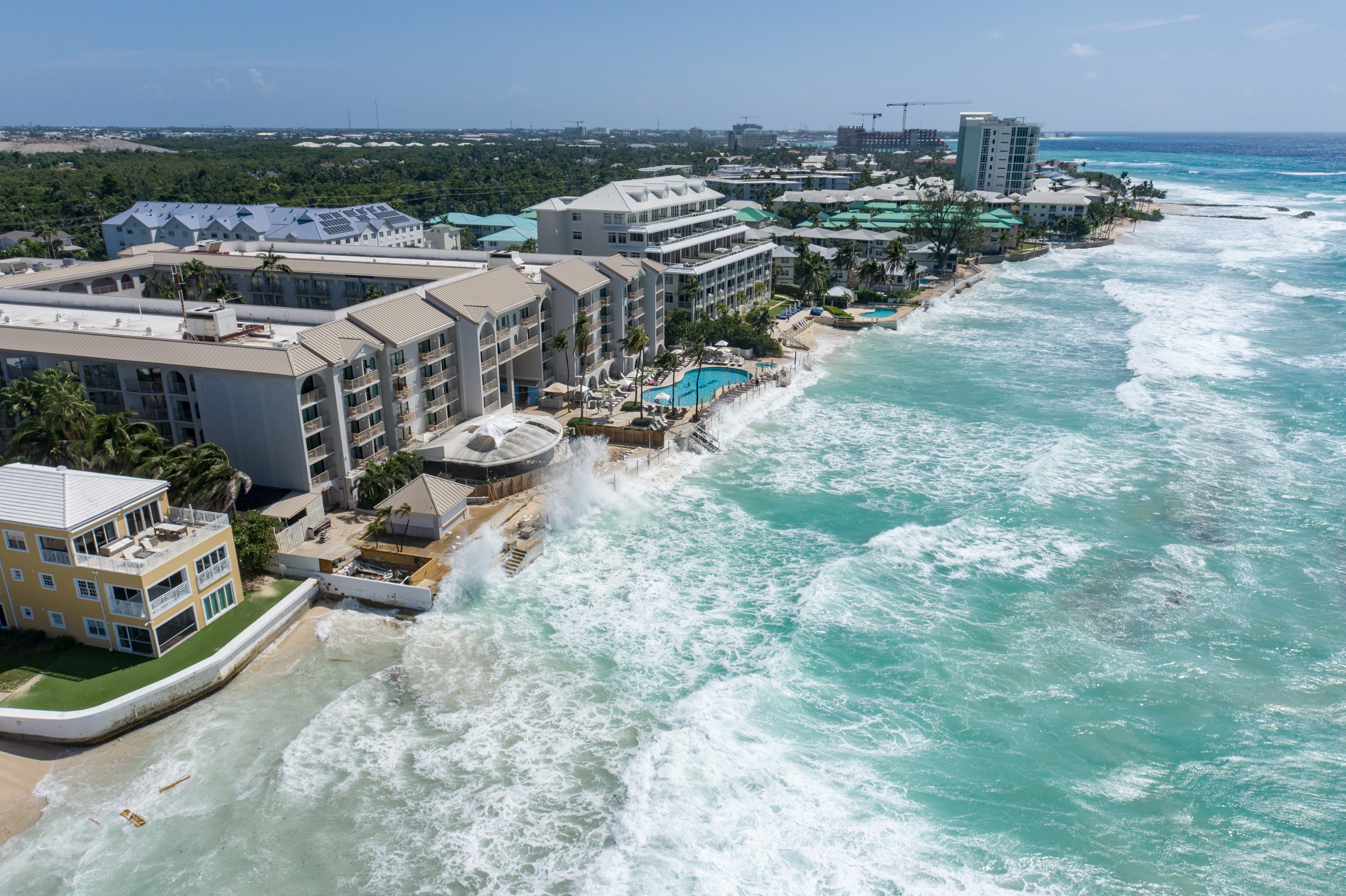
With homes and businesses threatened and public access to the beach reduced, the new government will need to look seriously at the numerous short-, medium- and long-term solutions on the table to save the beach.
We expect this issue to continue to be top of mind throughout the year – especially when hurricane season begins again.
Time for a development plan
Readers could be forgiven for wondering how a list of key issues for 2025 differs from a list we could have complied in 2005.
The need for a development plan has been a live issue for decades.
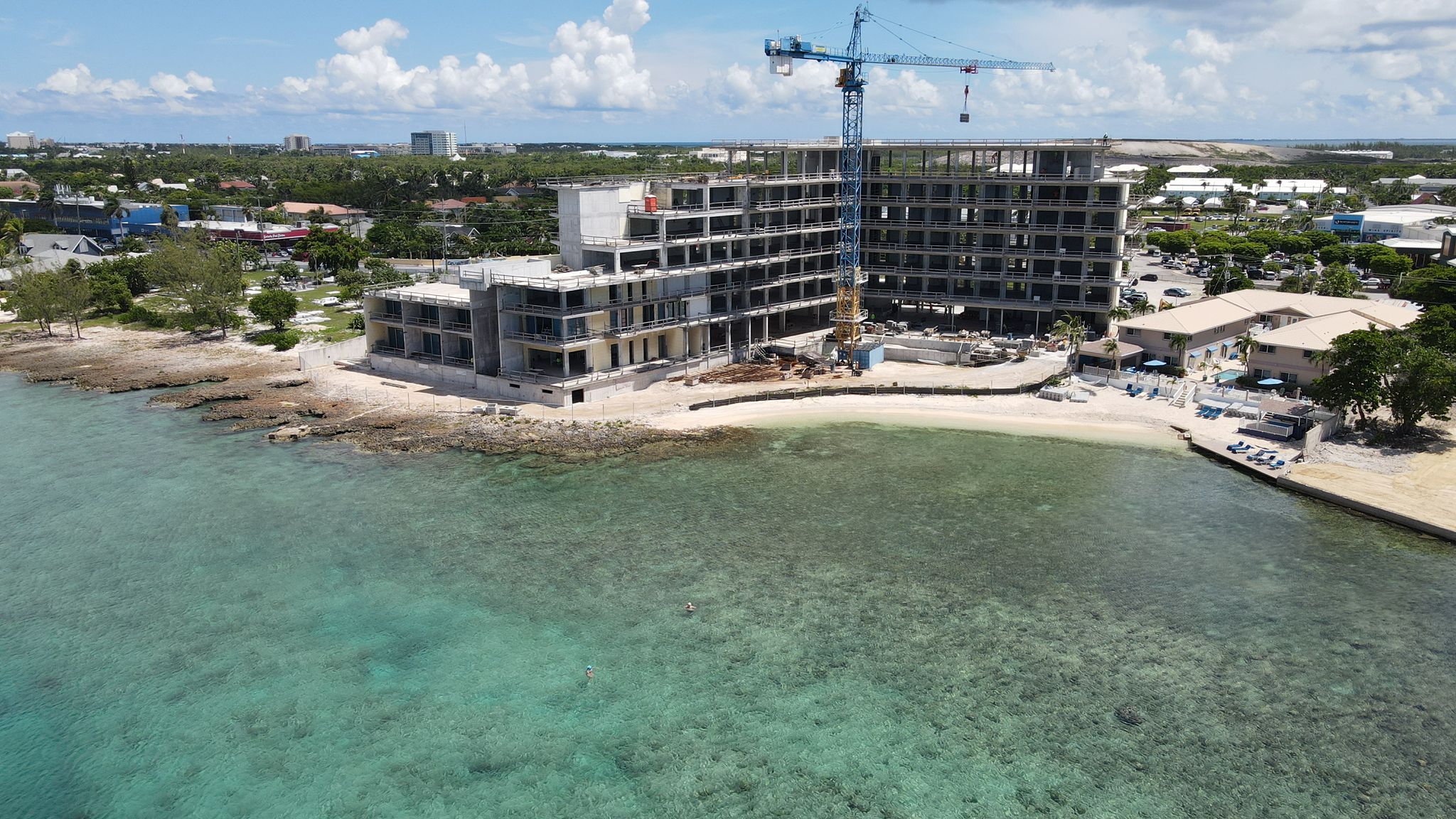
But the increase in population, the proliferation of new buildings, the fractious debate over access to beaches and preservation of the environment, the decline of George Town and the demand for affordable housing make this issue more valid than ever.
Someone must grasp the nettle in 2025 and get it done.
A quiet crisis of inefficiency
One story that flew under the radar in 2024 was a seemingly dry procedural drama about the veterinary board.
Government quietly allowed the term limits of board members to run out without renewing them or appointing a new board. As a consequence, short-staffed surgeries were unable to bring new vets to the island for six months, and their businesses and patients suffered.
But the story stands out as an example of a form of routine inefficiency that plagues Cayman. We have since been informed of similar – though less extreme – examples from businesses seeking to hire pharmacists, doctors and speech therapists and from developers struggling through the inspection process for new homes or restaurants.
Such stories are not exactly clickbait – but they are real, easily solvable, challenges impacting people and businesses and we intend to pursue them with renewed vigour in 2025.
Got a story on any of these topics?
Did we miss an issue that is important to you?
Email [email protected].
Related Videos











It’s time Cayman appoint a Department of Government Efficiency and stop talking about issues and start fixing them!
Because throwing more bureaucrats at a problem always creates the desired solution?
This story outlines some of the problems facing all Cayman and its governance. Offering solutions would be a much longer story.
Although some solutions are fairly obvious. Rental abuses clearly calls for stricter legislation and some sort of effective tribunal with the power to resolve disputes being one.
Other solutions are going to take more work, indeed require us to take a long, hard look at how our own priorities mature as population growth stops being an automatic positive and becomes a threat to island resources.
Still others, like “The Dump” requires a government/private enterprise solution to disposal of accumulated and on-going waste in a manner which is both respectful of the environment and cost effective. Sound simple, but a canvas of approaches to the same issue elsewhere shows it is actually site-particular.
And then there’s our precious beaches and the depredations of climate change. We have to presume things are only going to get more challenging; storms more frequent and violent and wave action more vigorous as water temperatures rise unfettered. Solutions, like flood control barriers, adopted by populous mainland communities are too expensive. Building shoreline concrete barricades simply create future rubble sites as we are discovering. The inexpensive answers, like restoration of the elasticity of the island by the re-establishment of mango swampland ruthlessly sacrificed to development over the past fifty or so years is where we have already started to go, but a system of compensation for land thus restored will need to be finessed with care.
All of the problems we face have one rather important thing in common: none of them can be solved without the goodwill of the entire community. This requires strong and trusted leadership and that is the toughest solution to find of all especially in a society globally envied because of its largely unfettered intra-mural competitiveness.