

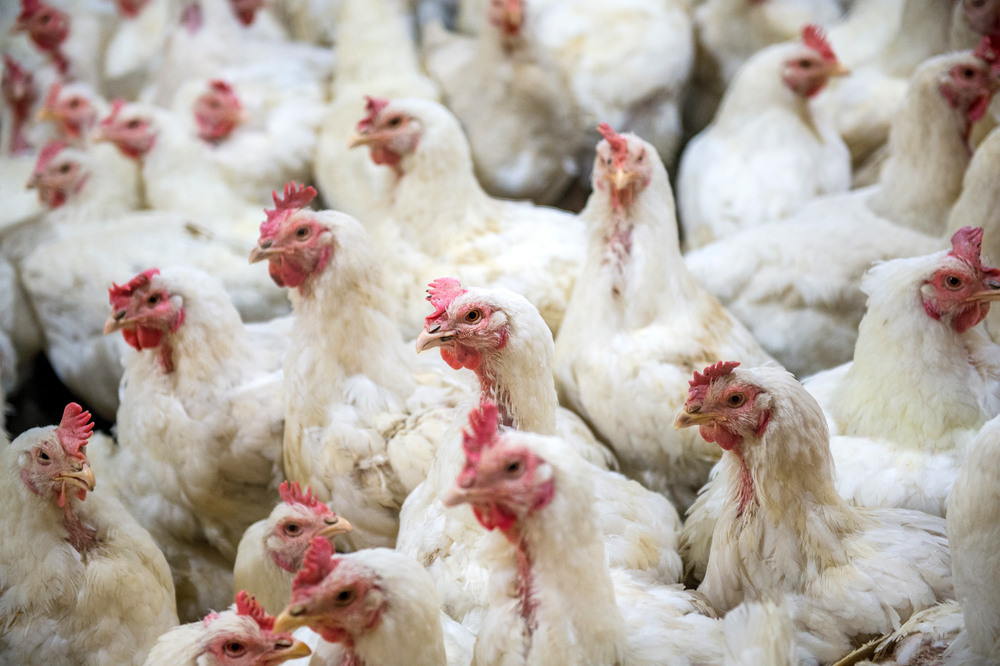
The Department of Agriculture is urging all pet owners, farmers and backyard flock keepers across the Cayman Islands to closely monitor their animals for signs of illness, following the confirmation of avian flu in West Bay.
Officials say any unusual behaviour, sudden deaths or symptoms in birds or other animals should be reported immediately and residents are being reminded not to dispose of dead poultry in household bins under any circumstances.
The warning comes after an outbreak was confirmed at a farm on Cemetery Road on 28 Nov., where several turkeys were found dead. Testing that followed identified additional infected bird types including chicken, turkey, quail, farmed duck, wild whistling duck and goose – all at the same farm site.
All 69 birds at the site have since been removed and culled, and authorities say no other locations have tested positive so far. There have been no reported human infections.
The virus involved, known as H5N1, is one of the most aggressive strains of avian influenza and has demonstrated the ability to infect not just birds but mammals too. Internationally, it has been detected in animals such as cats, dogs and cattle. While cases in mammals are rare, the Department of Agriculture says the risk is real enough that owners should remain on high alert.
The risk to animals
Birds can transmit avian influenza through their droppings and bodily fluids, including mucus and saliva.
Animals that spend time outdoors can become infected through direct or indirect contact with sick wild birds or poultry, while indoor pets may still be exposed if the virus is brought into the home on contaminated items such as clothing, shoes or equipment.
Signs of illness in birds
The Department of Agriculture is urging poultry owners to routinely check their chickens and waterfowl for signs that may point to avian flu and to immediately report any sick birds.
Officials warn to look out for sudden or unexplained deaths, runny eyes or nasal discharge, marked tiredness or loss of appetite and neurological symptoms such as tremors, head twisting or paralysis. Changes in appearance are also a red flag, including combs or wattles turning blue or purple, swelling or redness in the legs and diarrhoea or droppings that appear loose or discoloured.
Anyone who observes these symptoms is advised to contact the Department of Agriculture’s Veterinary Services at (345) 916-7146 or (345) 947-3090, and not to touch the birds under any circumstances.
Signs of illness in pets
Cats, dogs and livestock can become infected if they come into contact with sick birds, bird droppings, contaminated water or environments where virus particles are present. Pets that eat raw poultry or roam outdoors near places where birds gather are considered at higher risk.
The Department of Agriculture is advising pet owners to look out for fever, unusual tiredness, loss of appetite, red or inflamed eyes, runny noses or eyes, respiratory symptoms, including coughing, sneezing, or difficulty breathing and neurological symptoms such as incoordination, blindness, tremors or seizures.
Anyone who suspects their pet may have been exposed or is showing signs of avian flu is being told to call a veterinarian before taking an animal to a clinic.
Officials warn that in severe cases; avian flu can be fatal in pets.
Signs of illness in livestock
The continued spread of avian flu among dairy cattle in the US is a major concern for animal-health authorities. The World Organisation for Animal Health says infected cows can often show few or no symptoms.
The Department of Agriculture is urging livestock owners to closely inspect their animals and report the following warning signs in cattle, goats, sheep or pigs: sudden drop in milk production, changes in how milk looks, poor appetite, extreme tiredness, diarrhoea or loose stools and respiratory problems such as coughing, nasal discharge or laboured breathing.
For sheep and goats, officials warn that inflammation of the udder, known as mastitis, may be an early red flag, while pigs may show the same broad symptoms seen in other livestock.
The World Organisation for Animal Health has flagged raw milk from infected cows as a major risk factor, with evidence showing the virus can spread from sick dairy cattle to other animals, including cows, cats and poultry. Authorities say only milk from healthy animals that has been pasteurised or processed to deactivate the virus should enter the food supply.
The department is stressing that any potentially affected animal or herd should be isolated immediately to prevent further spread and that Veterinary Services must be contacted without delay on (345) 916-2218 or (345) 947-3090 for guidance and response.
Other measures
As part of wider containment measures, all movement of live birds between Grand Cayman, Cayman Brac and Little Cayman has been suspended for 21 days. The restriction covers every avian species, including chickens, turkeys, ducks, pigeons and quail and applies to both imports and exports between the islands.
One of the strongest warnings to the public is about disposal. The Department of Agriculture and the Department of Environmental Health have stressed that dead or dying birds must never be placed in regular trash. Improper disposal increases the risk of infection spreading to other animals or into the environment.
All suspected cases must be reported to the Department of Agriculture’s Avian Influenza Hotline on 916-7146 or 947-3090 and pressing zero when prompted. Reports can also be made through the Poultry Health form or emailing [email protected].
Related Videos


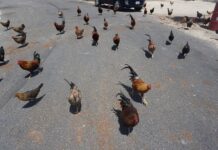







Dats what happens when feral chickens are running around the whole island and people think they are cute.
As long as the Dump exists in its current state it serve as significant reservoirs for various pathogens, which are then spread and amplified through vectors, environmental contamination, and increased interaction between humans, domestic animals, and wildlife.
The high density and variety of animals (wildlife, domestic animals, and humans) congregating at dump sites increases the frequency of contact, raising the risk of disease transmission across species and potentially leading to the emergence of new virus strains.
https://www.news-medical.net/news/20250224/Study-finds-strong-evidence-that-bird-flu-spreads-through-the-air-between-farms.aspx
Unfortunately, H5N1 is airborne and there are studies that prove this. I hope CIG is taking all avenues of spread into consideration, not just fomite and droplet transmission. Since COVID, it seems governments the world over have swept the threat of airborne transmission of dangerous viruses under the rug. If you frequently handle birds in the Cayman Islands, it would behoove you to don proper PPE, including a well fitting N95 mask.