Government has approved an extra $500,000 in emergency funding to combat the spread of avian flu.
The current strain of avian flu that was identified in a farm in West Bay is highly contagious and often fatal for domestic birds.
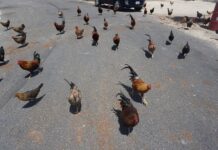
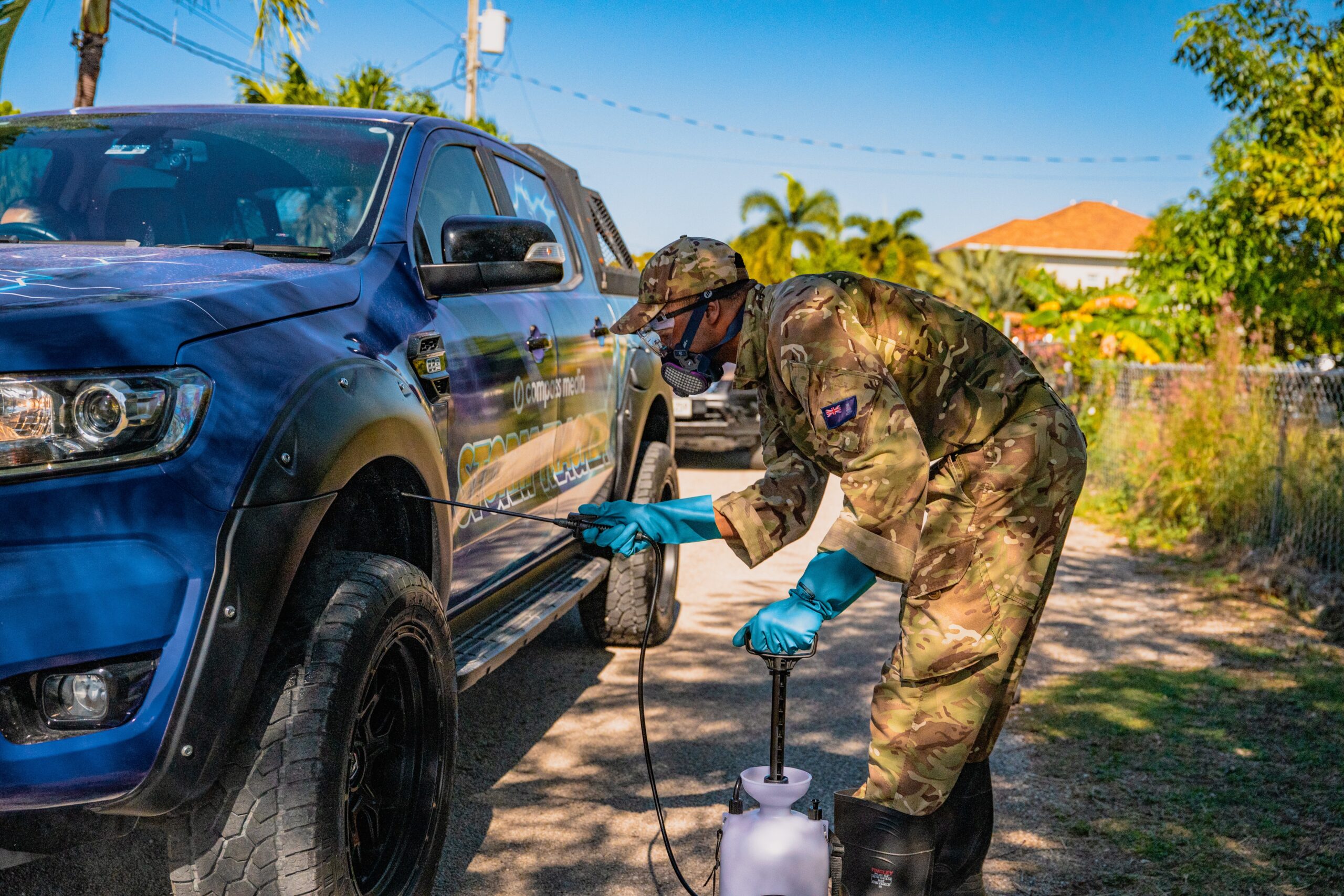
Agriculture Minister Jay Ebanks told Parliament that Cabinet approved the additional funding on 10 Dec. to go towards urgent disease control measures, including a pilot culling programme for feral chickens and the continued enforcement of movement restrictions around the affected area.
He told MPs, “The action follows the confirmation of the avian influenza on the local farm and is designed to reduce the risk of the spread to other holdings and protect the public health and safeguard of domestic poultry and wider food security interest. The pilot culling programme will focus on feral chickens within the 500-metre zone of the affected area, alongside the targeting surveillance and testing of selected farms.”
At a meeting with farmers on 2 Dec., Department of Agriculture Senior Veterinary Officer Dr. Tiffany Chisholm confirmed that the virus detected in Cayman is H5N1, describing it as one of the most dangerous forms of avian influenza, because of how quickly it spreads through flocks and the high death rates associated with infection.

The first case was confirmed in West Bay on Friday, 28 Nov., at a Cemetery Road farm, where several turkeys were found dead. Testing the following day identified seven more infected birds.
Related Videos