The Compass strives to make a difference with our reporting. From holding power to account to informing public debate, our journalism aims to make an impact.
It is not something we do alone. The stories that make the biggest impact are inspired by events, by daily reporting, by the suggestions of our readers and from the disclosures of brave individuals who speak out against injustice or abuse of power.
As 2025 draws to a close, we reflect on some of the stories that packed the biggest punch this year, what difference our reporting made and where the issues lie at the end of the year.
Putting the spotlight on board pay
In June, we first reported a surprising statistic from a Government Finance Committee hearing. Health Services Authority board pay had increased ten-fold in the space of a decade, and independent MP Chris Saunders claimed some board members were earning more than medical professionals.
We followed the story with a Freedom of Information request that established the small lay board had taken home almost $500,000 in the space of 18 months and that some members of the board were indeed earning more than doctors in some months.
During that time, our open records request established, the board had held 190 meetings, compared with a more typical schedule of one or two each month. The board defended its actions and suggested it had been required to undertake significant additional work because of challenges at the authority.
By the end of the year, the government had moved to formalise a new pay structure for the Health Services Authority board, ending the practice of paying members per meeting and moving to a monthly stipend – a tangible change that should contribute to a fairer, more transparent expenditure of public funds.
As 2026 begins, the Compass is partway through a series of open records follow-ups to determine compensation structure and expenditure, and to gain insight on how Cayman’s boards are appointed and how they conduct the business of the major government companies and statutory authorities. We hope our reporting can bring greater transparency to the work of these important bodies and, where appropriate, help inspire reform.
Driving change on our roads
In April, an outpouring of grief and community solidarity for a young father, killed by a motorist while on an Easter Monday cycle ride, was the catalyst for a reporting and editorial campaign to drive change on Cayman’s roads.
Per Undheim’s death led to a series of stories that month about the dangers that cyclists face on Cayman’s roads.
In a mini-investigation, in partnership with CompassTV, we filmed 10 minutes of mayhem on the Esterley Tibbetts Highway. Our footage found less than 20% of motorists driving at or under the speed limit, and one vehicle passed us at 97mph.
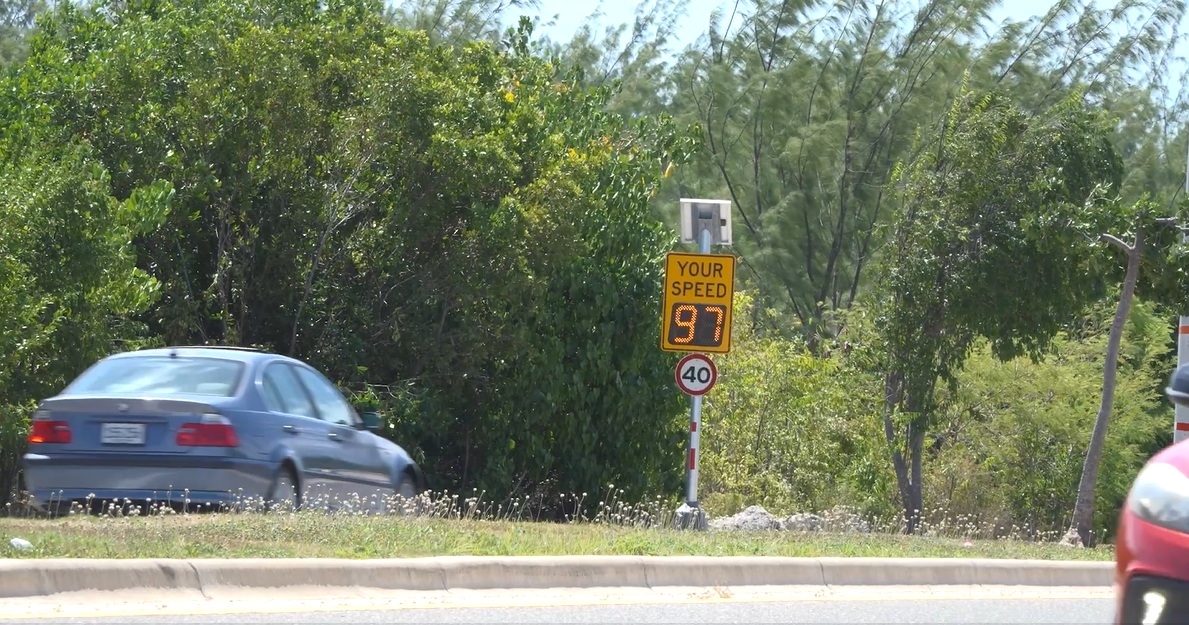
The blatant lawbreaking in the 40mph zone included trucks, public buses and rental cars alike. If there had been a speed camera in place, we reported, it would have raised $11,260 in revenue if each speeding driver had been fined.
While cameras have been on the wish list of the police traffic department for some time, it was pleasing to note that funds were allocated in the budget and the plan to roll out a basic safety measure – used in other jurisdictions for decades – could be in place by next year.
As 2025 came to a close, we continued our focus on road safety, reporting in depth on the challenges with drink-driving in Cayman, the absence of affordable late-night transport options, and the need for cultural change and consistent enforcement to improve the islands’ alarming fatality rate. We hope to see progress on these issues in the coming year.
Power struggle over clean energy
In April, the Compass reported on a surprising call from the energy regulator – the Utility Regulation and Competition Office, known as OfReg – to add significant new fossil fuel power generation to Grand Cayman’s grid.
The decision came with a warning that surging power demand was outstripping supply and Cayman was heading towards an era of rolling blackouts without urgent action.
But the decision was out of sync with the established national priority of shifting to renewable energy.
OfReg highlighted ongoing plans for a new solar farm. But the plan for new diesel generation was four times as large and even Caribbean Utilities Company objected, labelling it a long-term commitment to fossil fuels that would be more expensive for consumers, worse for the environment, and would make the National Energy Plan targets unattainable.
The regulator and CUC blamed each other for the impasse, but by the end of the year a truce had been negotiated and a new Certificate of Need submitted that should lead to a better mix of renewables as the island expands its power supply.
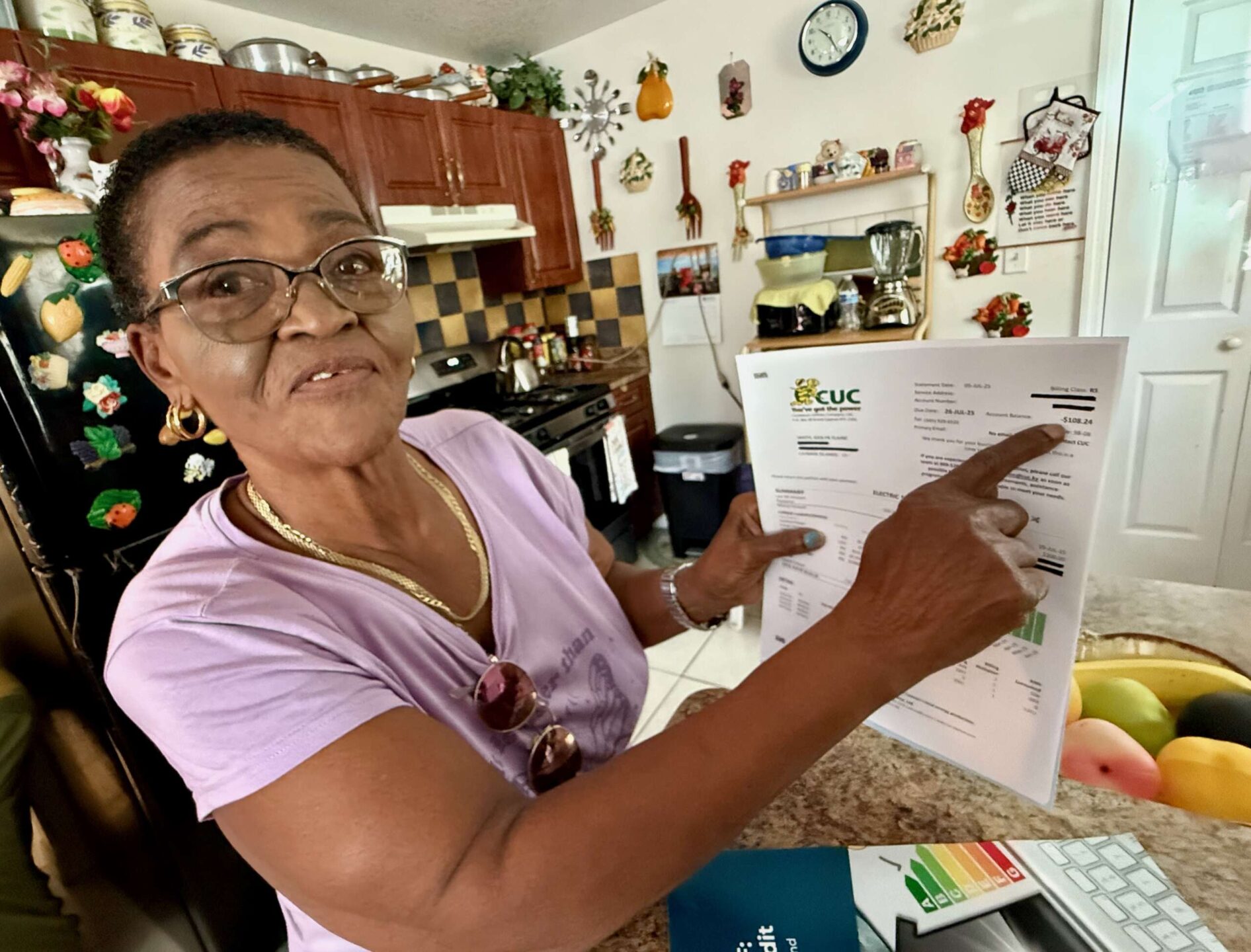
On the demand side, the Compass also reported on a successful government project, in partnership with the European Union, to add insulation and solar panels to the homes of some of Cayman families that needed it most. The project led to massive reductions in power use to the point where some were turning a profit on their energy bills.
The pilot project involving 36 homes was a huge success, but the test in 2026 will be about how government takes that blueprint and devises policy that spreads the impact across the island.
Ghost permit scam brought to light
One of the goals of our reporting is to separate rumour from fact and shine a light in the corners of Cayman that most people don’t see. We had heard stories for years about rogue companies bringing in foreign workers for a fee.
But it wasn’t until we told the story of Indian national ‘Arun’, who acknowledged paying $10,000 for a job in Cayman, that we were able to describe exactly how a typical cash for permits scam works in Cayman.
The 26-year-old described how he arrived in Cayman along with four others, with legitimate work permits for the same cleaning firm, only to be told there was no work for him and then handed a release letter.
Arun told how he was left destitute and sleeping on the beach while going door to door looking for work, not able to afford a ticket home.
Immigration Minister Michael Myles told us the story reflected a growing pattern of complaints and WORC chief Jeremy Scott later promised an clampdown as he indicated an offenders register of more than 50 companies had been established.
The new Caymanian Protection Act also includes a restriction on job-hopping in the first two years of a work permit, in part, to prevent the practice. Debate around the issue in Parliament led to Myles accusing former governments of turning a blind eye to a practice that he equated to “human trafficking”.
While a handful of offenders have faced court action this year over permit scams, of different varieties, it remains to be seen if the businesses providing ghost permits will face investigative action in the new year.
Trump’s tariffs drive call for action on food security
Like or loathe him, America’s president is impossible to ignore. Our Trump Effect series examined everything from blockchain to hurricane forecasting and cost of living, keeping the fall-outs from Donald Trump’s agenda top of mind for policymakers.
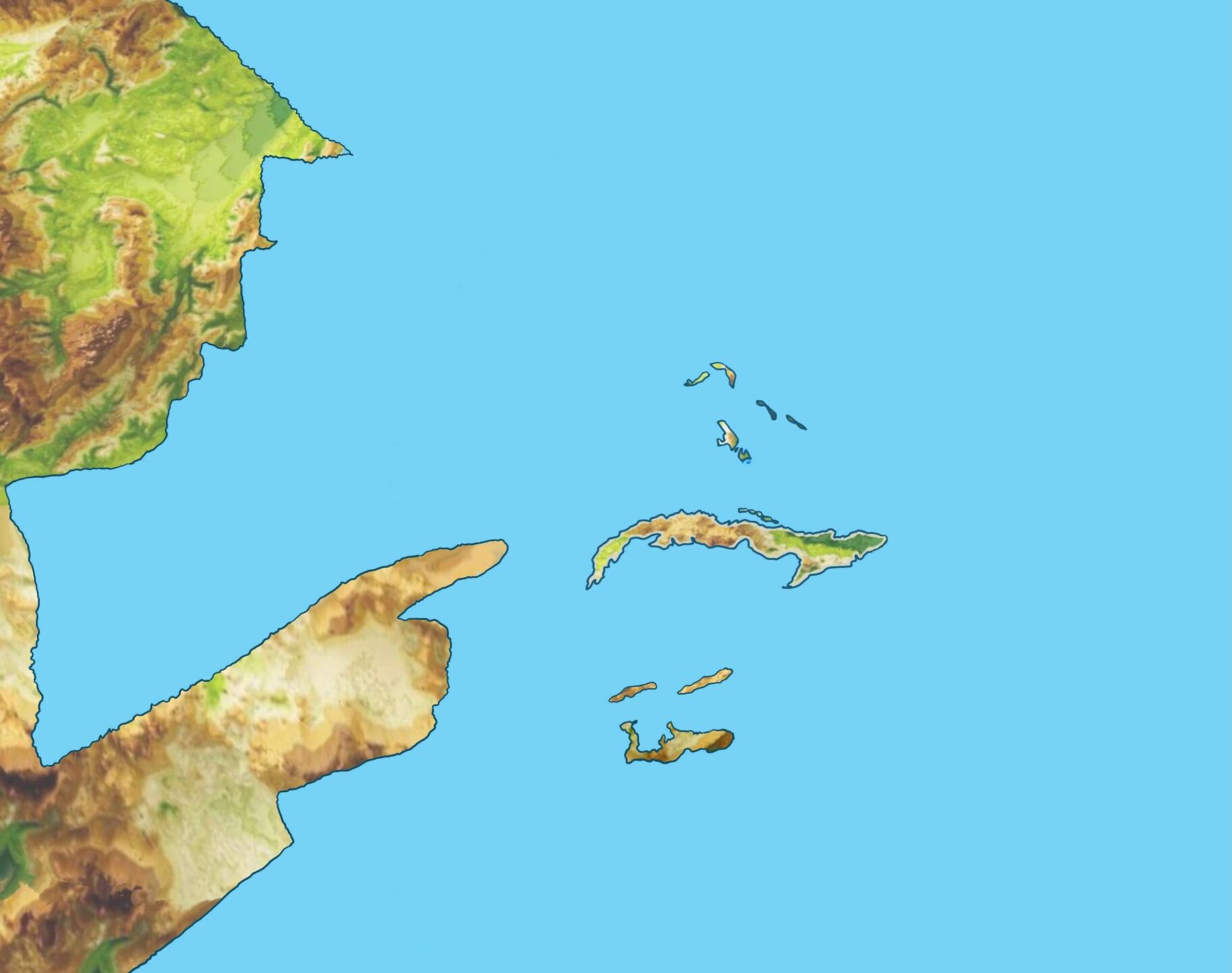
Perhaps the most significant impact has been to highlight the influence of Trump’s tariffs on grocery prices and to draw attention once again to the lack of diversity in our islands’ supply chain.
The impact of the tariffs, on top of successive years of record inflation, led us to focus on food security – both homegrown and imported.
The Cayman Islands government has sought to ramp up chicken and egg production, but, as we reported, there is more that can be done.
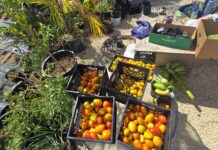
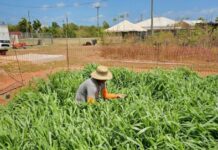
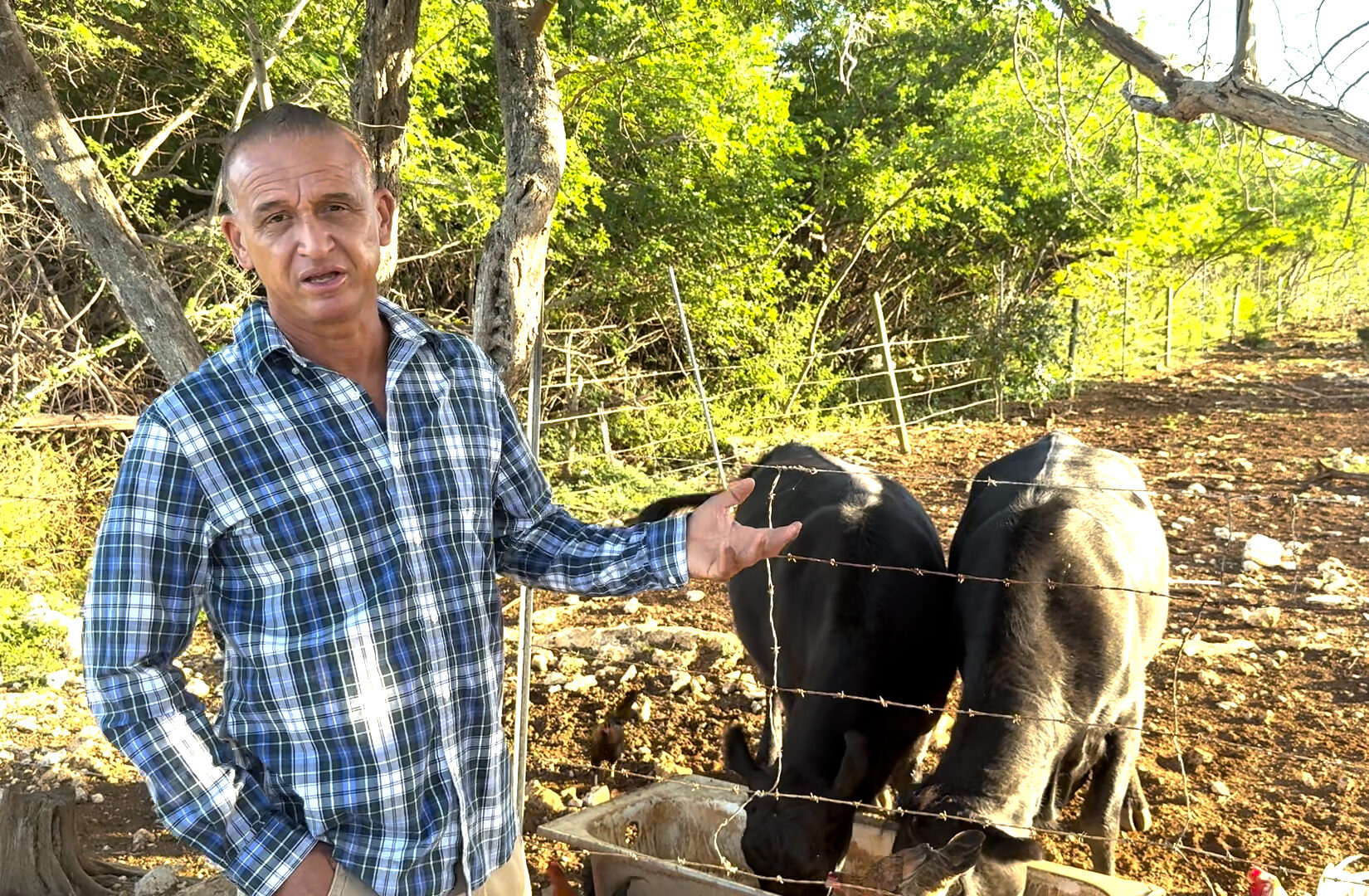
Red tape is preventing hydroponic container farms from taking off in a big way, and farmers argue allowing fast-growing grasses to be imported could also transform local Christmas beef from a once-a-year treat to a staple of the islands’ food supply.
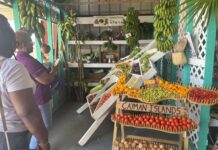
On imports, we highlighted challenges with Cayman’s food hygiene regulations – viewed by some as a bureaucratic rather than a health and safety hurdle – that are preventing more consistent supply from our nearest neighbour, Jamaica.
Towards the end of the year, ministers were talking up possible cargo links to Brazil and Honduras, and a new bi-weekly refrigerated shipping service from Jamaica had been agreed.
Grand Cayman’s aging and undersized cargo port remains a barrier to progress. How government manages that bottleneck, with no money in the budget to explicitly address it, is likely a major story in 2026.
Homeless family’s story ends happily
Sometimes a story can make a difference simply by tugging at the heart strings and connecting a person in need with someone who is inspired to help. Such was the case with a family of seven who were left homeless in October of this year.
The family, with five young children, were, in their own words, “days away from pitching tents on the beach” when they spoke to the Compass about their situation.
Having slept in cars, borrowed money for hotel rooms and huddled in a one-bedroom flat provided by a charity, they had nowhere else to turn.
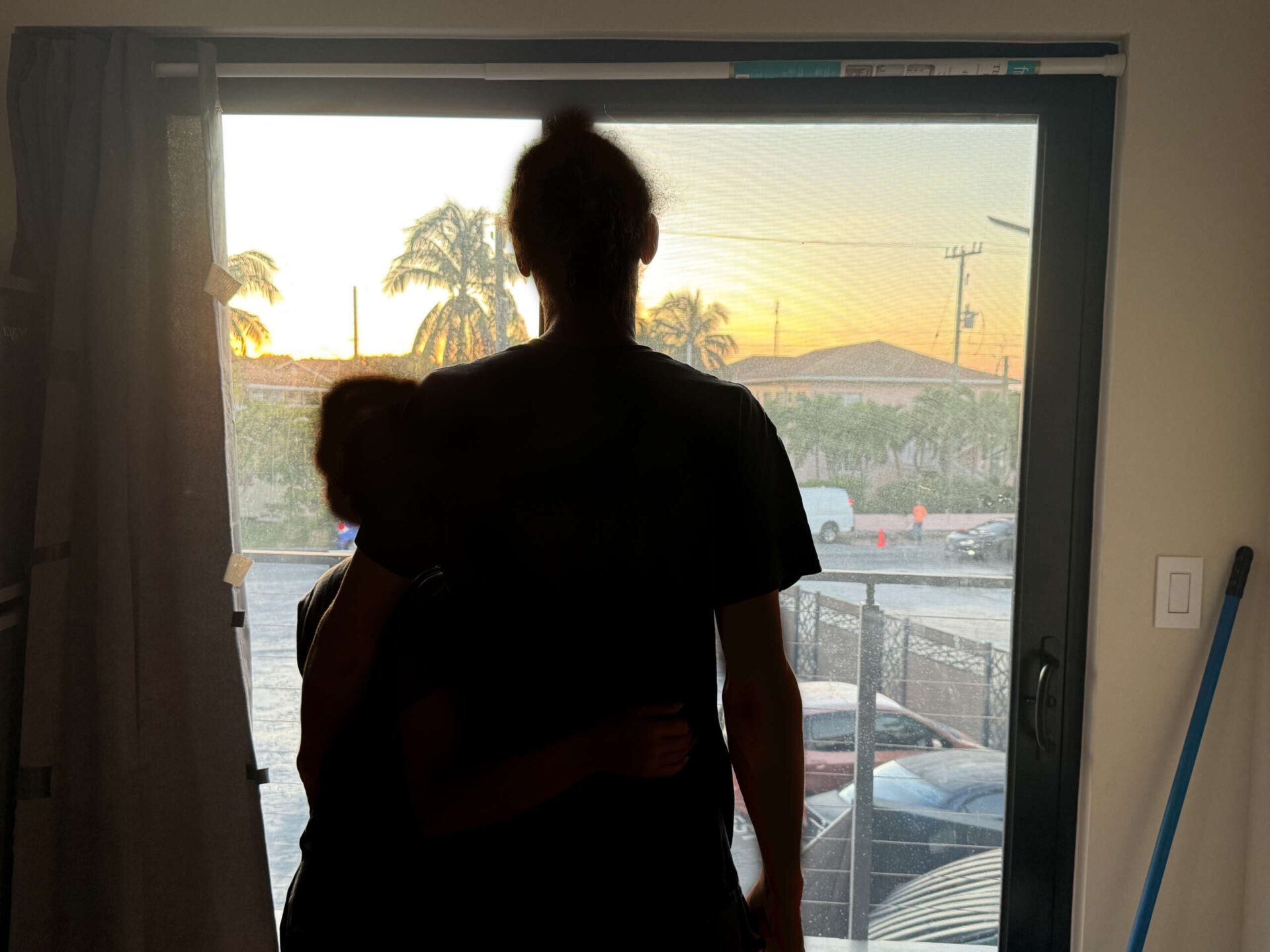
Once the story was published, Compass readers stepped up to assist. Two members of the community who read the article came forward to help, one offering an affordable two-bed apartment and another contributing financial support.
Not every such story has a happy ending. This family’s situation highlighted gaps in the law, where some families earn too much to qualify for government aid but too little to afford a suitable home in modern Cayman.
A slew of other issues – from provision of transitional housing and support for large families to proper enforcement of child maintenance payments from absent parents – are involved. The Compass aims to look deeper into these challenges and explore solutions to the growing mismatch between incomes and housing costs for families in Cayman.
Have a story we should investigate in 2026? Email [email protected].
Related Videos