Cuba is facing a new wave of challenges after announcing that it will no longer be able to process Visa and Mastercard payments from 6 June. The move comes as foreign companies continue to scale back their operations on the island and the United States expands sanctions against Cuban leaders, state-owned businesses and individuals linked to the government.
According to Cuba’s Central Bank, a foreign bank that handled Visa and Mastercard transactions for the country notified Cuban authorities on 2 June that it would end its relationship with Cuban financial services company FINCIMEX SA effective 6 June.
The bank said the decision was linked to President Donald Trump’s Executive Order 14404, which broadened US sanctions against Cuba and increased the risk for foreign banks and businesses dealing with sanctioned Cuban entities.
As a result, Cuba will no longer be able to receive payments for many goods and services through the Visa and Mastercard networks, creating additional challenges for businesses and international visitors.
“As a result of this decision, Cuba is unable to receive income from the sale of goods and services through internationally recognised cards such as Visa and Mastercard,” the Central Bank said.
The move comes amid a wider retreat by foreign companies operating in Cuba.
Foreign companies leaving
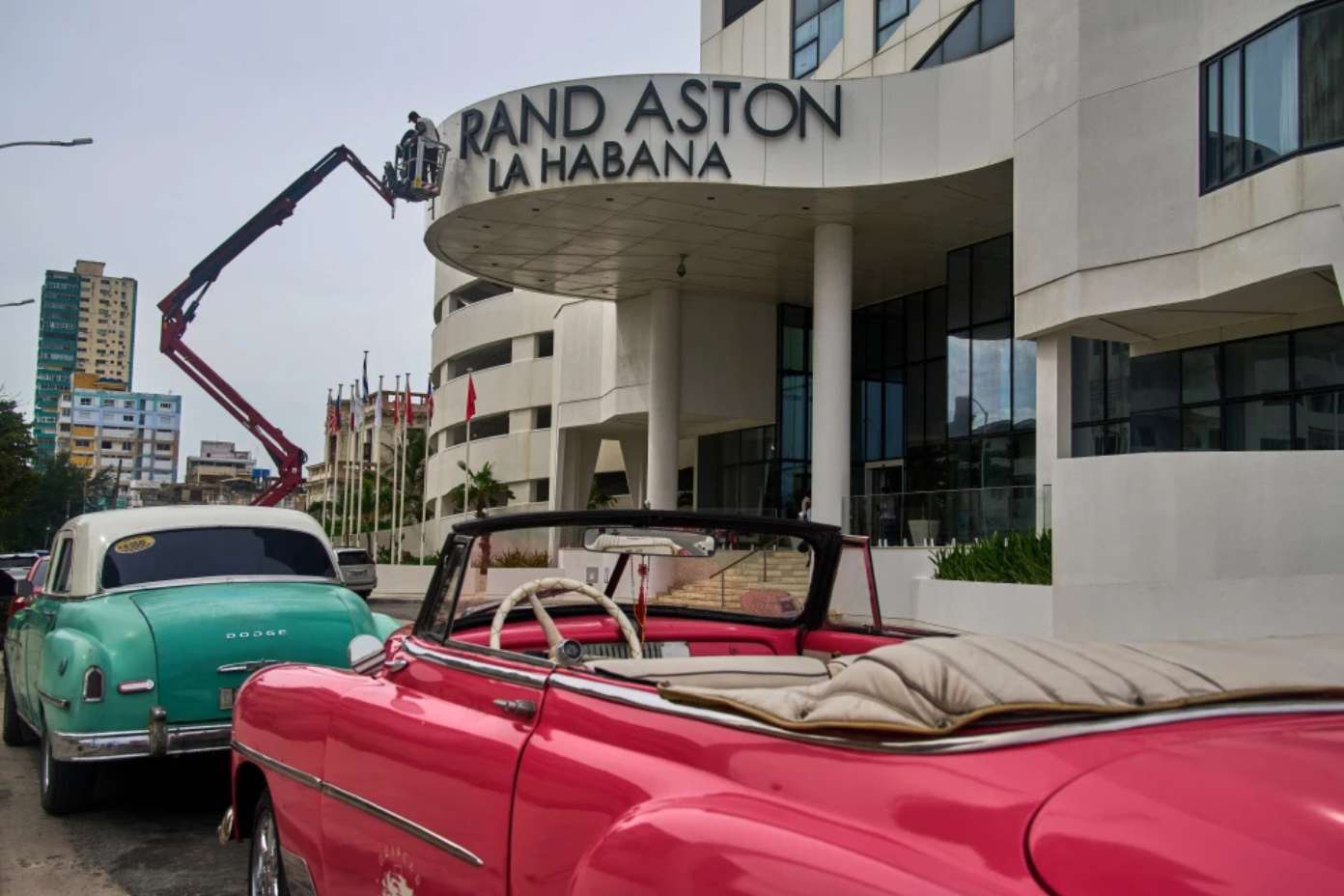
Spanish hotel chain Meliá, the largest foreign hotel operator in Cuba, recently announced that it will stop managing and marketing 15 of its 34 hotels on the island.
In a statement published by Cuban state media outlet Cubadebate on 3 June, the company said the decision was driven by “a sense of corporate responsibility and external factors that have significantly affected the operation, legality and safety of these establishments.”
Meliá is not alone. Spanish hotel group Iberostar has also scaled back its presence in Cuba, while Canada’s Blue Diamond Resorts and Indonesia’s Archipelago International have announced plans to exit the market entirely.
The withdrawals come amid tighter US sanctions targeting businesses linked to Grupo de Administración Empresarial SA (GAESA), a military-controlled conglomerate that plays a dominant role in Cuba’s economy.
Washington alleges that GAESA controls some of the country’s most profitable industries, including tourism, remittances, financial services and logistics, and that the revenues generated ultimately benefit Cuba’s military and senior government officials.
As sanctions expand, many foreign companies appear increasingly reluctant to risk exposure to entities connected to the group.
The developments are another blow to the tourism industry, one of Cuba’s main sources of foreign currency. Official figures show international arrivals fell sharply during the first four months of 2026, with 328,608 visitors recorded, 55.8% fewer than during the same period last year. In April, arrivals plunged 82% year-on-year to just 30,551 visitors.
US sanctions Cuban president
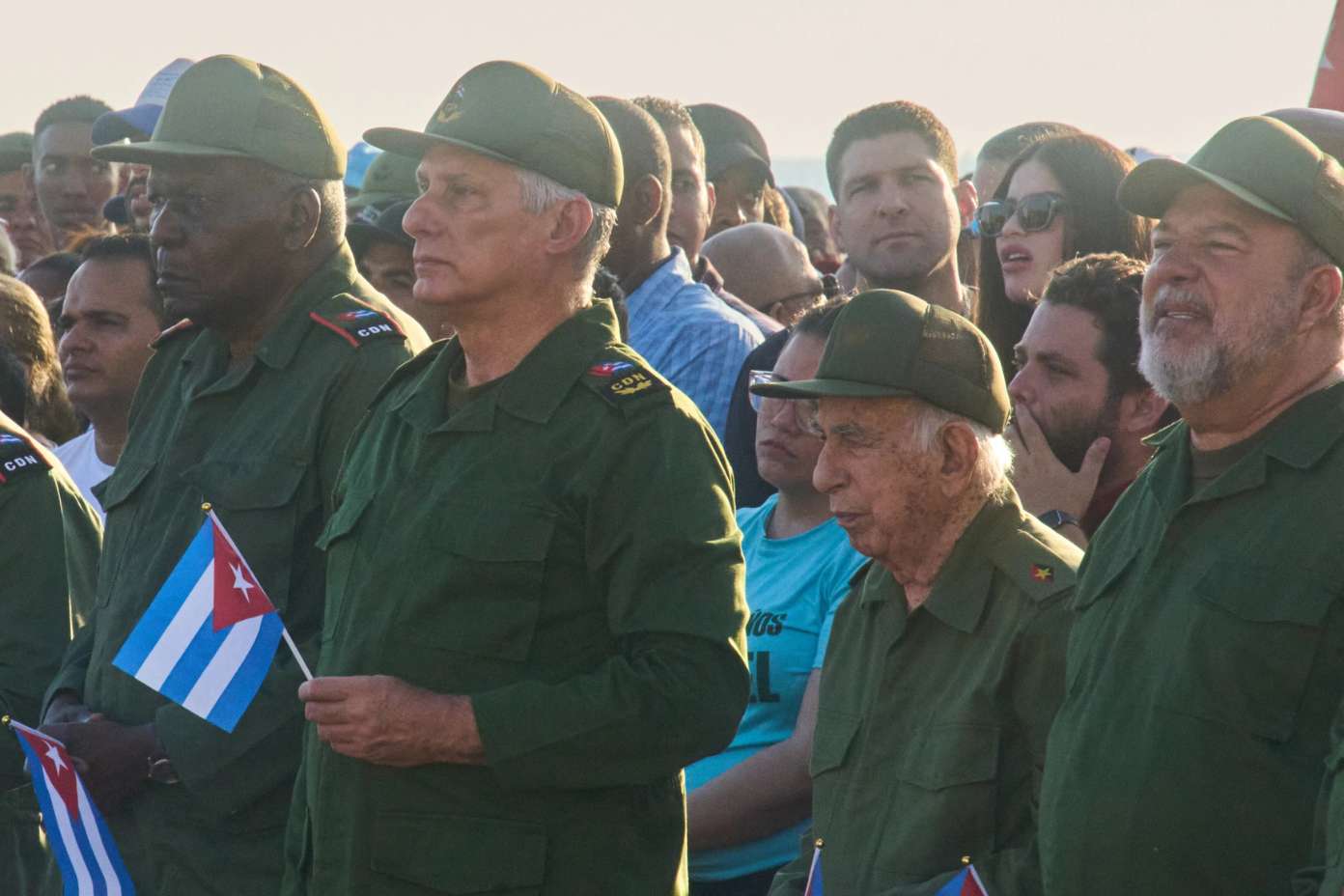
The pressure on Cuba intensified further on 4 June when the Trump administration announced a new round of sanctions targeting Cuban President Miguel Díaz-Canel, members of his family and several government-linked organisations.
The measures affected entities including the Ministry of the Revolutionary Armed Forces, the Cuban Institute of Friendship with the Peoples, Amistur Cuba SA, the Committees for the Defense of the Revolution and mining company Minera La Victoria SA. Washington said it was targeting “the network that enables and funds Cuba’s subversive and radical operations.”
US Secretary of State Marco Rubio warned that foreign companies and financial institutions dealing with sanctioned entities could also face penalties. “Anyone providing services to these sanctioned actors is at risk of sanctions themselves,” Rubio said, urging banks and businesses to cease such activities.
Havana condemned the measures. In a social media post, Díaz-Canel accused Washington of seeking to tighten the decades-old US embargo and inflict further hardship on ordinary Cubans.
“The President of the United States makes new threatening statements against Cuba,” said Díaz-Canel, contending that the sanctions were intended to “harm the Cuban people.”
The sanctions are the latest step in a broader campaign launched by the Trump administration since returning to office.
In recent months, Washington has expanded sanctions, targeted fuel supplies linked to the island, imposed restrictions on entities associated with GAESA and re-designated Cuba as a state sponsor of terrorism.
The campaign has also pursued legal action related to the 1996 Brothers to the Rescue shootdown involving former leader Raúl Castro, sought to curtail Cuba’s overseas medical missions and introduced measures that have contributed to the suspension or reduction of some international air links with the island.
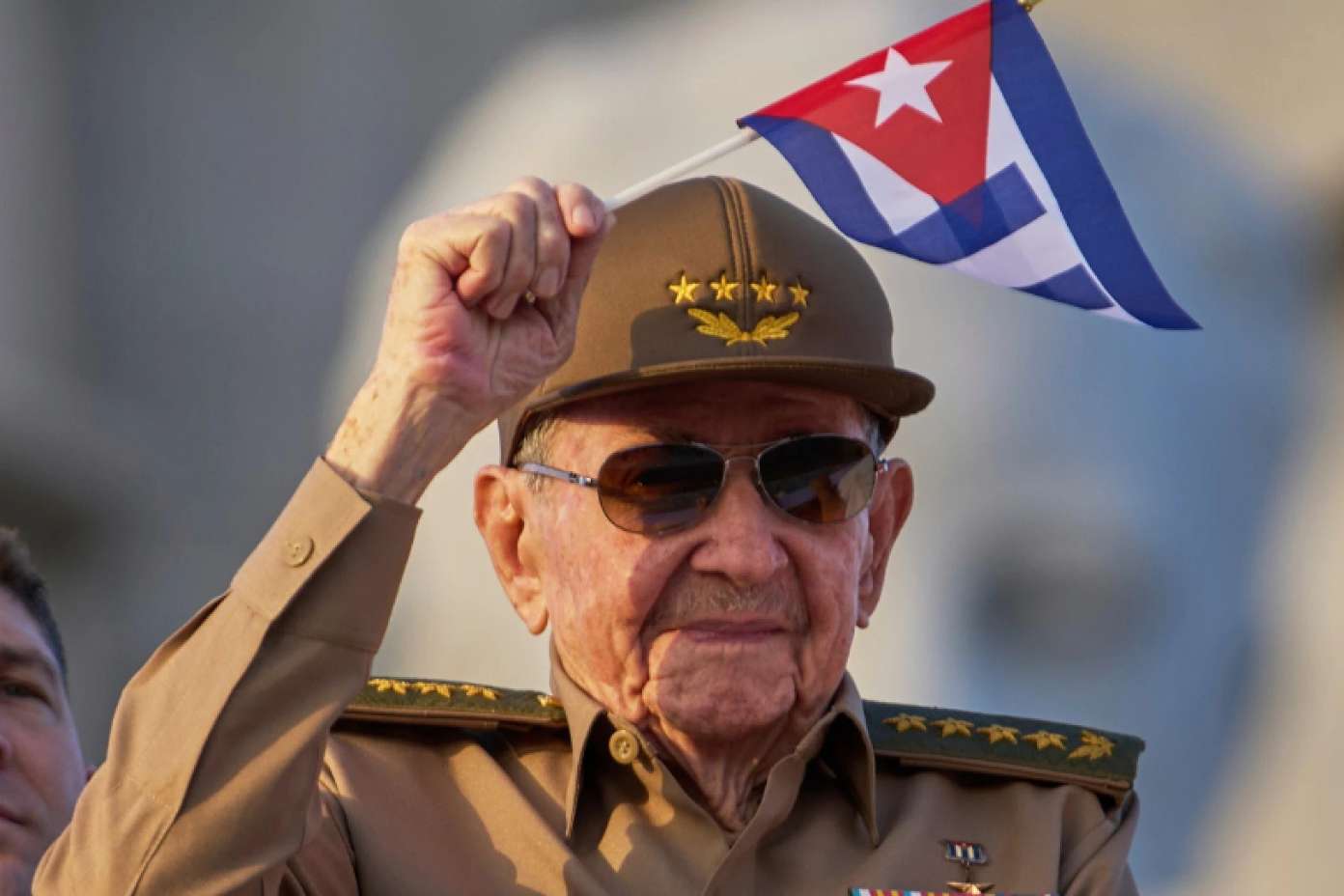
The increasingly confrontational approach has fuelled speculation about how far Washington may be willing to go, including whether the US could ultimately consider military action against Cuba.
The US has stepped up military surveillance flights around the island, gathering intelligence on Cuban military capabilities.
Speaking at the White House on 4 June, Trump described Cuba as a country that had “sort of collapsed.”
“The country is starving and it’s got no energy, it’s got no oil, it’s got no money, it’s got nothing. It’s got a beautiful piece of land. You could have beautiful resorts,” Trump told reporters.
China responded to US actions on 4 June, accusing Washington of using “invented allegations” to justify its actions against Havana and called on the United States to end what it described as coercive measures against the island.
Related Videos