

By Melissa Quinn
In my earlier column, I shared how the Cayman Islands has become the wellness capital of the Caribbean, with an extraordinary concentration of offerings relative to its population.
When I explored why, I found that wellness business owners choose Cayman for various reasons, one being the disposable income of its residents, coupled with the rise of longevity, a conversation increasingly dominated by high- and ultra-high-net-worth individuals.
From my own experience, conversations around wellness often seem exclusive to those with access. Access is directly related to the margin available in an individual’s life. Margin is found in time, money, safety and choice and is, in many ways, the very essence of luxury.
Consider people living in developing countries, including many of our Caribbean neighbours. They may be more concerned with work, spending hours travelling to and from it, or what they will feed themselves and their families that very day. Those living without the luxury of margin are not concerned with cold plunges, saunas, reformer Pilates classes or wellness clubs. Those of us living on one of the most affluent islands in the world must remember that these things are luxuries. They are not human rights.
When we speak about nervous system regulation and healing, we must remember that meaningful opportunities for both are often reserved for those privileged enough to access supportive practices in the first place. Many people, even those living on our affluent island, do not have consistent access to safety. For some, survival mode is not a wellness buzzword. It is a way of life.
When someone lives in survival mode, their nervous system remains activated. Consciously or subconsciously, they are continually anticipating danger, whether that comes in the form of food insecurity or physical, emotional, psychological or spiritual harm. A nervous system that remains in survival mode does not equate to personal failure; it may simply mean that an individual does not have a soft enough life to feel safe. It is not a lack of discipline. It is biology.
When life never lets up, the body never rests and resilience is forced.
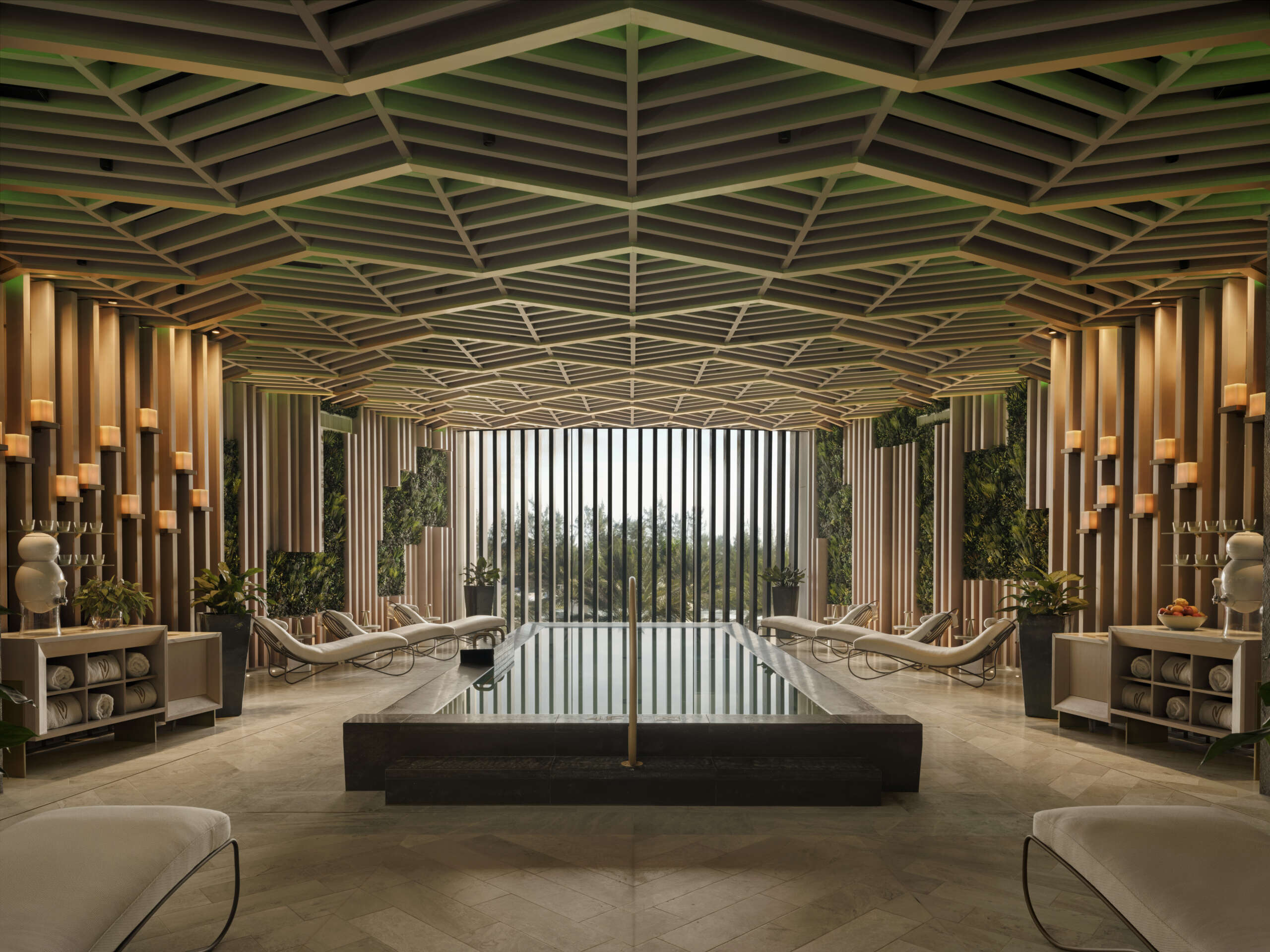
So, when we look around the wellness spaces some of us frequent in Cayman, we must acknowledge an uncomfortable truth: Privilege shapes these spaces. They are a direct reflection of the people who can afford to participate in them.
Does this mean that healing, nervous system regulation and wellness are reserved for the privileged? The way the wellness industry looks today, absolutely.
Look at who is creating many of these spaces. Look at who can afford to access them. Look at who has the time to attend the 10am reformer Pilates class, plunge into ice afterwards, sit in a sauna, book the massage, buy the supplements, optimise their hormones and then tell the internet that healing is available to anyone willing to do the work.
It is impossible not to see the reflection of First World privilege staring back at us.
Once we see wellness for what it is, we can no longer blindly celebrate a regulated nervous system, long lean muscle tone, thinness and endless optimisation as badges of honour. We have to ask harder questions.
Was it discipline? Healing? Hard work? Or did someone simply have enough money, time, safety and choice to make wellness possible?
Perhaps the most uncomfortable truth about modern wellness is that what we celebrate as discipline is often access. What we praise as healing may simply be safety. What we admire as a perfectly regulated nervous system could be the biological reflection of a life with enough margin to finally exhale. That is privilege in its rawest and truest form.
Melissa Quinn is a yoga educator and wellness entrepreneur with 24 years of experience. She specialises in transformative teaching and holistic health education.
Related Videos











It costs nothing to go for a walk or a run. Or even a swim in this enormous swimming pool within minutes from our homes, the sea.
It costs nothing to cut out eating ultra processed food and eat more vegetables and fruit.