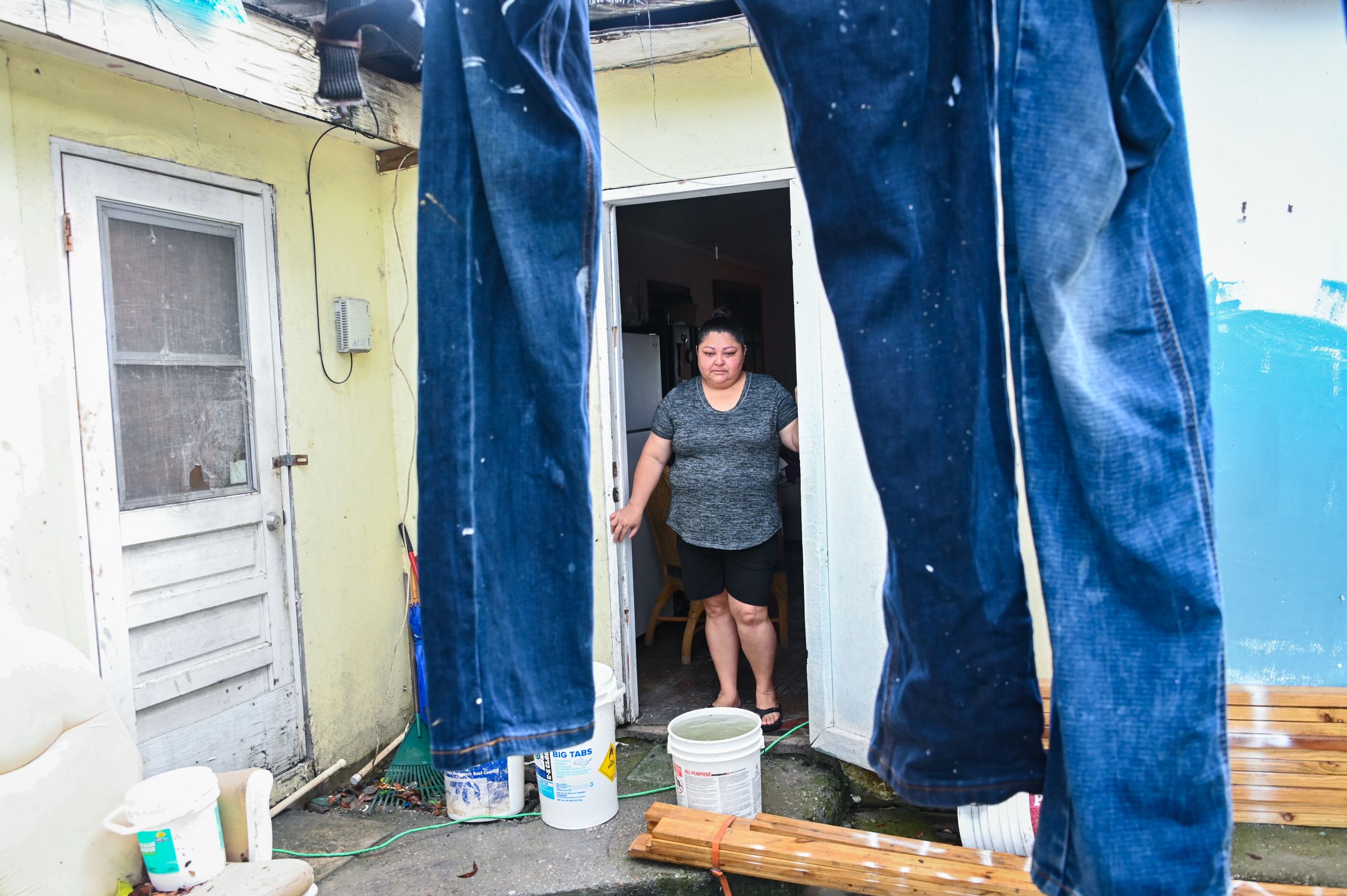
Rain splashed into the overflowing buckets placed around the home on Sound Way.
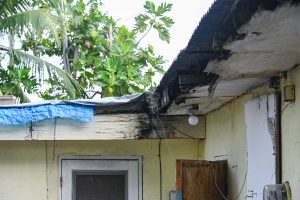
It dripped from the holes in the roof and seeped through the plywood floorboards.
The mattress where 15-year-old Justin Diaz Wright slept, at the foot of his mother’s bed, was covered with towels to soak up the moisture but somehow the damp always found a way through.
The boy wasn’t alive when waist-high water from Hurricane Ivan swept through the home in 2004, but he has suffered the consequences his whole life.
“We were able to move back to the house before he was born but everything was destroyed,” his mother Maria Diaz Wright told the Cayman Compass.
After the storm, the family was able to clean up the property, slowly replace some of the damaged furniture and make it livable. But time and lesser storms through the years took their toll on the weakened structure.
“The water comes through the roof. My son is already grown up and he has to sleep on the floor and often gets wet,” she said.
The Cayman Compass visited the home on a rainy day in May, along with ARK, which was about to begin a major renovation of the property.
There are hundreds, if not thousands, of homes like this across Grand Cayman, according to the charity’s founder Tara Nielsen. Many of them still bear the scars from Ivan.
But the storm simply compounded an underlying problem for the families that ARK tries to assist – poverty and ill-health.
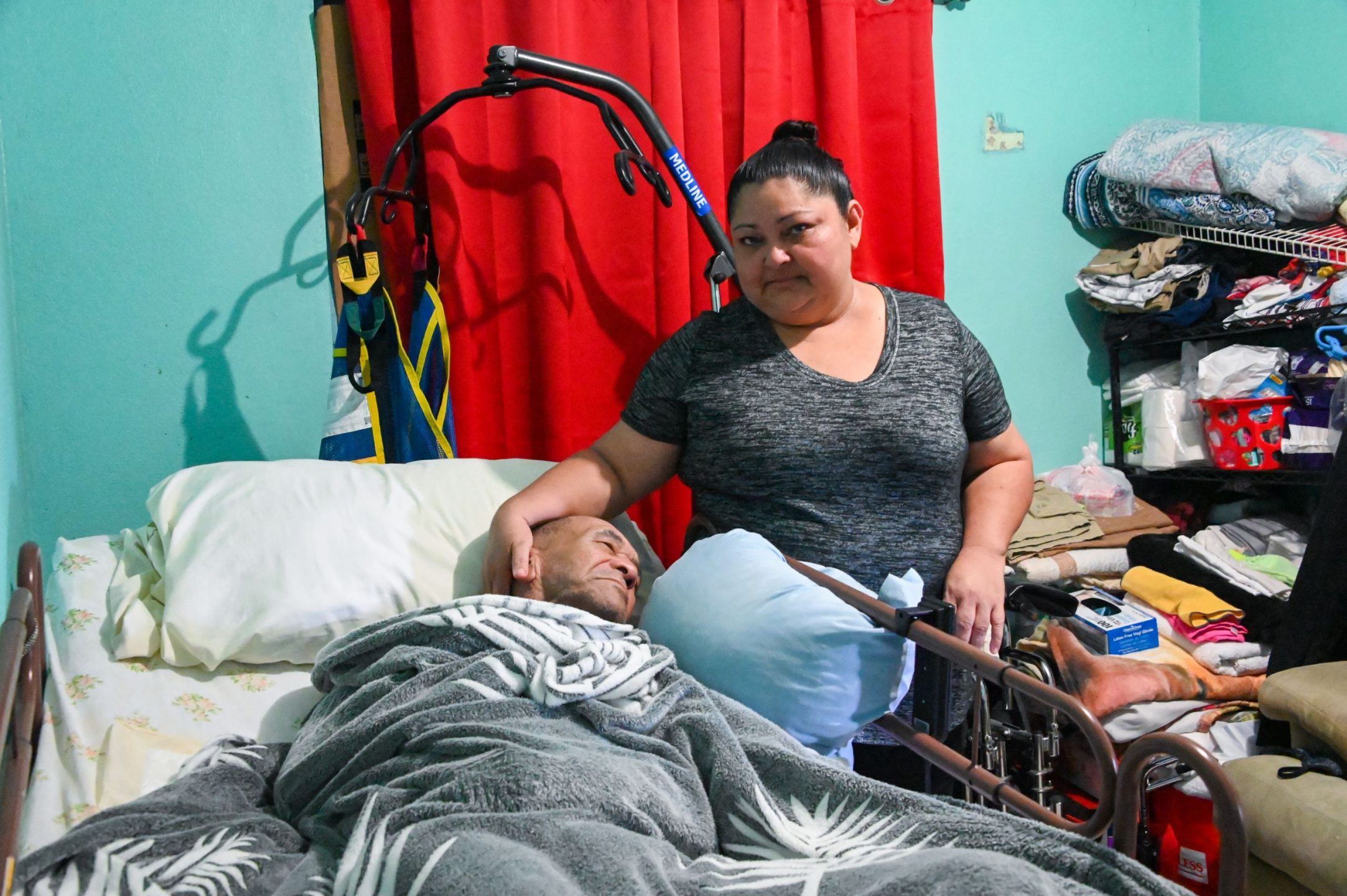
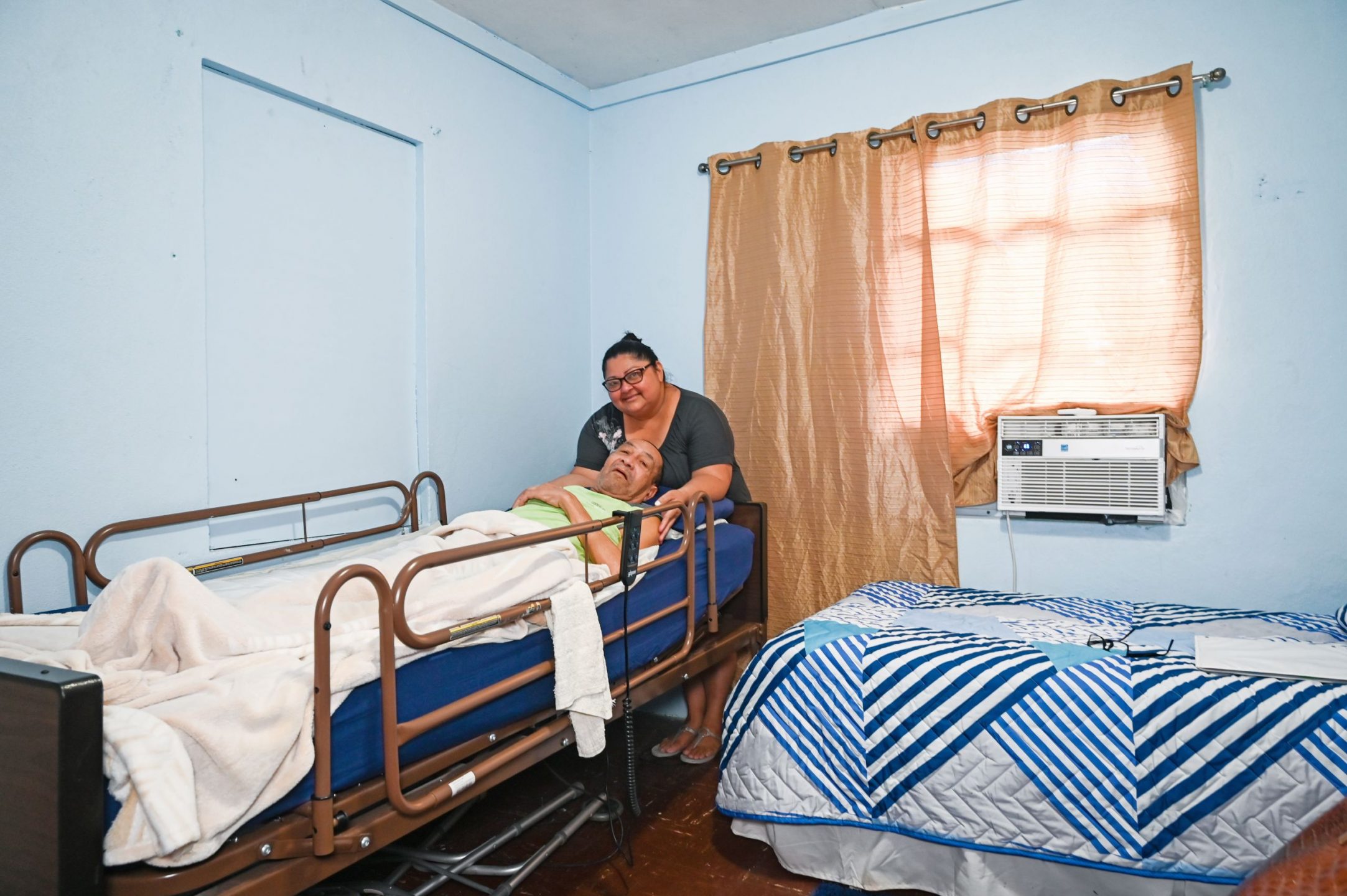
Diaz Wright’s husband, Hiram, is seriously ill after suffering multiple strokes. He is unable to walk and sleeps in a hospital bed.
The shower at the home was not functional and Diaz Wright had to bathe him in the shared living space.
The kitchen had become a health hazard.
“It is in very bad condition. I try not to think about it, but cooking in there runs a lot of risk,” she told us in May.
The cost of home repairs or new appliances is not something that is within the family’s budget.
“I have tried but it cannot be done,” she said.
“The little money I have is spent on food or supplies the children need at school.”
Transformation
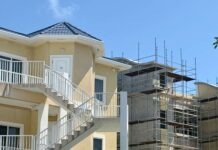
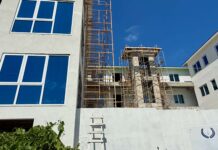
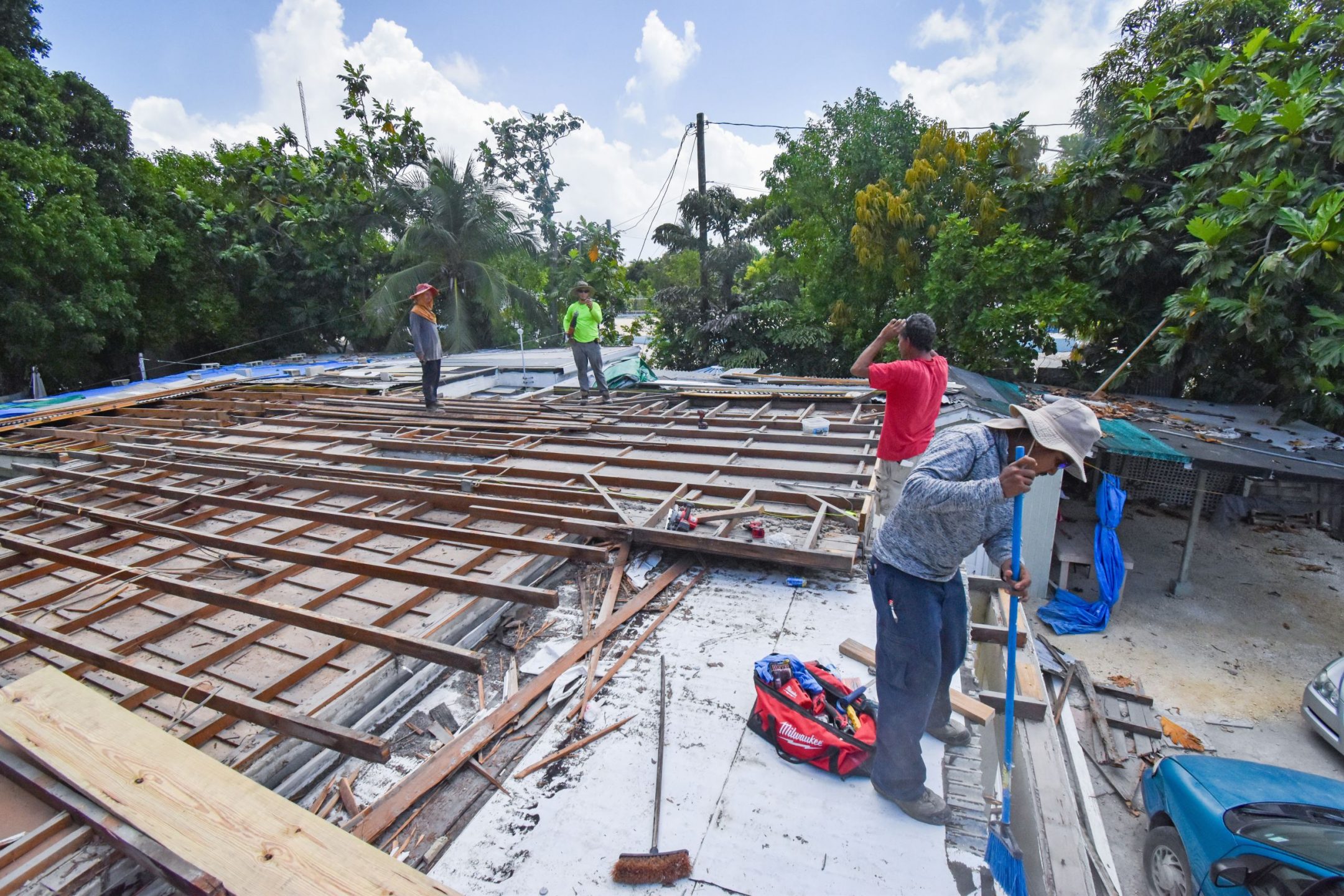
Shortly after our visit, ARK found temporary rental accommodation for the family and began the process of transforming the property.
The roof has been replaced, the bathroom and kitchen have been upgraded and the home has undergone a total renovation.
“Everything has changed,” Maria told the Compass as she showed us around this week.
Her son has a proper bed in a room of his own, the kitchen is fixed and functional and, for the first time in years, the only water flowing into the home comes from the disabled-accessible shower.
Two days after they moved back into the property, she recalls, “At night it started to rain and my husband turns to see me and he looks at me scared and he says to me, ‘Maria, go get the pots for the rainwater’, and I look at him and say ‘No, Papi, we don’t have to do that any more, the roof is fixed, we will no longer get wet, everything is fine now’.
“It is a great peace to be able to see my son and know that he is not getting wet and that my husband is sleeping peacefully.”
A happy ending is in sight for the family.
It is gratifying for ARK and their partners to see progress, but there are many more people in a similar situation, warns Nielsen.
Cayman’s Hidden Housing Crisis
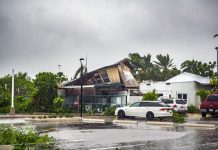
Almost two decades after the Category 4 hurricane, Ivan’s ghost still haunts homes across Cayman.
“The extent of the problem is chronic, says Nielsen.
“I’ve seen many houses over the years that were flooded, and families weren’t able to fix it.”
In many cases, she said, emergency funding was used to replace fallen walls or roofs, but there was not enough money to go round and patchwork fixes have not stood the test of time.
“The houses get worse and worse after every storm, every rain. With the cost of timber and plumbing parts and everything, it’s almost impossible, it’s insurmountable, so the houses just get in poorer and poorer condition.”
Related Videos