

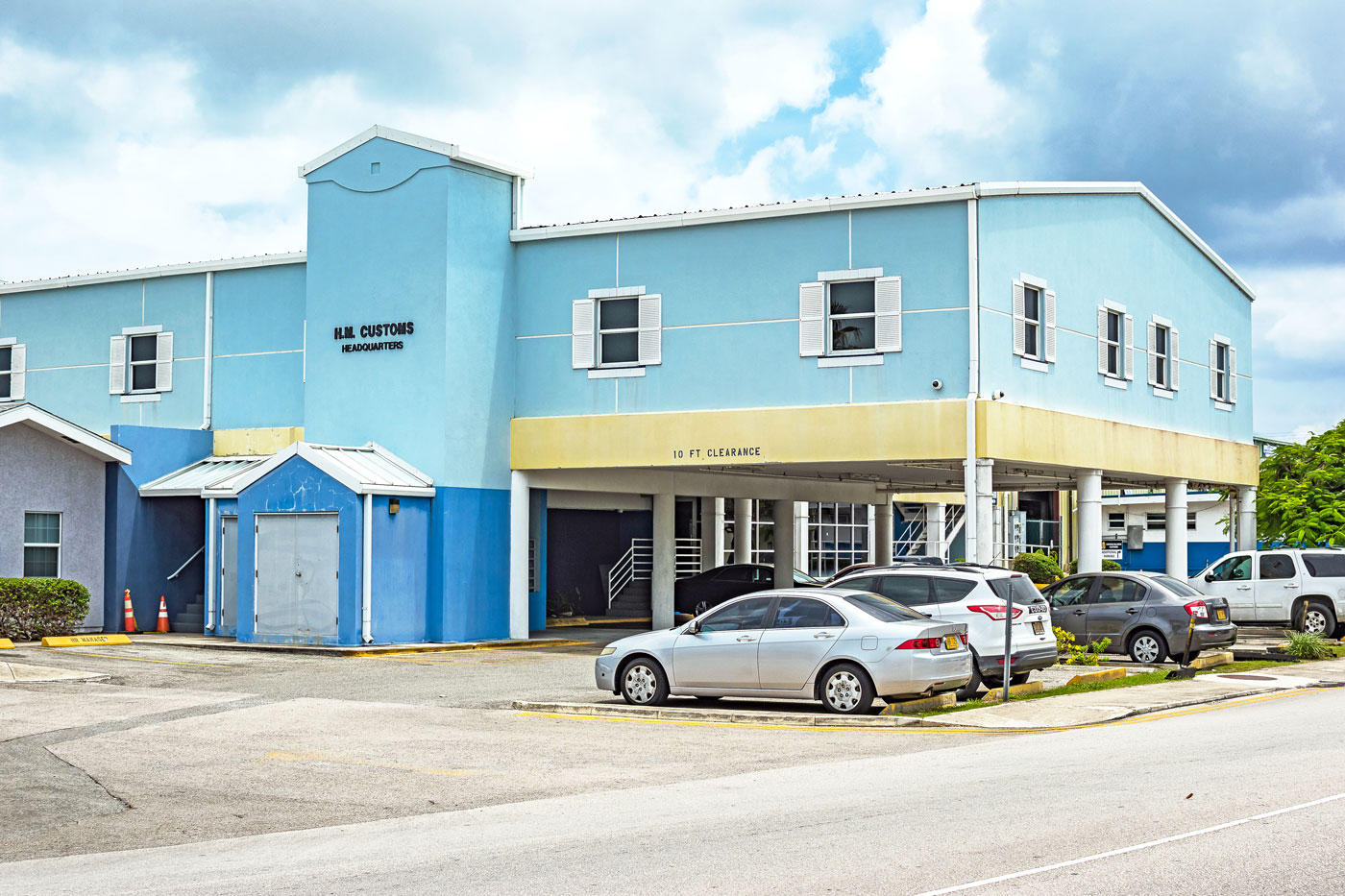
A former Customs and Board Control officer has won a lawsuit against CBC for an undisclosed amount after the Grand Court ruled the department was responsible for health complications that forced her into early retirement.
The civil proceedings were initiated by Herfa Robinson, on 17 Jan., and on 15 Feb., Acting Justice Alistair Walters ruled in her favour.
Robinson, 51 began working with CBC in Nov. 2001, as a tally clerk. Her primary duties involved processing goods which arrived by air cargo and internal filing for CBC.
According to court documents, Robinson began experiencing health problems in or around 2013 and during that time “within 30 minutes of arriving to work her throat would become sore, there would be a burning sensation and her voice would become hoarse”.
The cause of her illness was discovered to be an extensive mould infestation throughout several areas of the CBC building.
The court documents revealed that Robinson complained to her supervisors about her symptoms and, when nothing was done, she made no further complaints out of fear of losing her job.
When her condition worsened, she consulted a doctor who wrote to CBC advising them of her illness and asking that steps be taken to either remedy the mould problem, or that Robinson be provided with protective gear to wear at work. The documents state that these requests were not acted upon.
Eventually, Robinson was diagnosed with throat complications which required her to undergo surgery, and, in February 2018 she retired, early, from CBC on medical grounds.
In October 2016, she issued a brief legal challenge, which was withdrawn after she was refused legal aid. Then, in October 2020, she filed to have the lawsuit reinstated.
Robinson’s case
Robinson claimed compensation for general and specific damages, of an undisclosed amount.
The writ reads in part, “[T]he Defendant (CBC) was negligent in failing to ensure her health and safety at work by exposing her to conditions that they knew or ought to have known were detrimental to her health and by failing to provide her with protective equipment”.
When petitioning the court, Robinson’s attorney acknowledged that based on the current Limitation Act (1996 Revision), her right to seek a claim had expired on 12 Oct. 2019 – more than one year after she filed to have the lawsuit reinstated.
The Limitation Act sets out a three-year time span in which a person is able to sue the government for some form of damages.
Robinson’s attorneys called on the court to use its discretion and set aside the limitation, which was in its powers to do.
When filing its defence to the legal challenge, Government claimed it could not be held liable for Robinson’s health complications because it fell outside the allotted time allowed by the Limitation Act.
The court ruling
When returning his decision, Justice Walters said, after considering the relevant facts, he believed there was enough evidence to support the court’s use of its discretion to set aside the Limitation Act and rule in favour of Robinson.
“I find that the Plaintiff has discharged the burden on her to show that the prejudice to her of allowing the Defendant to rely on its limitation defence would far outweigh any prejudice to the Defendant if this action is allowed to continue,” wrote Justice Walters.
Related Videos













There have been hundreds if not thousands of lawsuits against Gov’t over the years, which they have lost, no to mention payments to civil servants dismissed without any reasons being given. Not once has Govt admitted what they had to pay out. Only in Cayman.