

The Cayman Islands needs a significant increase in school space, with the bulk of the growth expected to come from the private sector.
As many as half the islands’ children could be attending fee-paying private schools by the end of the decade, according to data analysis by the Cayman Current and the Compass.
There could be up to 2,000 new pupils entering the school system over the next 10 years, the analysis shows.
With immigration largely fuelling the islands’ population growth, and space restricted for children of non-Caymanians in government schools, the private sector is seeking to fill the gap.
But, despite significant new developments on the horizon, it is by no means certain that there are enough projects in the pipeline to ensure places for all children in Cayman.
And none of the plans currently on the table seek to thoroughly address long-held concerns about equality in education, or the fact that the children of expatriates and Caymanians do not mix in local classrooms.
Expansion plans
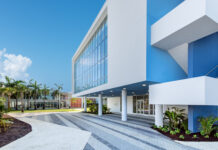
A recent expansion of the Cayman International School has seen capacity increase by around 300 places. But those spaces are almost all taken up and in some grade-levels there are waiting lists for new students. Jim Urquhart, the school’s director, told the Compass this week there is no more room to expand the campus.
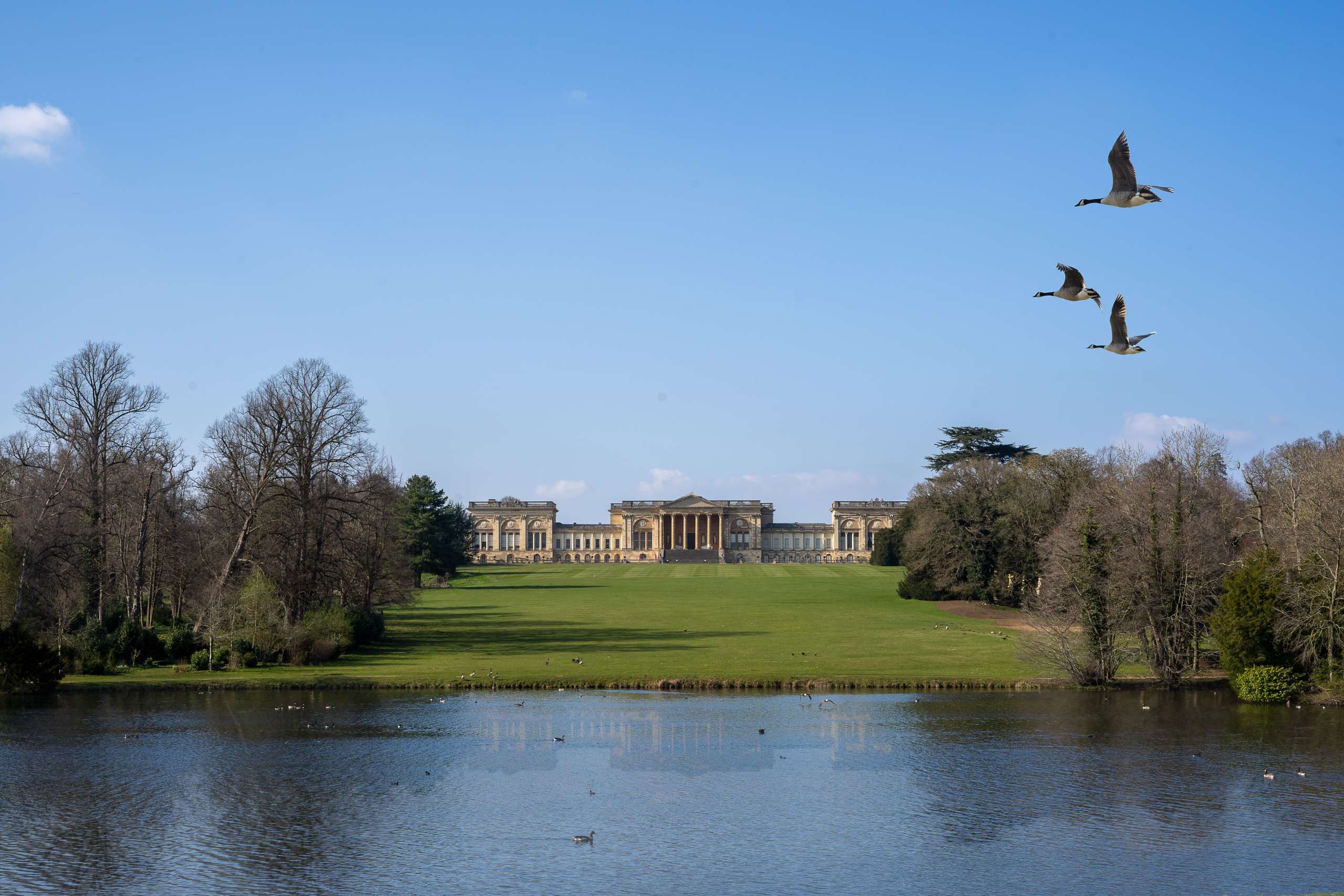
Meanwhile, Stowe School in England hopes to open an 800-pupil Cayman campus, with boarding capacity, in time for the start of the 2025 school year.
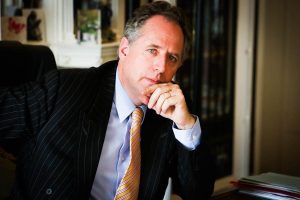
Anthony Wallersteiner, head of the Buckinghamshire boarding school, visited Cayman last month. He told the Compass on 23 Aug. that the school was finalising a financial feasibility study and scouting possible locations with a view to making an application to the Cayman Islands government for an operating licence.
“We had an amazing time and were completely bowled over by the warmth of the reception we received when we outlined our plans for a new independent school in Cayman,” he said.
“Everyone we met agreed that parents need more choice and the island is facing a squeeze on places for children at independent schools.”
The biggest current pressure is in the lower age ranges.
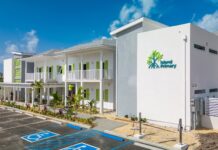
Island Montessori, which accommodates 150 students, is in the process of building a new ‘sister school’ called Island Primary with 350 places available.
Clare Thorpe, director and co-owner of the school, said demand had surged in recent years. Spaces for the 2023/24 academic year are already filling quickly at the existing school, with a waiting list for nursery classes.
Advertising has not yet started for the new school, but it will begin at 50% capacity purely from waiting lists from the school’s two other locations on island.
Currently, places at nursery level are so scarce that some parents reserve spaces for their children before they are born.
Government plans
The development of new fee-paying private schools decreases the burden on government, which invested more than $250 million in two new high schools over the past decade without significantly increasing capacity. Completing the John Gray High School project is the most significant infrastructure development on the horizon for government.
New classrooms at Red Bay and Edna Moyle Primary schools and new halls at Joanna Clarke and Theoline McCoy Primary School are also in the works.
The John Gray development additionally gives scope for re-use of the old campus and the current CIFEC headquarters. The current plan involves relocating CIFEC to the old John Gray site.
Acting Chief Officer Lyneth Monteith told the Compass the various projects “aim to increase schools’ capacity to accommodate the growing population in those communities where they are located”.
Equality of access
While the development of new schools – private- or government-owned – is seen as essential, some believe Cayman could be missing an opportunity to reform and integrate the school systems as it grows.
Cayman has, by default, developed a segregated school system, with the children of expatriates, who are effectively barred from free public education, attending private schools.
This has led to concerns about mixed outcomes and opportunities for Caymanian children who can’t afford a private education.
Woody Foster, of Literacy is for Everyone, said public schools had made great strides over the last decade, but greater creativity on new capacity is needed.
Foster helped spearhead a proposal for integrated ‘charter schools’ in Cayman, to be run by an independent board, with government partially or fully funding places for Caymanian students.
That model, he said, was focused on improving standards through granting greater autonomy to schools to hire teachers and leaders and organise their own curriculum, including a greater focus on Technical and Vocational Education and Training, and different ways of learning.
The proposal was rejected at the time, but he believes partnerships of this kind should be revisited as Cayman adds capacity for new students.
While he welcomed the potential arrival of the Stowe School, he said the fees were likely to be prohibitive for middle-class parents.
Even the cheaper private schools, at around $15,000-a-year, are expensive for expats and locals alike, he said.
The risk of leaving new school development to the private sector, he warns, is that the best financial model for private investors will likely target the wealthier demographic, leaving middle-class parents struggling to keep up.
While he cautions there is no obvious cost-effective solution, he believes the government and the private sector should liaise on new schools that are accessible to all and blend Caymanians and expats in the classroom.
Recruitment challenges
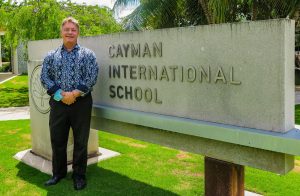
Urquhart, of Cayman International School, agrees that a new dynamic is needed.
He said Cayman is increasingly cost-prohibitive for a cohort of professionals, including those in healthcare, education and media, for example.
Even attracting and keeping teachers is a challenge,
because of the cost of living – including school fees.
At the same time, he said CIS had to charge enough to attract the best talent and keep the school at the cutting edge.
He said the Camana Bay-based school has no more room to grow.
Building new private schools will take time and expense. In the interim, he said, a staggered school day could help free up new capacity
Stowe aiming to create ‘premium education destination’
It’s too early to say what the fee structure would be for the Stowe School, but Wallersteiner points to the UK campus’ fees, of $40,000-a-year for boarders and around $25,000-a-year for day students, as a likely guide.
He said the aim is to create a “premium education destination” in the Caribbean, potentially attracting students from across the region.
“One of the biggest obstacles to talent acquisition on Cayman is the lack of independent school places. We spoke to a number of highly placed people in government, finance, law, insurance, fin-tech and the creative industries – there is a consensus that Cayman will continue to flourish if it can attract the brightest and the best from around the world,” he said.
“This can happen if Cayman has a world-class school which enables children to develop their full potential in order to become the best version of themselves.”
He said Stowe Cayman would seek to create opportunities for less wealthy Caymanian children through the schools ‘Change 100’ programme, which seeks to provide fully-funded places to qualifying students.
“We want Change 100 to play a transformative part in the life of Stowe Cayman, providing life changing opportunities for deserving children from Cayman and beyond. The intention is to set up an endowment which creates one free place at Stowe Cayman for every ten full-fee paying pupils.”
Related Videos










The government should allow non-Caymanians to attend public schools for a fee that covers the additional cost. This would help those of less wealthy families and also possibly increase the performance level of the students and classes.