

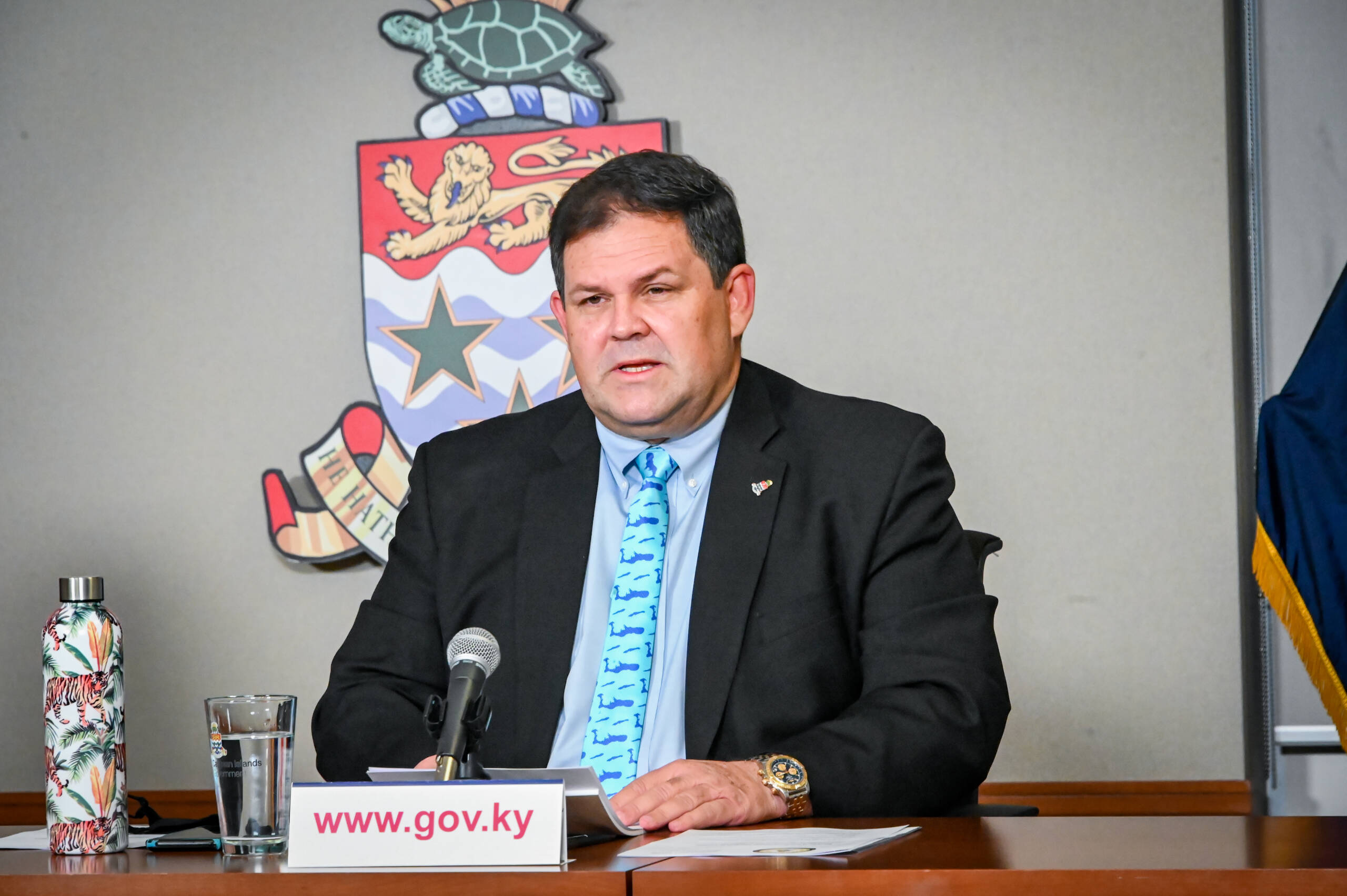
Premier Wayne Panton has defended the government’s decision to implement regulations aimed at protecting native species by controlling invasive animals and plants in Cayman, that has been met with widespread criticism by animal charities and pet lovers.
He also denied that the government had “blindsided” the Cayman Islands Humane Society with the release late last year of the National Conservation (Alien Species) Regulations.
The regulations, which were gazetted on 3 Nov., outline measures to control alien species to reduce the threat on native flora and fauna, including banning the release into the wild of feral animals that have been trapped for neutering purposes, and the feeding of alien and invasive species in the wild.
In a response to a letter from the Cayman Islands Humane Society calling for the regulations to be revised, Panton denied the charity’s assertion that the new rules regressed animal welfare on the islands.
“Despite providing mechanisms for the control and management of invasive alien species, it is clear from the Regulations that their primary purpose is to prevent the establishment of invasive species in the first place,” Panton said in his response letter.
He added that these regulations do not directly relate to animal welfare, which is dealt with under the Animals Act.
Panton: Four years of discussions were held
The Humane Society and other animal charities have said they were not consulted by government before the regulations were released.
But Panton insisted in his letter, released publicly Thursday evening, that this was not the case, and referred to a legal challenge by the Humane Society and Feline Friends to a planned cull of feral cats on Little Cayman in February 2018.
He said, after this, there had been four years of “face-to-face discussions and written exchanges of views with your organisation, [which] led to a negotiated settlement of the litigation which allowed the Government to proceed with the trapping of feral cats and the promulgation of these Regulations”.
He added, “Notably, advice received from you as a member of the Department of Agriculture’s Animal Welfare Committee helped to inform their development of the Regulations. Therefore, it is unfortunate that you have deliberately framed the Regulations as something that blindsided your organisation.”
Trap-neuter-release ‘not feasible’ to control cat population
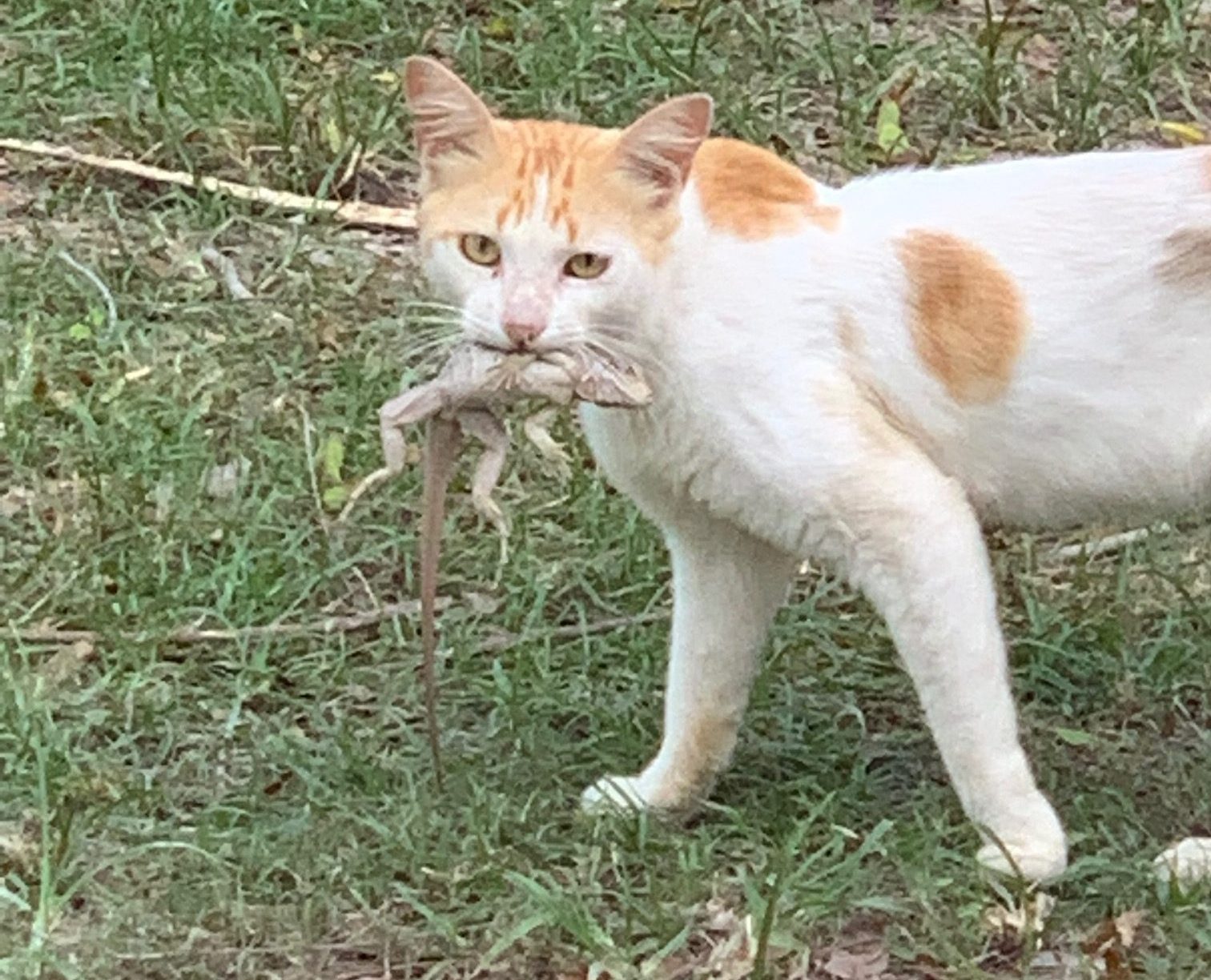
Animal charities on island have criticised a provision in the regulations that bans the release of feral animals back into the wild after they have been trapped and sterilised, saying, in the absence of any other controls, this will likely lead to a sharp increase in the feral cat population.
The Department of Environment has said there are currently no plans for a cull of feral cats on Grand Cayman.
A cull of feral cats was carried out in Little Cayman last year, in an effort to protect endangered native species, including red-footed boobies and juvenile Sister Islands rock iguanas, from the roaming felines. Another cull is under way on a remote part of the Bluff on Cayman Brac, where brown booby birds nest. Cats are being blamed for a decline in the number of booby fledglings there.
Panton said in his letter to the Humane Society, in light of “extensive scientific evidence and literature”, trap-neuter-release (TNR) programmes were “not a feasible way to address the overpopulation of feral cat colonies across the Cayman Islands”.
He noted that on islands, where most species have evolved without the presence of felines, “the impact of feral cat predation has resulted in direct extinctions of mammals, reptiles and birds”.
He pointed out, “Of the 129 feral cats captured [in Little Cayman] since 2007, only seven feral cats (two in 2007 and five in 2023) were spayed/neutered. This is a very strong indication that the TNR efforts in Little Cayman have not penetrated the broader feral population of cats there, leaving those animals to not only predate on the young of several regionally and internationally important species, driving their populations into drastic declines, but to also live short and miserable lives in the wild, which raises several serious animal welfare issues.
“It is for these reasons that the Government will not entertain the application of TNR as a population control method.”
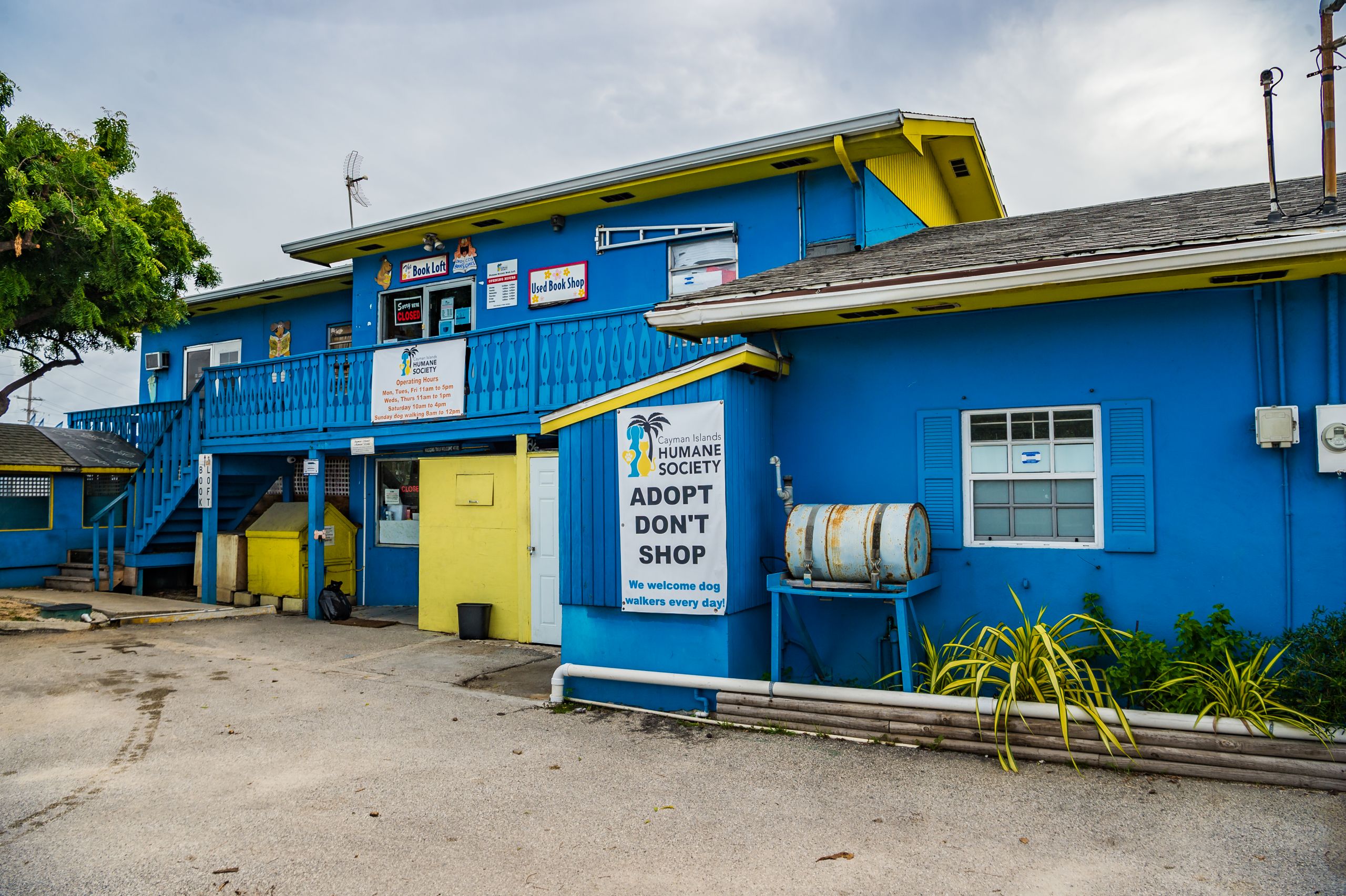
Panton said the Humane Society had been invited to observe the trapping and culling of feral cats on Little Cayman in June 2022. “No communication was received from you alleging inhumane treatment or expressing any animal welfare concerns at that time,” he wrote in his letter.
He said he hoped the Humane Society would be open to a “constructive dialogue” on promoting responsible cat ownership – by keeping pets inside – and an effective feral cat population-control programme to reduce the threats the animals pose to native species.
The Humane Society has said that it has always been its policy to encourage people to keep their pet cats indoors.
The premier, who said he has cared for four dogs – including three rescues – one rescue cat and a parrot, among others, over the years, acknowledged “how emotionally charged and sensitive this subject can be”, and added that he took no pleasure in the “hard decisions” that have had to be made to protect native species on the islands.
Read the premier’s letter to the Humane Society.
Read the Humane Society’s letter to the premier.
Related Videos









I can’t understand why cat-or dog-lovers think that their pets are more important than wild animals.
I agree that those people’s children should run feral but that’s as far as I can go..
Humans have much to learn, but the planet has so little time. Please help.
Cancelling the trap/neuter/release programme is the exact OPPOSITE of what they need to do if they truly want to reduce the number of ferel cats & dogs and protect the endangered species. Allowing them to breed and have more kittens & puppies who will all be hungry means they will be killing wildlife to survive. It’s just plain idiotic and defies all logic to cancel it.
Could vote him out…..