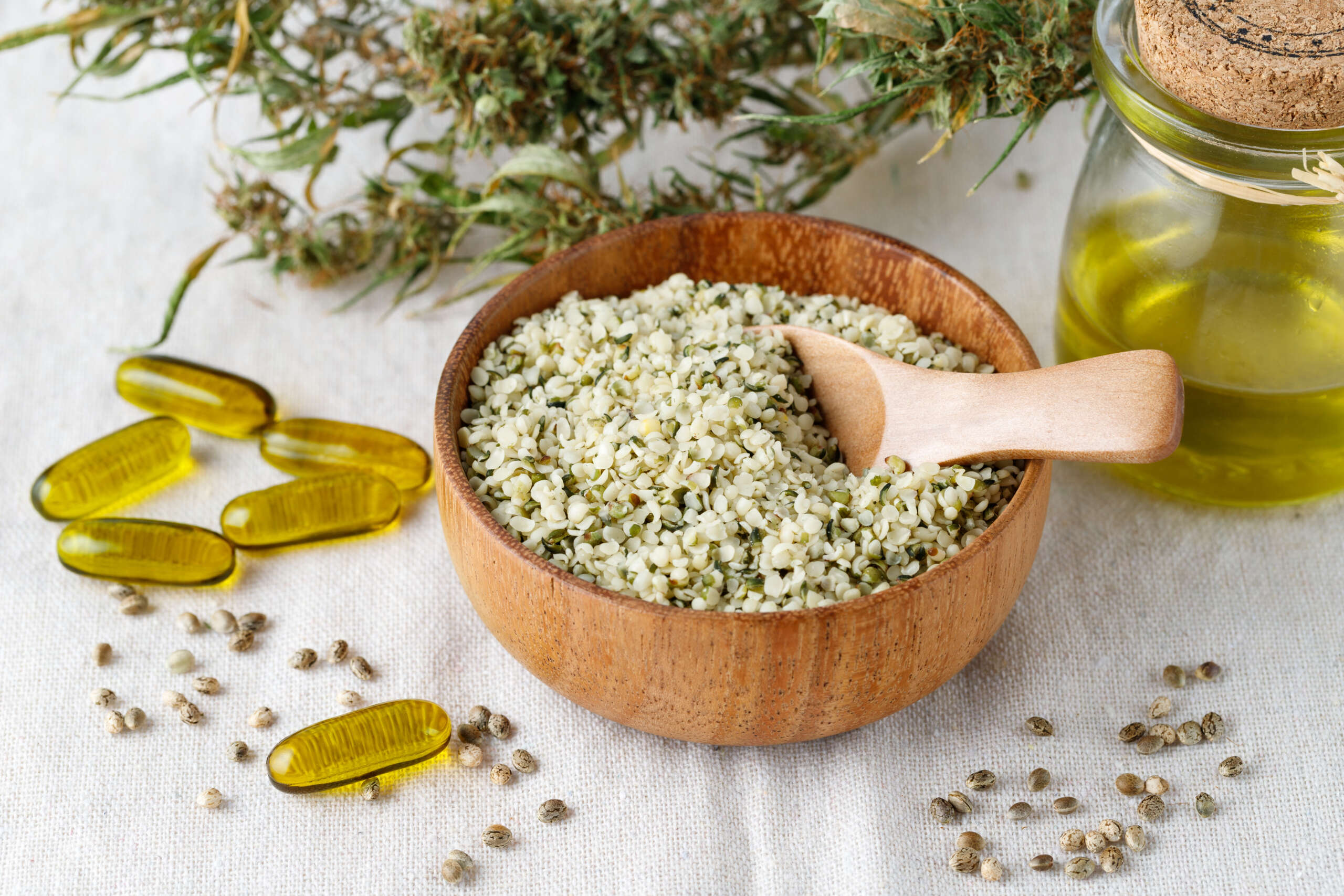
All cannabis-related products – including food and beauty products like hemp milk or shampoo – are technically banned from sale in the Cayman Islands, according to Chief Medical Officer Dr. Nick Gent.
He confirmed Monday that anything containing trace elements of cannabinoids would be prohibited by law, meaning the sale of products made from hemp, a derivative of cannabis, is illegal without a prescription.
“The confusion is that hemp plants are Cannabis sativa plants, and botanically hemp is not a discrete species from any other cannabis plant,” Gent explained.
What obtains in US cannot be applied here
He said in the US there is a legal definition of hemp “that allows products derived from low-THC cannabis plants, which allows cannabinol-containing products to be legally supplied” in that country.
In the Cayman Islands, however, if a product is made from/contains hemp and it does not contain any cannabinols, he said, “it is not controlled in the Cayman Islands”.
“It is the cannabinols alone that are controlled,” he said.
Even in cases where cannabinoids – like THC (tetrahydrocannabidiol) or CBD (cannabidiol) – are not listed in the ingredients, they would almost certainly be present in minute amounts even in food such as hemp milk.
Gent said retailers should take legal advice if they wanted to continue selling such products.
“Hemp is a common name for a plant of the cannabis family. The Misuse of Drugs Act 2017 says nothing about hemp, it speaks only about cannabinol and cannabinol derivatives. The test is simply whether a product contains cannabinols or derivatives – if they do, and hemp products may foreseeably contain cannabinols, then they are not legal to sell in the Cayman Islands, and it is the vendor that is responsible for establishing that they are not selling a product that contravenes the Misuse of Drugs Act,” he said.
This issue came about in light of Gent’s statement last Thursday on guidelines he issued to health care professionals on the possession and use of cannabinol and cannabinol derivatives in the Cayman Islands.
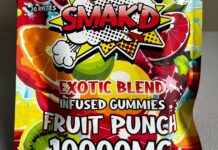
The guidelines were issued following a report of a teenage boy becoming ill after ingesting edibles ordered through a food delivery app.
The pharmacy which issued the edibles clarified that it was not ganja, but hemp edibles that were on offer through the app and those were not sold to the teenager.
“The teenager apparently got them from someone else. When we were selling these products, we had specific procedures that we followed,” a pharmacy spokesman said in a statement, explaining the steps that have to be taken before filling the prescription.
“Before someone received the purchased product from [the app], we would call them, request a copy of their license, [and] they would be counselled on proper use and precautions when using the product,” the spokesman said.
The pharmacy would then email the purchaser a document containing more details on the precautions, which they would have to initial and sign through DocuSign. After that document was received, the product would be released.
Since the incident, it added, the products have been removed from that app.
Gent said there was a “misconception” that cannabis products, such as the edibles the boy consumed, are allowed to be imported and offered for sale, because they are freely available in many US states.
Here, he said, the Misuse of Drugs Act 2017, under Section 2A, allows a doctor to prescribe any product that contains cannabis extracts or tinctures of cannabis for medical or therapeutic purposes, with the requirement that the dosage of the cannabis extract or tincture of cannabis is specified in that prescription.
“There are no exemptions in Cayman Islands law for the importation and sale of hemp-derived products,” Gent said in his statement.
He advised that medical professionals should take care to prescribe products – in whatever form – that have been manufactured according to standards equivalent to that used for other medications.
Duty on retailer/importer
Gent confirmed that any product imported or sold that “actually contains cannabinoids” without a prescription would be an offence under the Misuse of Drugs Act.
“Duty is on the retailer/importer to be within the law. We encourage retailers/importers to seek independent legal advice if they think they may be breaking the law,” he said.
Though he said he could not comment on the effect of labelling on legality of sale, he is “clear that an offence occurs if a product is imported/sold and it actually contains cannabinols except where prescribed/dispensed under Section 2 of the Misuse of Drugs [Act].”
The Compass reached out to local supermarkets for comment on Gent’s statement.
Kirk Market told the Compass that it no longer sells hemp products. We are awaiting responses from Foster’s and Hurley’s.
Gent noted that cannabis is controlled as it is potentially harmful, particularly during pregnancy, and in the presence of mental health issues, especially in adolescence/early adulthood.
“Cannabis use is associated with higher rates of road traffic accidents. Certain of the cannabinols, such as CBD, do not appear to aggravate mental health issues; however, there are many individual cannabinols contained in cannabis and cannabis extracts and it is not easy to therefore characterise one particular extract or product as safe,” he added.
Related Videos