

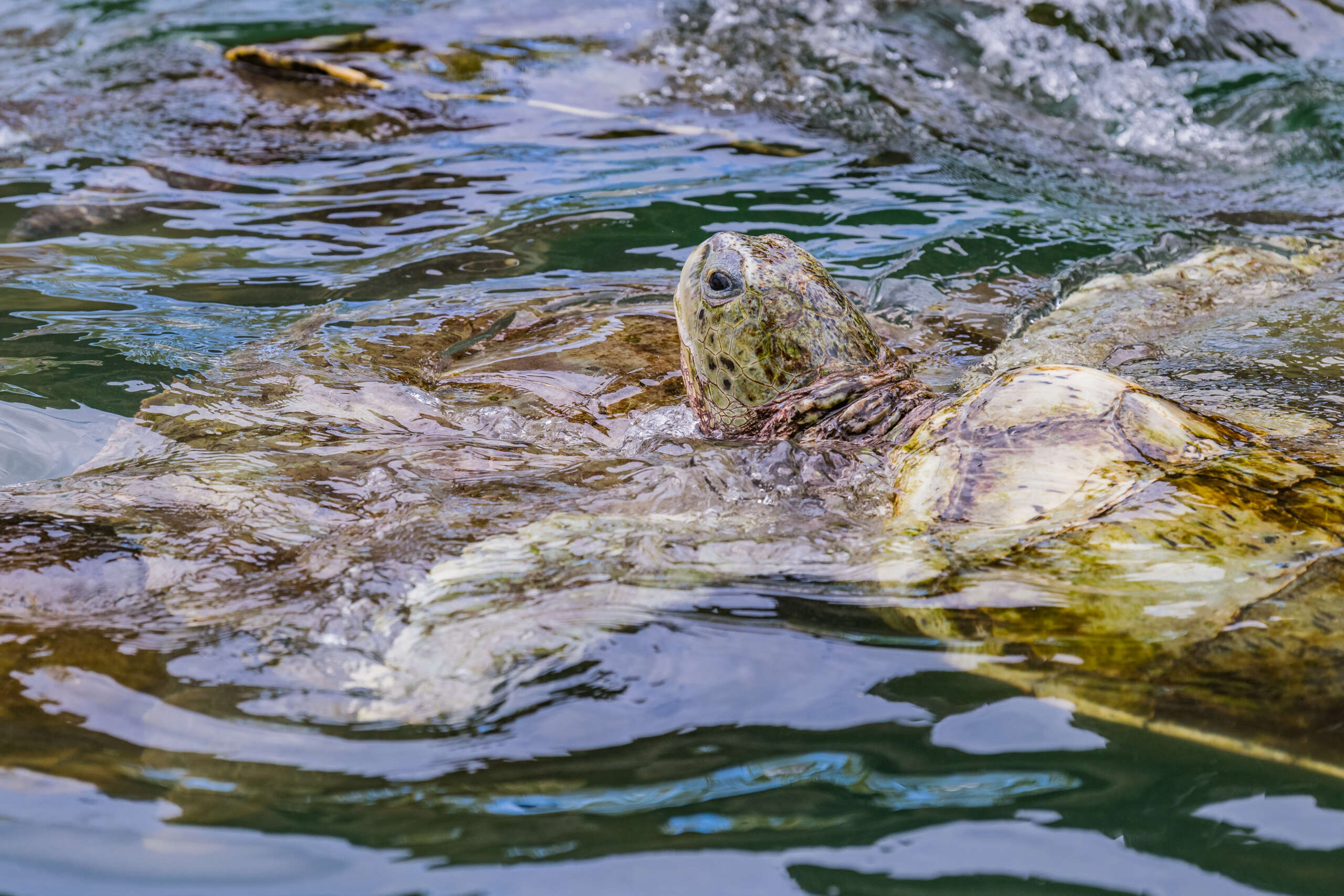
The amount of green sea turtle meat sold for local consumption has fallen over the past three years, according to the latest statistics from the Cayman Turtle Centre.
The centre blames the drop on a lack of available livestock due to, among other issues, a decrease in successfully hatching eggs, possibly triggered by climate change.
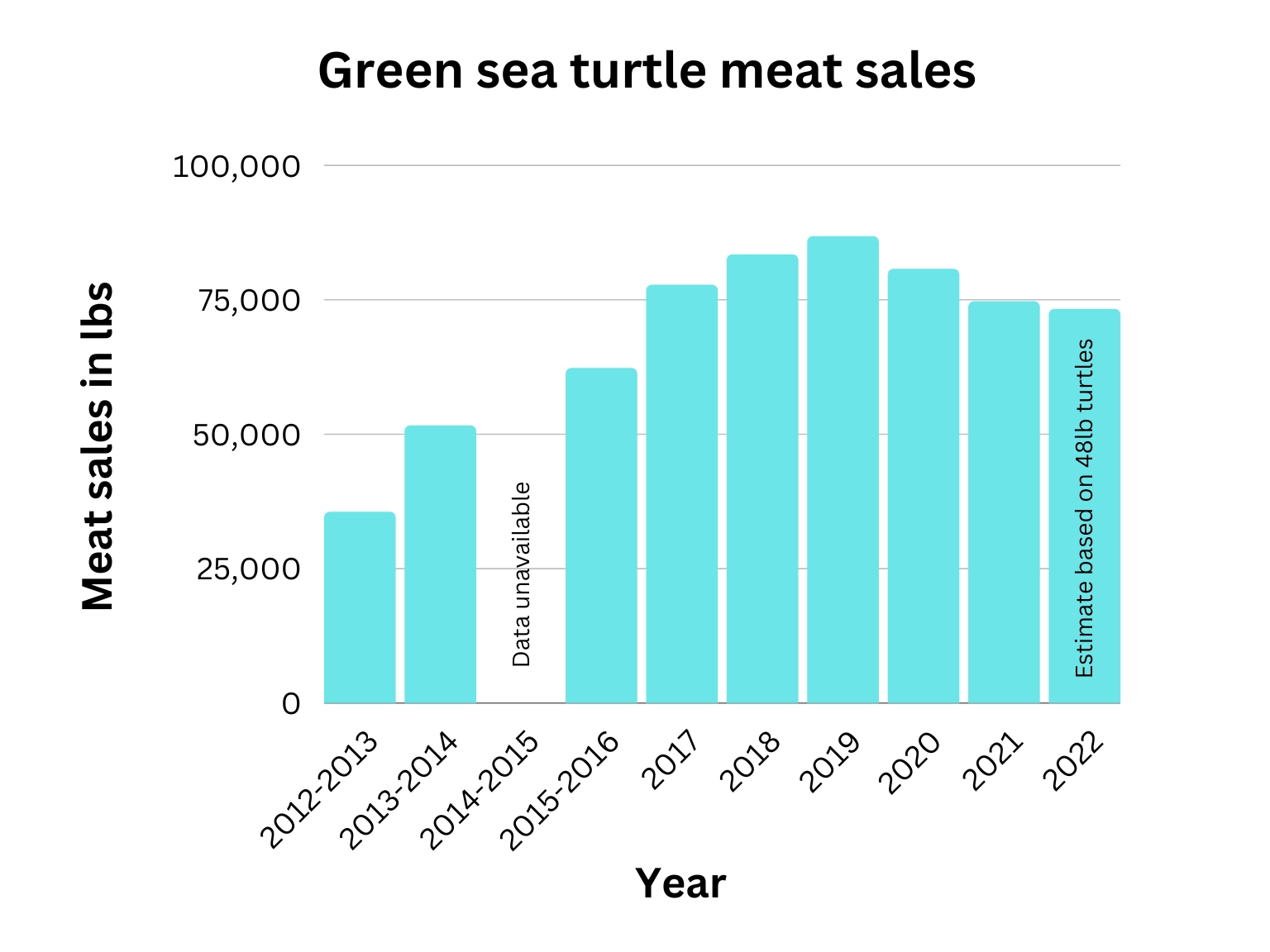
In the financial year 2012-2013, the government-owned meat production facility in West Bay slaughtered an estimated 800 juvenile turtles.
That number steadily increased year on year, reaching a peak of 1,745 in 2019, figures from the centre’s published annual reports reveal.
However, based on weight of meat sold at the kiosk on North West Point Road in 2020 and 2021, sales have been dropping ever since.
And according to data from a Compass Freedom of Information request, Cayman Turtle Products – the sister company to the turtle centre tourist attraction – killed 1,525 turtles in 2022.
This is the lowest number slaughtered for meat in six years.
‘Annual challenge’
Walter Mustin, Cayman Turtle Centre’s chief research and conservation officer, told the Compass there are a variety of factors that have contributed to decreasing livestock.
It is “subject to numbers of eggs collected from our artificial beach, hatch success of eggs collected, mortality rates and number of turtles released to the wild”, he said.
Changes like global warming are affecting aspects of egg production, he said, and may “curtail” the centre’s ability to produce eggs and hatchlings.
Mustin added: “The annual challenge is to meet the traditional local demand for turtle products while meeting our conservation goals through turtle releases to the wild.
“We’re balancing a finite number of turtles with an increasing Cayman population.”
The conservation officer stressed that the centre’s emphasis is not on growing sales, “but trying to ensure that small consumers who have, often for generations, had turtle as part of their traditional diet can get meat without purchasing poached meat.
“We would hope that the public realises that the supply of turtle meat is finite, and consideration be given to limiting consumption to special occasions,” he said.
Pitting against poaching
Eating green sea turtle meat dates back hundreds of years in Cayman to a time when the tropical species was prolific in the waters surrounding the islands.
But overfishing led to a drastic reduction in populations and in 1982 the International Union for Conservation of Nature labelled it as endangered.
Back in 1969, US and British investors created Mariculture in Cayman, to breed turtles in order to sell their eggs, meat and shells at home and abroad.
While international trade in turtle is now banned, the Cayman Turtle Centre, as it is now known, says it continues to farm the species to satisfy local culinary traditions.
It says this reduces the incentive for the poaching of wild turtles, which is illegal under the National Conservation Law, 2013.
However, it has come under fire from animal welfare groups in the past over the ethics of keeping the solitary, migratory species in a crowded and unnatural environment.
As well as for allegedly causing an inflated demand for the meat by being heavily subsidised by the government, allowing it to be sold at a low price.
A Cayman tradition
In October 2015, a Department of Environment joint study with the UK’s University of Exeter found that 30% of Caymanian households ate turtle meat at least once that year.
That percentage increased to 62% of those who were Caymanian by descent, according to the UK’s Department for Environment, Food and Rural Affairs-funded project.
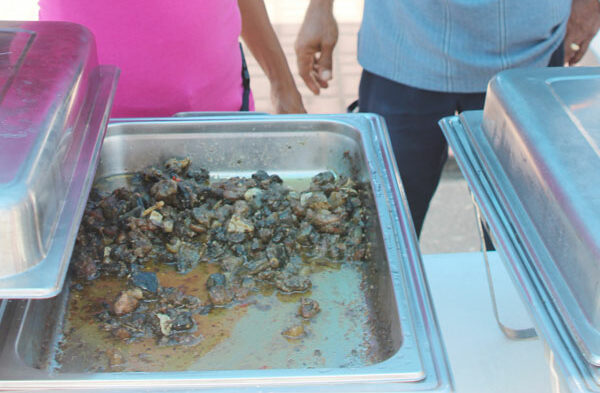
The main reasons that the participants gave for eating the meat were taste, tradition, culture, or to celebrate a special occasion.
The study also found that despite the presence of a legal source of turtle meat, illegal take remained high relative to the size of Cayman’s wild turtle nesting population.
Participants in a 2013 Compass poll on turtle meat who ate it regularly, commented, “Turtle is my favourite meat of all time,” “I love it,” and “That’s what Caymanians grew up on.”
One said: “Eating turtle is our Caymanian heritage and no one should be able to take it away from us.”
‘Not humane’
Cayman Turtle Centre, formerly Cayman Turtle Farm, has gained attention from animal welfare groups and experts several times in the past for its treatment of the turtles.
In 2011, UK-based World Animal Protection published a 24-page report on the farm in which it said there is “no humane way to commercially produce green turtles”.
British-Caymanian world champion free diver Tanya Streeter and musician Sir Paul McCartney were among the notable figures who gave their support to the welfare group.
The charity, in its 52-page follow-up report in 2014, suggested the centre should gradually end the production of turtle meat and transition into a rehabilitation-and-release facility.
It said: “As a solitary, migratory, non-domesticated species these animals cannot adapt to life in a farmed environment.”
An academic report, in 2014 also said the centre could better contribute to conservation if it transitioned into a rehabilitation, research and education facility.
“It is unclear how long Caymanians and the wider international community will be willing to accept the economic and animal welfare costs associated with the [centre],” it said.
A 2015 study by Oxford University researchers called the turtle centre “one of the cruellest wildlife attractions in the world”.
And an online petition in 2016, urging the turtle centre to stop breeding turtles for human consumption, gathered more than 150,000 signatures.
Cayman Turtle Products
Cayman Turtle Products is located next door to the Cayman Turtle Centre: Island Wildlife Encounter.
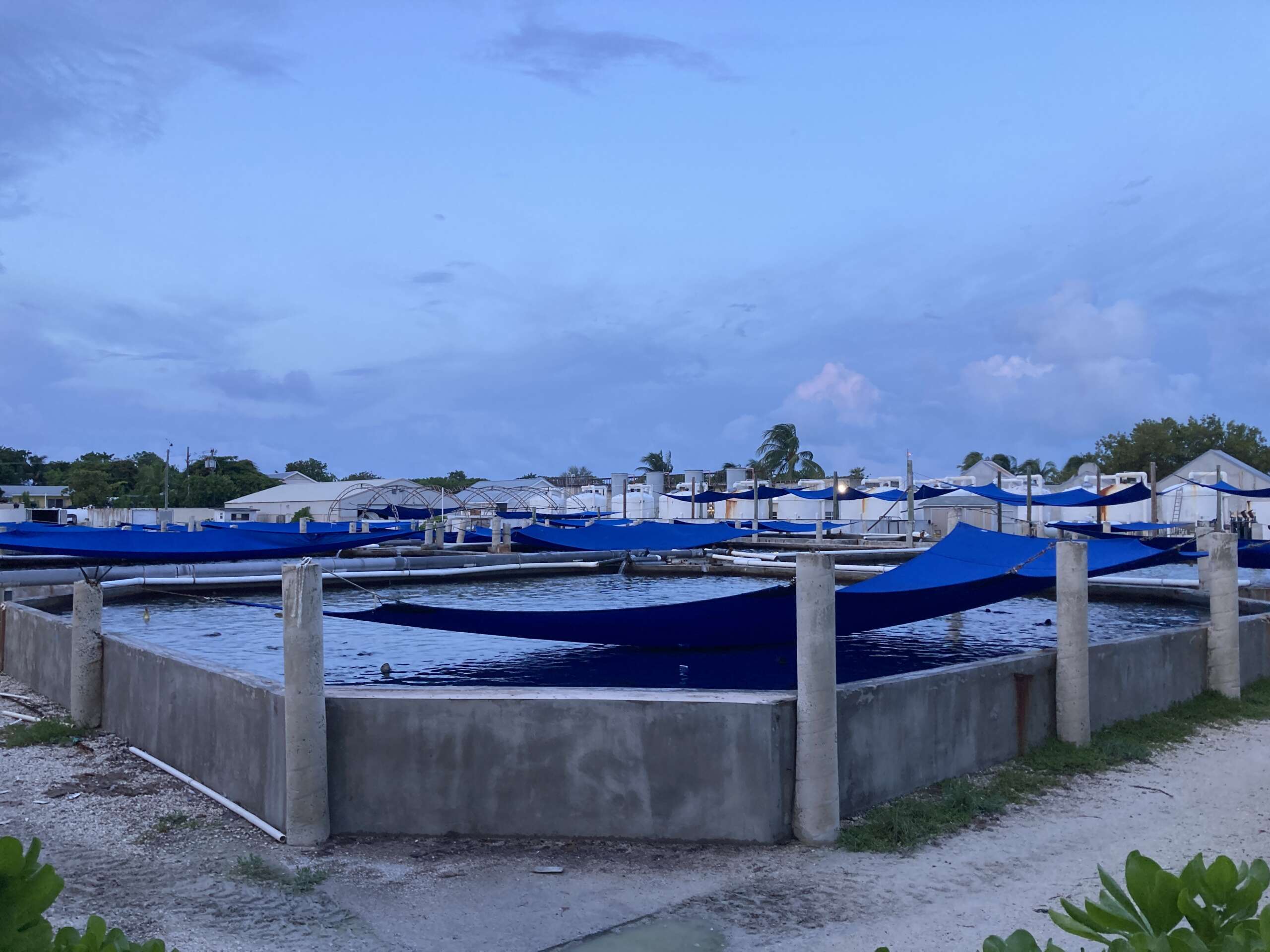
The meat production site contains 10 large and six small concrete pools which house about 9,500 turtles, an abattoir, processing buildings and a sales kiosk.
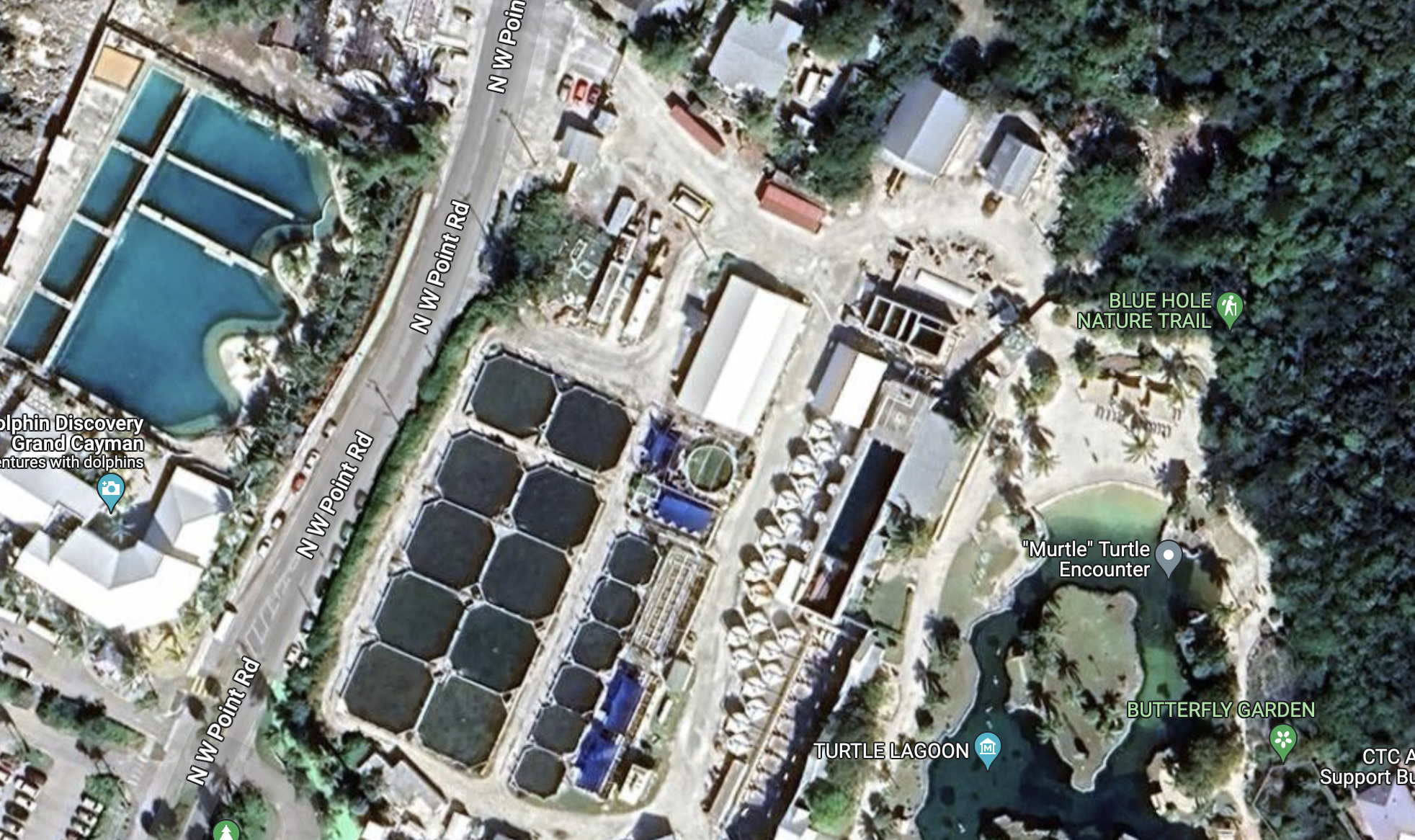
Due to a lack of published data post-2019, the Compass made a freedom of information request to the Cayman Turtle Centre for the latest statistics on the farm.
It revealed that in 2022 the equivalent of four turtles a day, aged between four and six years, were killed at the abattoir with a captive bolt gun.
As green turtles do not reach sexual maturity until they are about 16 years old, and in the wild can live up to 70 years, the turtles are classed as juveniles when they are killed.
The turtle meat is then sold in five-pound sealed bags in a kiosk outside the farm.
While it is widely accepted that the meat should be available only for residents, there is no law surrounding the sale of turtle meat to tourists.
Related Videos









Anyone else get a kick out of how in today’s world the minute something isn’t going the way they want that it must be climate change. They don’t even have any evidence but just say “it could be”. Seriously, at least it made me chuckle this morning.
Terrible The killing of turtles should be stopped NOW. They are endangered and Cayman should do everything possible to increase their number not kill them
When is enough, enough. Turtles are an endangered species, and the sale of turtle products are banned internationally, yet the Cayman Islands still think having a commercial turtle farm is acceptable.
The old, and tiresome reasons, that “our people have eaten turtles for generations, and we should be able to continue to do so – it is our right, it is our culture and those not from these islands do not understand and have no right to judge us” is such a poor reason that has little intellectual merit and lacks evolutionary critical thinking. Doing something that our ancestors did, but now knowing that it’s a bad thing for us, is not honoring our past, it just quickening our end as a result of our failure to evolve.
These islands were once the largest turtle rookery in the Carribean. In the span a few generations these Islands have gone from having hundreds of thousands nesting turtles to less than 200. This is an epic mismanagement of a species primarily because of this belief system that what our ancestors did in a different world, at a different time, should justify our behavior today. Does anyone really believe that if our ancestors were told 200 years ago that if they keep taking turtles from the sea the day will come when there would be none left, that they would not stop taking turtles? Of course they would have stopped. Our ancestors valued the natural world and understood its importance to our survival.
Rather than keeping our heads in the sand and blindly following the conduct of our ancestors (who did not know then what we know today), we should be able evolve to where we can acknowledge our historical and cultural norms are no longer acceptable in the world we live in today, and are no longer serving our best interests. Our failure to make this realization will make ii so we to will go the way of the Dodo bird, and soon the way of the sea turtles…extinct.
Completely disturbing practice. It should be a punishable offence. The only people who can fix it, are the people who broke it. People, not turtles. People.