Just $668,000 has been budgeted per year for asylum services in 2024 and 2025 – $2 million less than is projected to have been spent this year, the Opposition leader has said.
Opposition Leader Roy McTaggart announced in Parliament that ‘Services for irregular migrants’ are likely to cost a total of $2.7 million by the end of 2023.
And as a member of the Finance Committee, he questioned the leaner allowance for the next two years put forward by Premier Juliana O’Connor-Connolly on Wednesday, 13 Dec.
McTaggart said he is aware it is difficult to predict what the costs are going to be, but added: “It just seems to be hopelessly underfunded.”
Charles Clifford, director of customs and border control, responded that it is always a difficult item to budget for, because there are so many uncertainties.
“Some years we have large number of migrants, other years they’re much smaller numbers,” he told the committee.
“But we have had, as members will be aware, a number of legislative reforms that came into effect at the end of December 2022.”
He explained that the reforms allow him as director to dismiss asylum applications that “are essentially hopeless” in terms of succeeding.
“So, we think that that is a clear deterrent,” he said. “We’ve been able to return migrants faster than we had in the past.”
Conditions in Cuba
Clifford cautioned that the economic conditions in Cuba – where the majority of Cayman’s asylum seekers come from – are continuing to deteriorate.
“Based on the intelligence that we have coming out of Cuba, we don’t expect that the situation is going to improve anytime soon,” he told members, adding it may get worse.
“How long the legislative reforms that were implemented in at the end of 2022, will have a positive impact remains to be seen.”
The director said his department are also concerned about migrants from other countries such as Haiti, due, in part, to Jamaica’s inconsistent asylum process.
“There are things that we are concerned about, that we are trying our best to prepare for,” he said.
“But there are a lot of uncertainties with migrants and we do the best that we can with the available funding that we have.”
He confirmed that there will be years that the department has to return to the Finance Committee for supplementary funding.
McTaggart asked how much of an effect the legislative reforms made in terms of the overall cost and Cayman’s ability to return people home as quickly as possible.
Clifford responded that at the “height of the crisis”, Cayman was housing 433 Cuban asylum seekers, and since then the numbers are significantly less.
“It’s clearly had an impact. We just don’t know at this stage how much longer that impact will hold.”
Cayman’s capacity
The Cayman Islands is currently providing temporary shelter to 81 Cuban asylum seekers, Clifford told the committee.
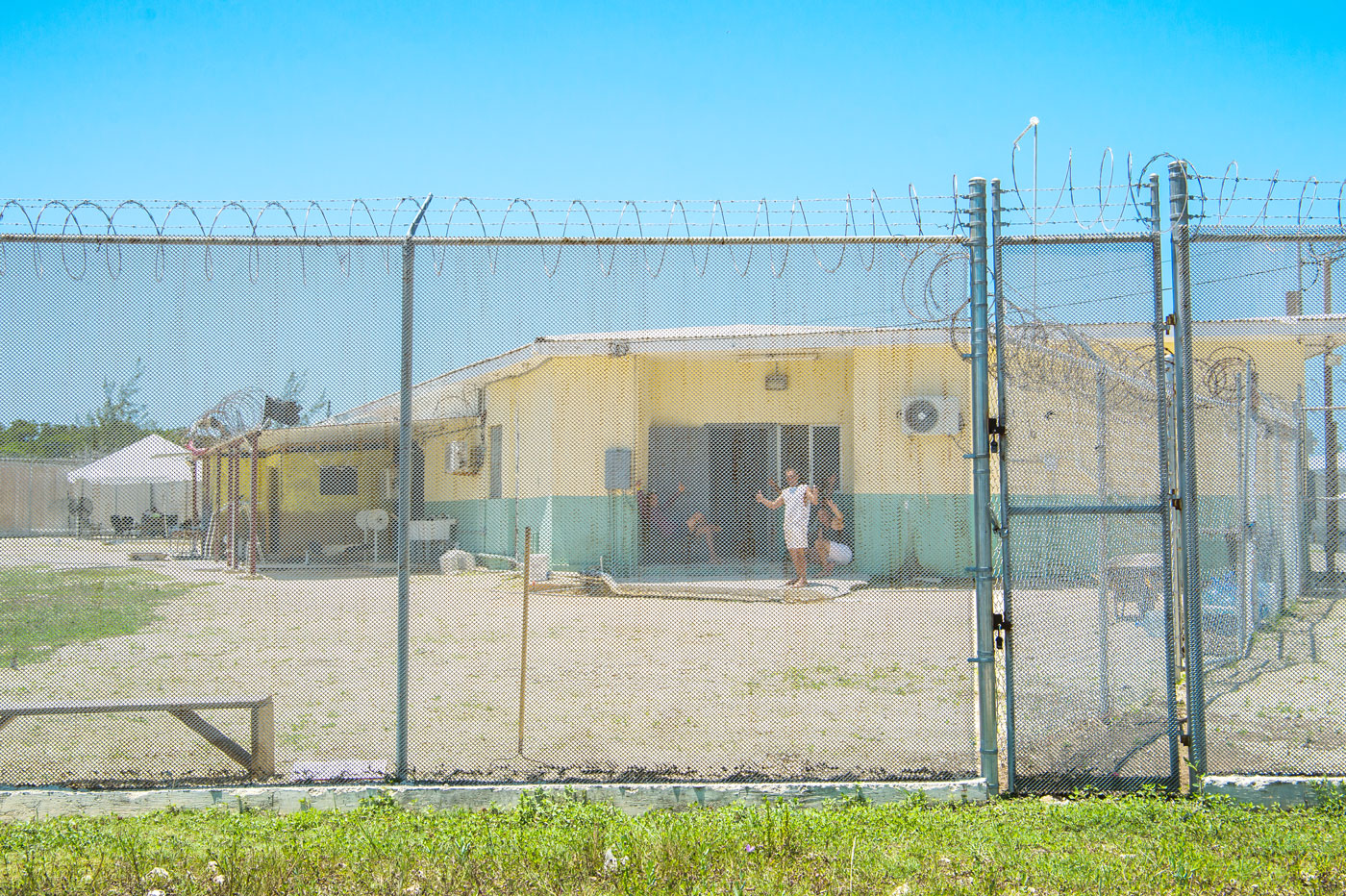
Eighteen are at the Immigration Detention Centre on Fairbanks Road, 63 are on conditional release at the Bodden Town Civic Centre and six are in rented accommodation.
Opposition MP Joseph Hew asked if there are still plans for a purpose-built facility for migrants.
Clifford confirmed that there is, and the project is being led by the Ministry of Border Control.
“We have developed plans and consultation with a number of other partner agencies, such as the Public Works Department and His Majesty’s Cayman Islands Prison Service.”
There is limited funding for the build in the 2024 capital expenditure budget, he said.
Hew asked if electronic monitoring is being used on asylum seekers which he suggested may help with “reducing the scope” of the facility.
Electronic monitors had been used on asylum seekers who are on conditional release, the director said.
However, “it became a legal issue and as a result of legal advice from the Attorney General’s Chambers, we had to discontinue that practice.”
Related Videos