

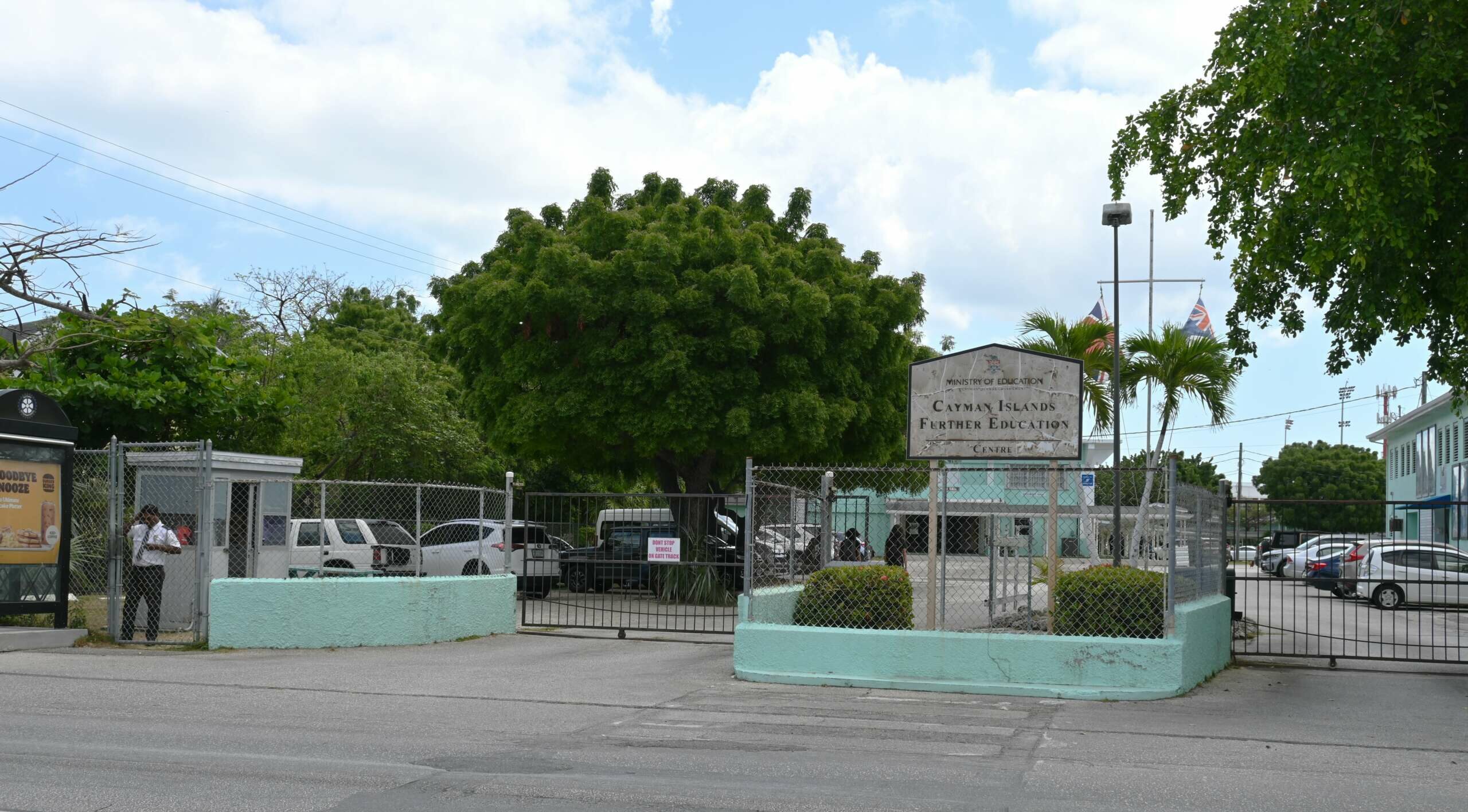
Experts have confirmed the presence of asbestos at the Cayman Islands Further Education Centre, underlining the urgent need for a new premises for the Walkers Road school.
Students and staff continue to attend the George Town campus, despite the detection of the hazardous material during an inspection more than a year ago.
The Ministry of Education says students and staff will be moved out of the CIFEC buildings in July, though it has previously made comments which suggested delays in the John Gray High School campus Projects B and C could threaten that timeline.
Both the ministry and the Department of Education Services say there is no need for concern about the presence of asbestos in this case because it is not airborne. They insist they promptly implemented safety measures in consultation with experts and that the situation does more present a risk.
“Following the discovery, we immediately consulted with technical experts, who confirmed the materials were in good condition and posed no health risk unless disturbed,” the ministry said a statement on Friday in response to Cayman Compass queries.
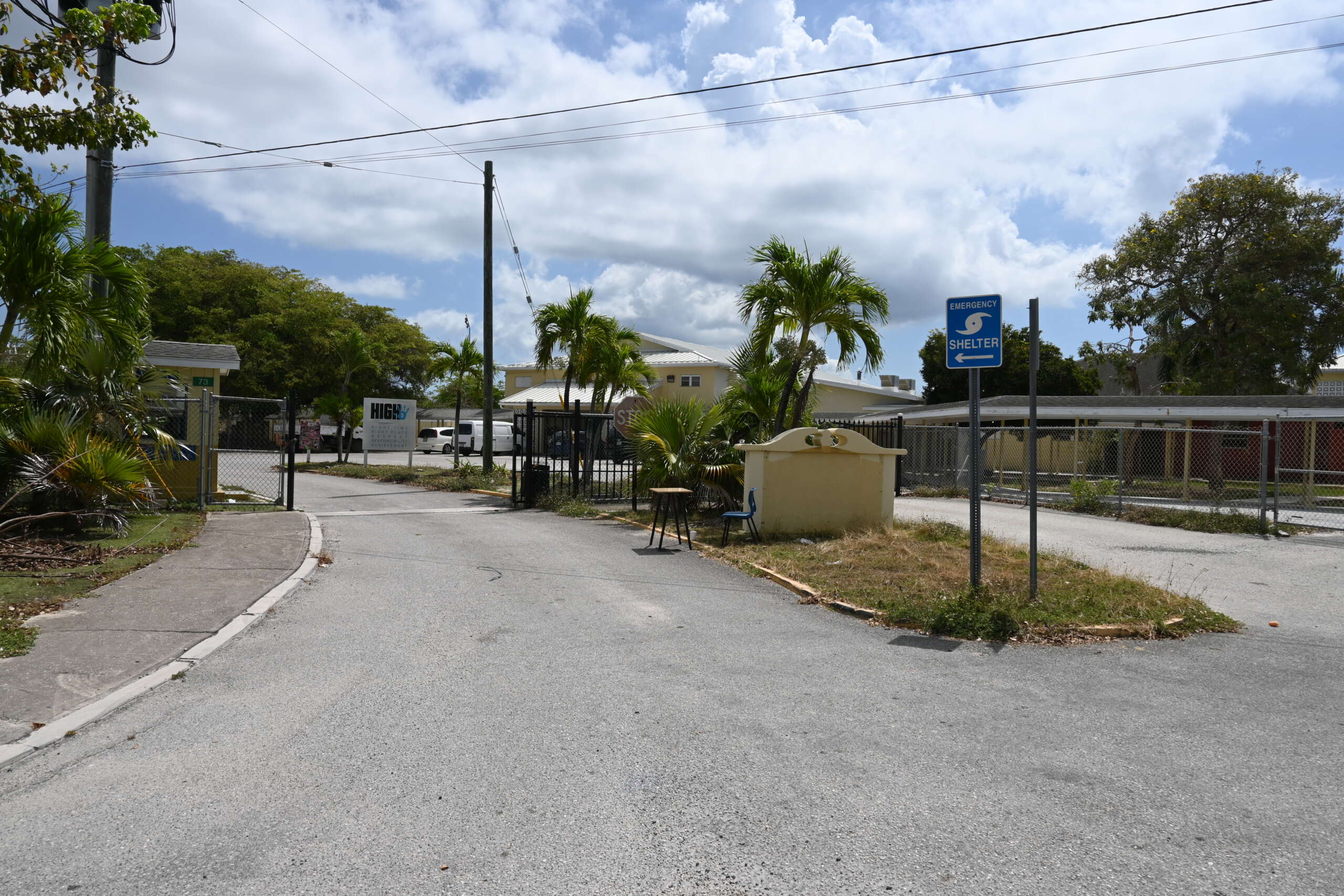
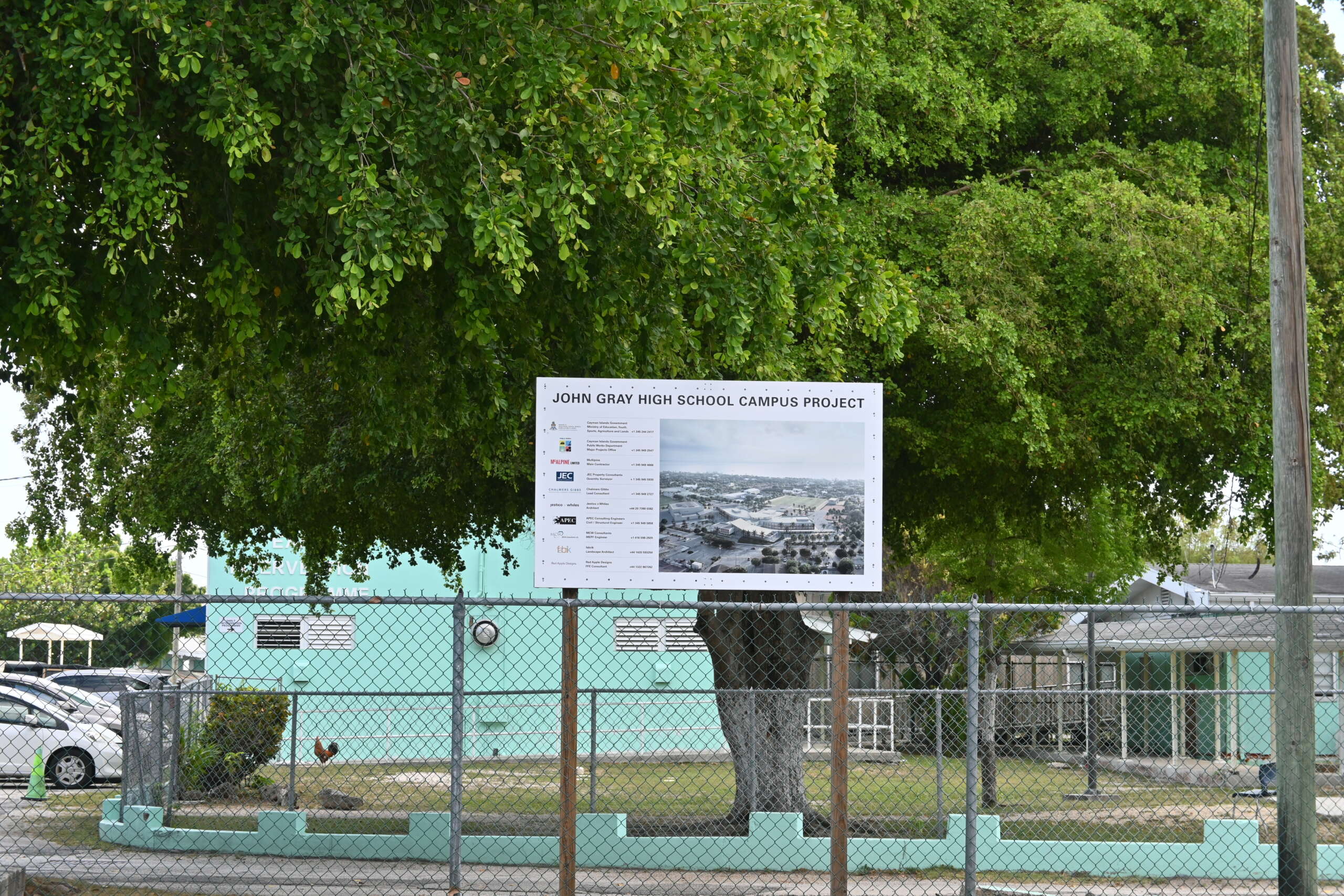
John Gray High School’s Project B involves repurposing the former George Hicks High School site to accommodate CIFEC. Under Project C, the old CIFEC campus will be demolished and new sports fields completed.
However, in April the education ministry said with the existing delays, which were “primarily due to logistic issues related to Project A, there is no timeline for completion of both Projects B and C”.
Project A began more than 15 years ago and involved construction of the new John Gray High School campus.
Discovery of asbestos
It was a February 2023 pre-demolition inspection report on CIFEC, prepared by New Jersey-based Vertex Companies as part of the multi-million-dollar John Gray project, that confirmed evidence of asbestos.
“Based on the sampling and analysis of suspect materials, asbestos is present in floor tiles, the associated mastic, textured ceiling paints, and sink putty below the science classroom sinks,” the report found.
However, the report added, “no asbestos particles were found to be airborne”. Airborne particles pose a more serious health risk than undisturbed asbestos.
“Asbestos is a hazard when a person is exposed in an occupational setting to free-fibre asbestos. Bound asbestos is not a hazard,” said a joint statement sent to the Compass on behalf of Chief Medical Officer Dr. Nick Gent, Medical Officer of Health Dr. Samuel Williams, and Department of Environment Health Director Richard Simms.
Both the education ministry and DES have said they proactively informed the school principal, staff and parents about the findings in the report, and implemented safety measures to address the asbestos findings, assuring that they “prioritise the health and safety of all students and staff”.
Officials said they have implemented enhanced air-quality measures like air scrubbing, dehumidification and deep-cleaning in occupied areas.
In addition, all air conditioning systems have been deep-cleaned, they said.
“The Ministry & DES remain committed to ensuring a safe learning environment at CIFEC and will continue implementing safety measures until the institution relocates to its new facility, scheduled for July 2024,” they said in a statement.
Following relocation, the statement said, “the asbestos will be removed in accordance with DEH specifications, then demolition will occur”.
The Compass understands asbestos was also recently removed from the old John Gray High School building, which is currently undergoing renovation in preparation for the relocation of CIFEC students and staff.
Though the Walkers Road school has been earmarked for demolition as part of the final phase of the John Gray High School project, classes are continuing as normal, as upgrades continue on the old high school site.
Is asbestos a health threat in Cayman?
Asbestos refers to a group of naturally occurring mineral fibres that have been widely used for industrial processes and products, and is associated with adverse effects on human health, the US Centers for Disease Control and Prevention states.
Health risks from prolonged exposure to asbestos include lung cancer, asbestosis and mesothelioma.
There is no monitoring of the import or use of asbestos products in the Cayman Islands, according to the joint statement released by Gent, Williams and Simms.
They pointed out, however, in light of what is known about the use of such products, “it would be difficult to imagine that one would receive approvals to use this material in construction, and even that architects and civil engineers would think to utilise it.”
The restriction on the use of asbestos in the US since 1989, they added, also means that it is less likely that any asbestos-containing materials have been imported into the Cayman Islands over the last 30 years. The UK banned blue and brown asbestos use in 1985 and white asbestos in 1999.
Asbestos is treated as a hazardous material and as such, its presence in any building should be immediately reported to the DEH at 949-6696, they noted.
- This article has been amended to reflect the expected timeline of the relocation of CIFEC and to clarify that the relocation was planned irrespective of the discovery of asbestos.
Related Videos













Will the” link road” ending at N. Church St be designated as another “ProjectA” ?.
This is a disgrace and poor management of the Ministry. We can’t fix the urgent wrongs here in Grand Cayman, yet we’re quick to build a new school elsewhere. Isn’t the health and well being of our children and dedicated staff important enough. All of you should walk off the job and turn around and sue Govt. fir negligence. Shame on our Government!