

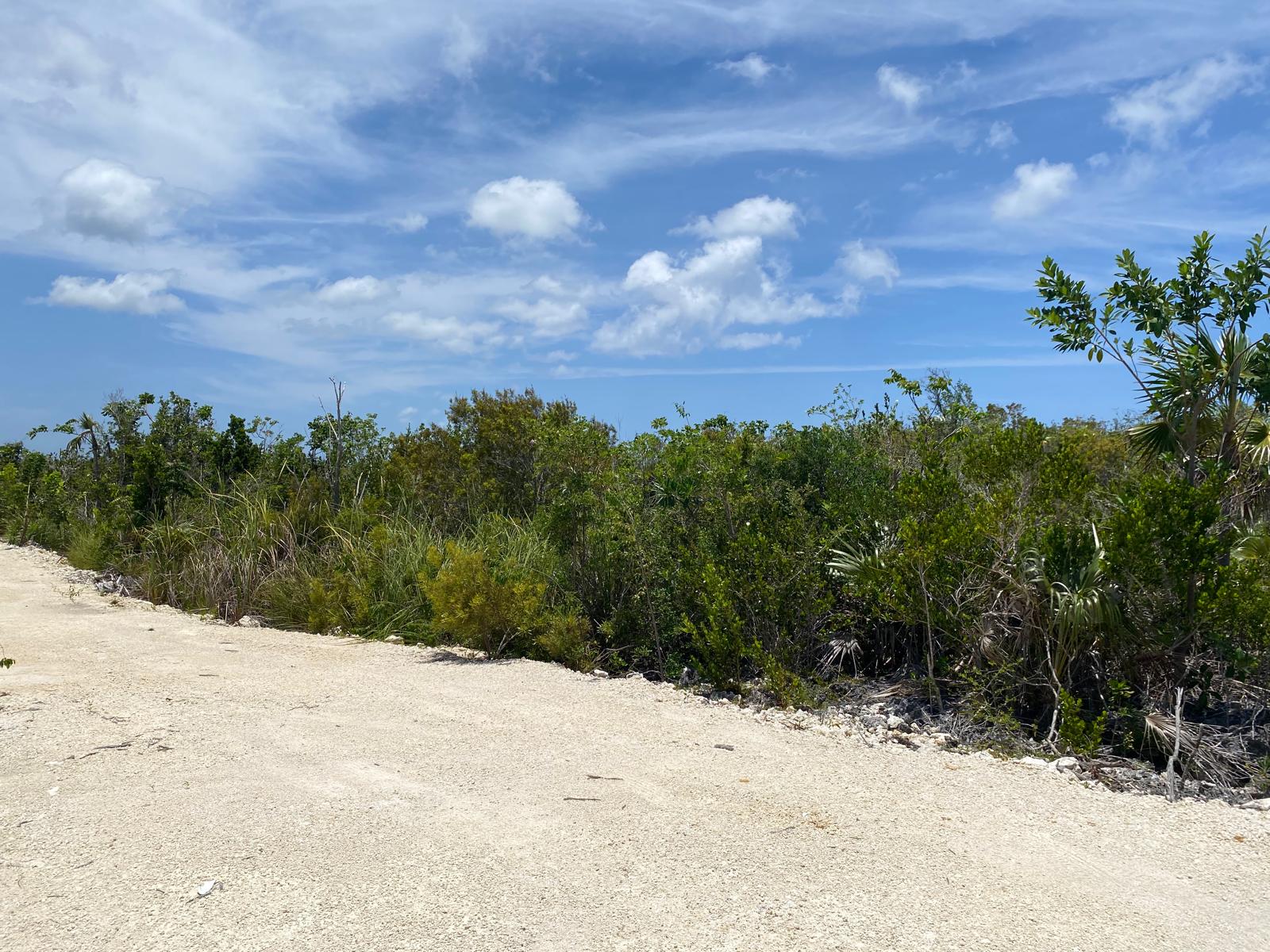
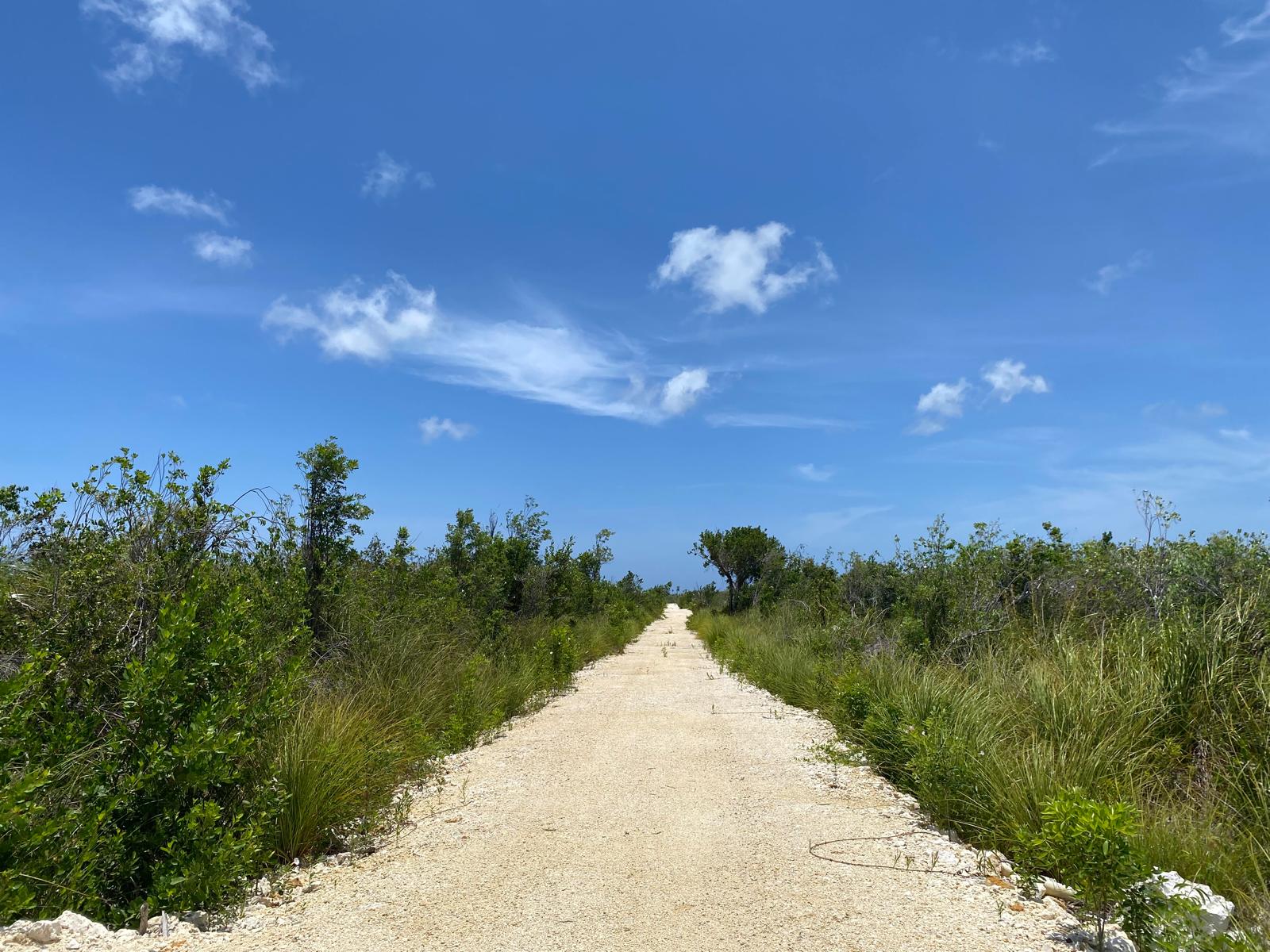
A landowner who built a 2-mile-long road through “critical blue iguana habitat” has sparked a new court battle between planning and conservation officials.
The National Conservation Council and the Central Planning Authority are set to resume their legal feud over how development decisions which impact the environment are decided.
This time the case centres on the planning body’s decision to grant after-the-fact approval to lawyer James Bergstrom for a road through his land in East End.
The landowner, identified in court documents under company name Bon Crepe, built the road without seeking planning permission, according to an application for judicial review filed by lawyers acting for the conservation council.

The court filing suggests the road, on land which borders the Salina Reserve and the Colliers Wilderness Reserve, has an “adverse impact on the critical habitat of the Grand Cayman Blue Iguana” which is a globally endangered species protected by law.
It indicates the road was constructed in “flagrant breach” of both planning and environmental control. The council placed an interim directive in February 2023 under the National Conservation Act to protect the land and the two wilderness reserves.
Despite this, the court filing indicates that the CPA granted retroactive planning permission for the development in March of this year.
“That grant of planning permission was unlawful,” the conservation council argues in the court filing, citing the legal requirement for the planning authority to consult the National Conservation Council and take its direction on applications that impact the habitat of protected species.
It is seeking a court order revoking the planning permission and compelling the planning department to take enforcement action against the owner.
Owner defends ‘hiking trails’
Bergstrom is not directly involved in the judicial review case but his company Bon Crepe is listed as an interested party.
In submissions to the Central Planning Authority he has maintained that the road on his property is an “internal rough track” for hiking and to provide access for farming. A wider stretch of road, built on a neighbouring piece of property at the request of the landowner, runs over an existing vehicular right of way, Bergstrom has claimed.
Based on this and “convention at the planning department for many years”, he has stated he did not believe he needed planning permission for the road and trails.
He has also argued that there has been no evidence of any impact on blue iguanas or blue iguana dens from the road construction and that the conservation council’s interim directive places a “significant restriction” on the rights of the owners to their property in land that is zoned for agricultural and low-density residential development.
Bergstrom has indicated that he has appealed to Cabinet seeking the repeal of the council’s interim directive, arguing that measure is designed for temporary use only. The proper way to regulate private land that is deemed to be critical habitat for key species would be through a Cabinet-approved conservation plan, crafted in consultation with the owners, he argued in submissions to the CPA.
He has also argued that the Conservation Council’s interim directive effectively makes his land (and his neighbour’s) part of the National Trust reserves.
In a submission to the CPA, his representatives indicated, “the only outcome which appears acceptable to the DOE (Department of Environment) is no human use or development on any of the affected land. This renders the land unusable and has a significant impact on its value.”
Council claims planning board erred
The CPA granted retroactive planning permission for the road project in March.
Its reasoning, quoted in the court filing, suggests it felt it did not need to consult the conservation council over the potential adverse environmental impacts of the road because the “road already exists” and therefore it couldn’t impose any conditions that would alter its impact.
The council had asked that enforcement action be taken to restore the area to its natural state.
The CPA notes also highlight its decision to restrict use of the road to “recreational use”.
The notes add, “removal of the existing road would have greater adverse effect than leaving the existing road in situ”.
The court filing argues that the CPA was wrong on all of these points and had a legal obligation under the National Conservation Act to consult and follow the direction of the council or to provide detailed reasoning for deviating from its expert opinion.
Two government bodies face off in court again
It is the second time the courts have been asked to mediate a dispute between the conservation council and the planning authority – two of the key government bodies responsible for overseeing development in the Cayman Islands.
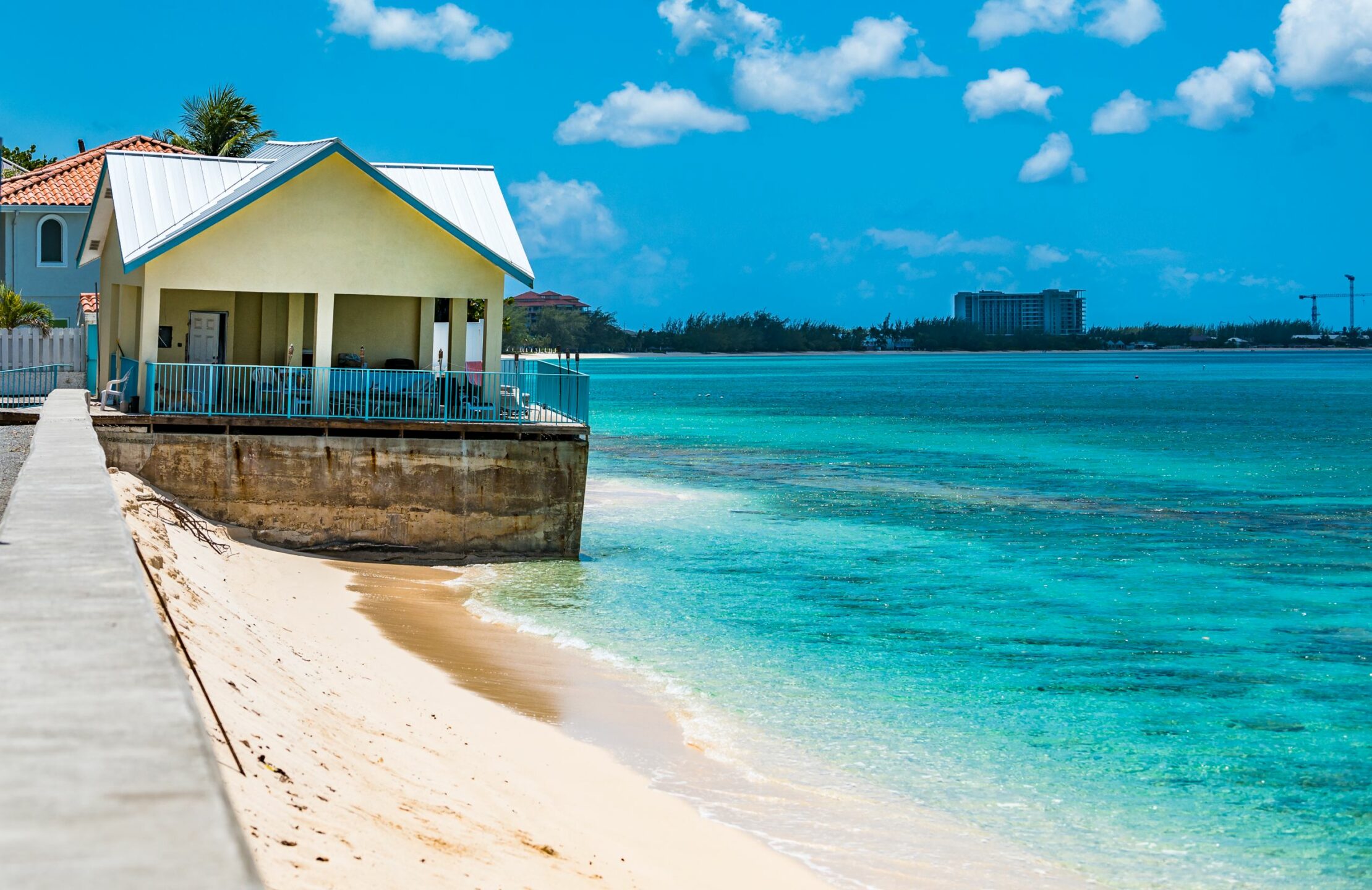
The conservation council’s court application leans heavily on the Court of Appeal decision in the first case, which affirmed that the council has the final decision on applications that are likely to have an impact on protected areas. That case centred on an application to restore a cabana and seawall on the edge of the Seven Mile Beach Marine Park.
Summarising that judgment in its most recent application, lawyers for the NCC wrote, “Where development would risk adverse environmental effect, permission cannot be granted without consulting (the National Conservation Council).
“If the risk of adverse effect relates directly or indirectly to the critical habitat of a protected species, permission cannot be granted without the approval of the (NCC).”
It argued that permitting a developer to evade the impact of the National Conservation Act by developing in defiance of planning legislation would “give an improper advantage to rogue developers and would encourage unlawful action”.
The court filing indicates that the planning authority had also failed to address the advice from the council that removing the road and remediating the critical habitat would be environmentally beneficial, and had failed to provide “cogent and compelling reasons” to justify taking a different view.
The council is seeking an order from the court quashing the planning permission for the road and a subsequent “purported modification” of that permission and an order requiring the CPA to decide whether to take enforcement action against the developer after consulting the National Conservation Council.
Related Videos











Decentralize the Central Planning Authority. Break up the Planning Board into seperate district planning commissions as independent cooperatives that work for each Electoral District and can accept applications and approve them independently of the current Central Planning Authority. Have each Electoral District planning office members have to agree on cross Electoral District boundaries for projects such as roads. Planning permissions can be applied for and approved swiftly for building and construction projects more swiftly and in the applicants own district. Break up and decentralize the current planning board and do away with the Central Planning Authority and remove them from over all over lord power. Put more power into the hands of the people and the districts. Make things swifter and less costly and time consuming by spreading out work load of applications. This could also open up new jobs and government positions for Caymanians. Do away with the Central Planning Authority!
“Retroactive planning permission” which is granted so often by the CPA is why landowners go ahead without planning permission. At the very least if this is granted exemplary fines should be levied against the landowners, and if the case is serious, restoration should be enforced
As a native born Caymanian every year I come home and watch more and more of my country disappear… when I complained about this when I was younger I was scolded and told it was “progress”. Now, I vacation in other places that Cayman used to look like. The very reasons, the beauty of what made Cayman so special is being destroyed… all for “progress”
Concur 100%. Hate what officials are allowing to take place in Cayman if the individuals have the right amount of money or proper title!!!