For the latest information on storm activity in the Cayman Islands, as well as information on how to prepare for hurricane season, visit Storm Centre.
With hurricane season in full swing, a variety of critters in search of dry land may emerge during rainy weather. Some could cause mechanical issues if they enter cars and others could transmit disease, according to experts.
“These animals are looking for a dry area because the water is forcing them out from where they were making their home,” James Sutton, owner of Car Clinic, told the Compass.
After recent flooding, Sutton said his shop has seen clients come in with damaged engines from driving through water. There are other factors, he noted, that cause issues with vehicles during the rainy season.
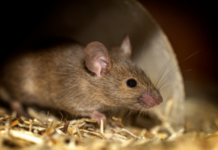
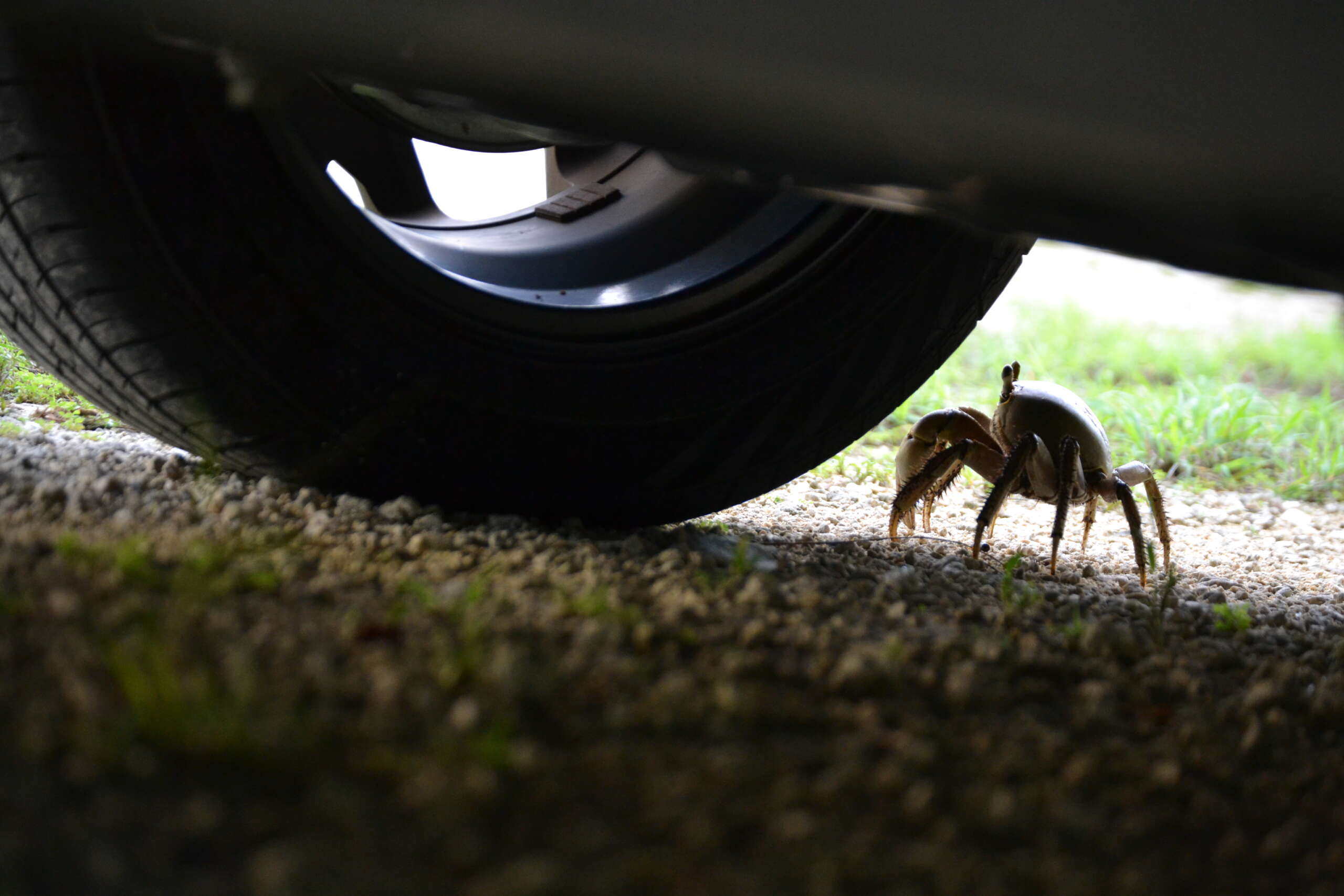
“Cats, rats, crabs, they will all go under your car,” he said. “We’ve definitely had it with the mice, rats, and they can do a lot of damage. With the crabs, we haven’t had really too many problems with them damaging vehicles.”
Food left inside or in the vicinity of unattended cars for long periods is a surefire way to attract unwanted visitors, says Sutton, who noted people should also avoid parking their cars next to fruit trees.
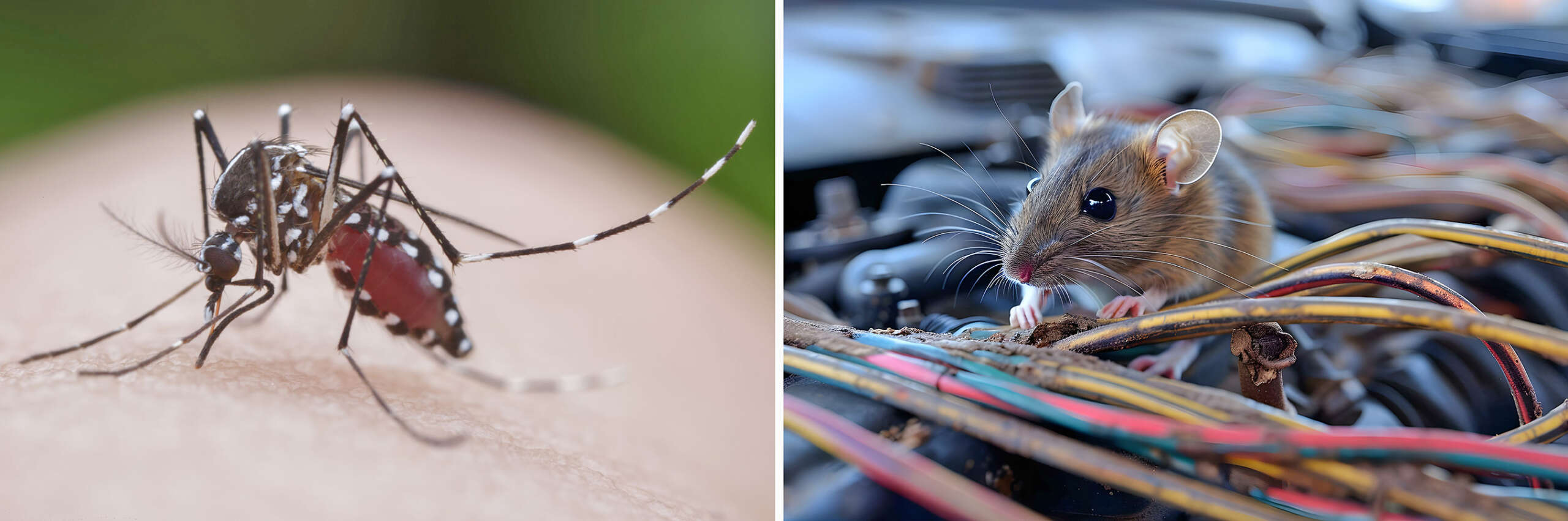
“The rats and the mice will definitely chew and cut up the wires, that sort of thing, and they will gather up the fruits and take it to a clean, dry place to have later on, and that happens to be vehicles,” Sutton added.
Increased number of the mosquitoes
Other than rats chewing the cords in cars, Kris New, deputy director of the Cayman Islands Mosquito Research and Control Unit, said the community should also be mindful of the resurgence of flying biters during the wet season.
“Obviously mosquitoes need water to reproduce, so the more rain, the more areas you have for mosquitoes,” New told the Compass.
“There are floodwater mosquitoes here on island and once their eggs are covered by water, they can immediately hatch off and that is what’s causing all the mosquitoes.”
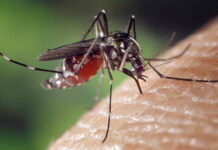
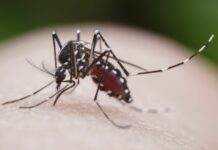
The Aedes aegypti mosquitoes, which carry dengue, chikungunya and Zika, will also be prevalent.
“They are the mosquitoes that breed in containers,” he said. “You could see over the next couple of weeks an increased number of the mosquitoes, not only your nuisance mosquitoes but floodwater mosquitoes that breed in some of the marshes and mangrove areas and also the container breeders.”
New said to minimise the chances of these insects being present around homes, people should rid empty plant pots from their yards, bird baths, clogged up gutters and kiddy swimming pools that have not been used for a while.
“They become really good breeding grounds,” he said. “Tyres are also excellent breeding grounds.”
He further suggests people keep their doors closed as much as possible if they lack screens, “because those mosquitoes will readily invade your home and will bite you while you’re asleep.”
“When you’re out, dawn or dusk, peak activity times, wear your repellent,” New said.
New confirmed that MRCU has deployed their mosquito trucks recently into targeted areas where they have seen numbers increase and will continue throughout the rainy season.
Related Videos