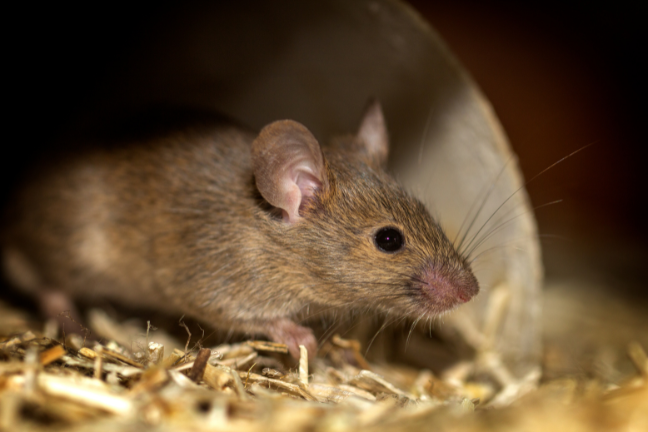
Little Cayman’s native species are under threat after an apparent spike in the rat population following the recent heavy rainfall.
The Department of Environment is urging residents to take steps to keep their properties rodent-free.
Simone Williams, DoE terrestrial research officer, in an emailed comment to the Cayman Compass last week, said though the removal of feral cats has led to increased “survivorship” of young Sister Islands rock iguanas and improved survival rates of brown booby chicks on Cayman Brac, rats remain a concern.
“Feral cats and rats are known to impact birds by preying on eggs and chicks during their most vulnerable life stages. Rats reproduce quickly and are more challenging to control than feral cats,” she explained.
The public has a role
The DoE, Williams said, has been actively involved in the Darwin Initiative project, ‘Safeguarding Cayman’s Sister Islands from Invasive Species’, to help save the critically endangered rock iguana and the iconic booby birds from invasive predators, mainly feral cats and rats.
She said that dealing with feral cats and rats is a “labour-intensive and ambitious task”, but noted that the Little Cayman community has been supportive of these efforts.
The DoE has engaged in a social media campaign to educate residents about the rat population and mitigating the health and environmental risks they pose.
In its campaign, the department explained that rats that live in more remote parts of Cayman generally can only breed during the rainy season, while rats living around humans are able to breed throughout the year because they have more reliable sources of food and water.
“That’s why limiting access to fresh water and food sources is so effective at controlling rat populations. You can be proactive in discouraging rats around your home by being mindful of standing water and food waste and rodent proofing your home. This coupled with consistent rodent control is key to truly managing the problem,” the DoE said.
Williams said the DoE’s preliminary work suggests that rat populations are more influenced by seasonal variations and access to water and food resources.
“During the dry season, Little Cayman becomes very arid, causing the rodent population to decline. Access to open water and food around dwellings and disturbed areas helps sustain rodent populations,” she said.
The DoE has sought assistance from the Department of Environmental Health, as they “have the expertise to advise and, in some cases, provide rodent-control assistance for homeowners”, Williams added.
Problem can be controlled
She said the DoE data indicates that areas with regular and consistent rodent-control programmes have lower rat populations.
“There is still much work to be done in rodent suppression. However, through collaboration with the Sister Islands community, Darwin, DEH, and other key stakeholders, we can continue to make progress in saving Cayman’s native species,” she added.
Cayman’s National Conservation Council earlier this year approved a draft plan to protect six species of native nesting seabirds across the Cayman Islands, which includes the Little Cayman booby bird.
That proposal designates the most densely populated nesting sites as ‘critical habitats’, and provides specific protections to lessen disturbance from human and animal activity.
The Seabird Conservation Plan was considered by Cabinet and is back with the DoE to discuss possible amendments with the National Conservation Council, the department said.
“A revision is in the works based on the NCC’s direction and though finalisation has been slightly delayed by other issues, it is still high on our goals for the remainder of 2024,” it added.
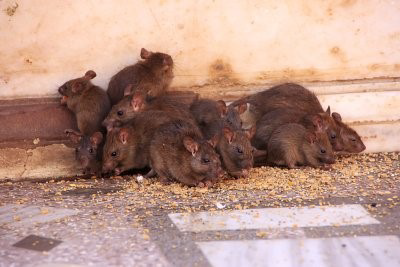
A DoE information page on rats stated that the population fluctuates between the rainy season – when the rodents breed more rapidly in response to the increased water and wild food availability – and the dry season – when resources diminish.
The department conducted a study before and after feral cat control in Little Cayman which found no significant change in the rat population after the cat numbers were reduced.
“What we did see was that the population increased in the rainy summer and decreased in the dry season confirming other findings that rodent populations fluctuate in response to seasonality in the environment, not to the presence or absence of cats … The number one factor is household waste. Unmanaged garbage and illegal dumping provide rats with perfect conditions to live and breed,” the DoE said.
The environment department is urging the community to exercise care when using rodent-control methods as many rat poisons are toxic to humans, pets and wildlife, and snap traps have powerful springs which cause injury.
To request an environmental health assessment of a property, the public can call the Department of Environmental Health on 949-6696 (Grand Cayman) or 948-2321 (Sister Islands) or email [email protected].
Related Videos