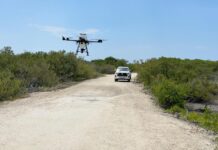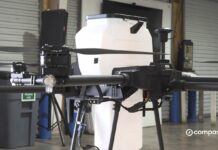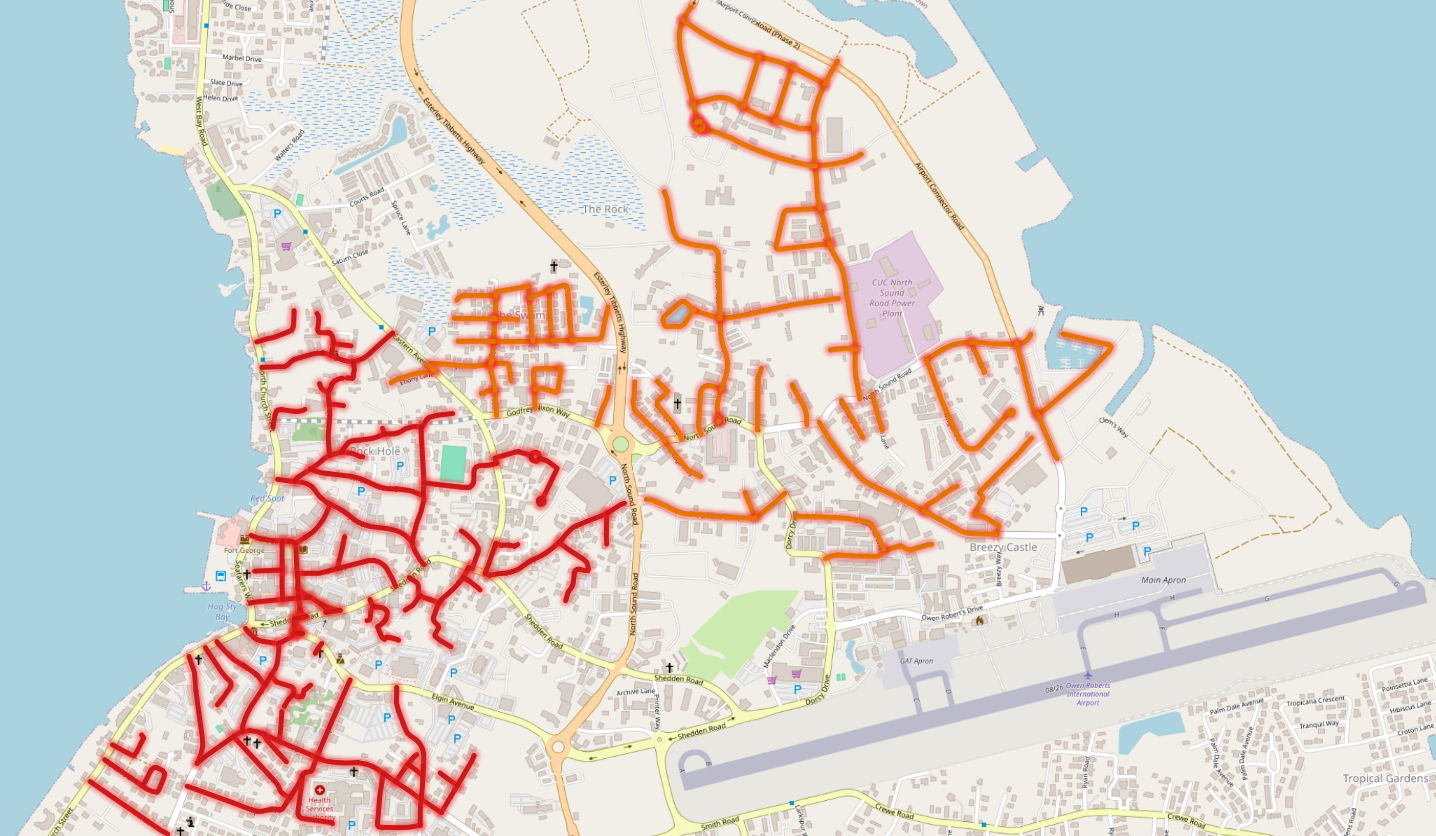
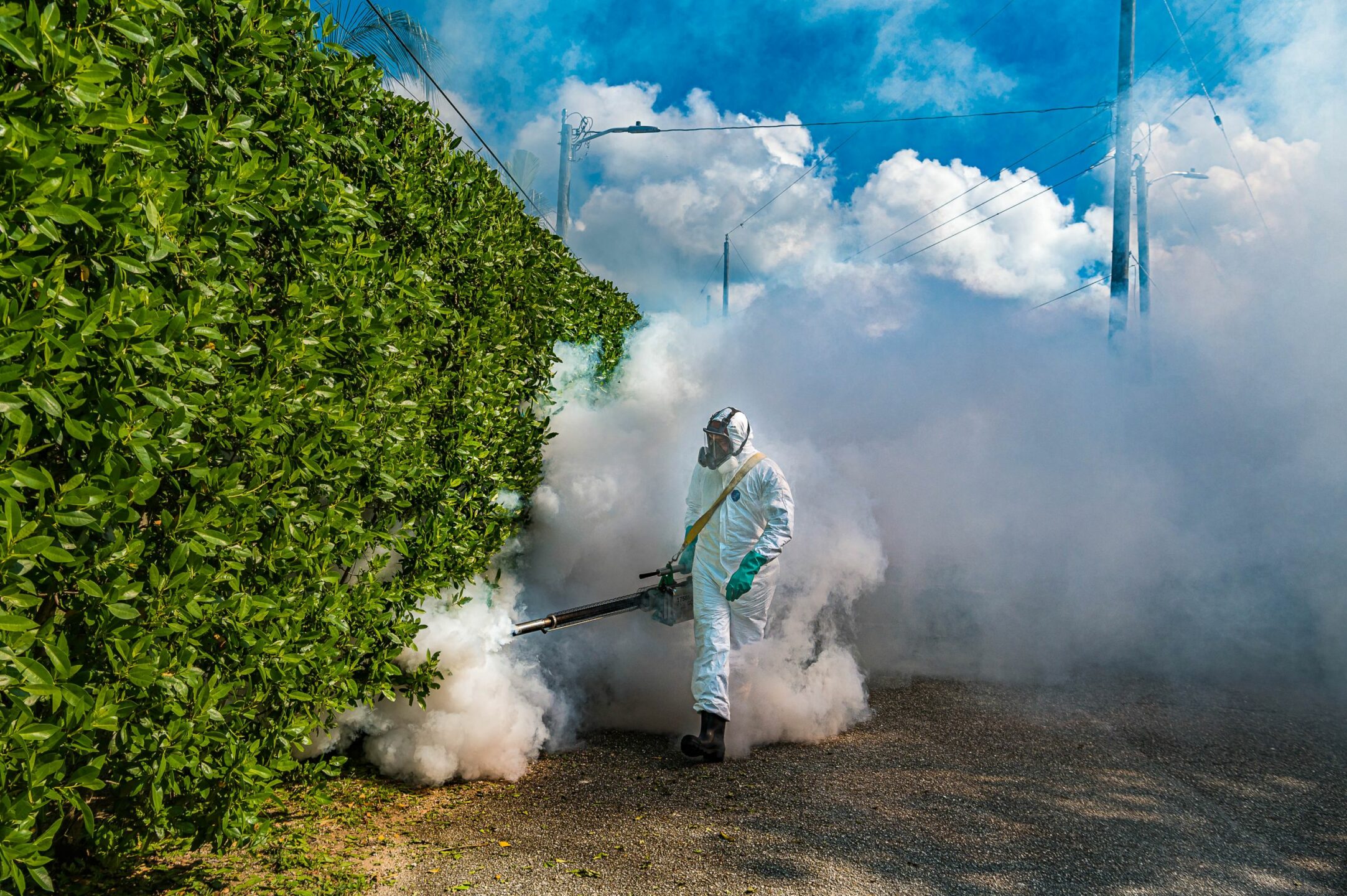
Mosquito-fogging begins in earnest on Monday night as the Mosquito Research and Control Unit (MRCU) targets streets around George Town with its distinctive Buffalo Turbine which can blast larvicide 100 feet into the air.
Fogging will begin at 8pm Monday evening and continues at 4am Tuesday morning as part of MRCU’s efforts to reduce the mosquito population on Grand Cayman.
Earlier this month, MRCU had warned that mosquito numbers were on the increase thanks to flooding of low-lying areas caused by recent high tides which create ideal conditions for mosquito breeding. Last week’s tropical storm further increased the amount of standing water on the island, with more rain forecast, so the MRCU has taken the decision to try and reduce larva numbers before they hatch into mosquitos.
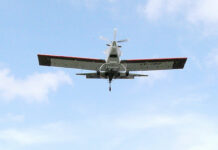
Larvicide is usually distributed across the island by plane, but in areas where air traffic is limited, such as near the airport, the distinctive road-based Buffalo Turbine is deployed.
Kevin Watler, MRCU public education outreach officer, said that Altosid, the larvicide used by the MCRU, is ‘very safe’ for humans, pets, marine life and plants and is a vital tool in the battle against the insects, which not only can deliver uncomfortable bites but also spread diseases such as malaria, yellow fever, dengue and Zika.
“We also need the public to do their share,” he told Cayman Compass. “We’re trying to get ahead of a growing problem and people can really help by eliminating cases of standing water on their property, such as in flowerpots, tarps, tyres, buckets and even children’s toys.”
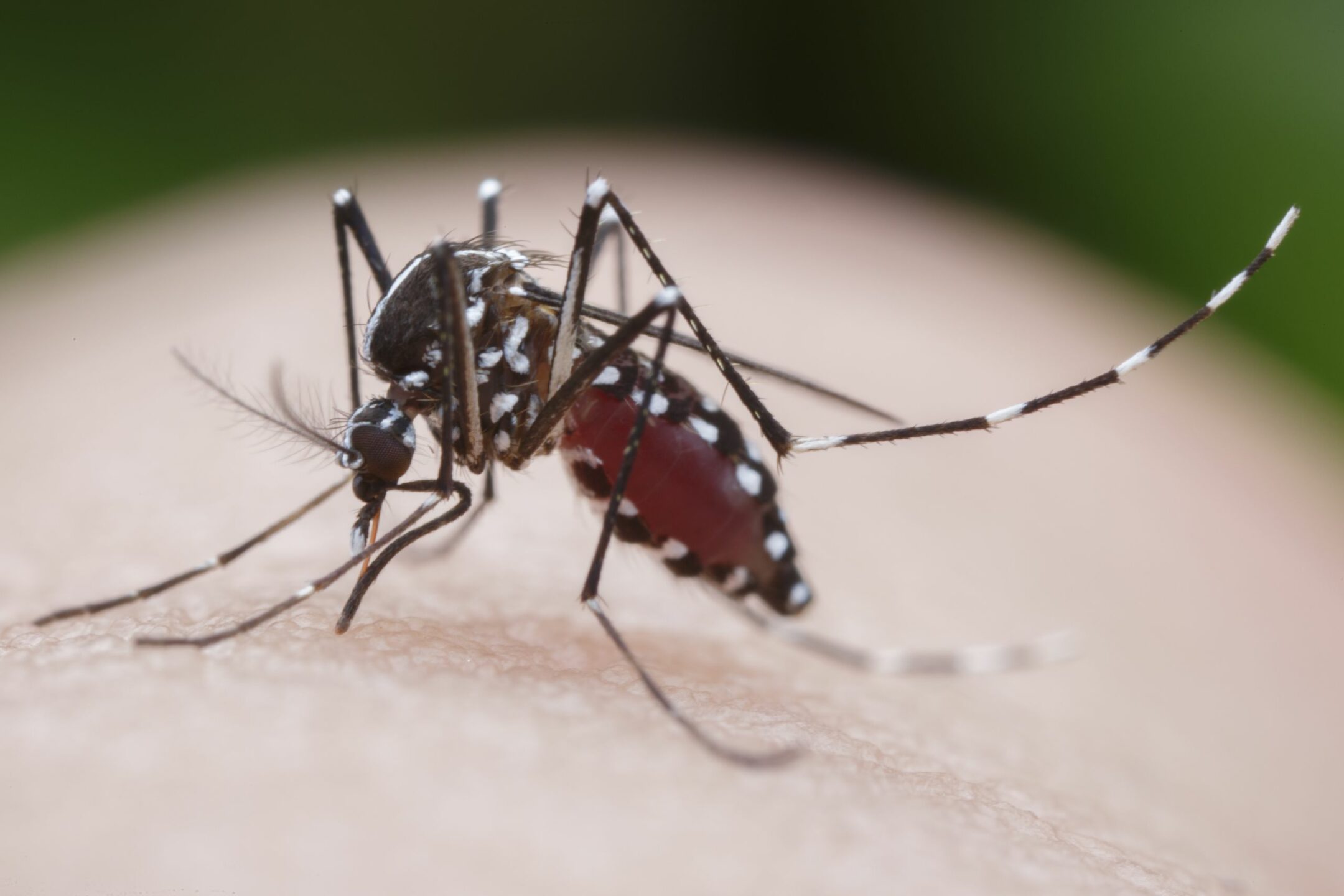
Mosquitos used to be a huge problem on the Cayman Islands, where cows and horses used to be suffocated by the sheer numbers of the insect. The island still holds the world record for the number of mosquitoes caught in one night by one trap – 793,103 in Bodden Town on May 29, 1974.
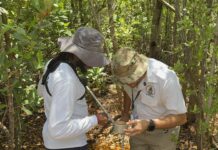
Since then, a targeted programme of aerial spraying and pellet deposits in swamp areas as well as property inspections and data collection, means that numbers have been significantly reduced to the relief of residents and tourist visitors alike.
“We’ve been really getting ahead of the situation and other islands come to us for advice,” says Watler. “Without the work in this area, we wouldn’t have a tourist product at all.”
The MRCU is currently training drone pilots to become the latest part of its arsenal against the 20 different species of mosquitoes which live on the Cayman Islands, so more remote areas can more be targeted and breeding sites identified.
Earlier this year, data from traps suggested that 2024 had seen the lowest numbers of mosquitoes since 2020. Figures for June showed an average daily number of mosquitoes in traps at 10.1, a sharp drop from the 204.6 recorded during the same period last year.
Full list of streets where mosquito-fogging will take place from 8pm tonight
Albert Panton Street
Arthur’s Way
Bodden Road
Bodden Way
Boilers Road
Casper Walk
Cruze Lane
Dr. Roy’s Drive
Eden Road
Eclipse Drive
Edward Street
Fort Street
Genesis Close
Goring Avenue
Hospital Road
Humber Lane
Linwood Street
Main Street
Maple Road
Martin Drive
Mary Street
McField Lane
Melrose Lane
Memorial Avenue
Middle Road
Palm Drive
Parson’s Circle
Pasadora Place
Pond Road
Rock Hole Road
School Road
Smith Road
South Church Street
Sound Way
Walkers Road
Warwick Drive
Wahoo Close
Whitman Seymour Road
Full list of streets where mosquito-fogging will start from 4am tomorrow morning (Tuesday 1st Oct)
Ashgo Street
Barnes Drive
Bernardo Drive
Breezy Way
Bronze Road
Brinkley Drive
Burham Drive
Commercial Avenue
Crackle Road
Cypress Road
Ebony Lane
Greenwood Drive
Heather Lane
Heron Lane
Industrial Way
Kennedy Drive
Kentsville Drive
Kingbird Drive
Owen Roberts Drive
Paddington Lane
Red Gate Road
Seymour Road
Shasimju Lane
Shedden Road
Sherwood Drive
Sparky’s Drive
Tortuga Way
Washington Road
Woodpecker Road
Wren Lane
Related Videos