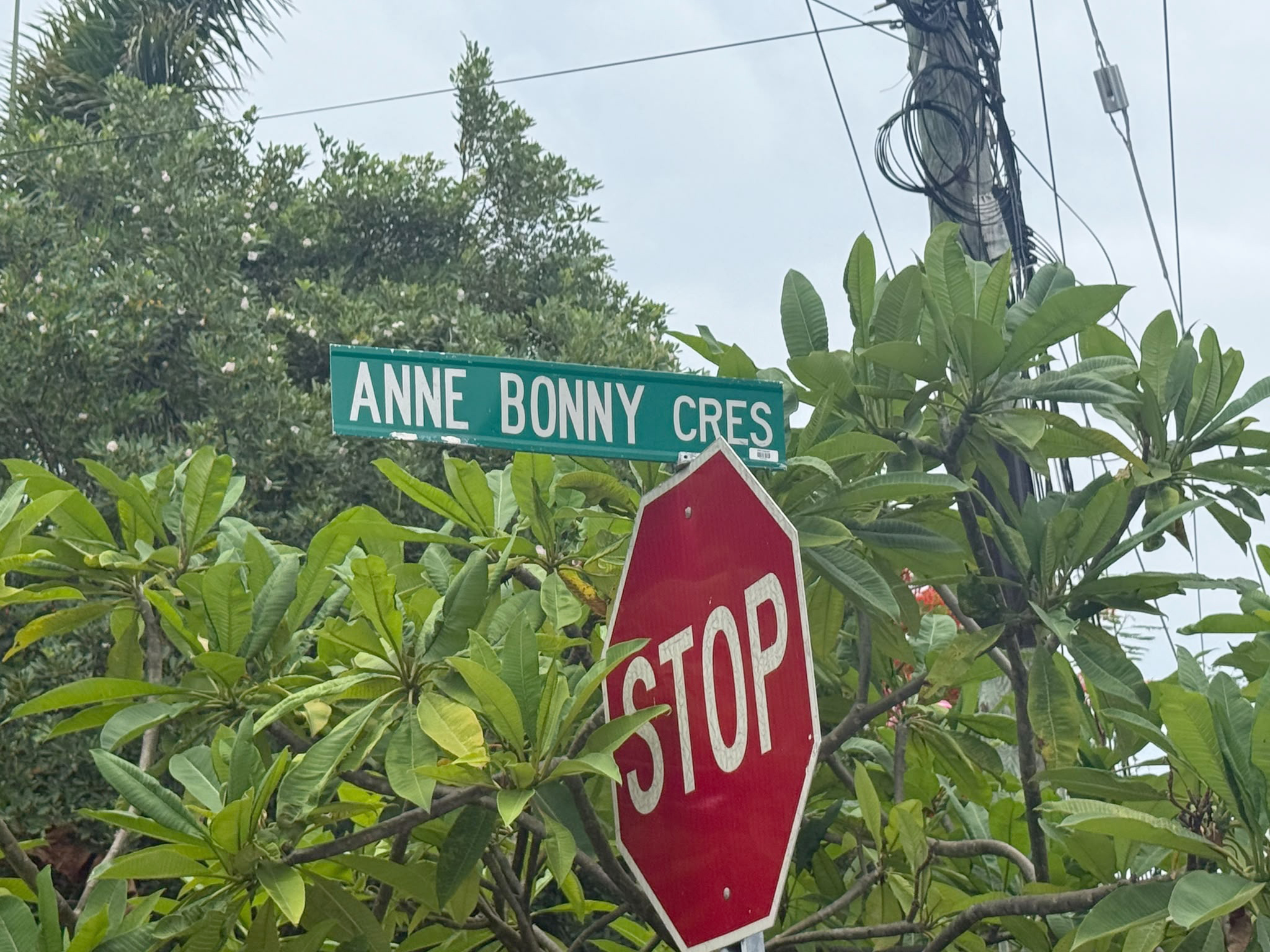
Every week, thousands of residents and tourists drive along Esterley Tibbetts Highway, go through security at Owen Roberts International Airport, drop children off at John Gray or Clifton Hunter high schools or even play football at the Truman Bodden Sports Complex. But how many people know the people behind the names?
While several other countries choose to commemorate significant people in their history with statues, it could be said that Cayman has created an island-wide historical hall of fame that people interact with every day.
Through the naming of its roads, airports, schools and public buildings, key figures from Cayman’s past continue to be part of the islands’ present, with people from politics, tourism, infrastructure, education and seafaring all remembered in this way.
Airports
Owen Roberts and Charles Kirkconnell
Every 10 April, the Cayman Islands Airports Authority pauses to remember the legacy of Owen Roberts, who passed away 73 years ago, saying that his contributions to the development of aviation in Cayman continue to shape the country today.
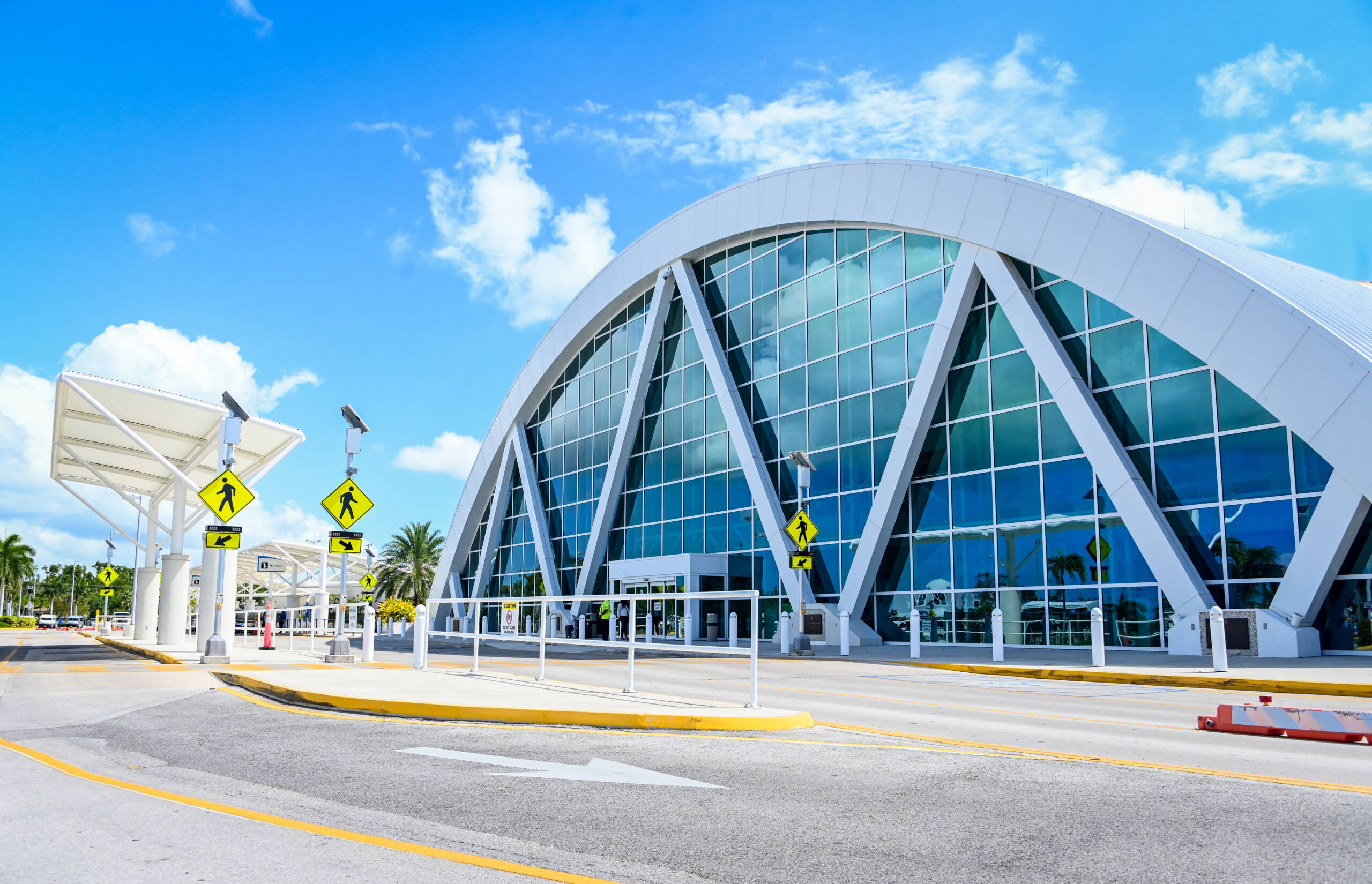
Owen Roberts, also known as ‘The Commander’, was a British RAF officer and aviator. Born in London in 1912, Roberts was a wing commander in the Second World War and later founded Caribbean International Airways.
By 1950, he had succeeded in operating regular flights between Grand Cayman, Florida, Jamaica and Belize, and was praised in the UK Parliament: One MP is recorded as saying, “Our great empire and Commonwealth was built by men like Wing Commander Roberts, who put their money, efforts and energies into small businesses which have since grown.”
Hampered by the lack of infrastructure, Roberts was strongly advocating for airfields to be built on all three of the Cayman Islands. At that time, there was no airfield in the Cayman Islands at all, so Roberts had to operate an amphibian aircraft that landed on the sea, with all the technical problems of taking the passengers and freight off by boat and getting them ashore.
Construction started on an official airstrip in Grand Cayman in 1952 and Roberts made the first landing later that year on the partially completed airport runway. Tragically, during a Caribbean International Airways flight from Kingston to Grand Cayman on 10 April 1953, the Lodestar plane piloted by Roberts crashed on take-off, killing 13 of the 14 people on board, including Roberts and his sister, Angela.
The George Town aerodrome which Roberts had envisaged was officially opened in March 1954 and named in his honour.
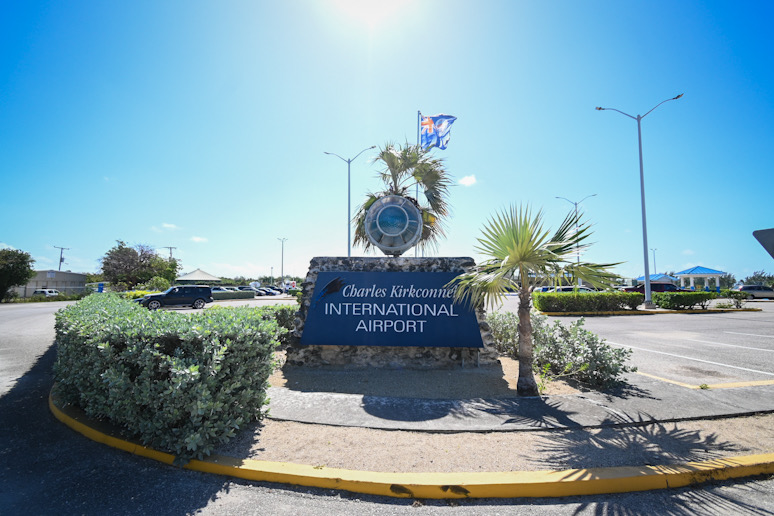
Cayman Brac’s airport, meanwhile, has had a name change in its history. Originally named Gerrard-Smith International Airport, after past Cayman Brac district commissioners Andrew Gerrard and Ivor Smith, it was renamed Charles Kirkconnell International Airport in 2012 in memory of the late Captain Charles Leonard Kirkconnell, a prominent local businessman and former Cabinet minister with strong ties to the Sister Islands.
Schools
John Gray, George Hicks, Clifton Hunter and John A Cumber
The Cayman Islands has a strong tradition of naming its schools after people rather than places, with many, though not all, named after key figures in the schools’ history.
One such educational building is John Gray High School, which had its beginnings in 1946 during the centenary celebration of the Presbyterian Church of Jamaica and Grand Cayman, when the idea of starting secondary education run on British lines in Grand Cayman was discussed.
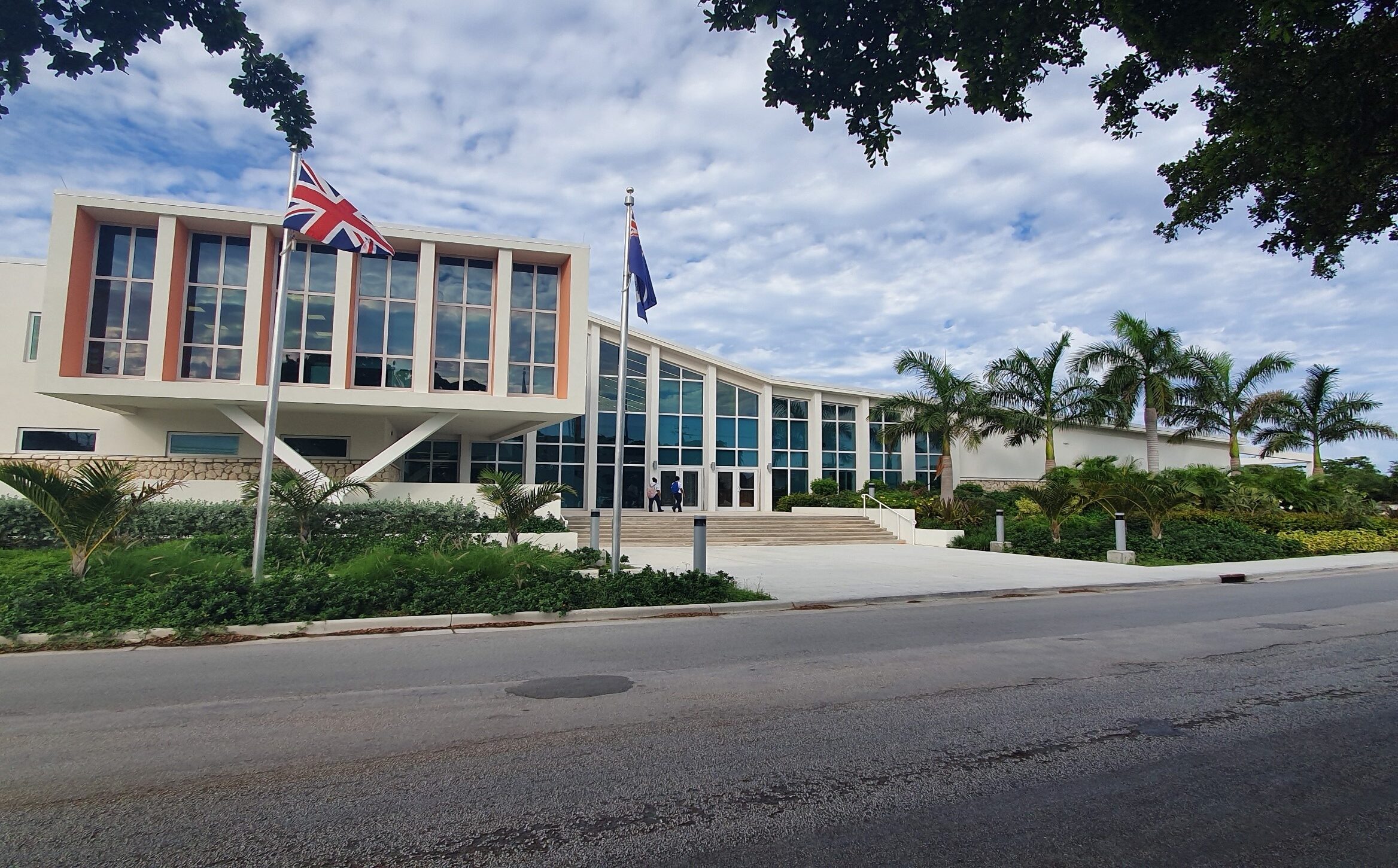
The school was officially opened in January 1949 by Rev. George Hicks, a Church of Scotland missionary and an inspector of schools. Hicks asked Reveranc John Gray, a Scottish missionary associate, to take over the running of it and to assist with the ministry work.
Gray became headmaster in April 1949. The school later became a government-run comprehensive and was split into a senior school and middle school, which were renamed George Hicks High School and John Gray High School in September 1992.
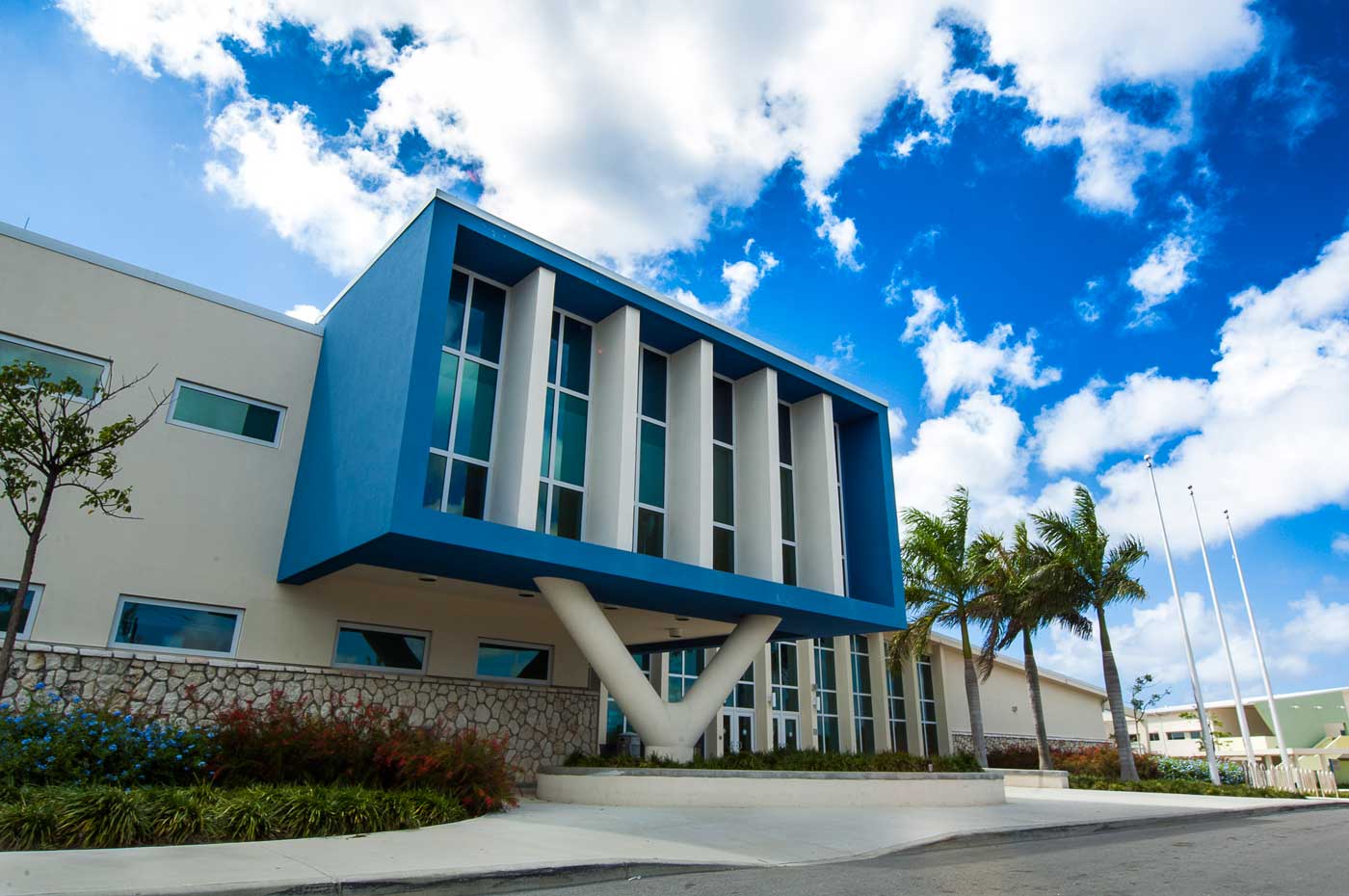
Meanwhile, Clifton Hunter High School in George Town is named after the first Education Officer in the Cayman Islands. Hunter, who died in 1980 at the age of 71, was a prominent educator, lawyer and civic leader. He was appointed Educational Officer in 1947 and was head of the Education Department until his retirement in 1964. He also founded law firm Hunter & Hunter – which is now known as Appleby – alongside his son, Arthur Hunter.
In West Bay, Sir John A. Cumber Primary School, which opened in 1968, was named after the administrator of the Cayman Islands, who served from 1964 to 1968. According to the Caymanian Weekly report from the time, “Mr. Cumber himself performed the opening ceremony. He said that it was a great honour to have the school named after him. It was a great compliment which he appreciated.”
Roads
Esterley Tibbetts
The road, the first part of which was once called the Harquail Bypass and opened to traffic in 1997, was renamed the Esterley Tibbetts Highway in 1999 after a decision was taken in the Legislative Assembly to honour the then 50-year-old Public Works Department.
Esterley Tibbetts, who died eight months after the road was named after him at the age of 89, was a former superintendent of the department, having been appointed superintendent of works by Sir Hugh Foot, governor of Jamaica and the Cayman Islands, in 1949.
At the time, the Public Works Department had a staff of just 12 people but fulfilled an immense workload that included building and maintaining roads, government buildings, lighthouses, telephone systems and the airport runway.
At the official opening to the extension in 2006, Tibbetts’ daughter, Janet Macmillan, said she felt very privileged to be representing her father, who had passed away six years earlier: “I feel very proud today,” she said.
John McLean
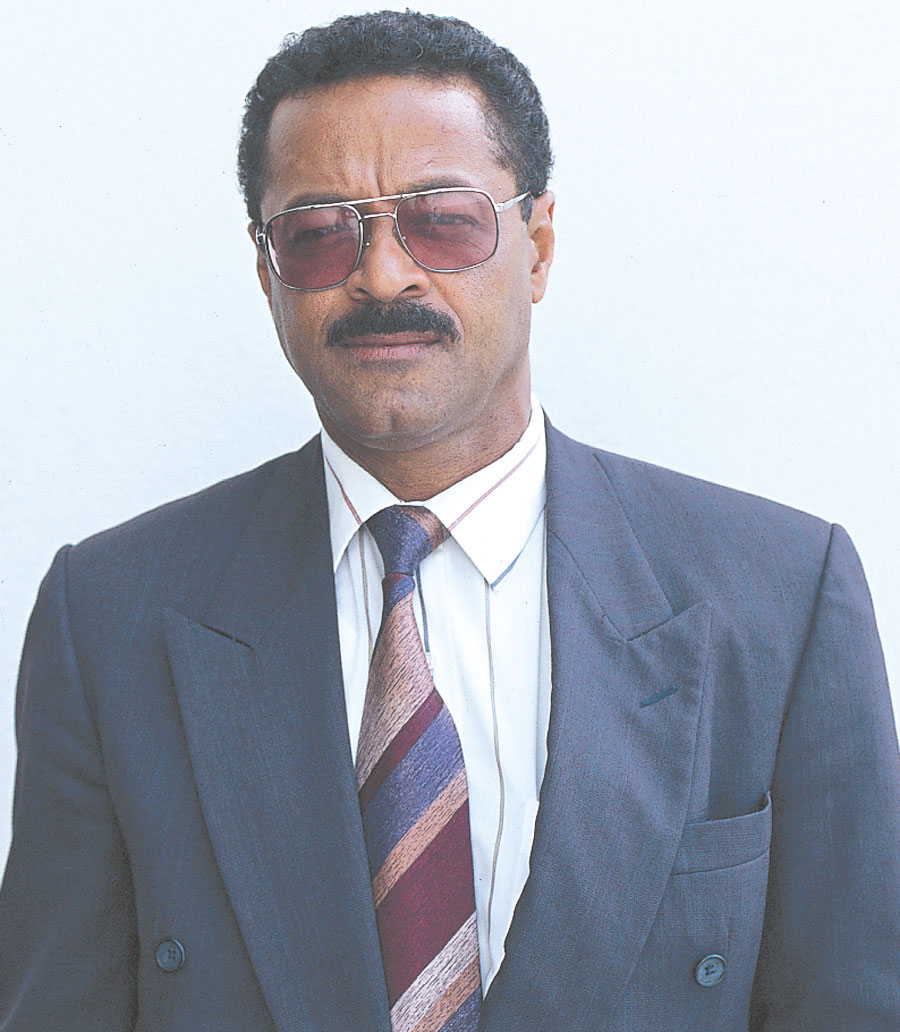
John McLean Drive in East End was formerly known as the more descriptive “Up on the Hill”, but was renamed after a former Cabinet minister, the late John McLean, East End’s MLA from 1976 to 2000.
Compass Media’s archivist Ivan Burges said McLean “was responsible for pushing the road through. He was quite an innovative person in that he really pushed for the infrastructure in his constituency”.
The road was credited with saving lives during Hurricane Ivan because someone had the foresight to create a makeshift escape route from East End’s main coastal road to John McLean Drive.
People tied a rope from the Church of God Universal on Sea View Road to a car parked on John McLean Drive to guide themselves up the hill to the Civic Centre as Hurricane Ivan blew through their homes.
McLean passed away in 2019, at the age of 69.
Earl of Crewe
Another road with a whimsical former name is Crewe Road, once called “Through the Woods”.
Laid out in 1908 by Arthur J Roberts at the behest of Commissioner of the Cayman Islands George Hirst, it was constructed in 100-yard segments to try and encourage the economy, as different contractors got the opportunity of earning some money.
It was named after the Earl of Crewe, formerly known as Robert Crewe-Milnes, the ecretary of state for the colonies at the time.
Frederick Shedden Sanguinetti
Shedden Road extends from Hog Sty Bay in George Town through to the junction of Crewe Road and Dorcy Drive by the airport. It is named after British officer Frederick Shedden Sanguinetti, the first commissioner of the Cayman Islands, who came to Cayman in 1898 until he retired to the UK in 1906, where he died of ill-health soon thereafter.
“When he was first here,” said Burges, “he used to ride around on a donkey during the mosquito season, wearing a beekeeper’s hat … I guess the mossies were pretty bad in those days”.
Annie Huldah Bodden
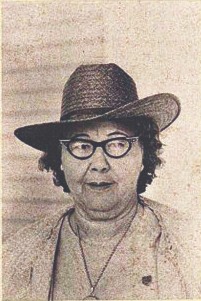
Huldah Avenue, one of the few major roads named after a woman, might be short, spanning from just from its junction with Smith Road to the Cayman National roundabout, but it is certainly high profile, as befits its namesake, Annie Huldah Bodden.
Huldah Bodden was a Caymanian civil servant, lawyer, politician and trailblazer, being the first woman to serve in the Legislative Assembly of the Cayman Islands, of which she was a member from 1961 to 1964 and from 1965 to 1984.
She was also the first female chief government auditor and the first female attorney.
Her tireless work led her to being awarded the prestigious Order of the British Empire, another first for a Caymanian woman, and being featured on the commemorative set of stamps.
She passed away in 1989, at the age of 81.
Sport
Truman Bodden and Jimmy Powell
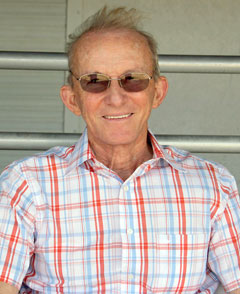
Judging by the letters pages of the Compass at the time, the decision to name George Town’s sport stadium after a politician rather than a sporting star was a controversial one.
But the stadium was duly opened and named the Truman Bodden Sports Complex in April 1995 in a star-studded opening ceremony at which 20 people and companies were recognised for their contribution to Cayman sport.
The stadium was named after Minister Truman Bodden, who implemented the first phase of its development in 1984.
Bodden himself had an illustrious career, becoming in 1969 the first Caymanian barrister admitted to the Bar of England and Wales. He later founded his own law firm, Truman Bodden & Co., which eventually became Higgs & Johnson.
Bodden had several high-profile roles, including assistant to the attorney general, and a Member of the Legislative Assembly for over two decades. From 1995 through 2000, he also served as leader of government business – the elected government’s top position until 2009 when the office of premier was established. The Truman Bodden Law School in George Town is also named after him.
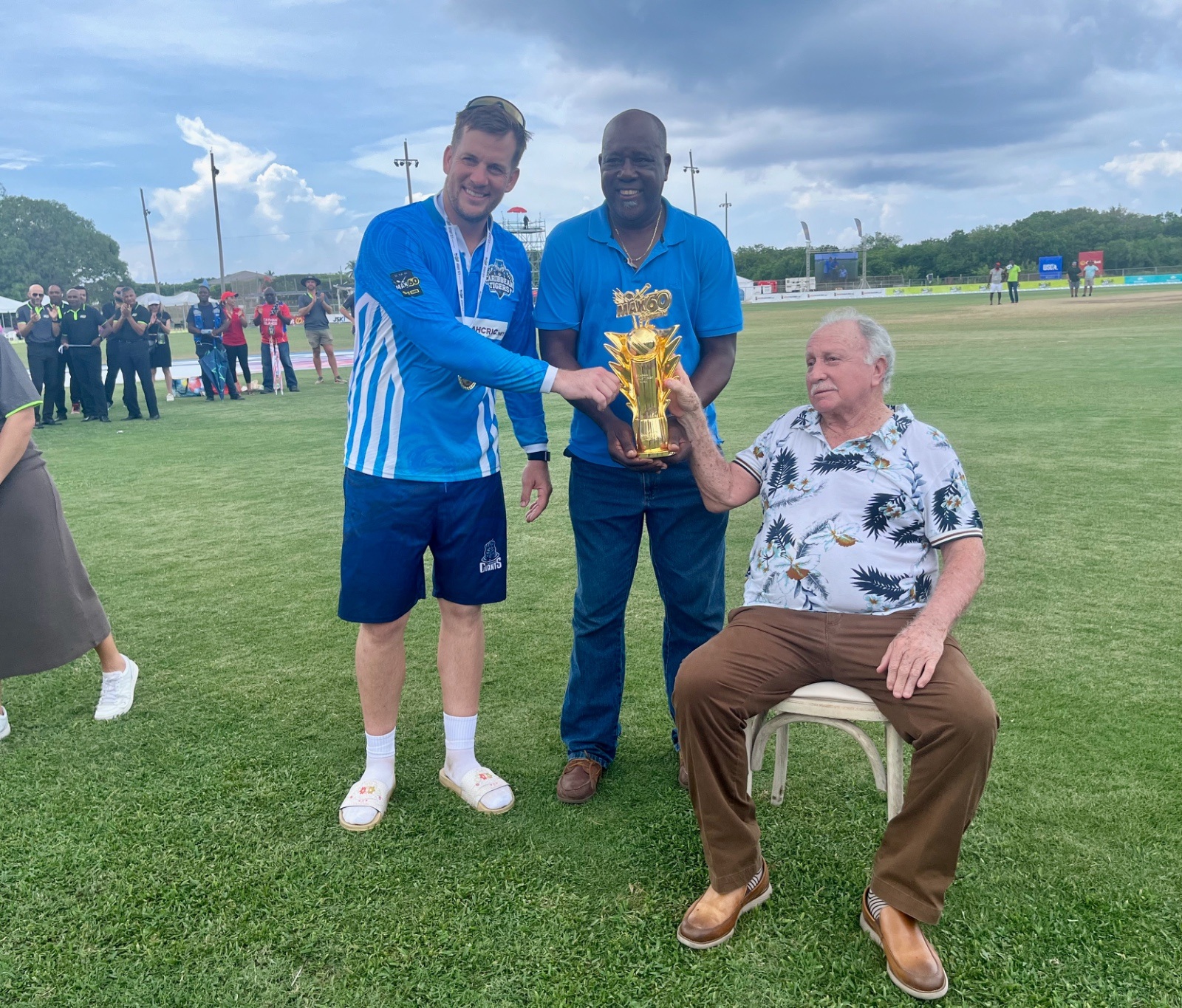
No such controversy was heard over the naming of the Jimmy Powell cricket stadium in West Bay in 2009. A Compass article at the time said, “Jimmy Powell has not just dedicated his life to playing cricket to the highest level he could, he has put his heart and soul into raising Cayman’s overall standards and facilities in the game.”
Known as “The godfather of Cayman cricket”, Powell was a carpenter by trade who formed his own building company in 1978 and employed around 40 Caymanians. As for cricket, Powell started playing seriously in West Bay from the age of 10.
He was obsessed with cricket, improving his game by watching matches and reading books constantly. A brilliant all-rounder, he captained West Bay for many years, winning the league several times. He scored the first officially recorded century in Cayman in 1968.
“I had no intention of them building the stadium in my honour, I just wanted them to build a cricket field for the people of the Cayman Islands,” said Powell about the honour.
Related Videos