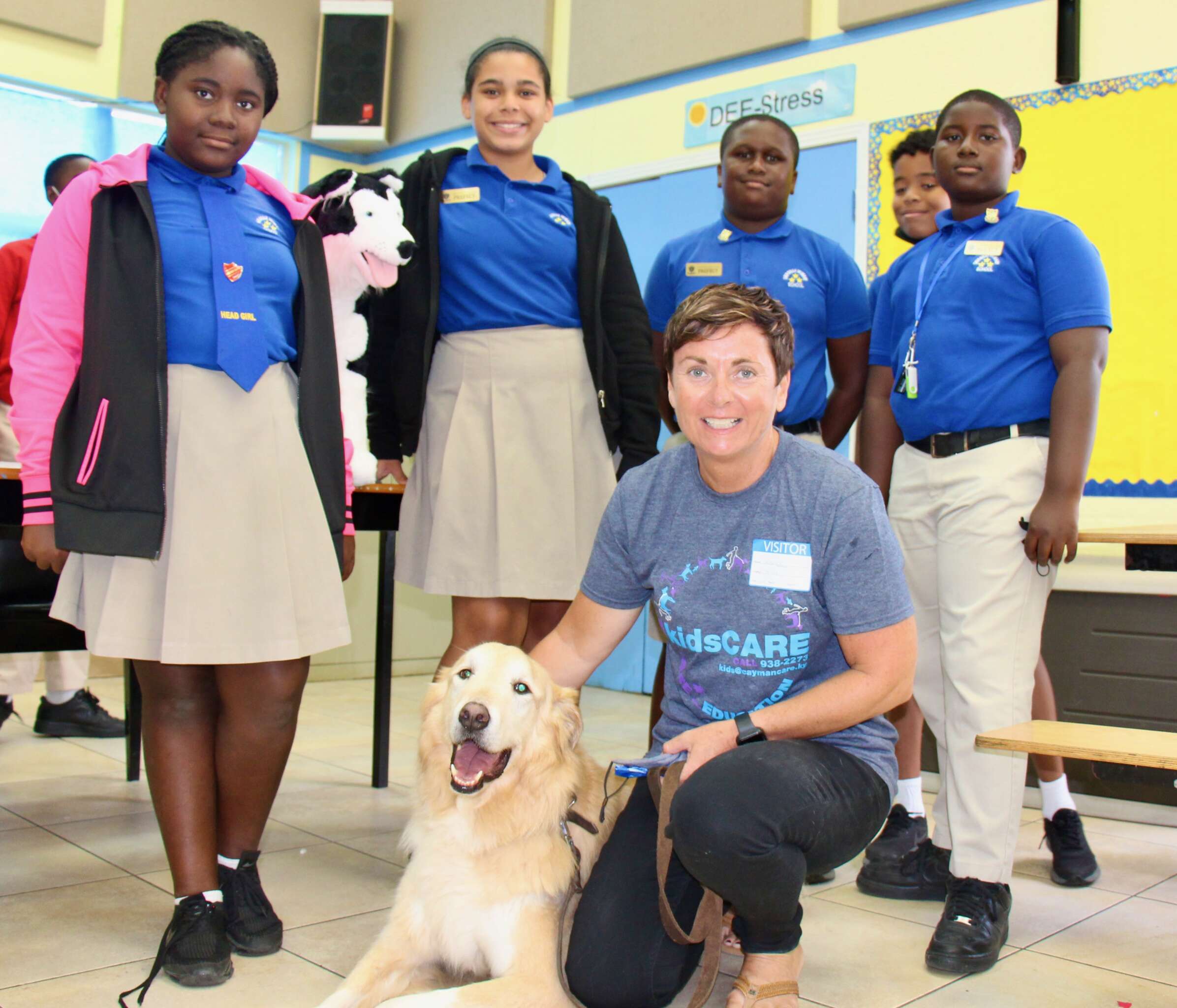
Cayman’s school children are being taught the dos and don’ts of responsible pet ownership, in an effort to help create generational change in the way animals are treated on island.
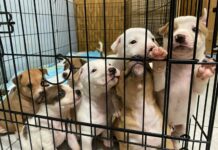
Overpopulation of pet animals is fuelling an epidemic of neglect and abuse, with the Humane Society shelter overflowing with unwanted dogs and cats.
Grassroots charity CARE – which offers free spay and neuter surgeries for pet owners that cannot afford the vet bills – is going into schools with a mission to educate the next generation about how to look after their pets.
Education is considered essential to spreading the word about the importance of spaying and neutering animals, as well as the basic needs of pets.
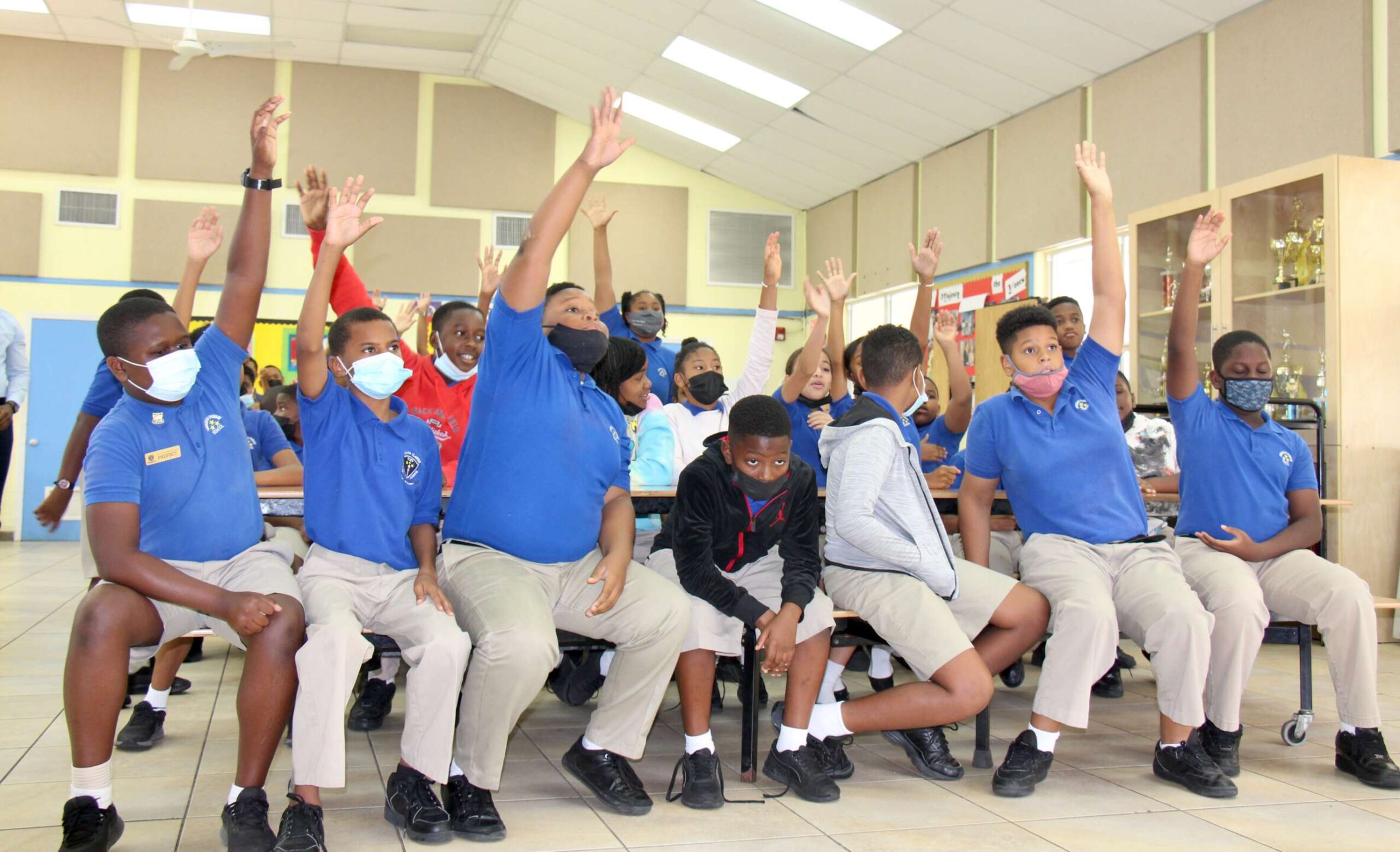
Hundreds of children from the Joanna Clarke Primary School in Savannah received a visit from volunteers from KidsCARE on Monday.
Rescue dog Marcus was a special guest at the lunchtime assembly for year 5 and 6 students, where children learned some of the heartbreaking stories of dogs left behind at the shelter.
The volunteers also taught youngsters about the needs of pet animals – including water, food and exercise. The children also learned about the importance of spaying and neutering to prevent pet populations from expanding out of control.
And they got a chance to meet Marcus and learn the safe way to approach a dog.
“The KidsCARE project aims to teach students empathy for other beings and care for their environment, qualities essential to raising kind, compassionate citizens and empower students to realise they can make a positive difference in their communities and the world around them,” said Kiralee Harnett of the charity.
Domestic pet overpopulation and ill-treatment is an island-wide issue causing social and environmental tensions, the charity warns.
And the impacts spiral beyond the effects on the pets themselves.
“It can cause friction within communities, pose health and safety issues and environmental impacts, resulting in a threat to Cayman’s precious indigenous wild animal populations including native birds and of course, Cayman’s precious Blue Iguana, and left unchecked, will ultimately pose a threat to our tourist industry.”
Harnett said educating school children is a big part of the charity’s push to change attitudes to pet animals in Cayman. Lots of children own pets or are the motivators for families getting pets and she said teaching them the right behaviour was paramount to ensuring a safer, better future for animals in Cayman.
The programme also involves a pets magazine aimed at children.
“CARE’s school education programme has been very successful in assisting to teach children kindness and respect for animals, focussing on a child’s connection to animals and nature, teaching the children about proper pet care, respect for wildlife, inspiring a love of reading and fun activities surrounding these issues,” she said.
Related Videos