The Department of Environment has confirmed that outdoor cats being cared for on people’s private property are considered pets, and has given animal charities the go-ahead to continue spaying and neutering them, following confusion over new regulations that banned the release of animals after they have been trapped and sterilised.
The Humane Society, which has sterilised more than 2,300 cats and dogs over the past two years, said in a statement, following a recent meeting with the DoE, it was confirmed “that we can continue to spay and neuter outside pets”.
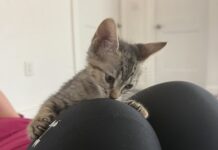
“It was agreed that if people are feeding cats that live on their property and they provide veterinary care for them, that these will be treated as pets. People can continue to feed them and we can continue to spay and neuter them. It is the pet owner’s responsibility to keep them on their property,” the Humane Society said.
The DoE confirmed to the Compass that animals “being kept, fed and cared for by the owner on the owner’s property are pets and may be serviced for spay and neuter by animal charities”.
It added that it is continuing to advocate for “responsible pet ownership including controlling pets’ movements”.
In 2022, the Humane Society spayed 1,143 animals – 772 cats and 371 dogs – and in the year before, 1,211 animals – 738 cats and 473 dogs. These included animals in the shelter, pets, and feral cats and dogs.
New regulations
The National Conservation (Alien Species) Regulations 2022, published in November last year, made it an offence to release alien animals, including cats and chickens, into the wild, as well as to feed them.
Under the National Conservation Act, the maximum penalty for offences, for which no other specific penalty is outlined, is $500,000 and/or four years in prison.
However, the DoE says people who feed chickens or cats in the wild will not be arrested or subjected to this level of penalty.
A DoE spokesperson said, “If someone were supporting a feral animal colony in the wild to the point that prosecution was eventually made, it’s beyond unlikely that a judge would hand down a maximum penalty for that.”
She said the point of the maximum penalty is to account for the “worst possible hypothetical cases of infraction under the law”.
Confusion over the new regulations has led to much criticism, both from local animal charities and resident animal lovers.
Caroline Johnston, of One Dog At A Time, told the Compass, “Many of my friends with cats are panicking as they think their domesticated cats will just be shot – despite being microchipped and collared. And dogs, the policy does not make clear what they class as a feral stray or domesticated dog. The Department of Agriculture can’t manage the issues they currently have. Dogs are reported to them every day for neglect – chained, unfed, no water… but nothing is done.”
She suggested that introducing an animal licence for pet owners and breeders would address many of the issues relating to animal welfare on island.
She also lamented what she said was a lack of consultation on the new regulations.
“The policy should not be coming into effect until it has had a thorough review by people who actually know what they’re talking about, so it is clear and precise and protects sensible, law-abiding citizens with pets,” she said.
Keeping cats indoors
The DoE has been highlighting that the predatory nature of cats leads them to roam and hunt, often at the cost of endangered native species.
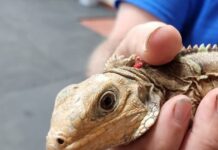
A cull of feral cats was undertaken in Little Cayman last year after the animals were blamed for killing baby Sister Islands rock iguanas, which are native to the island. And, in December, a cull of cats living on the remote eastern end of the Bluff on Cayman Brac, was begun in response to a marked decline in the population of brown booby fledglings.
The Humane Society, in its statement, agrees with the DoE that pet cats should be kept indoors, and noted that its policy has always been that cats should be kept inside for their own safety and well-being; “this is why all fosterers and adopters have to sign up to keep the cats inside before they are allowed to take Humane Society cats”.
It urged people to keep any indoor/outdoor pet cats inside at all times, saying there are “many dangers to cats outside; inside they can live a lot longer and have a better quality of life if people engage them in active play”.
The charity said the sudden introduction of the new regulations, with no transitional period outlined in them, had put the Humane Society “under even more strain”.
“It has caused people who currently have outside pets to believe that they may have to abandon them, as they cannot afford the cost of building an outside enclosure and are afraid to continue feeding them,” it said.
Another animal charity, Cayman Animal Rescue Enthusiasts, known as CARE, said it had not had a meeting with the DoE, but understands that the clarification on the regulations means that animals that are trapped on properties such as construction sites or quarries, to be spayed and neutered, would no longer be allowed to be released back to those sites once surgeries have been completed.
The Humane Society said that while the clarification on enforcement of the spay-and-neuter rules helps it continue its work, “the government has passed the new rules as a regulation and with no consultation process at all, thus depriving the public and the animal welfare charities on the island of an opportunity to be heard and an opportunity for their democratically elected representatives to vote on the issue”.
In an open letter to Premier Wayne Panton, the Humane Society decried the lack of consultation on the new regulations, which it said were “unnecessary, disproportionate and represent a drastic regression for animal welfare law and policy in these Islands”.
An article on the Humane Society’s letter to the premier will follow.
Related Videos