Cayman’s 2022 turtle nesting season is now the longest on record after the last official nest of the season hatched on 22 Feb. on Little Cayman.
It comes as a record-breaking 858 nests were logged for 2022, the highest total since the Department of Environment starting logging statistics in 1998.
Jane Hardwick, DoE research officer and Sea Turtle Programme manager, through a post of the DoE Facebook page, said the final nest of the season was from a hawksbill that had a very long incubation time of 75 days due to the cooler winter temperatures.
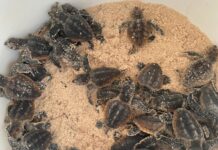
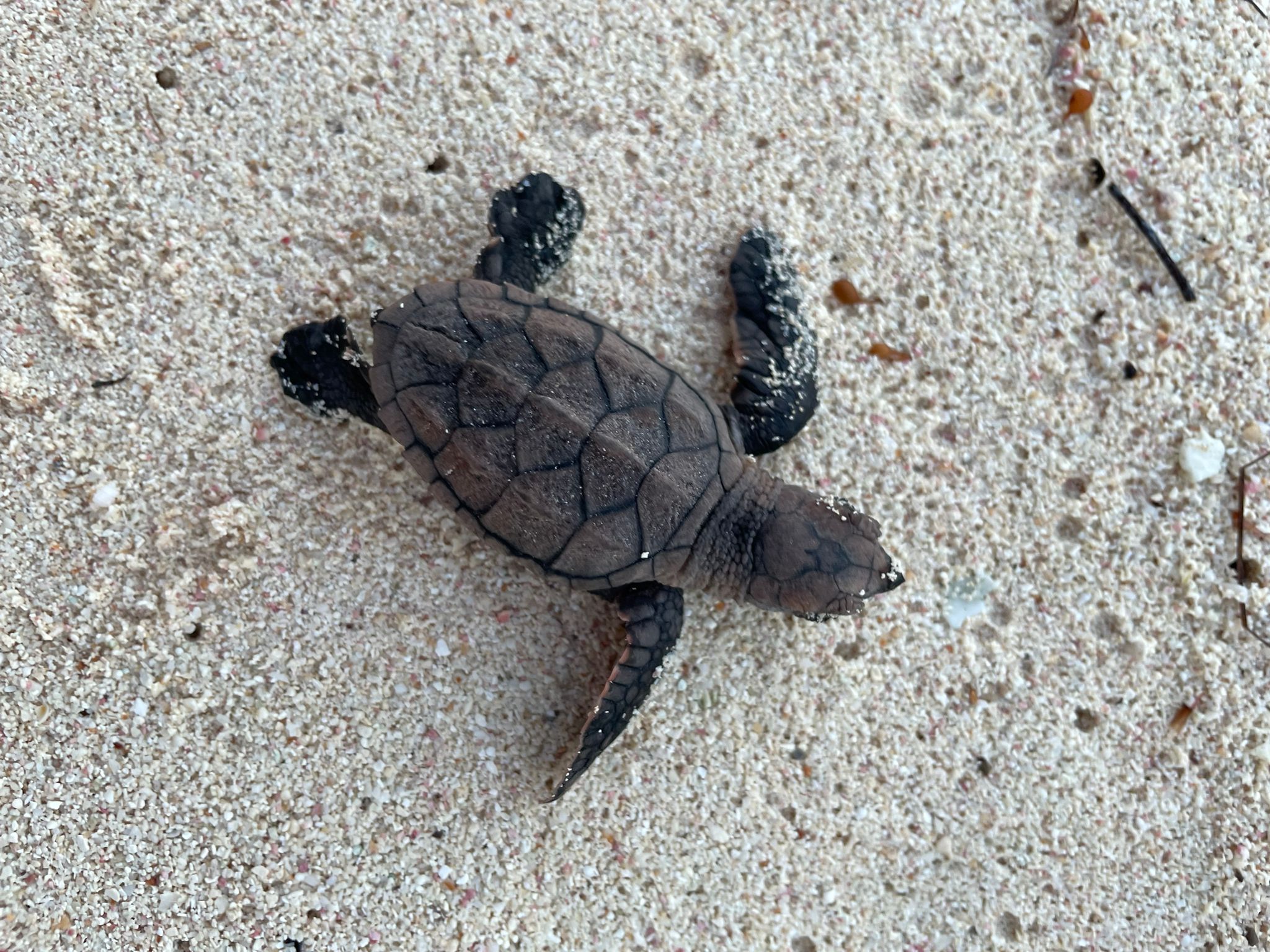
“Nesting also started earlier than usual on 31st March last year, making the total length of the season almost 11 months! The 6 hawksbill nests of the season had a very successful average hatching success of 86% and in total 556 endangered hawksbill hatchlings made it to the sea,” she said through the post.
John Bothwell, DoE manager, Legislation Implementation & Coordination Unit, told the Cayman Compass Friday, the department was “very excited” by the continuing increase in the local nesting turtle populations.
Cayman’s previous high of 689 nests was recorded in 2017, and 2022’s numbers also represented a 54% increase over the overall total in 2021.

“This is a testament to all of the efforts put in by the people of the Cayman Islands in protecting and nurturing our remaining loggerhead, hawksbill and green turtle nesting populations. And in the case of the green turtles, including the releases by the Cayman Turtle Centre in previous years as well as the Centre’s ongoing ability to provide legal turtle meat to those who want it, there is no excuse for poaching any turtles in the Cayman Islands,” Bothwell said in his emailed comment to the Compass.
In 2022, green sea turtles recorded the sharpest increase, with 528 nests logged, compared to 180 in 2021, according to the DoE.
The 324 loggerhead nests in 2022 represented a slight decrease on the 350 recorded the previous year.
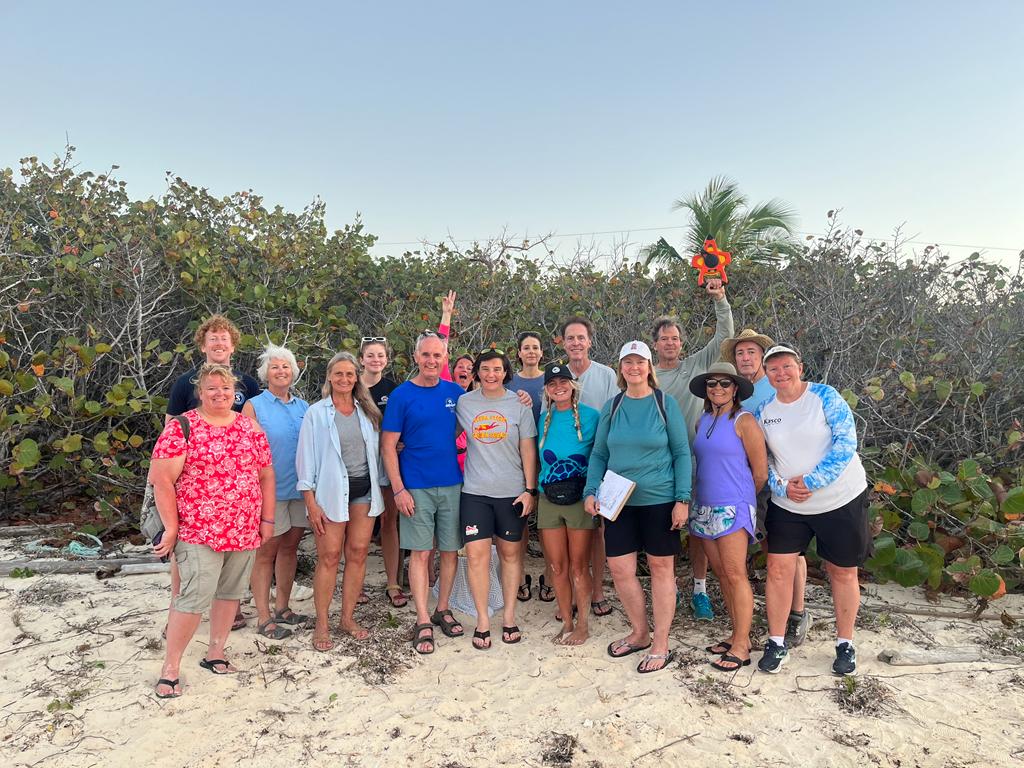
Bothwell said the DoE is able to know how well the turtles are doing in large part due to the volunteers who conduct the monitoring with the department.
Both Bothwell and Hardwick reminded the community to consider turtle-friendly lighting, especially for coastline properties, as “before we know it nesting will be starting all over again”.
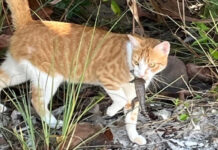
“As we get ready for turtle nesting season 2023 we would like to encourage everyone living on a beach in the Cayman Islands to consider retrofitting with turtle friendly lighting to do their part to help conserve Cayman’s wild sea turtles,” Bothwell said. “No one wants to wake up to a mother turtle swimming in their pool because she got disoriented or, even worse, disoriented and possibly dying hatchlings who headed towards a turtle unfriendly light.”
Last year, 31 nests suffered hatchling misorientation due to lighting.
Among those was a nest of at least 25 hatchlings, misoriented by condo lights, that failed to find their way to the sea in August.
After the DoE was alerted to the situation, a small number of the turtles were recovered, but most died.
“Please consider turtle friendly lighting if you are lucky enough to live on the beachfront to help conserve Cayman’s wild sea turtles. Reach out for more information at [email protected],” Hardwick said.
Related Videos