The Cayman Islands is a step closer to safeguarding against climate change, following the release of the draft copy of a long-awaited government policy.
The 58-page Climate Change Policy 2023-2040 details the most serious risks to the islands, mitigation and adaption strategies, and a government framework for climate action.
The public has two months to comment on the document during a consultation period that ends on 30 June, and will include an online survey, public meetings and focus groups.
The news comes just a week after MPs unanimously supported a private member’s motion in Parliament asking for a section of the East-West Arterial extension to be built without an environmental impact assessment.
Several green groups have since voiced their opposition, saying building the road through sensitive land areas “contributes to the climate change problems we are trying to mitigate”.
In a contradictory move, Premier Wayne Panton – who objected to the motion in an hour-long contribution to the 27 April debate before joining the rest of the MPs in voting for it – described the government’s new draft policy as a “milestone”.
He said it will protect and help residents now and in the future by building resiliency into all sectors of society and the economy while safeguarding important ecosystem services.
Risk focused
The draft policy uses the findings of the Cayman Islands Climate Change Risk Assessment 2022 (CCRA) to address the ongoing and predicted impacts of climate change.
The purpose of the detailed 163-page risk-assessment report was to update a climate-change policy drafted in 2011 but never implemented.
Strategies contained in the new draft policy address the most significant risks to the Cayman Islands’ communities, economic sectors and natural environment.
Of the 50 risks that the CCRA evaluated, the policy focuses on the 18 ‘severe’ risks and 16 ‘moderate’ risks.
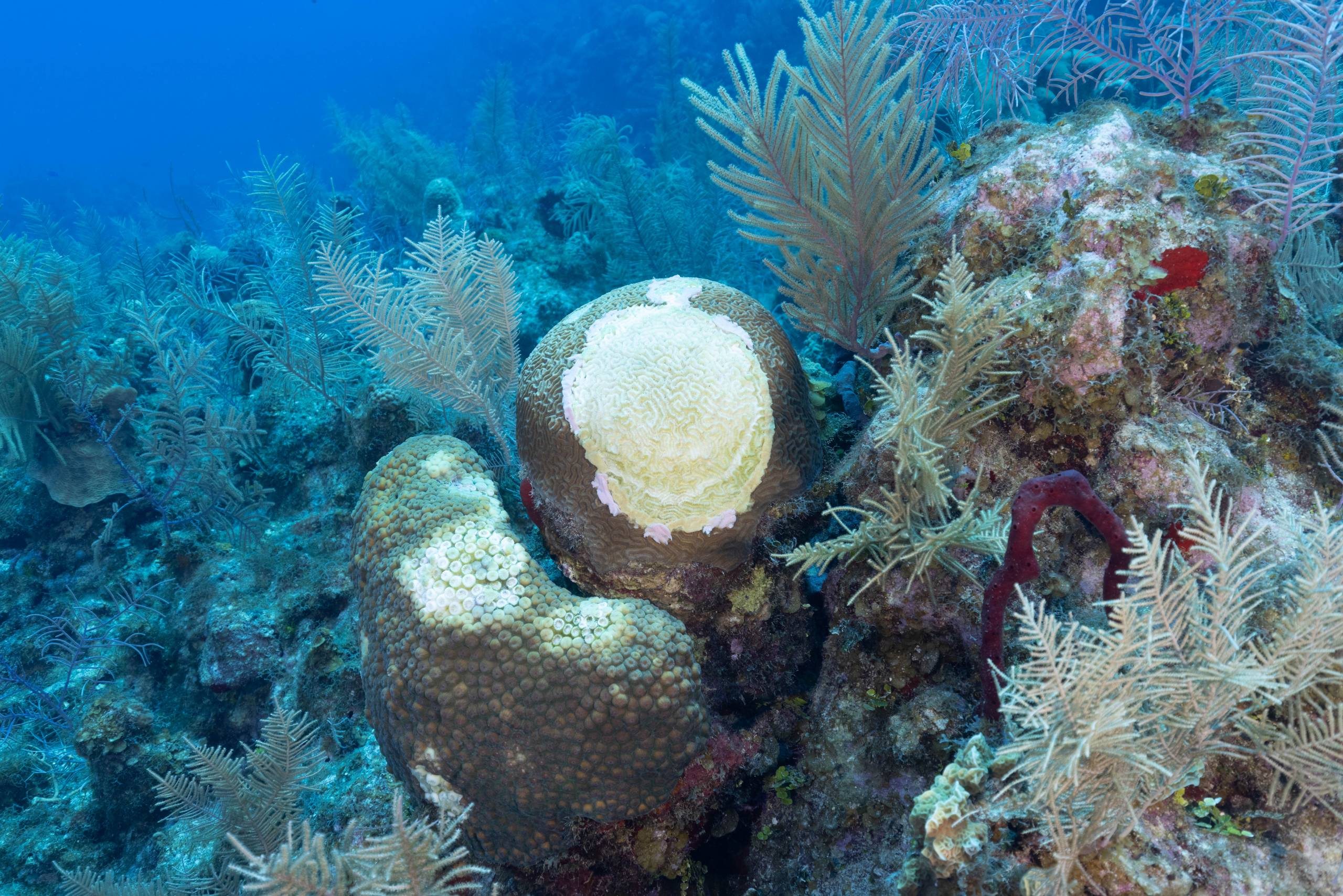
The severe risks include nine threats to society, infrastructure and buildings, and nine to biodiversity and natural habitats.
The risks were reviewed, scored and ranked by group of about 60 local and regional experts representing public and private sectors, non-governmental agencies and academia.
The assessment took place over the course of a two-day technical stakeholder workshop in May 2022.
The draft policy builds on the foundation established by the draft 2011 Climate Change Policy.
Some of the recommendations in the former draft policy have since been implemented, according to a Ministry of Sustainability and Climate Resiliency press release issued on Tuesday, 2 May.
These include the adoption of the National Energy Policy and the passage of the National Conservation Act (2013).
The new draft policy focuses in part on strategies, known as mitigation, to urgently reduce further contributions to climate change.
It also looks at response to the inevitable impacts of a changing climate to ensure a low or zero carbon, climate-resilient future for the Cayman Islands.
Experiencing the impacts
Panton, who is also the minister for sustainability and climate resiliency, said the policy is an important part of action needed to enhance climate resiliency.
“Our community is already experiencing the impacts of climate change,” he said in the press release, “and we have local data that confirms the anecdotal evidence.”

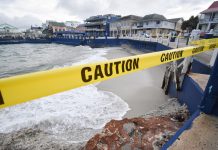
He highlighted the variability in rainfall and higher temperatures affecting farmers and the king tides that are increasingly inundating communities in Grand Cayman.
“These are real and pressing threats to our way of life in the Cayman Islands,” the premier said.
“If we want to ensure our islands can continue to be a peaceful, prosperous home for future generations of Caymanians, we have to take urgent action.”
Amplify Cayman, the Cayman Islands Mangrove Rangers, CPR Cayman, Protecting Paradise, Sustainable Cayman and Plastic Free Cayman spoke recently on the topic.
In a joint statement, they said they recognise that a new climate change policy is being worked on and that the current adaptation policy comprises “mainly symbolic” measures.
They called the measures “ineffective” in improving resilience to the major climate change-related issues of coastal erosion and increased storm intensity.
The environmental groups said they fully support the adoption of a new climate change policy and encouraged the public to take part in the public consultation.
Inclusive development
The draft policy was developed by a technical working group spearheaded by the ministry.
It included representatives from the Cayman Islands National Weather Service, Department of Environment and Hazard Management Cayman Islands.
The Climate Change Risk Assessment stakeholder group was also consulted on the draft objectives and strategies.
The premier said “inclusive, equitable policy development” can only happen with public participation, so people should read the policy, attend meetings and provide feedback.
Public meetings on the policy will be held in all Cayman districts. Dates and venues will be publicised on the government website.
For more information on the draft Climate Change Policy and to see the full public consultation draft, go to the Ministry of Sustainability and Climate Resiliency website.
Feedback can be submitted via email to [email protected] with the subject heading: Climate Change Policy Public Consultation 2023.
EDITOR’S NOTE: This article has been updated to clarify the views of Amplify Cayman, the Cayman Islands Mangrove Rangers, CPR Cayman, Protecting Paradise, Sustainable Cayman and Plastic Free Cayman.
Related Videos