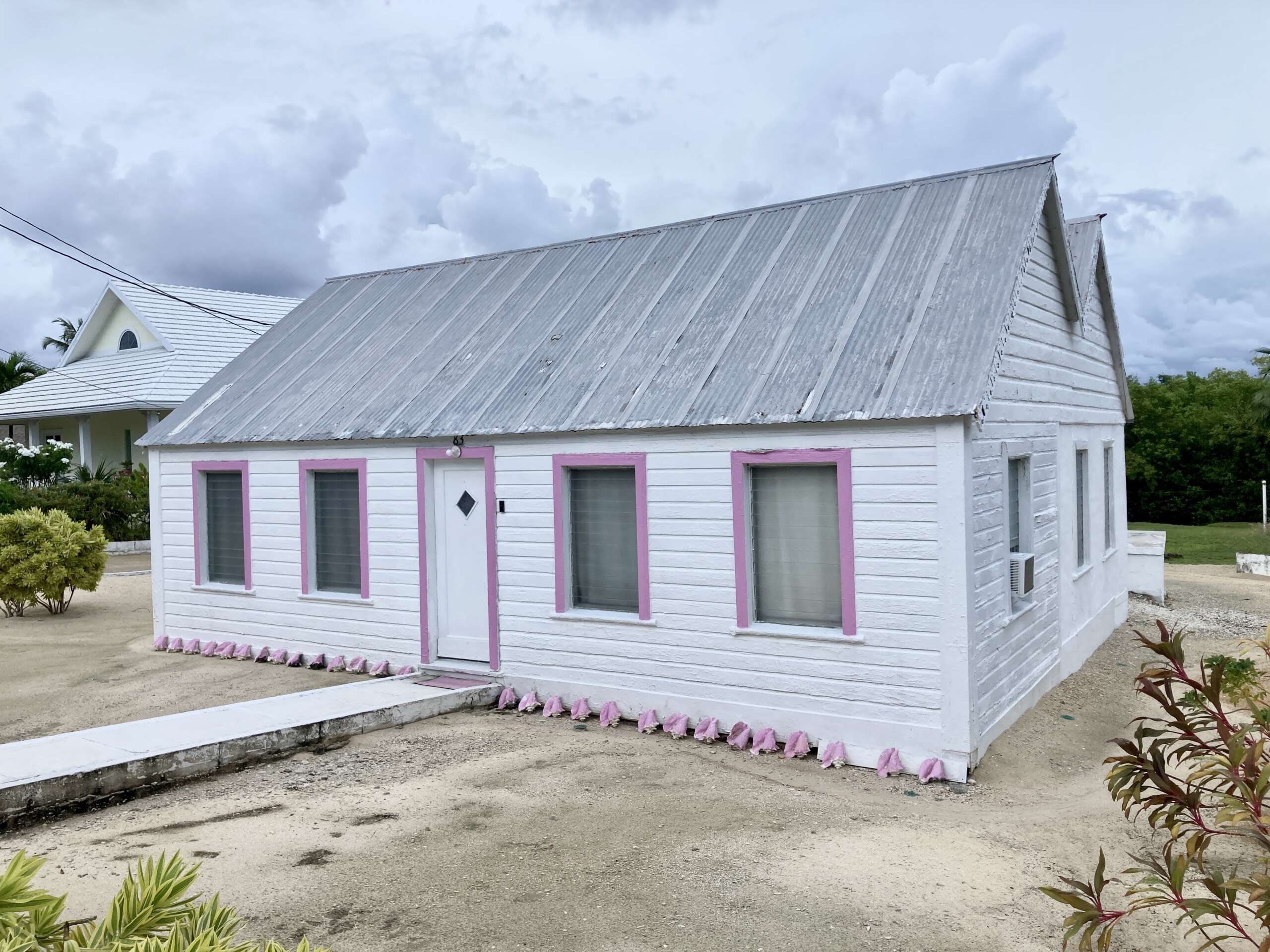
The owners of an old wooden Caymanian house in West Bay have applied for planning permission to knock it down and build a modern two-storey duplex in its place.
In a bid to maintain the heritage of the area, the Department of Environment is challenging the application for the new build on Boggy Sand Road.
“The historic house should be preserved for the benefit of the community and the cultural heritage of the area,” DoE Director Gina Ebanks-Petrie said.
Adrian and Orlee Ebanks’s plans for a $780,000 duplex on the 0.29-acre site will be discussed in the 30 Aug. meeting of the Central Planning Authority.
Permission was previously granted on the site for a new house back in March 2004 – but no building work was carried out in the years following.
In the agenda for the upcoming meeting, Ebanks-Petrie, under delegated authority from the National Conservation Council, reviewed the latest application.
The current traditional Caymanian house is listed on the heritage register of the National Trust for the Cayman Islands as ‘Herbert Parson’s House’, she said.
It was constructed using ironwood stilts, shiplap timber and a zinc roof.
The date of construction is not known, although it appears to long pre-date any available aerial imagery for the area, Ebanks-Petrie said.
She added that the developers, in their application and drawings, make no reference to the property and did not provide a cover letter with further details.
“But it is clear… that the existing buildings are incompatible with the proposed development and that it would be required to be demolished to accommodate the proposed duplex.”
Special zone
The environment director explained that the current traditional home is within a ‘historic overlay zone’.
Development and Planning Regulations 2022 say in this zone, the authority must promote and encourage preservation of historic buildings and conserve their architectural heritage.
On considering applications for development in these zones, they must also ensure the builds reflect the historic pattern of development in their setting.
In addition, they should conform to traditional workmanship, design, scale, massing, form, materials, decoration, colour and methods of construction, and location of windows and doors.
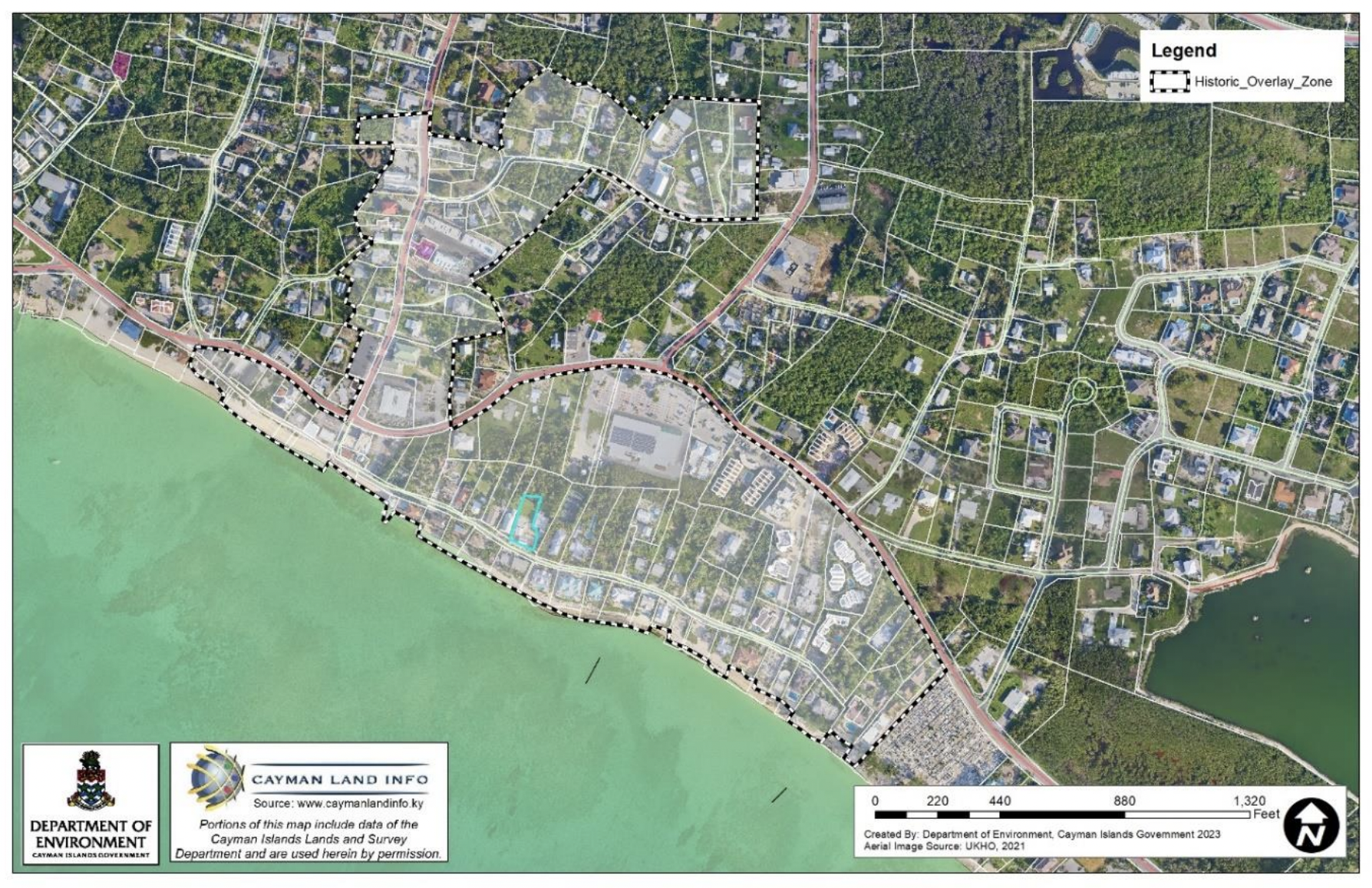
However, “the proposed development has no characteristics that would be in keeping with the established historical, architectural or cultural character of the area,” Ebanks-Petrie said.
“Heritage is finite, and to demolish this historic house for construction of the proposed duplex would be in direct contradiction to the intent and aims of the historic overlay zone.”
The importance of protecting heritage assets was also reflected in the draft National Planning Framework, 2018.
Ebanks-Petrie said the historic home should remain in place but the northern part of the parcel away from the road could potentially be developed.
She “highly” recommended that the owners withdraw their application and redesign a development “in keeping with the unique characteristics and cultural heritage of the [area]”.
Related Videos