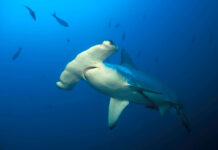
A collaboration between the Cayman Islands Department of Environment and the Global Ocean Wildlife Analysis Network (GOWAN) has revealed that critically endangered oceanic whitetip sharks have found sanctuary in Cayman’s waters.
In videos and images which have recently attracted international attention, multiple oceanic whitetip sharks were recorded by Bait Remote Underwater Video (BRUV) cameras on the boundaries of Cayman’s waters.
“We know that this species occurs in Cayman’s territorial waters and had suspected, from previous work by other partners such as the Guy Harvey Ocean Foundation, that the Cayman Islands could be an important refuge for oceanic whitetip sharks,” said DoE manager John Bothwell. “Therefore, it is encouraging that the GOWAN BRUVs recorded quite a number of individuals of this rather rare species.”
The oceanic whitetip sharks are named for a very distinct white patch at the ends of their fins. They grow up to 11 feet long and can live up to 25 years.
According to the US National Oceanic and Atmospheric Administration’s fisheries department, the global population of whitetip sharks is thought to have decreased by 98% in the past 60 years due to overfishing, climate change and habitat loss. These threats are worsened by the sharks’ late age of sexual maturity and low reproductive output.
In 2015, the Cayman Islands introduced legislation to protect all sharks in its territorial waters, which Bothwell says was an important step in helping to preserve the populations of endangered species such as the oceanic whitetip shark.
These efforts were further strengthened in October last year when the Cayman Islands signed on as the 10th UK overseas territory to join the UK government’s Blue Belt Programme. This global initiative tackles threats facing oceans around the territories, such as overfishing, species extinction, climate change and marine pollution, while increasing research efforts in the waters across the partnering jurisdictions.
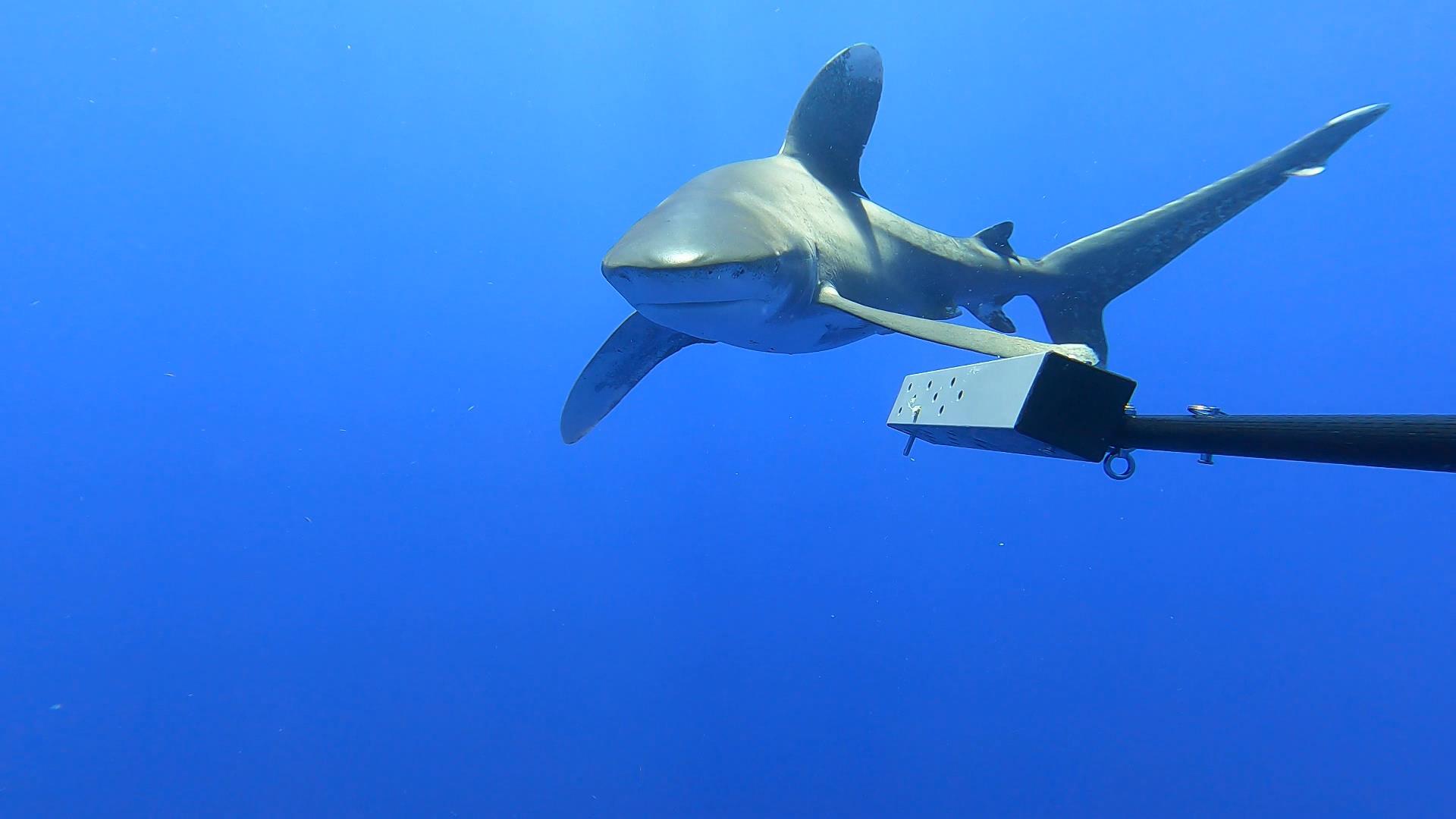
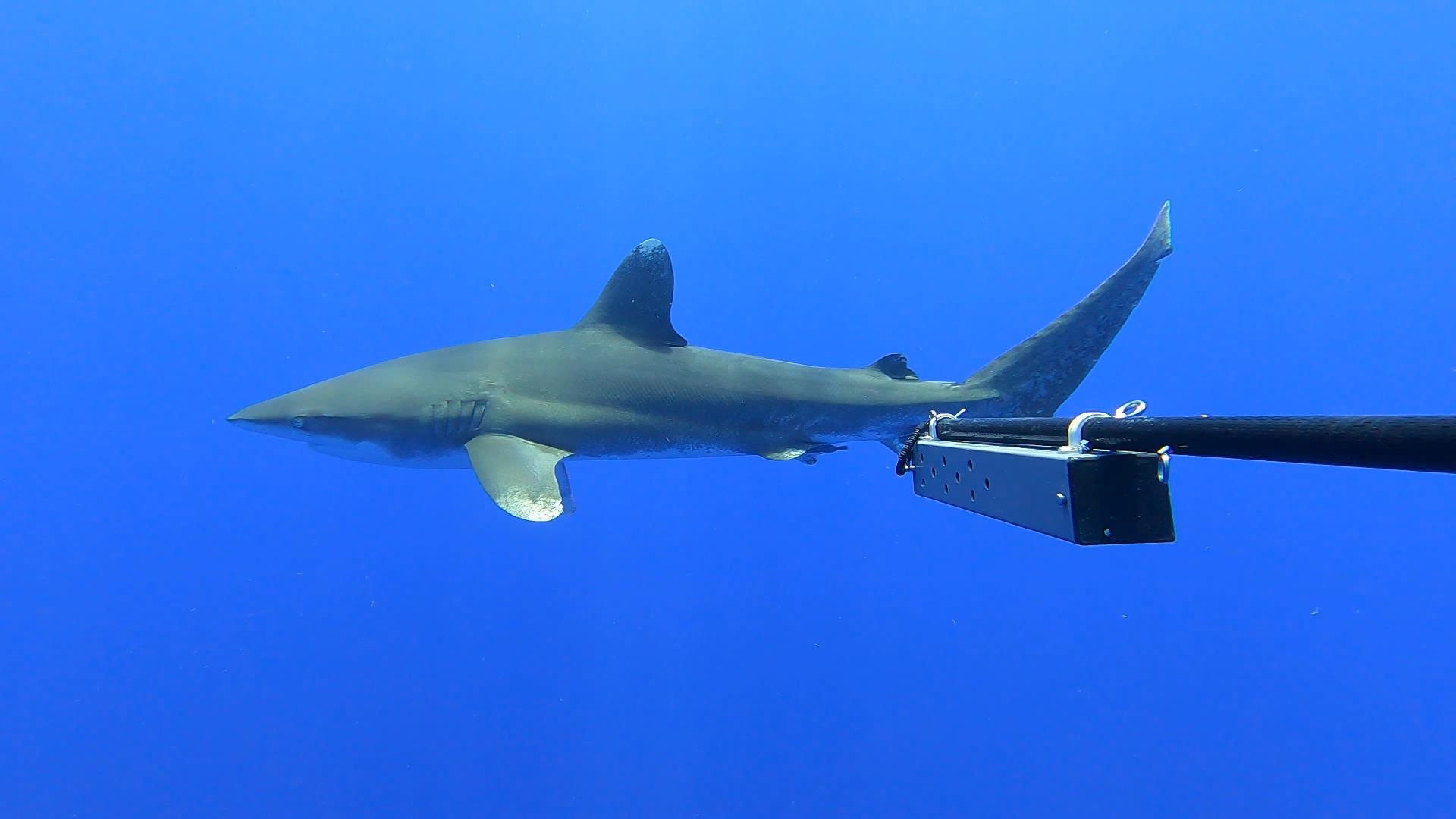
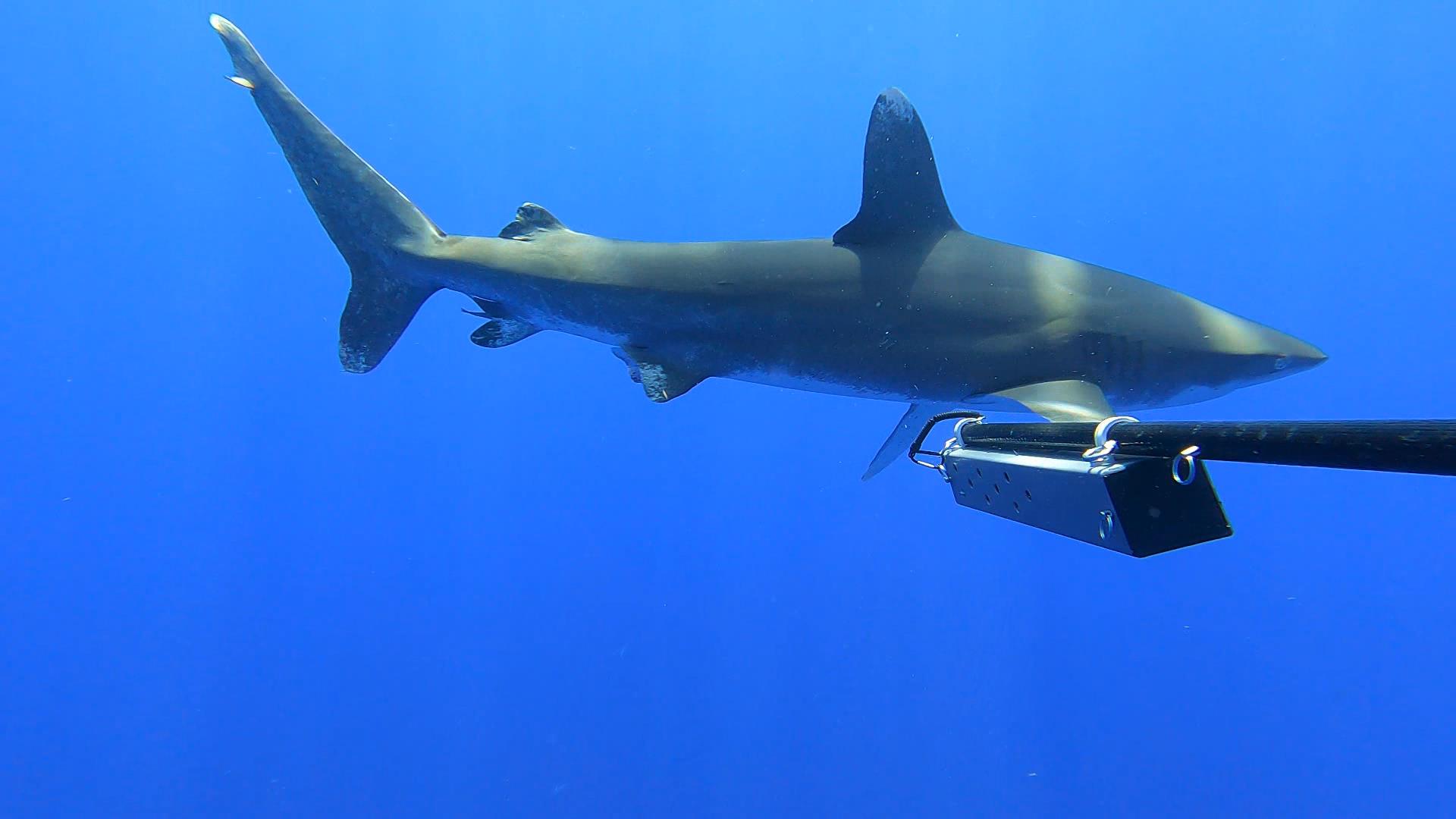
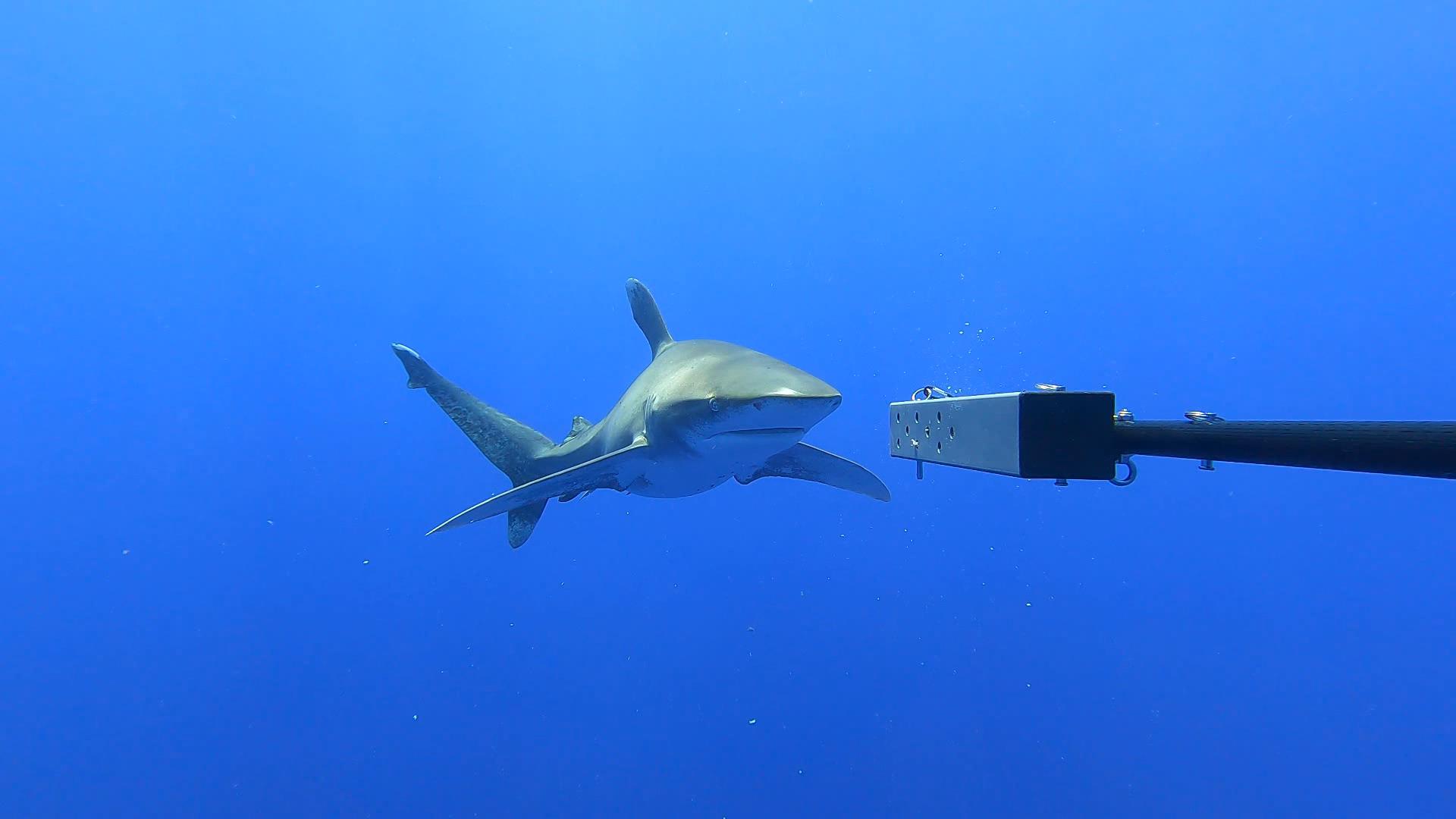
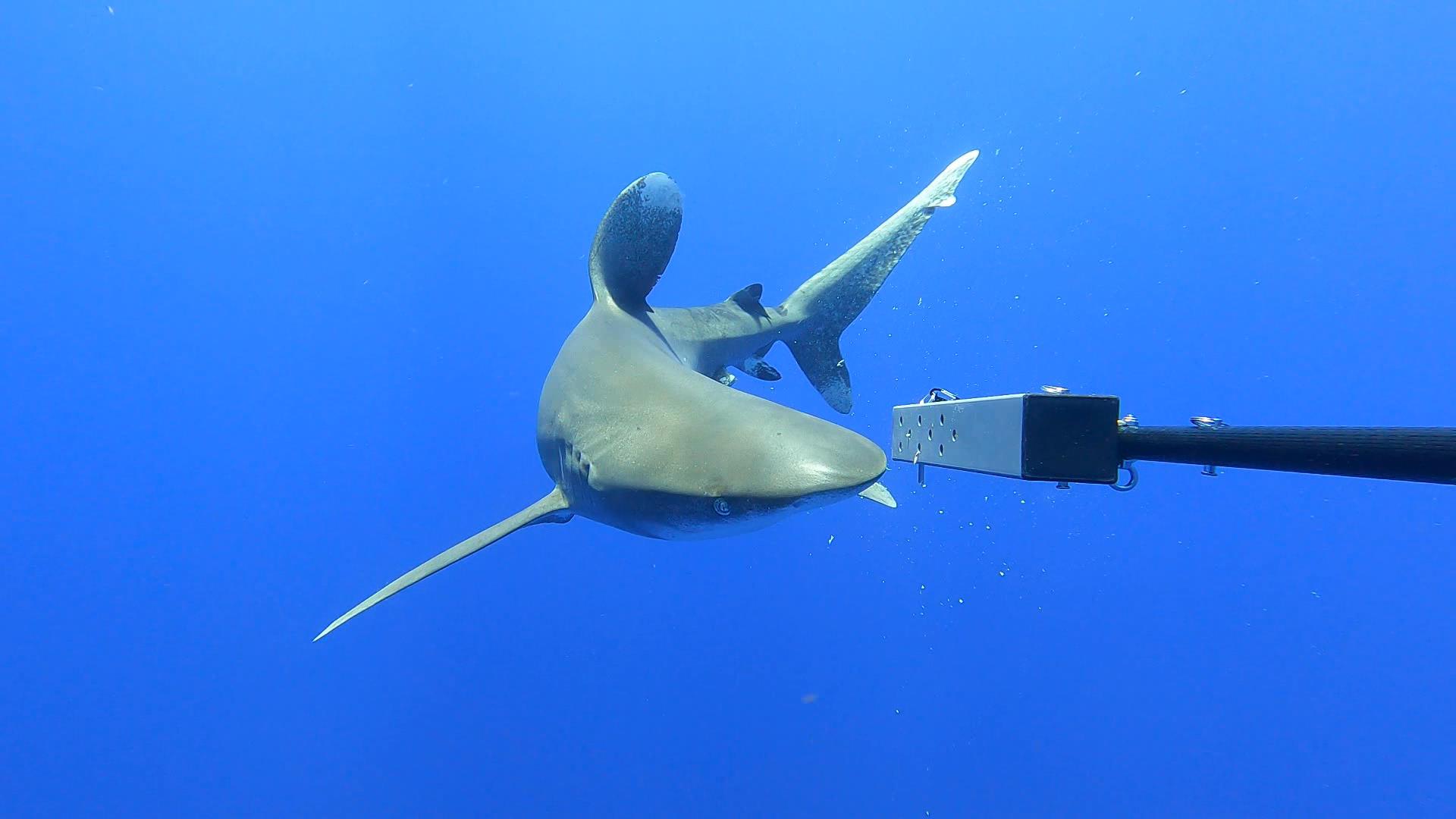
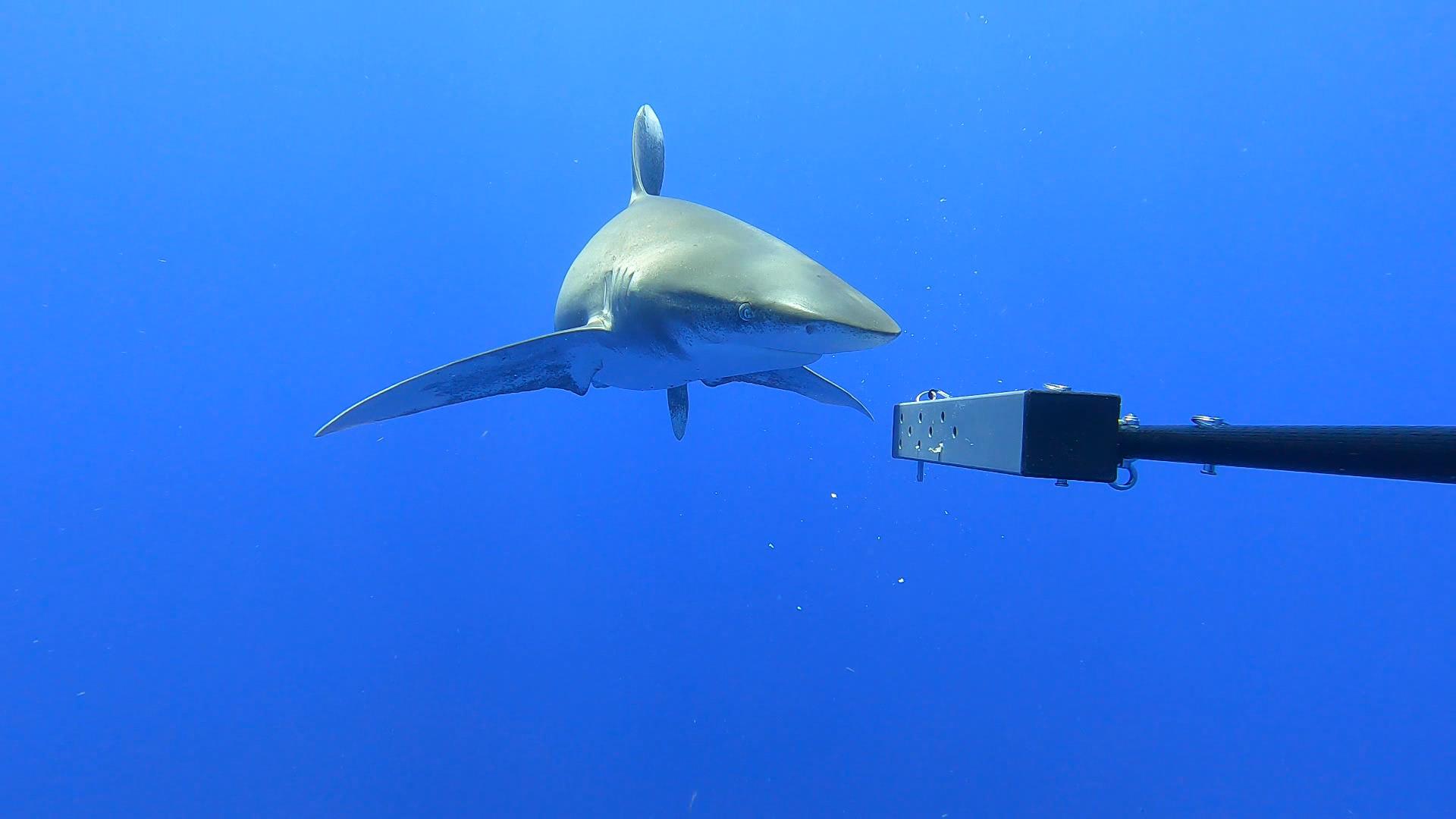
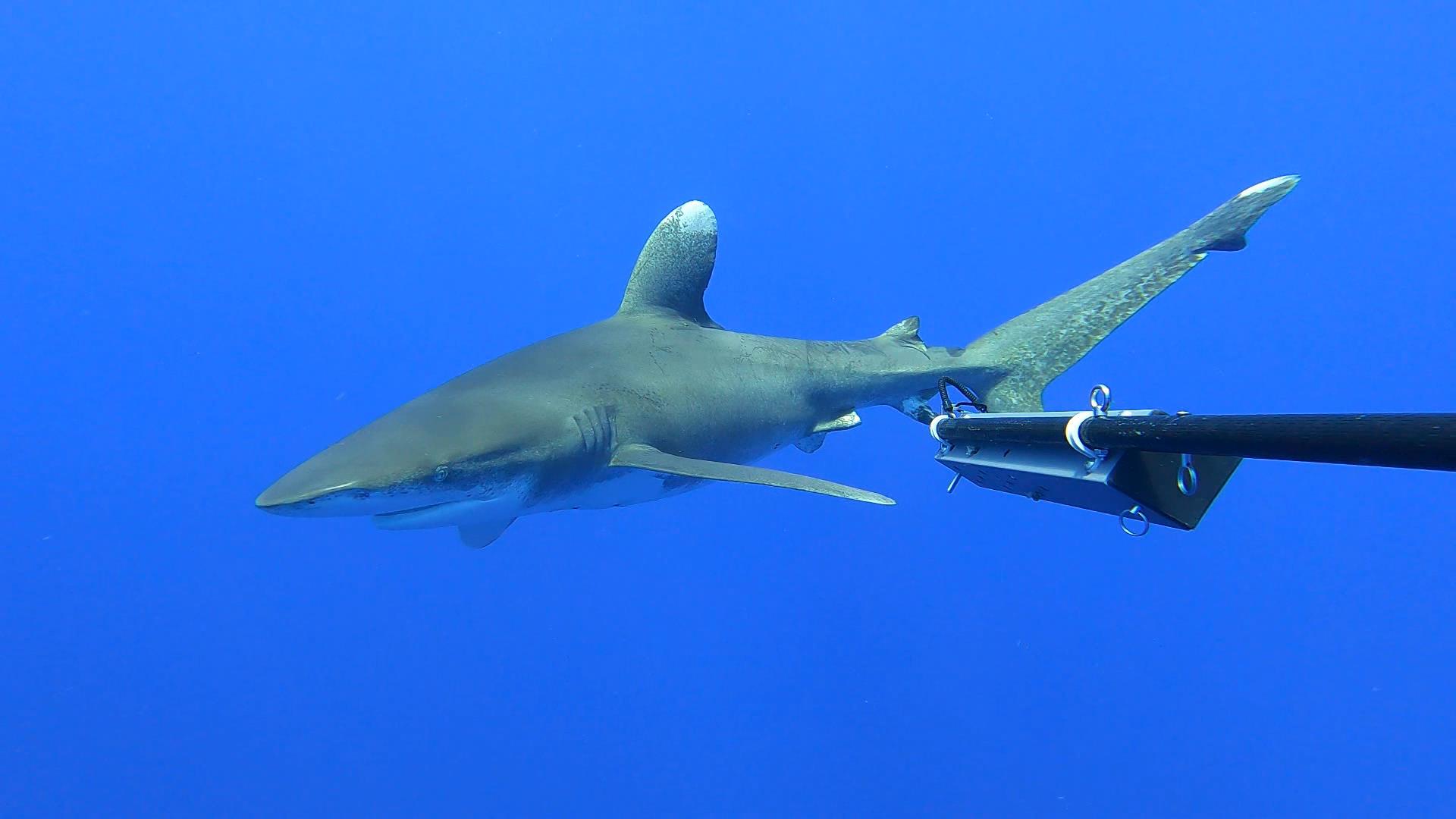
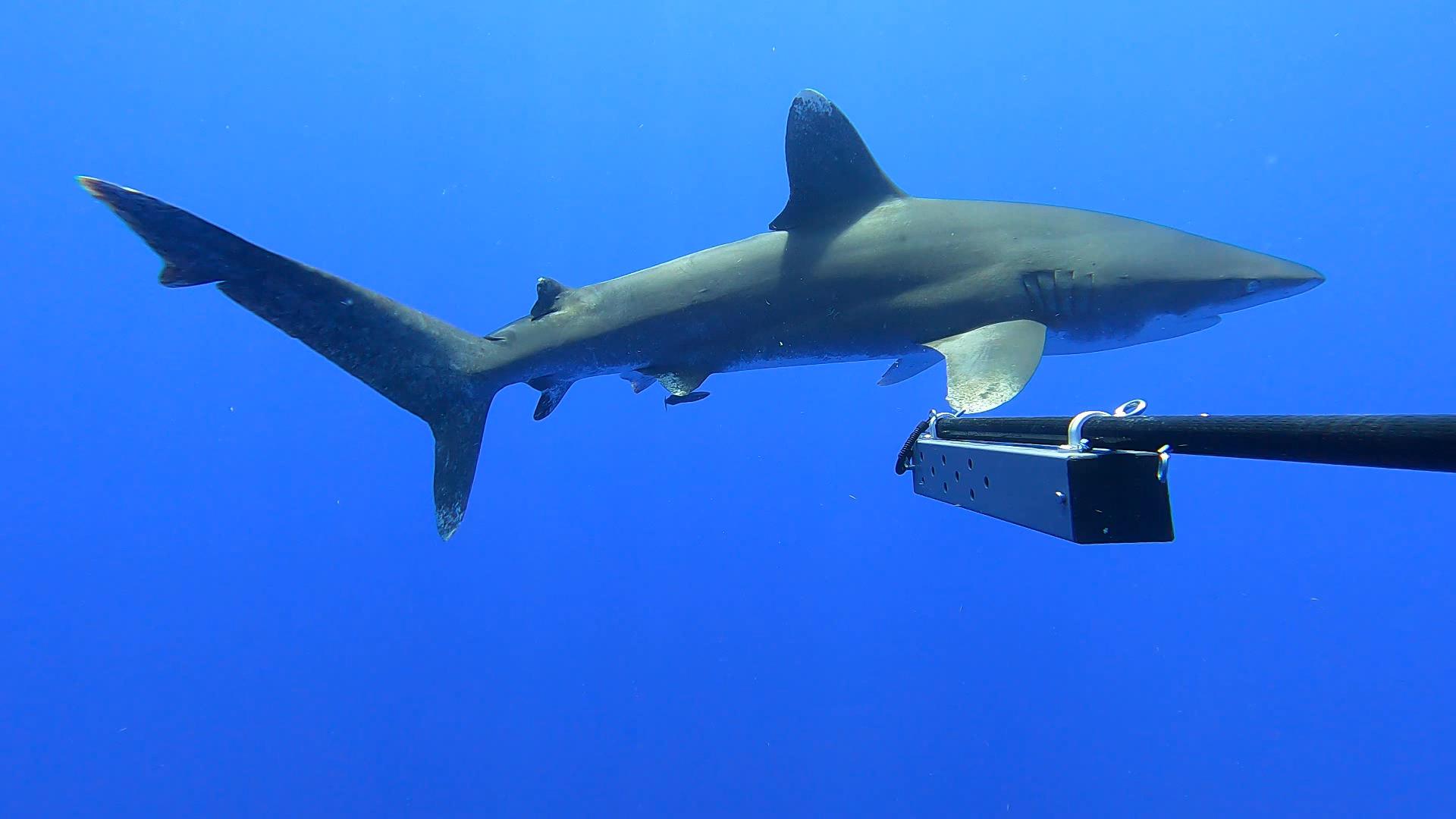
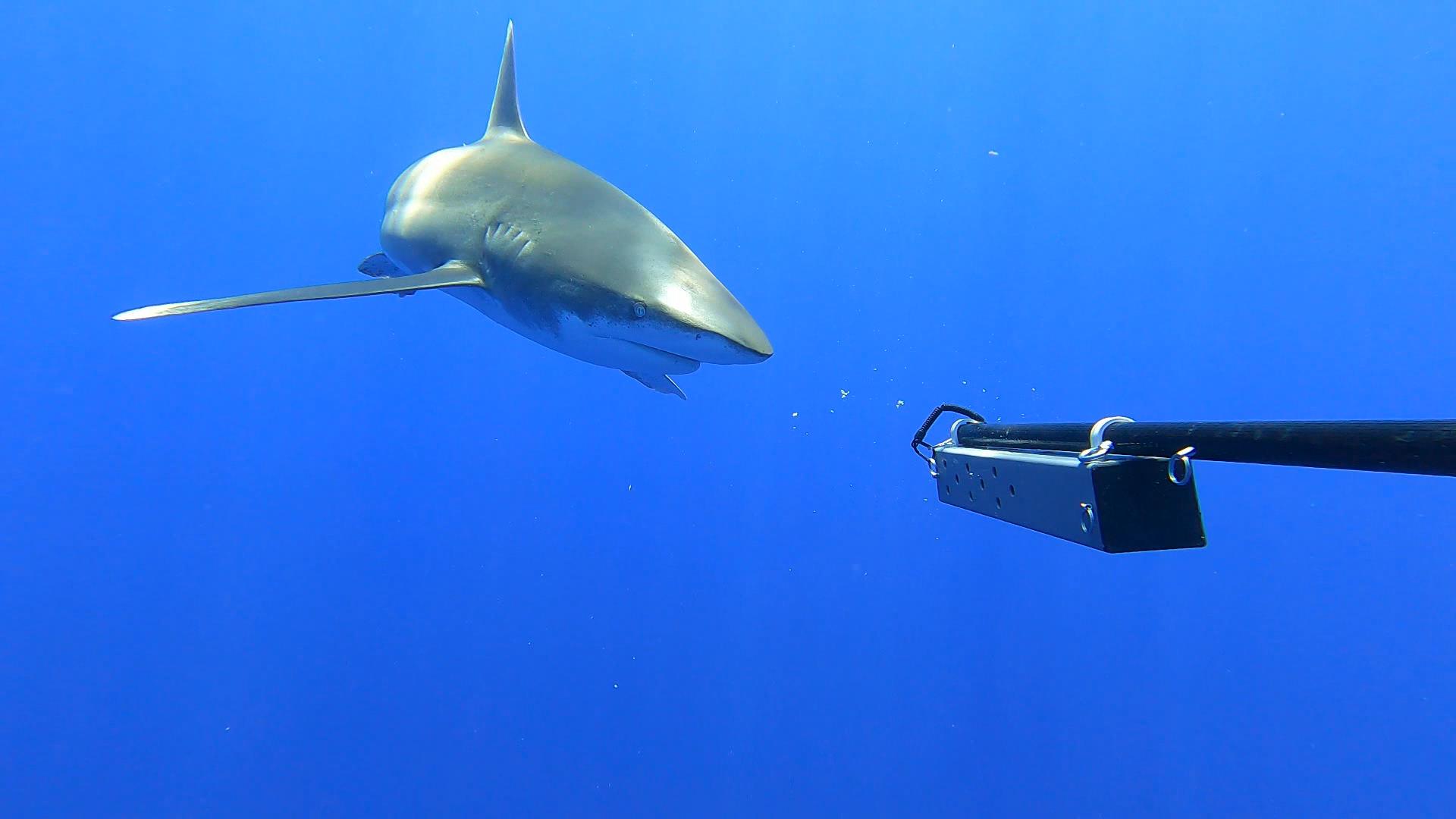
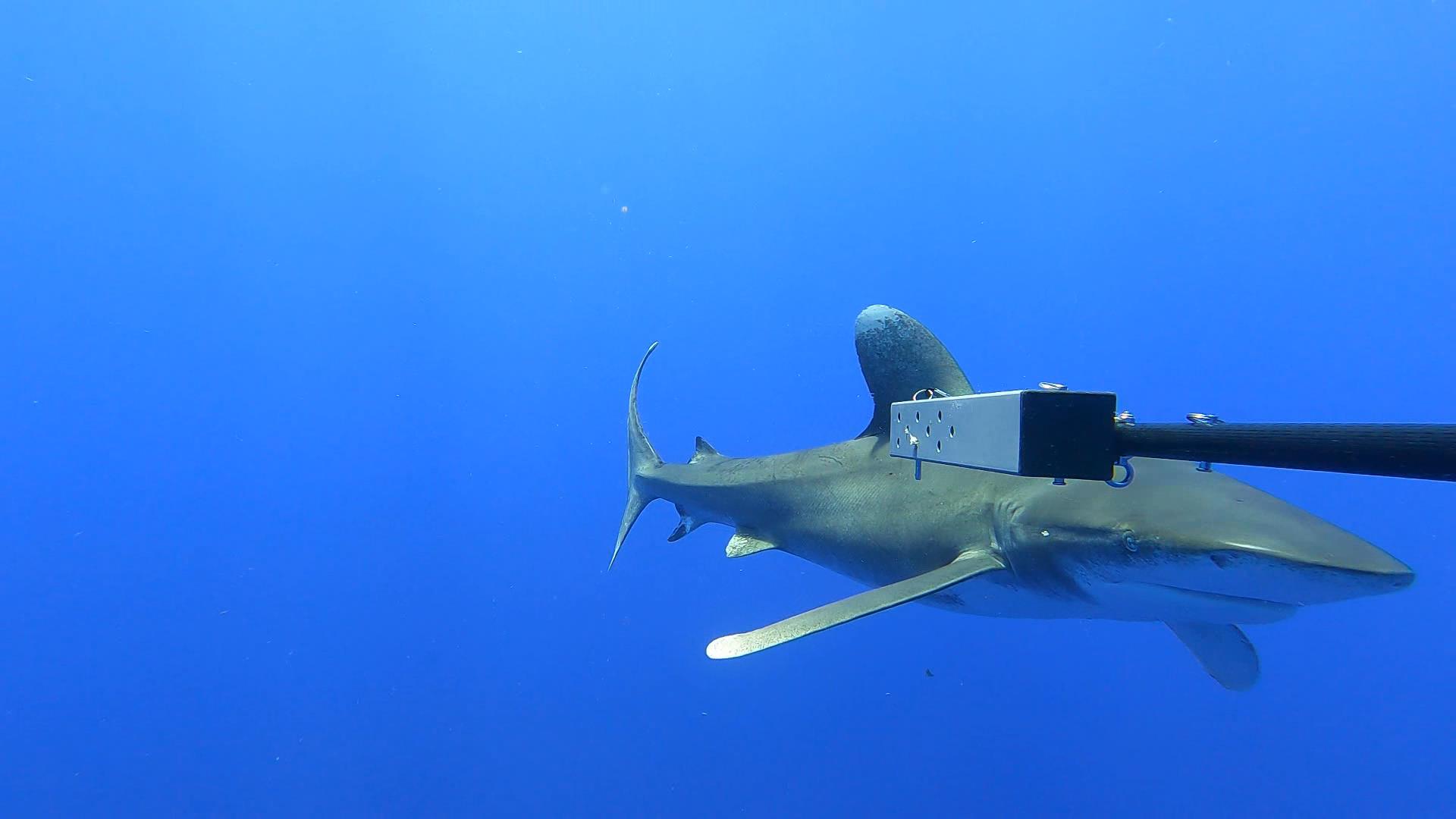
“The Cayman Islands would not have been able to engage in this work without the support of the Blue Belt programme,” said Bothwell while speaking about the video and images of multiple whitetip sharks been that were recorded last year.
He pointed to the value of having external research partners who can review the videos of fish sightings recorded by the locally deployed BRUVs.
He added that enabled DoE “to leverage our more limited research capacity by having our team focus on the local deployments which only we have the capacity to do efficiently and effectively”.
Related Videos