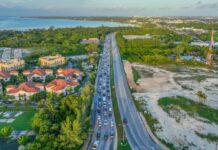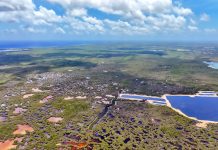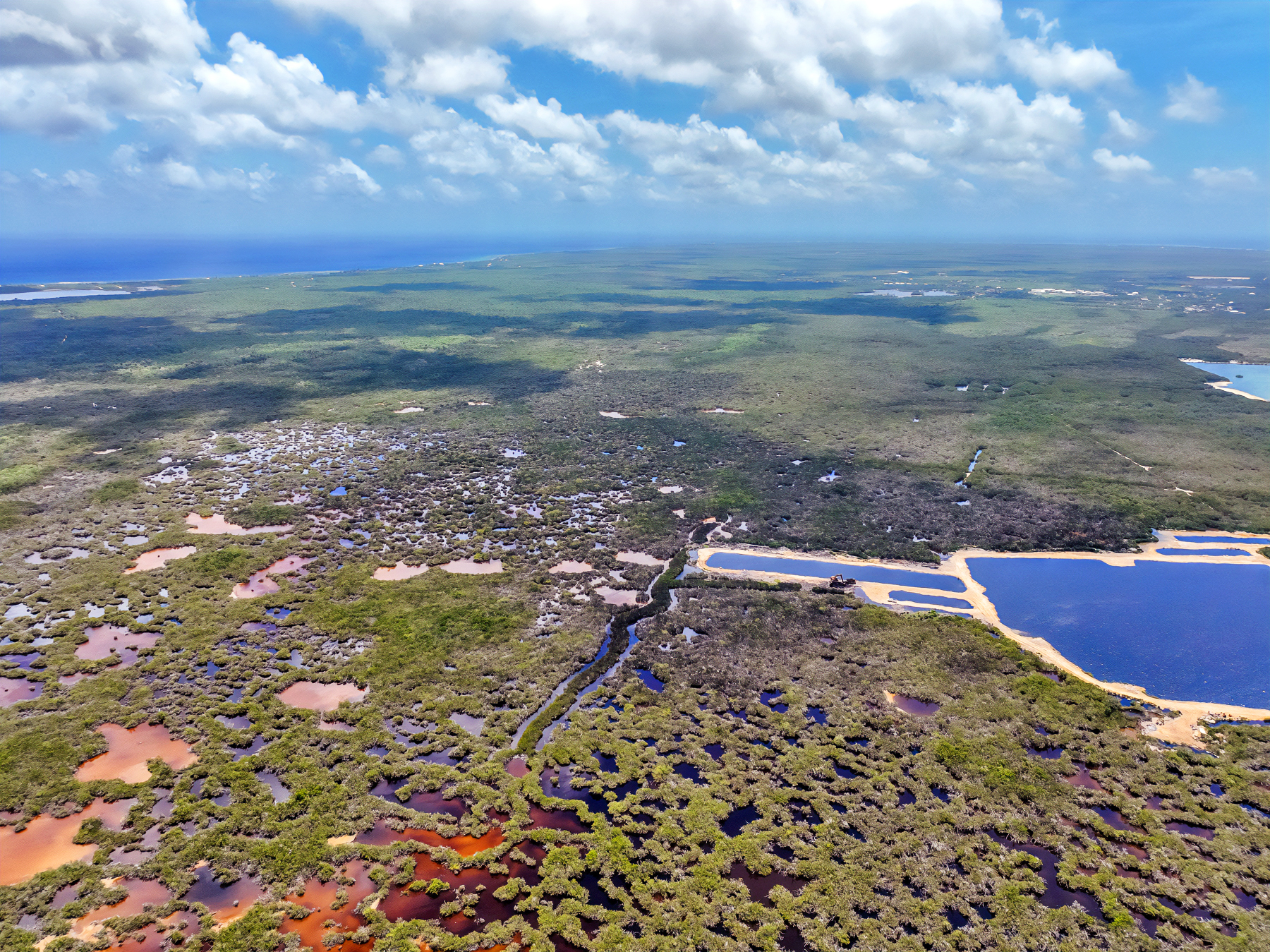
The ongoing environmental impact assessment on the extension of the East-West Arterial is not slowing down construction of the road, the National Conservation Council stressed at its general meeting on Wednesday.
Giving an update on the EIA, Gina Ebanks-Petrie, director of the Department of Environment and a member of the council, said she wanted to address some misapprehensions about the environmental assessment process for the road extension – part of which cuts through the Central Mangrove Wetland.
Stating that she and other council members had heard complaints about the EIA process delaying the extension work, she said a hydrology and hydraulics report, being carried out by consultants for the National Roads Authority – separate to the EIA – was still incomplete. And until that was done, the necessary design and engineering work could not go ahead.
Ebanks-Petrie had made similar comments at the National Conservation Council’s January meeting.
Currently, the Environmental Advisory Board appointed to review the road’s EIA is examining technical chapters of the assessment, she said.
She also stated that, as the government had already made a policy decision to build a extension, the EIA would “not stop the road”.
As such, the assessment did not involve comparative studies between the road extension and an alternative, such as a monorail system or another form of public transport system. “That was never the intention of the EIA,” Ebanks-Petrie said.
Instead, it is trying to identify the more “environmentally and socially responsible route for the road”, she added.
The final terms of reference of the environmental impact assessment of the 10-mile six-lane road extension, from Woodland Drive in Savannah to Frank Sound Road in North Side, were published in May last year.
This followed two public meetings and the receipt of scores of comments, suggestions and objections from environmental groups and members of the general public.
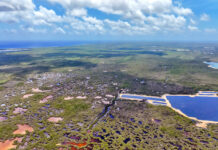
Public opinion on the road extension is strongly divided, with many residents of the eastern districts calling for some respite to the long morning and evening commutes, and others calling for the protection of the Central Mangrove Wetland – the largest of its kind in the Caribbean.
There are two sections of the road extension that are subject to an EIA – between Woodland Drive to Lookout Gardens, and between Lookout Gardens to Frank Sound Road.
The National Road Authority last month launched a public information website for the East-West Arterial EIA.
In a statement about the launch of the new site at the time, NRA managing director Edward Howard said, “The EIA is a required step in the EWA’s development process. It is also best practice and commonplace in many other developed countries around the world.”
He added that while the road EIA does “not make decisions [it] does provide decision-makers in Cayman with the best information to balance the needs of Caymanian families and residents with sustainable development and environmental conservation.”
The EIA study was started in July last year. Once it is completed, an environmental statement will be released.
Related Videos