

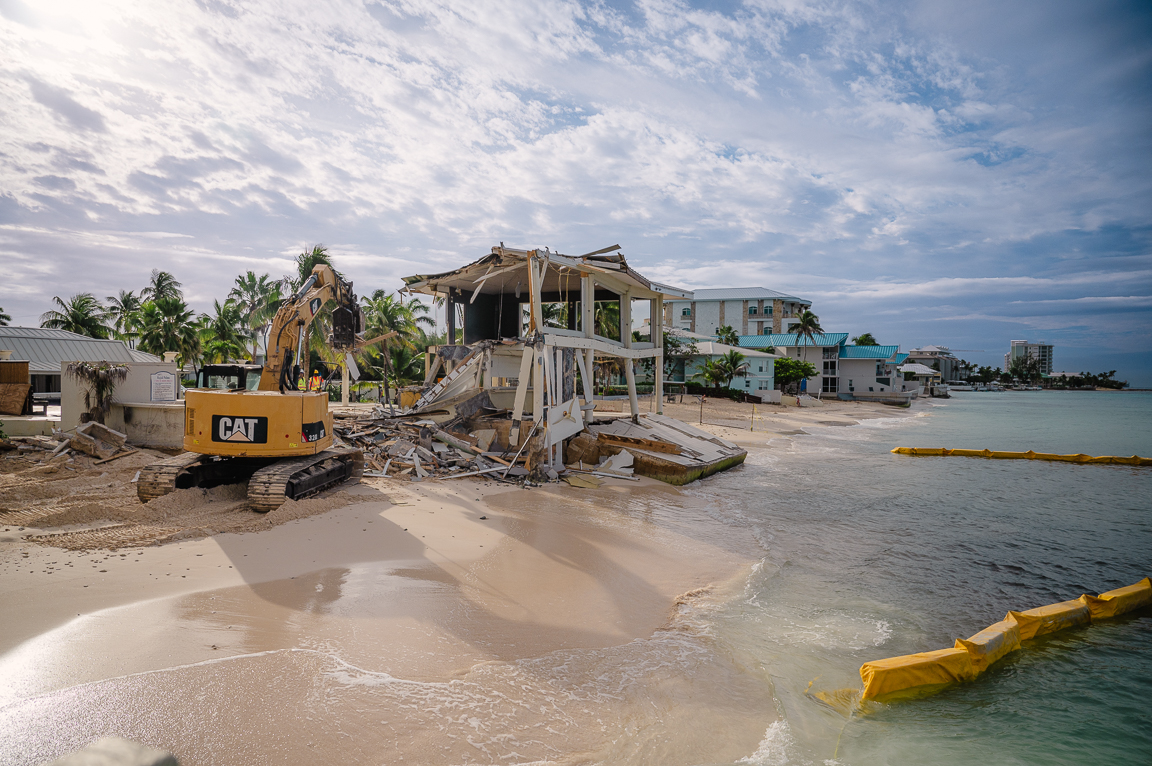
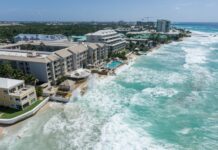
The removal of the old Royal Palms building has led to hope for the return of a healthy beachfront along Seven Mile Beach, portions of which have been lost over time to erosion and battering by storms.
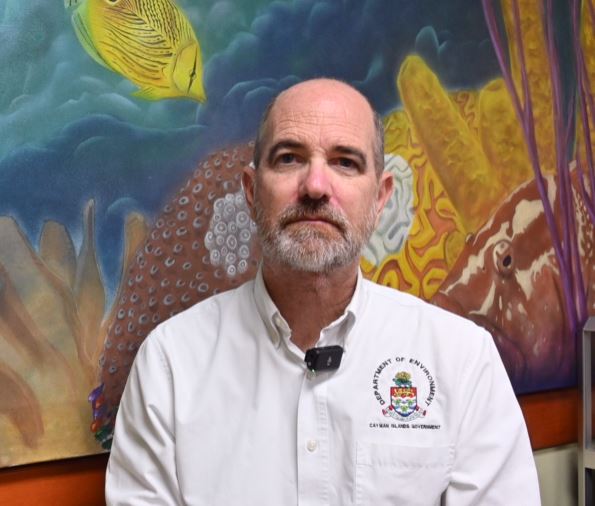
However, Tim Austin, Department of Environment deputy director, research and assessment, said it is not clear how soon this will happen.
“We’re going to get to see how that beach responds and I think it would be a good working example of what the future might look like without structures on the beach,” Austin told the Cayman Compass on Friday following the demolition of Royal Palms last week.
The popular bar, which had been closed following severe damage due to storms, erosion and wave action, was torn down to make way for a new establishment farther from the beachfront.
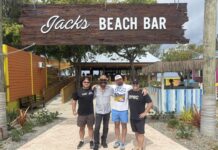
Caymanian businessman Handel Whittaker, the former owner of Calico Jack’s, and his team are leading the rebirth of the new establishment which will bear the same Royal Palms name. The demolition of the Dart-owned property began on 6 Jan.
‘Changing times’
Austin described the demolition as a “sad day”, having grown up in Cayman with the Royal Palms on the beachfront since the 1960s.
However, he said he believes its demolition is “a reflection of the changing times”.
“The southern end of Seven Mile Beach has reached some kind of tipping point in terms of sediment budget and we know that there’s a massive sand deficit now and it’s been a significant problem for a number of years,” he said.
The DoE is hopeful of the environmental response the demolition may trigger and the return of the beach at Royal Palms, he added.
“You’re getting to see basically the resources at the back of the beach are now available to replenish the erosion, and so hopefully we’ll see the establishment of a reasonable beach profile. It’s obviously going to be set back several metres with the removal of the building. We’ll expect that beach to form a new shape, probably a little further back than it was before, but it will look like a beach again,” he said.
Finding a solution for the loss of beachfront has been one of the biggest challenges for the current government.
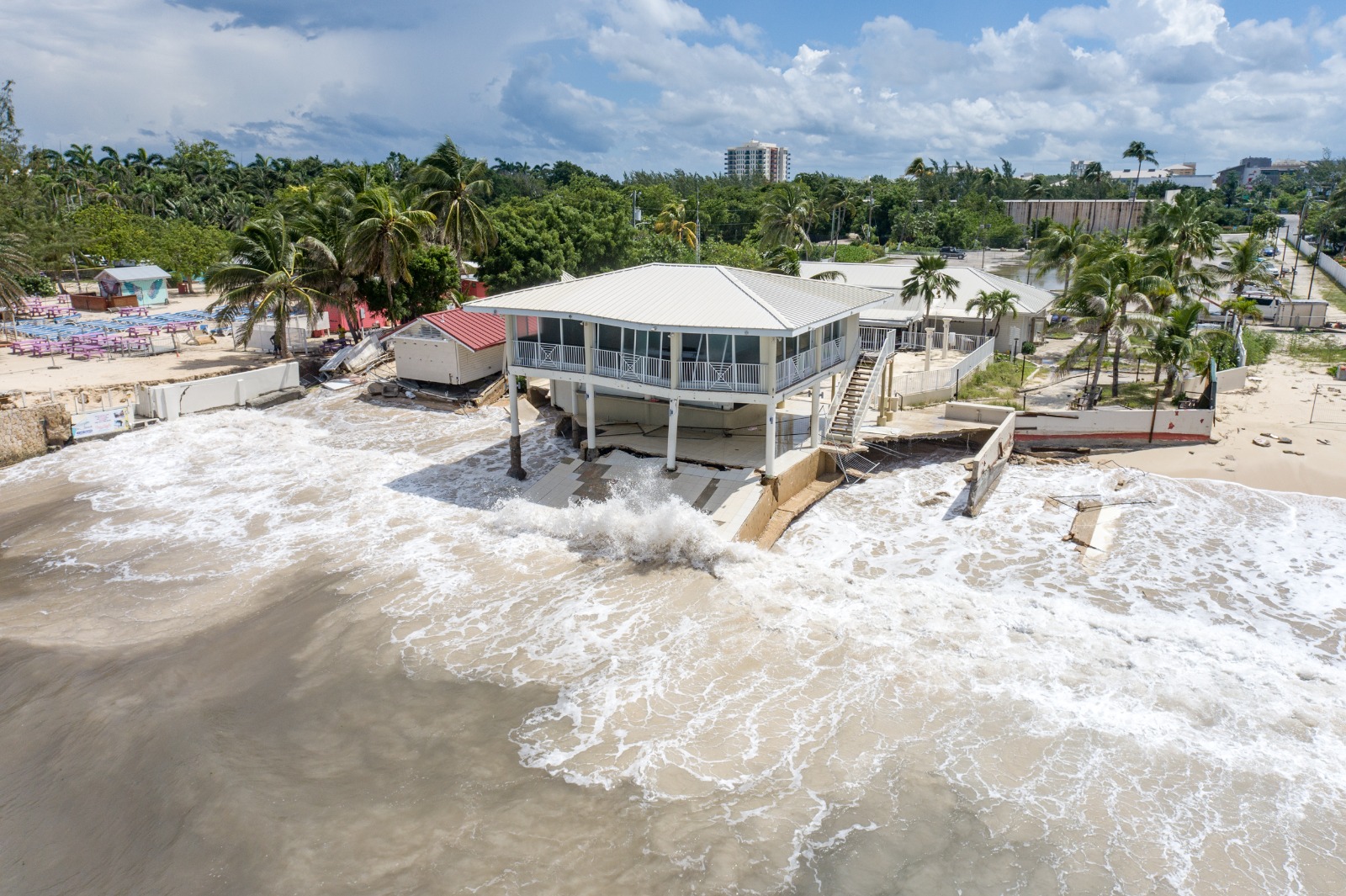
Many have argued for changes to existing setbacks to help manage the impact on the prized tourism magnet of Seven Mile Beach.
Austin said with the building being removed, the island will have a “living example” of the ability of a beach to recover or to readjust when it does not interact with a structure.
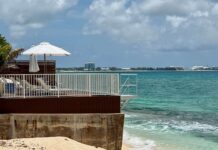
“As a department, we’re very keen to see how that beach responds now that there aren’t waves interacting with seawalls or man-made structures. Obviously, to the south and to the north, there are still structures that remain, but certainly in the immediate vicinity of Royal Palms, it will be really interesting to see how the beach responds and if indeed this is a solution,” he said.
Austin said there have been discussions around managed retreat where structures that are on the beach are removed.
However, he said that would be “politically, socially and financially, economically, a huge ask and it would take a very long time to sort out”.
The removal of Royal Palms, he said, will be a good working example of what the future might look like without structures on the beach.
Sand lost could be regained
Austin, speaking to the wider erosion situation on the southern part of Seven Mile Beach, said there was a lot of the sand in that area that was typically offshore and available to replenish the beach, but that supply is no longer there.
“There isn’t sand south or to the north for longshore transport, i.e. moving down the beach. But from what I can see from the Royal Palms site, there is sand in what was historically the upland dune. So if you walking onto the beach through the old Royal Palms car park, you can see sand in the system,” he said.
Theoretically, he said, that sand is now available to replenish the beach with the removal of the Royal Palms building.
“The beaches would be replenished … from the offshore supplies”, he said, but also from the back dunes, where before there were structures or car parks blocking the sand, those areas which had trees on them “were typically in sand and that sand would have been available to replenish the beach”.
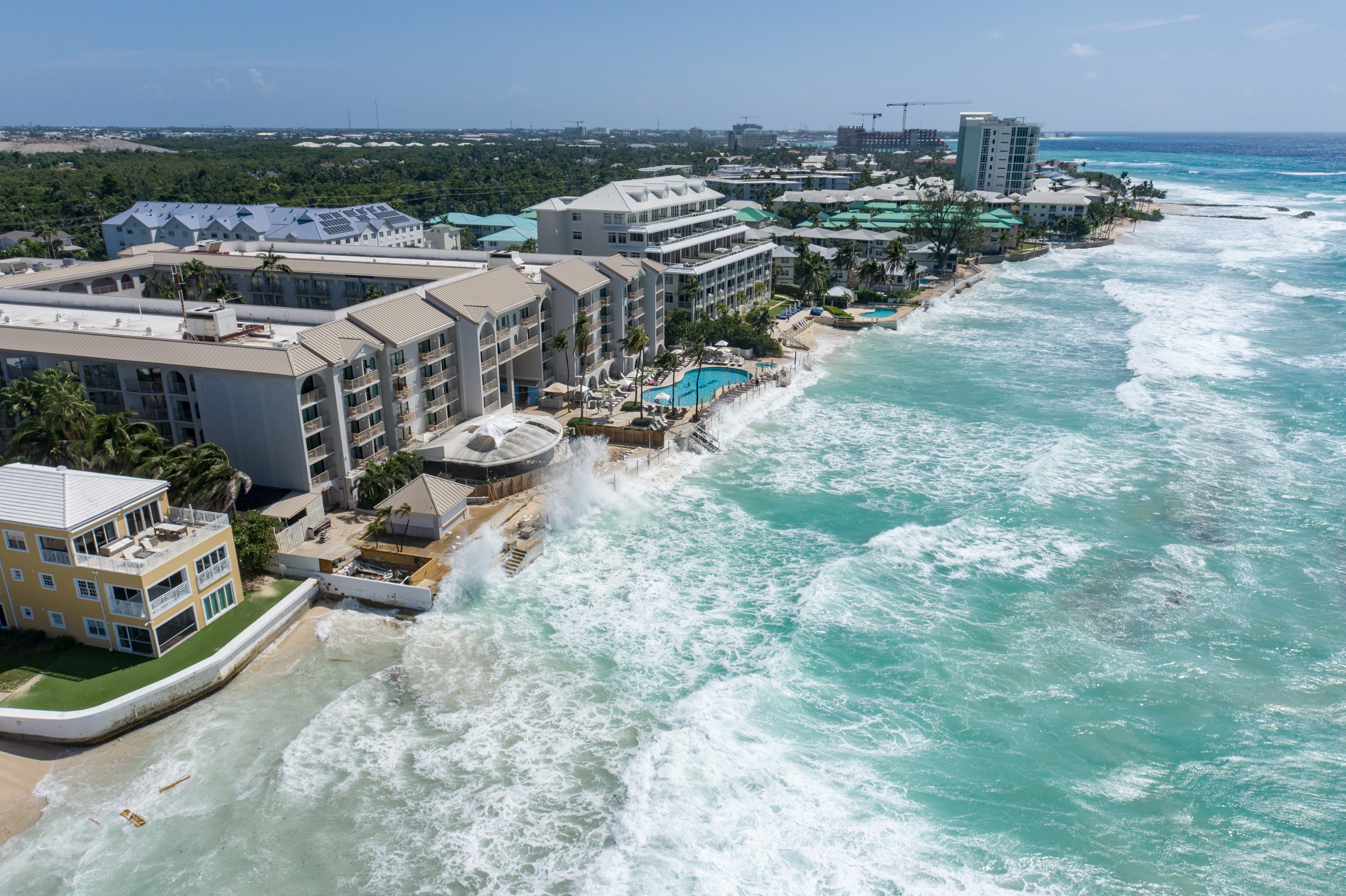
He said the beach got replenished both “from the seafront, the alongshore and from the reserves that were in the dune systems behind”.
At Royal Palms, the reserves are still there and if one digs down through the car park they will be in sand, he added.
The DoE has developed “pretty conservative, but very solid” coastal setback reference lines which they would like to see used instead of the mean high water mark for structures close to the coast.
“The problem with measuring setbacks at the moment is that they’re measured from a mean high water mark and those can move as we’re fully aware. We see how much the beach can fluctuate and with that, of course, the properties don’t move so the corresponding setbacks don’t remain,” he explained.
The DoE, he said, would like to see a ”more conservative approach” that fixes a line in the sand that perhaps is reviewed on a five-to-10-year basis.
That line, he said, would not based on the mean high water mark but on an average of that mark over the past 12 to 20 years.
“We think that’s a useful approach. We have developed that line. We have presented it to the government and there’s certainly some interest and we hope to get more interest and to take that forward as we move on,” he said.
If Cayman were to undertake a beach-replenishment exercise, Austin said that reference line would be needed.
He added that a policy or regulation change would also be required to address potential issues if anyone seeks to claim new high water marks when the beach is replenished and wants to build on the “reestablished beach”.
This will make sure “we can safeguard any of the beach that is restored for future so that we don’t end up in the problems that we’re facing today”.
Last month a request for quotations went out on government’s public procurement portal Bonfire, seeking qualified bidders to help design the best solution to restore sand stripped away from Seven Mile Beach.
That tender has since been closed.
Related Videos








For 50 years there were seawalls along Seven Mile Beach (in various places) and the beach came and went and the sand shifted with the tide and the wind. Then the World population doubled from 4 billion to 8 billion. We had 2 gulf-wars, burning oil wells and 2 billion people in China/India go from feudal living to industrialized carbon burning consumers. Global temperatures rose just a bit, and glaciers melted just a bit and sea levels went up just a wee little bit. But that little bit on our tiny little island translates into the material change we see today. My point is, retreating is no better than animal sacrifice or statue worship or a rain-dance. Our problem is global, technical and mechanical in nature (more water, rising sea levels) and retreating from that problem like some tribute or respect to nature, while romantic, is not going to bring back enough sand than the next storms take away. Our World has changed and we can either give up this beach, or nourish it with sand replacement. Seems like we should get on with that.
Frank – you made an excellent point…right until the end. Your point is the sand goes away due to climate change causing rising sea levels – if that is the case than how does it make sense to spend millions to replenish the beach with new sand that will just get washed away by climate change and rising sea levels?
It’s a cost of doing business. Our business here is to attract tourists, financial professionals (with quality of life for their families), and future dreamers to invest here for the people of our Country. Is it wasteful to pump sand onto the beach knowing it will all be washed away one day? Yes. Does it matter if you get three times your investment back and your economy, thrives? No. The alternative is to do nothing and lose nothing anyway. You can’t save your way to prosperity.
Frank S. is right all along, and in any event it’s impossible to apply the Royal Palms solution to every beachfront structure. As he says the only answer is beach replenishment which is what is done along the Miami beachfront every year. Many years ago the sand would often disappear in places, but then return. This leads me to believe it is still out there but short of the drop off, and is so, available for dredging.
Is this the same DOE that has not replaced mooring balls for a couple of years so dive boats have to go to the same sites. Is this the same DOE that has not replaced the markers in front of the condos so snorkelers do not get killed by jet skis. I have little faith in DOE to do anything positive for this island
I was hopeful that the decision would be to leave the beach for at least 6 months and observe what NATURE does ….?
Yes, there’s climate change but that is caused by development – creating concrete jungles – and not because the population has grown.
Re Karrina A. remarks. I’m hopeful that the new Royal Palms restaurant will be set back enough too to allow the sand to return; also, I think it should be built on stilts so the sand can freely flow back and forth beneath their property. Long ago, all homes built along the West Bay beach were built on stilts and as far back as possible on the individual person’s property, and that worked. Perhaps the Marriott would consider removing their concrete barriers and build future buildings further back and on stilts.
Marilee Parsons