

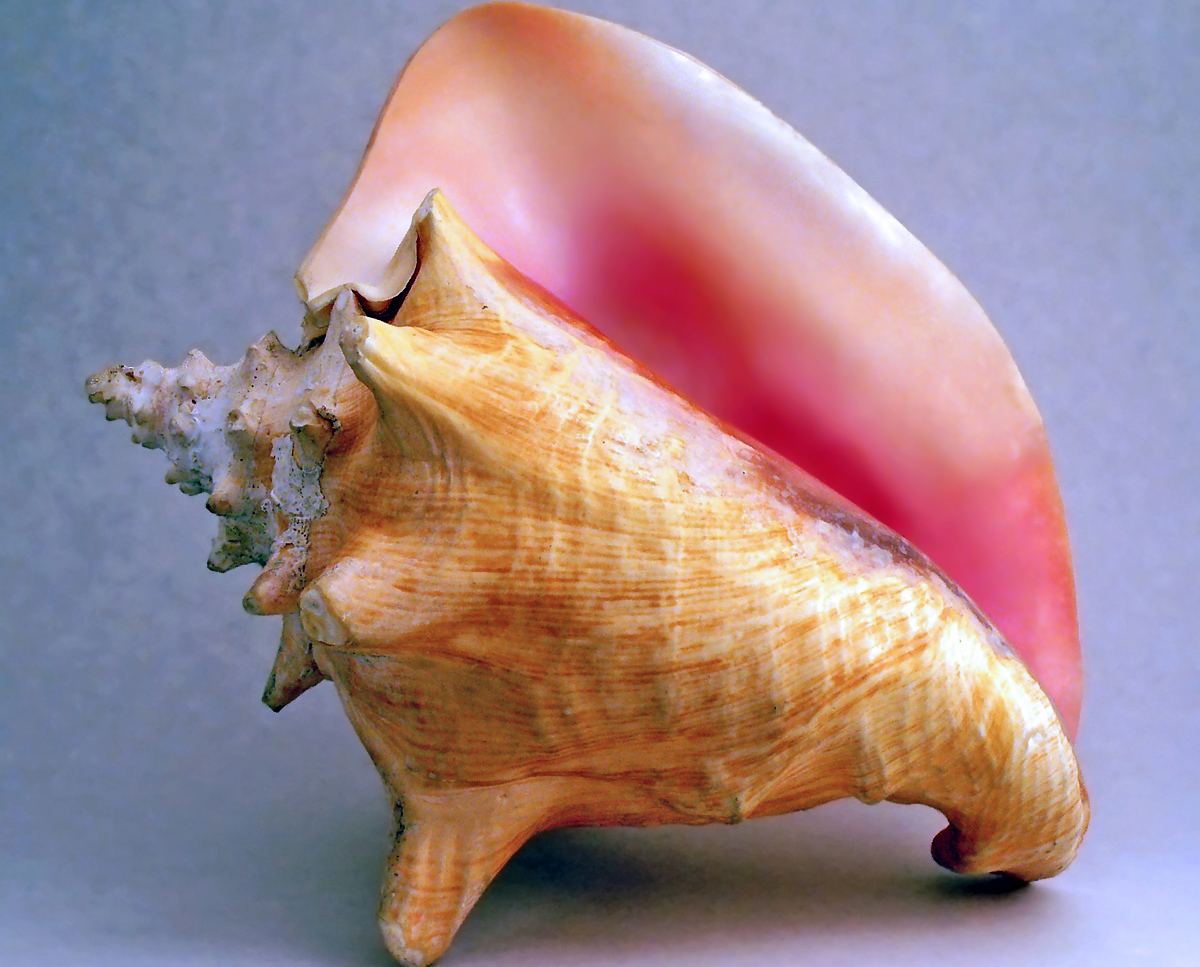
Conch and whelk season in the Cayman Islands officially opened on 1 Nov., giving residents and visitors six months – until the end of April – to enjoy some of the islands’ most cherished culinary traditions. But along with the excitement comes a reminder to tread lightly.
“The conchs and whelks are vital parts of Caymanian culture, but they are also species that are under pressure,” says Nathan Panton, conservation officer at the Department of Environment. “We urge everyone to follow the limits. For conchs that means five per person or 10 per boat per day, whichever is less, and never take conch from marine reserves or sanctuaries. These rules are there to make sure the queen conchs and the whelks are still around for future generations and remain part of our cultural heritage.”
Like conchs, whelks may not be taken from the marine reserves, and the catch limit is two and half gallons of whelks in the shell, or two and half pounds of processed whelks, per person per day.
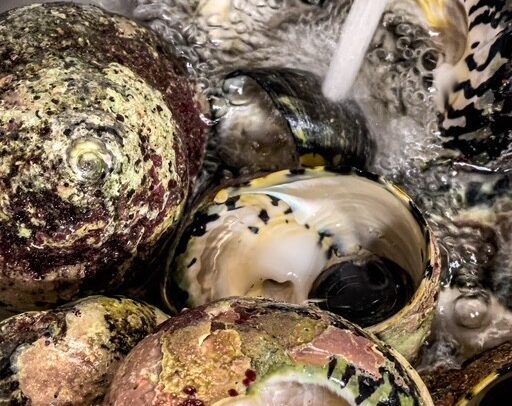
People who take the whelks are also encouraged to return the empty shells to forested areas near the shore, so they can be used by hermit crabs looking for a new home.
The queen conch
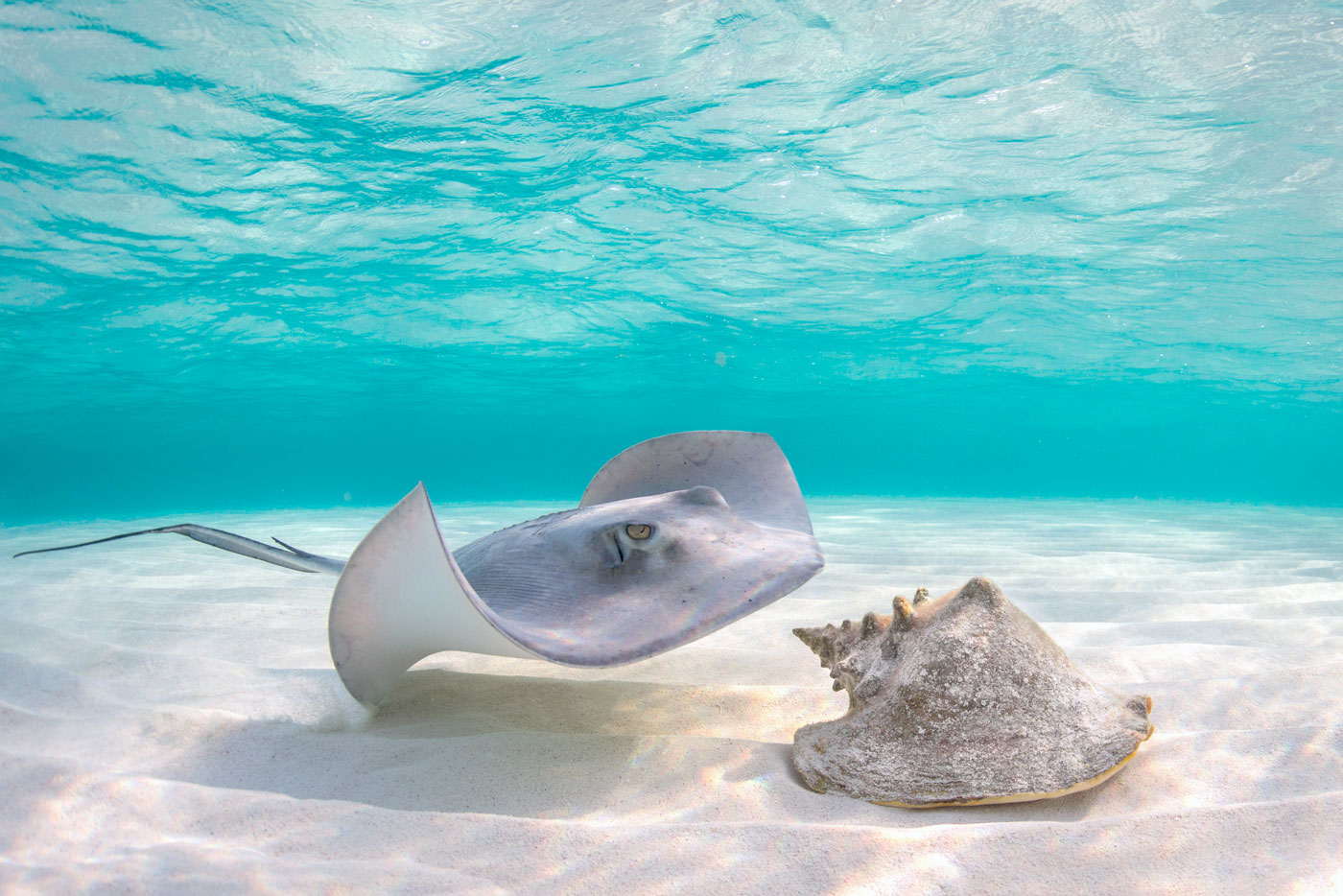
The queen conch (Strombas gigas), with its graceful spiral shell and reddish, pink interior, is one of the Caribbean’s most striking sea creatures. It begins life as a drifting larva, carried on ocean currents for weeks, before settling into shallow seagrass beds or sandy flats. There, the young conch grazes on algae and tiny particles, working like a slow-moving vacuum cleaner over the sea floor.
Over the years it slowly builds its heavy, flared pink shell, its two eyes perched on stalk-like appendages that peer warily from the opening. A muscular ‘foot’ allows it to drag itself forward, but even at full effort, these sentinels of the shallows move at an unhurried pace, leaving a rippled trail across the sand.
Caymanians know not to take the young, thin-lipped conchs. The broad, flared pink lip which gives the ‘broad leaf conch’ its name locally, is a sure sign of maturity. Juveniles should generally be left to grow, and they take three to four years to reach adulthood and may live more than 20 years.
Because they’re slow and shallow-dwelling, conchs are vulnerable; to humans and to nature. Juveniles are preyed upon by loggerhead turtles, octopus and even nurse sharks, among others.
For most Caymanians, conch has been a traditional food source. Marinated conch is sliced thin and soaked in a mixture of lime juice, onion and pepper. Stewed conch is simmered for hours in coconut milk and spices and then combined with dumplings and served over rice. Cracked conch is pounded thin, battered with flour and then deep fried. Conch fritters, a favourite with Caymanians, residents and visitors alike, is mixed with a batter of flour and spices, rolled into small balls and then deep fried and served with a dipping sauce.
Across the Caribbean, overfishing has emptied conch beds once thought inexhaustible. Here at home, strict rules and marine sanctuaries are what keep the species thriving. Taking too many, or removing conchs from protected areas, can lead to heavy fines or even prison time.
“The season is a privilege, not a guarantee,” Panton says. “If we all respect the limits, conch and whelk will remain part of Cayman’s story; on our reefs and in our kitchens, for generations to come.”
Related Videos







You should skip a year and let more be born and grow
Very good idea.