

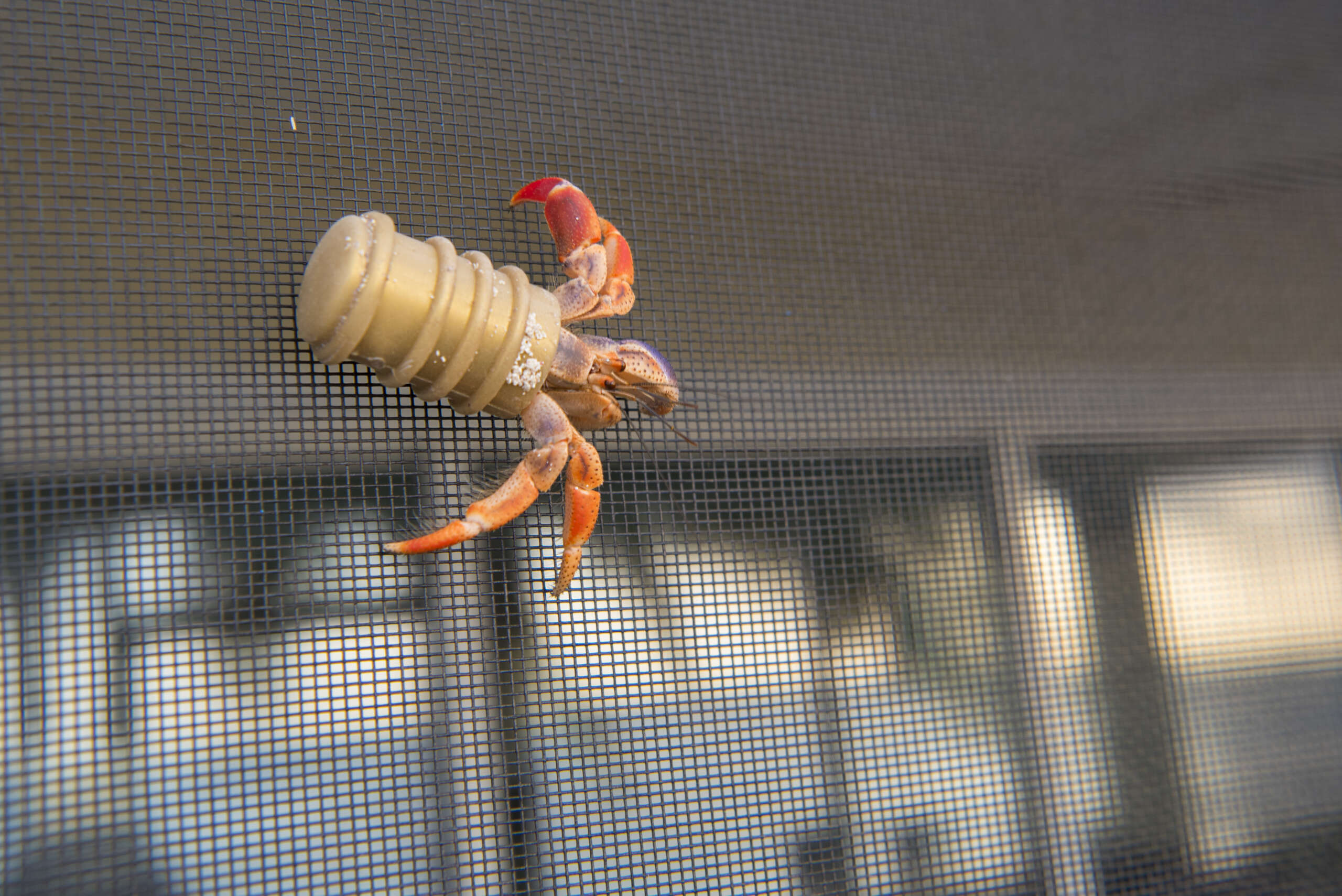
‘Sonny Boy’ Dixon remembers when soldier crabs were abundant along the roads and in the bushes in the capital George Town.
“They would be out walking around at night by the hundreds, and during the day, you could mostly find them under the leaves or the roots at the base of trees. We would use them as bait,” said Dixon, who has spent most of his life working as a fisherman.
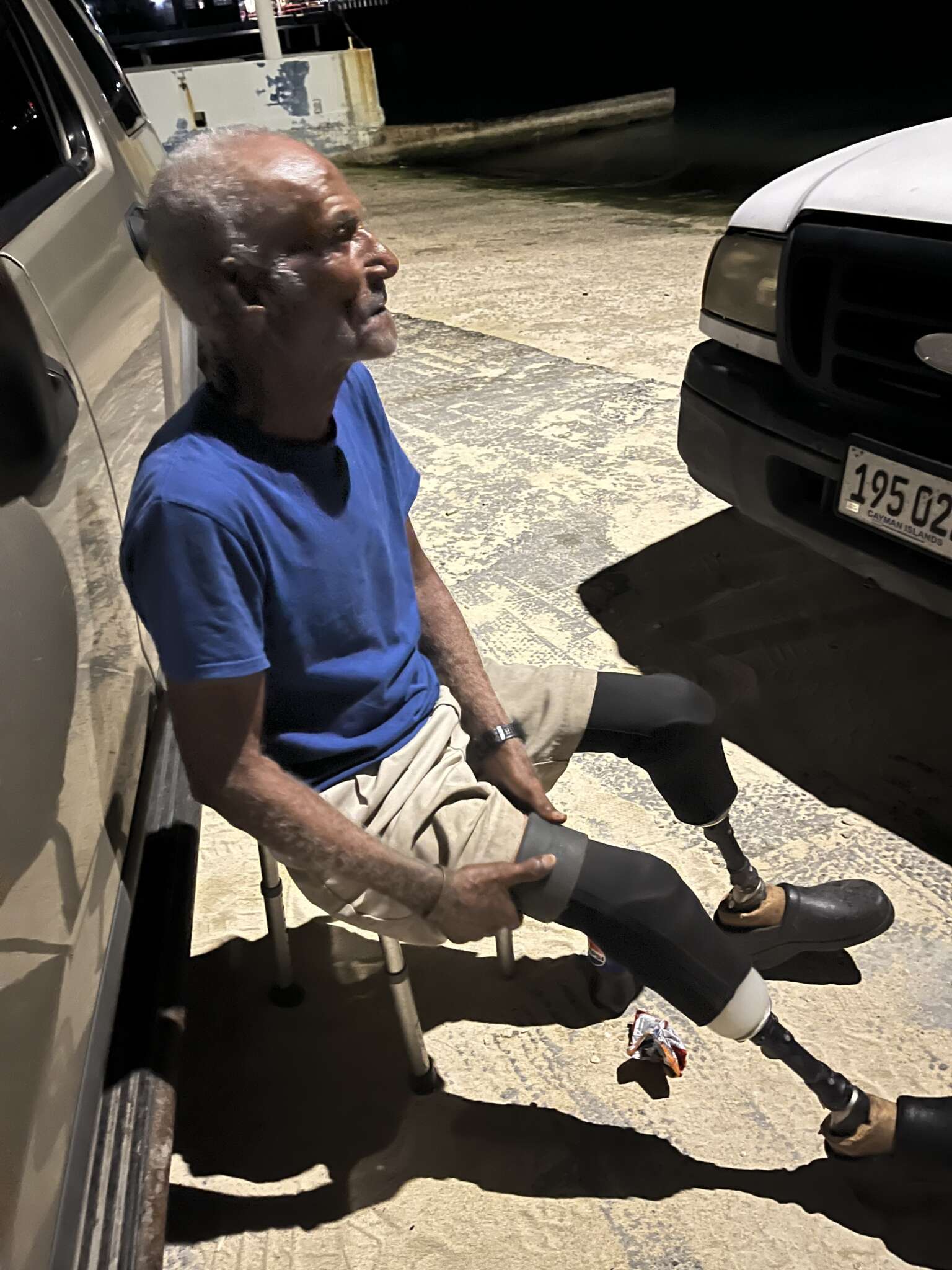
Dorson Wright, another career fisherman said the ‘soldiers’ were particularly sought after when he would “go looking squabs [parrotfish]”.
These days, it is becoming harder to find a crab in the capital, or even on the western half of Grand Cayman. It is not clear if the crabs are being overharvested or simply falling victims to vehicles, which sometimes run over them, as they try to cross the street.
Crabs, including the white land crab, the red shank crab and the soldier crab that live most of their lives on land are not currently protected under local conservation laws.
“The soldier, or hermit crab, does not make its own shell. It typically heads down to the beach when it starts to outgrow its current home and goes looking for a larger replacement shell that, at some time in the past, began life as a marine snail in the sea,” explained former Chief Marine Parks Enforcement Officer Ladner Watler.
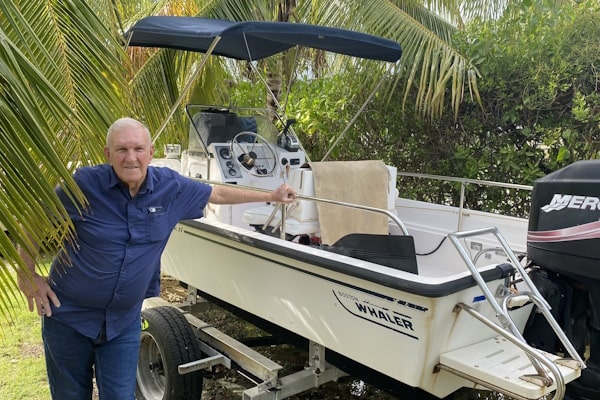
“In the past, when we went fishing, we would face them down and grab them behind the pinchers and carefully draw them out of the shell and then throw the empty shells back into the lion’s tongue plants, which grow near the shoreline, that way the crabs could find a new shell.”
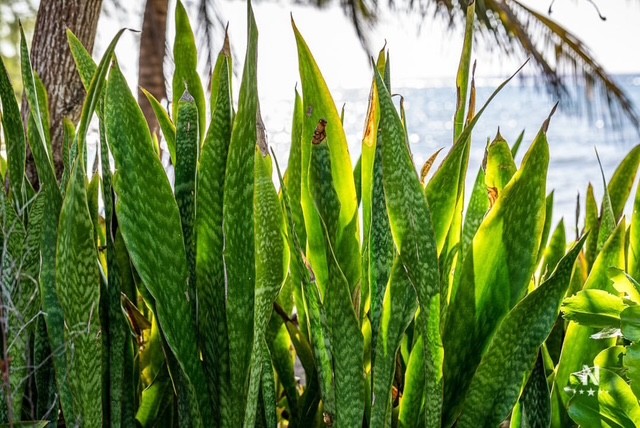
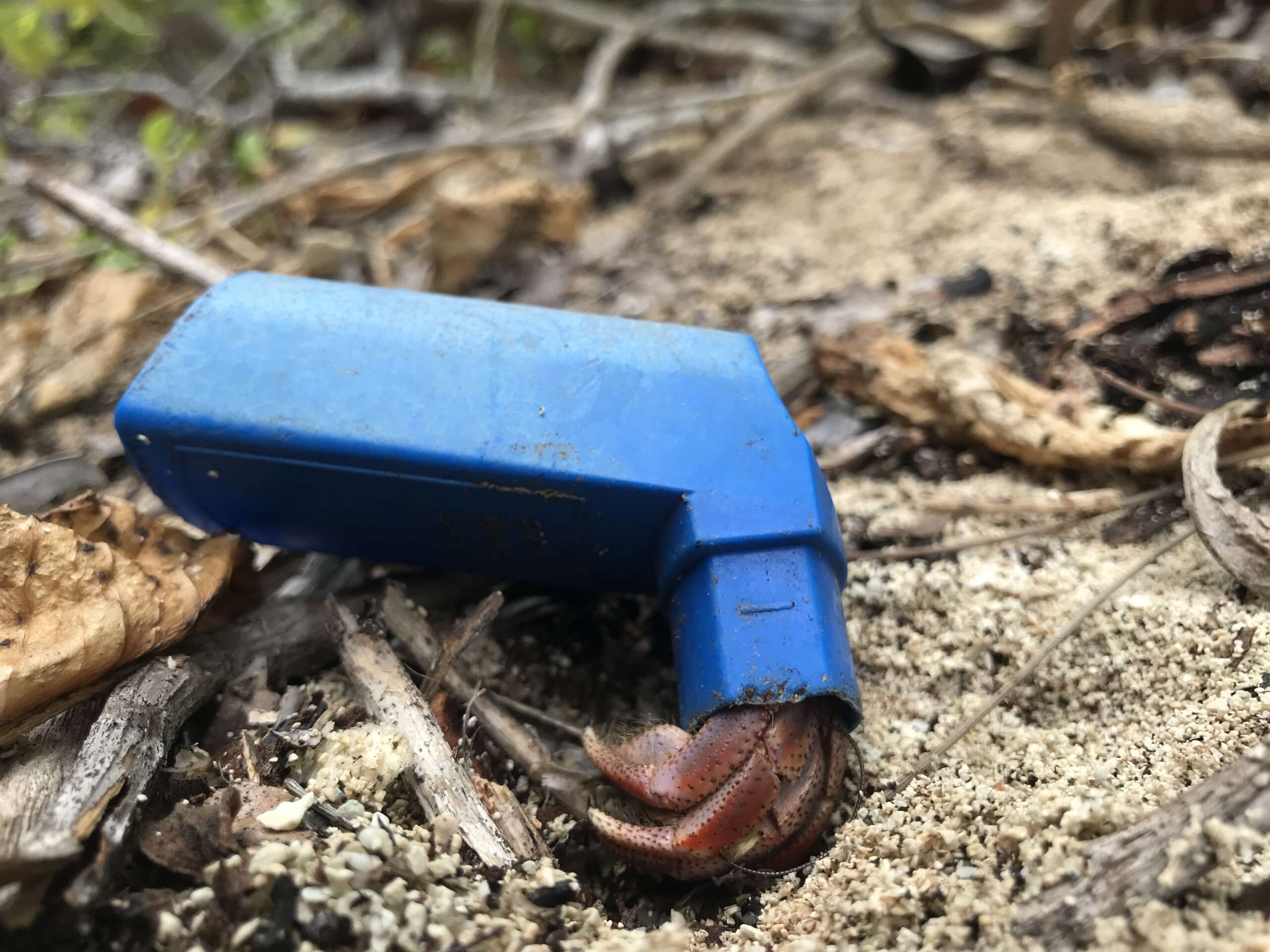
Watler said, “These days people simply smash the shells, so now you see a lot of the crabs can’t even find a shell. They are walking around in bits of plastic pipe and broken bottle tops.”
Preference for whelk shells
According to the ‘Hermit Crab Patch’ website, hermits “can live for over 40 years. They begin their life in the ocean then adapt to live the rest of their life on land.”
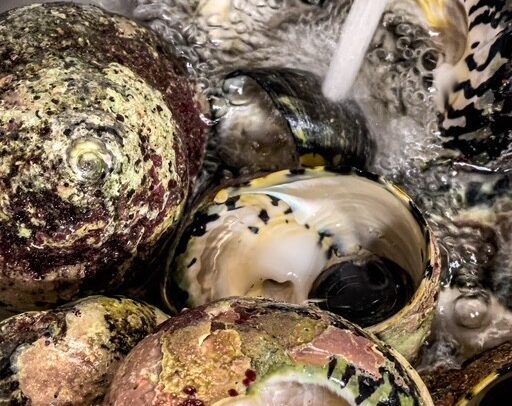
Hermit crabs that are still able to find a real shell to live in most frequently select a whelk shell or what is otherwise known as the West Indian top or the magpie shell. The shells house the edible mollusk that can sometimes be found adhered to the rocks, living in the first few feet of water along the edge of the ironshore shoreline.
Whelk season opened on 1 Nov. Between that date and 30 April, residents are allowed to hunt the whelks in areas that are not designated marine parks or replenishment zones and can take two-and-a-half gallons of whelks in the shell or two-and-a-half pounds of processed whelks per person per day.
Department of Environment Deputy Director Tim Austin also encourages residents who are eating whelks during the season to return the shells to the environment rather than discard them into the trash.
When asked if the current harvesting of whelks could be impacting the soldier crab population, he said, “We are not aware of any studies on the Cayman Islands’ whelk or soldier crab populations. DoE has not conducted any research as anecdotally other local species appear more endangered or threatened and socially important and in need of research and management intervention.”
In Bermuda, the whelk was made extinct, and this did impact hermit crabs there.
“This large snail was a popular food item … as they could be easily gathered along the shoreline at low tide, so this species became extirpated (locally extinct in Bermuda),” states the Bermuda Department of Environment and Natural Resources website.
“This had a serious impact on the land hermit crab population, as they rely on empty Topshell shells for shelter. In 1982 Topshells were re-introduced to Bermuda at Nonsuch Island, and they have spread westward along the South Shore.”
The West Indian top shell, or what is known locally as a whelk, is now legally protected in Bermuda.
When asked if there was a chance of the whelks becoming extinct here in the Cayman Islands, Austin said, “While there is always a risk of local extinction, given the Cayman Islands’ location closer to other whelk populations in Cuba and Jamaica (as well as the likely local recruitment from one of our three island populations to another), the chance of such local extinction should be lower than it was in Bermuda, which is quite isolated geographically.
“This does not rule out the possibility of local extinction, however, especially if there were some regional disease outbreak affecting whelks, or if a predatory or competing alien species were to become established.”
The current catch limit of two-and-a-half gallons of whelks in the shell per day has not been adjusted since the marine parks law came into effect in the 1980s.
Watler, the former chief marine parks officer, believes it may be time to revisit some of the catch limits to ensure the harvest is sustainable.
“Some of these species are culturally very important to Caymanians and the laws were established more than 40 years ago, when the entire population of the Cayman Islands was no more than 15,000 people,” he said.
He pointed to the large white land crab as an example.
“After the recent heavy rains, I saw more ‘crocka’ sacks and flashlights than I saw actual land crabs. After the first rain, they used to be everywhere,” he said.
“We need to look at giving them a break, perhaps for a year or maybe two. There is just too many people in Cayman now and the conservation laws never intended for that.”
Related Videos








Another lack of foresight by our great leaders who want to increase the population without any consideration to the environment, infrastructure or caymanian’s culture. Just a reminder before the amendments to the conversation law, when it’s gone it’s gone forever!! You will need a lager museum to house all the history cayman has lost.
I feel for these poor creatures who have been unceremoniously designated as not being “socially important”. How shameful of the DoE to refer them as such. Every creature has a role, and is as important as another. This article about Hermit Crabs is another insightful observation that must not be overlooked.