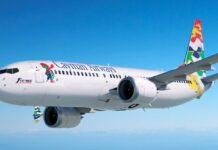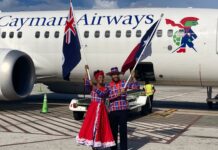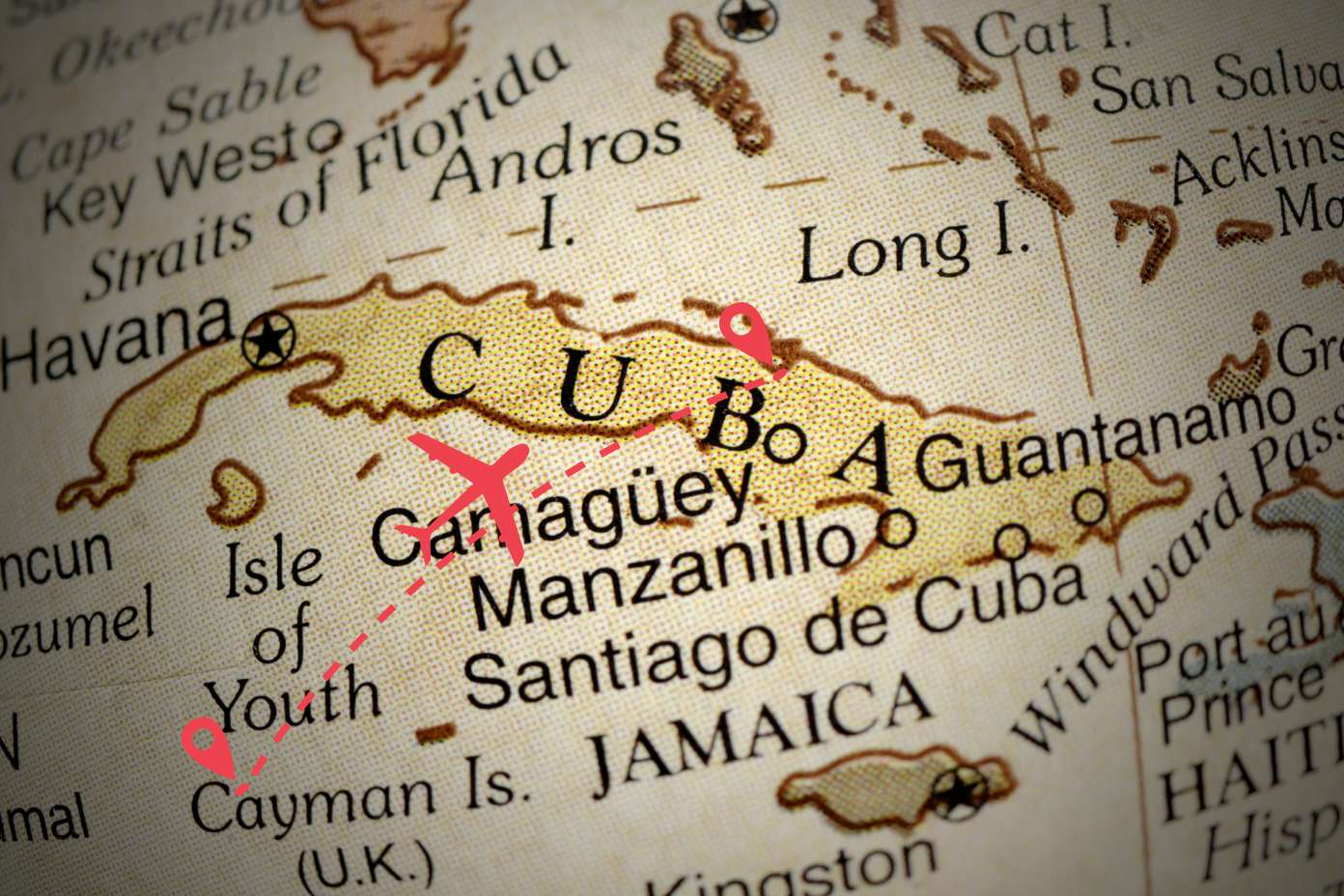
The suspension of Cayman Airways’ direct flights to Havana has drawn concern among Cayman’s Cuban community and Caymanians with family and other ties to the island, many of whom say the route was an important link for family visits, travel between the two countries and the delivery of charitable aid during Cuba’s ongoing economic crisis.
Cayman Airways announced on 17 June that it will temporarily suspend its weekly Grand Cayman-Havana service from 26 June after determining the route was no longer economically viable.
The move follows months of mounting challenges for airlines serving Cuba, including a prolonged Jet A-1 fuel shortage that has forced some carriers to suspend services to the island. Cayman Airways had previously warned that the fuel crisis was creating “significant operational constraints” on the Havana route and could result in cancellations for operational and safety reasons.
New costs and complications for Cuba-bound travellers
While several countries still offer direct flights to Cuba, Cuban nationals travelling from Cayman often face additional hurdles due to visa and transit visa requirements. For many, the suspension is less about losing a flight and more about losing one of the few straightforward routes available to them.
“Cubans are citizens that need to apply for visas or transit visas to go everywhere, so we can’t do flights as the rest of the world does,” said Gina Duquesne. “We are very limited.”
She said many Cuban residents save throughout the year to visit family members because opportunities to travel are already restricted.
“I want people to realise the magnitude of this problem,” she said. “Nothing is worse in my opinion than the feeling of being a second-class citizen of the world. It is really hard to know that your country is in such a bad situation that you cannot even go back if you want.”
Duquesne said the suspension has left some residents worried about their ability to return home or bring relatives to Cayman.
“There are people like me that want to bring family for a vacation and did everything right applying for their visa, but now they can’t fly. People who had already planned their vacation are now stranded,” she said.
Alternative routes remain available, but each presents obstacles that are expected to increase both the cost and complexity of travel.
Travel through Jamaica requires Cuban nationals to obtain a visa, including for transit. Nassau remains one of the few Caribbean gateways to Havana, but flight schedules from Grand Cayman generally require an overnight stay, creating immigration complications.
Panama, served from Grand Cayman by Cayman Airways with onward connections through Copa Airlines, is widely seen as the most practical alternative. However, Cuban nationals must obtain a Panamanian transit visa at least 15 business days before travel.
“The suspension of flights to Cuba is an issue that deeply affects the majority of the Cuban population residing in the Cayman Islands,” said Wendy Dueñas Palmero.
“Because we are now forced to travel through a third country, the journey requires much more planning. It adds extra travel days, days that are often wasted out of our limited vacation time just to get to our destination.”
She said the route had also been used by Cuban residents to bring family members to Cayman for visits.
“It creates a major hurdle for every Cuban living or staying here, making it incredibly difficult to visit family back home or even to bring relatives over for a visit, as many of us used to do until very recently,” she said.
A blow to family and community ties
The decision affects a community that extends far beyond the roughly 300 Cuban nationals currently working in Cayman on permits. Over the years, many Cubans have secured permanent residence or Caymanian status, while generations of Caymanians have maintained family and historical ties to Cuba, particularly the Isla de la Juventud, formerly known as the Isle of Pines.
Rosa García, a Cuban national who has lived in Cayman for more than a decade and has since attained Caymanian status through marriage, said the route was an important link to her homeland.
“For many Cuban residents in the Cayman Islands, these flights are more than just a travel option. They are an important link to family, culture and personal responsibilities back home,” she said.
Richael Misael Hernández Visiedo said many Cuban families in Cayman regularly travel between the two islands.
“There are many Cuban families here. They have relatives in Cuba, so many people travel, or bring their family members here to Cayman to spend time together. Many also go to Cuba to visit and be with their families,” he said.
He added that the suspension will make family reunions more difficult.
“This deeply affects the bond between Cayman residents and their relatives in Cuba.”
Some members of the community expressed hope that a reduced service could eventually be maintained.
“We can certainly understand that the flight no longer has the same passenger volume as before, but this is due to the situation that the people of Cuba are experiencing these days,” said Gricel Ferrada.
“It would be worth considering having at least one flight per month so that we can continue maintaining the connection with our sister island, Cuba.”
Impact on humanitarian efforts
The suspension is also expected to affect humanitarian efforts that have relied on the route to transport aid to Cuba.
“The people of Cuban-Caymanian heritage throughout Grand Cayman are very saddened by this announcement,” said Mario Ebanks, who has been involved in organising aid shipments through Marlon Alejandro Riera Tabares’ Blue Unicorn initiative, described the service as an important cargo link.
“This air link has really been a lifeline for movement of passengers and cargo between Grand Cayman and Cuba,” he said.
The local group has used the flights to send medical and other supplies to Cuba, where shortages of basic goods have worsened amid the country’s ongoing economic crisis.
While routes through Panama remain available, Ebanks said they may not be practical for transporting humanitarian aid.
“The Panama option may sound good, but in practice it’s not going to really work, I don’t think,” he said. “We’re still hoping that there’s some reconsideration.”
He said many members of the Cuban community would like to see discussions about whether a reduced service using smaller aircraft could preserve a direct link between the two islands.
“I think what they want is to hear something from the government, some explanation, some hope, or something to say, ‘Look, we understand this. We’re working on a solution,'” Ebanks said.
Related Videos