Long-spined sea urchins are mysteriously dying across the Caribbean, in what appears to be a repeat of a mass die-off that occurred in the 1980s, and from which the population was still recovering.
While so far there have been no reports of sick or dying sea urchins in Cayman, the Department of Environment is asking divers, snorkellers, fishermen, boaters and beachgoers to help monitor the spiny creatures, also known as Diadema antillarum, and record if they come across any dead urchins.
There have been reports of die-offs of the animal from St. Thomas in the US Virgin Islands in early February; Jamaica in early March; and Mexico, Dominica and St. Vincent in the past few weeks.
The Atlantic and Gulf Rapid Reef Assessment programme has launched a region-wide effort – the Diadema Response Network – to track and investigate the cause of this mortality event, which includes an interactive map showing the extent of the die-off.
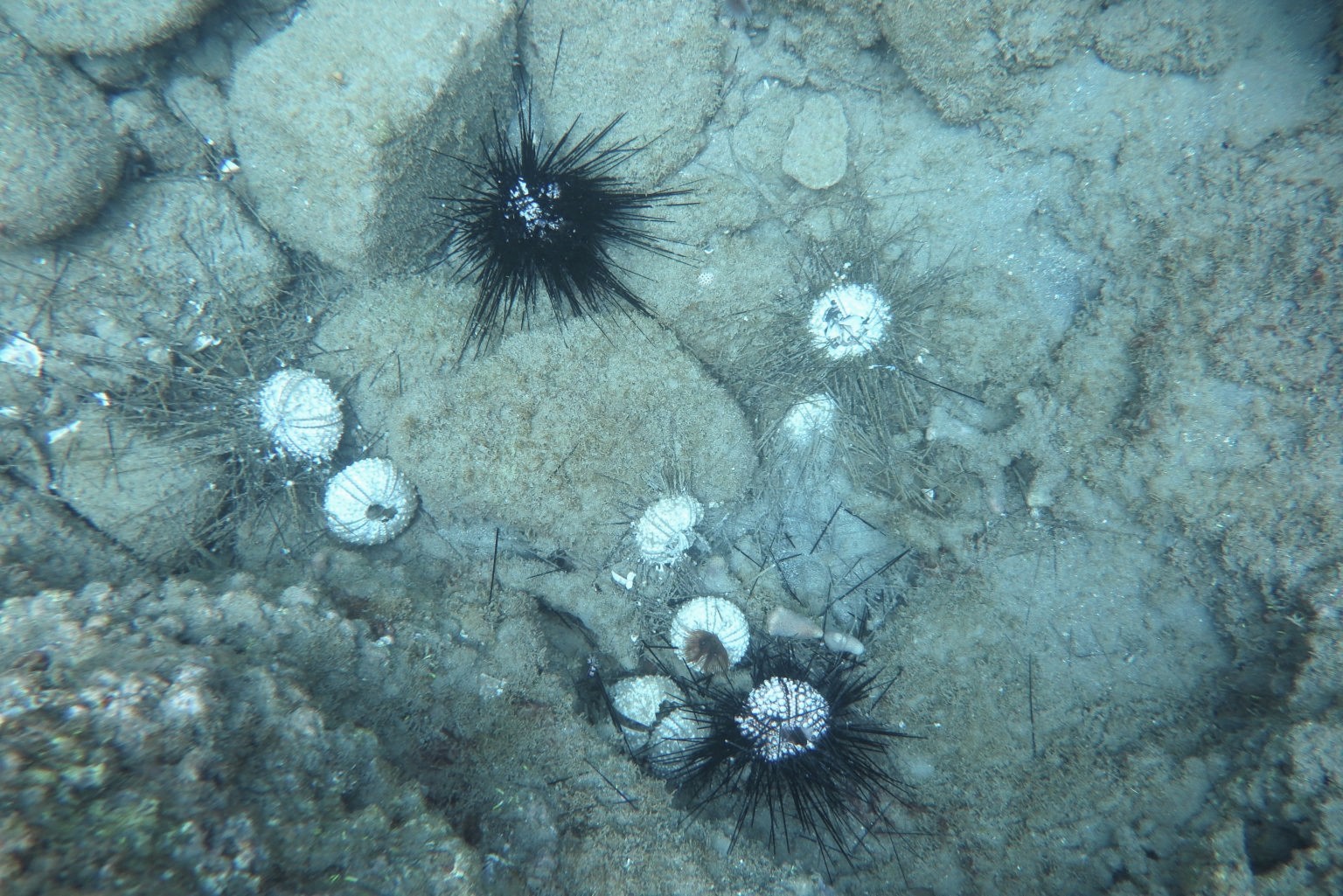
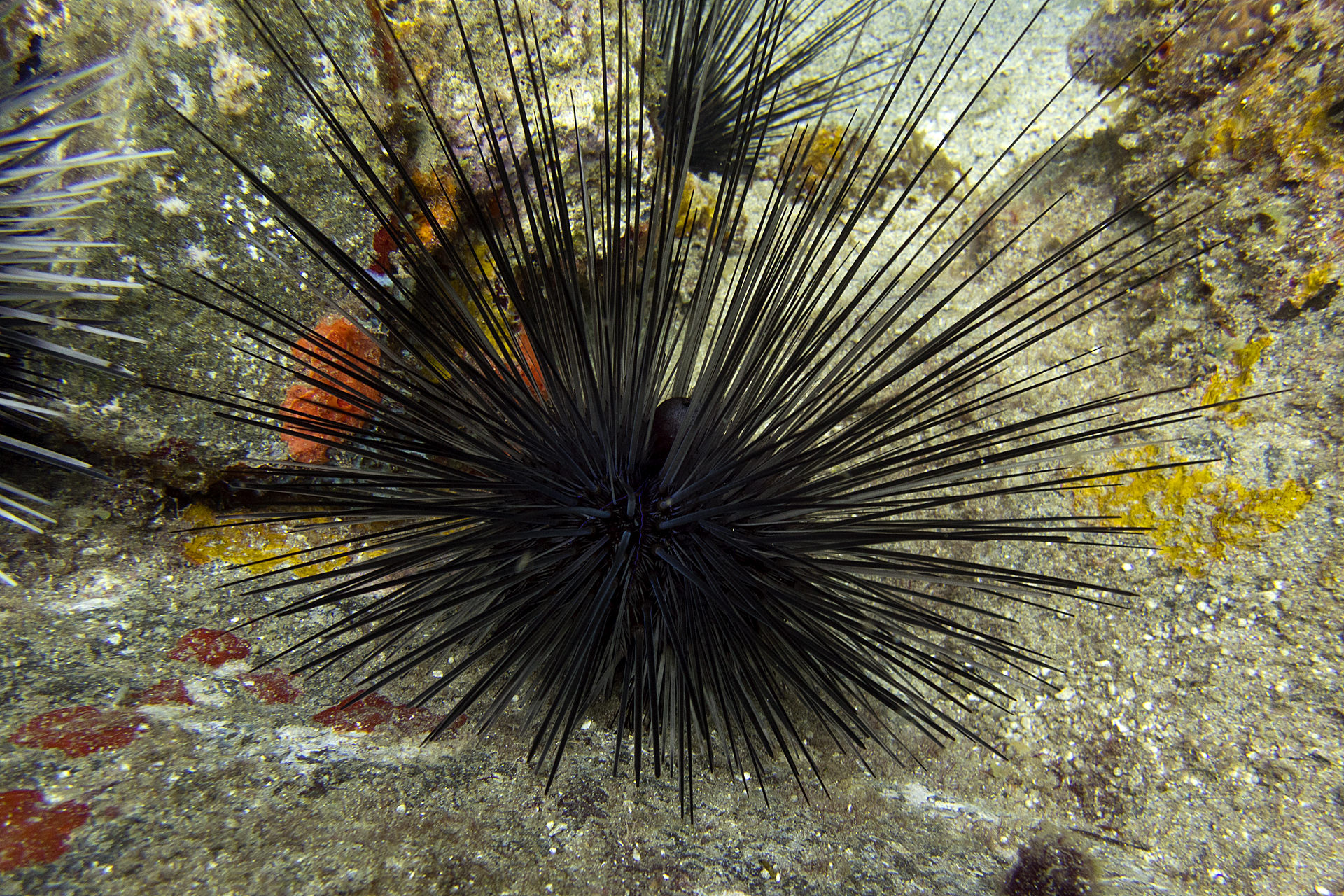
In a press release issued on Tuesday, DoE senior marine researcher Croy McCoy said sea urchins, especially the long-spined species, are considered a “keystone grazer” tasked with controlling algae growth on our reefs.
“Long-spine[d] sea urchins play an important role in removing algae and maintaining the health of our coral reefs ecosystem. They are ‘the lawnmowers of our coastal seas’, clearing real estate so that other organisms, like baby corals, can attach themselves and grow.”
In 1982-1983, in the western Atlantic and Caribbean basin, the long-spined sea-urchin Diadema antillarum suffered from a major sudden die-off with no definitive cause of the mortality.
The population is still struggling to recover, reaching less than 20% of its prior population status, the DoE said.
“It is sad to see yet another high mortality event in the Caribbean region of this critically important urchin for the ecological function of our coral reefs,” McCoy said. “Furthermore, the reported rate at which large numbers of these urchins are now dying resembles the mass mortality 40 years ago.”
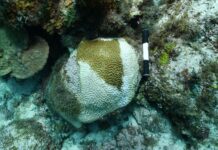
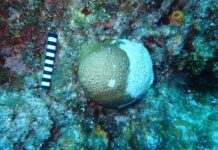
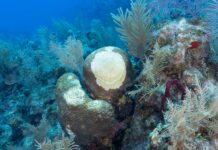
This latest threats adds more stress to Cayman and Caribbean reefs that are already impacted by stony coral tissue loss disease, which affects more than 20 species of hard corals and kills 60%-100% of some coral species.
The disease was first reported on the coral reefs of Grand Cayman in June 2020 and has spread around the entirety of Grand Cayman. It has not been observed on the coral reefs of Little Cayman or Cayman Brac.
How to help
SCTLD response team coordinator Tammi Warrender, from the DoE, explained how the community can help proactively to address the threat to Cayman’s sea urchin population.
“Reports from the public are essential so that we can respond immediately to this threat and collect, organize and share data with the wider scientific community to help find possible solutions,” she said. “The most important thing the community can do now is to report ‘what, when and where’ they see anything unusual, particularly a dead or a group of dead sea urchins. Reports of healthy sea urchins will also be useful for our response.”
Sick or dead urchins may be unable to attach by their feet and be floating and/or have lost spine movement and/or spines, while dead urchins may have the skeleton exposed with loss of spines.
Divers, snorkellers, boaters, fishers and beach walkers are encouraged to download the EpiCollect app Urchin Health Cayman to submit reports quickly and efficiently to the DoE. The public may also WhatsApp or text a report to 926-0680 or email [email protected].
Related Videos