ICT regulator OfReg has resolved a long-running dispute between local broadband service providers Flow and C3.
C3 asked OfReg to intervene in June 2019 after the company said it experienced a range of infrastructure-sharing problems with Flow.
C3 raised issues concerning slow or uncompleted work, inappropriate pricing for access, as well as technical issues on sub-duct sizes and access to install equipment in the MAYA-1 cable landing station.
As the operator of the Maya-1 subsea cable, Flow is legally obliged within the terms of its licence to provide shared infrastructure access services to other licensed broadband service providers in Cayman.
Following an investigation and consultation process with both companies to establish the facts of the dispute, OfReg has now published a determination on the various issues.
Duct access
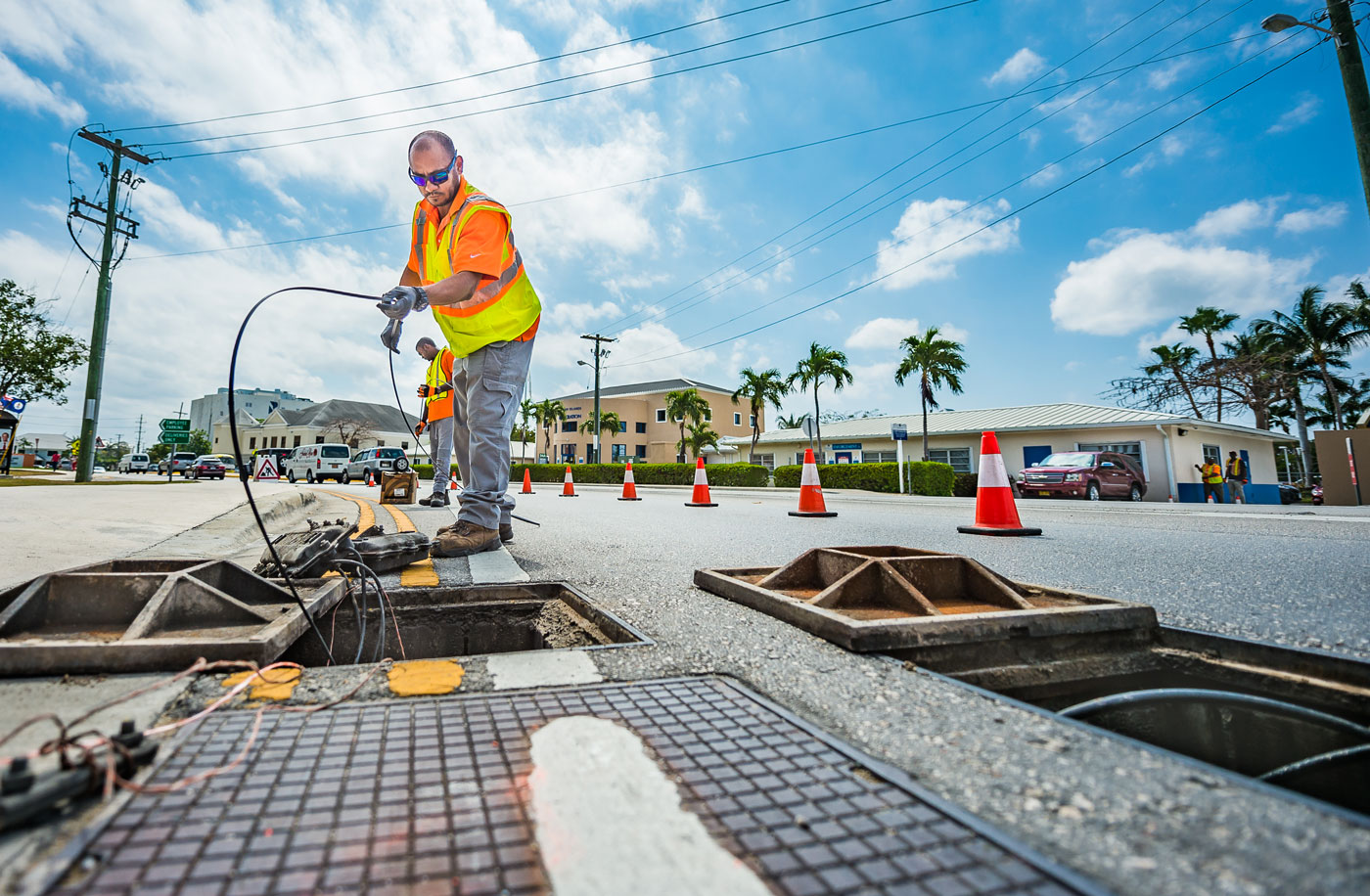
C3 claimed Flow had not responded in a timely manner, applied inappropriate prices and acted unreasonably in responding to C3’s request to share certain underground duct infrastructure along Shamrock Road between Spotts Dock and High Rock Road.
OfReg determined that despite delays by both parties, Flow had responded in a timely fashion to the requests for quotes. But the company did not provide the duct clearance and make-ready work in a reasonable timeframe, given that the duct clearance is still not completed.
The regulator said Flow was not justified in stopping the duct clearance and the work must be completed.
Pricing
OfReg found Flow charged C3 inflated prices for duct surveys, clearance and make-ready work, and the regular use of duct infrastructure.
The regulator decided the mark-up on base prices Flow charged for make-ready works, such as additional manholes, must be corrected to a lower amount determined by the Office. C3 should be reimbursed for the difference.
The rates charged by Flow for the use of certain subducts were also not reasonable and the price should be lowered to a level set by OfReg.
The same applies to a loading factor for Flow’s special services work in connection with duct surveys. The surveys are used by Flow to determine if there is sufficient space and any additional work required to install third-party ICT infrastructure. The regulator concluded the mark-up on the base charges for the duct surveys must be amended in retrospect.
Alleged material breach of contract
Flow in turn alleged C3 had breached the infrastructure-sharing contract between the two providers by using a larger-than-agreed subduct of 1.5 inches in diameter instead of 1 inch. OfReg agreed but said the breach was not material, which would have led to the termination of the contract.
C3 must either remove the sub-duct or agree to pay Flow at a rate set by the regulator.
Because C3 did not have permission to use a 1.5 inch subduct, Flow does not have to compensate the company for any unused sub-duct and associated fibre cable, the regulator decided.
Access to Maya-1 landing station
Another dispute between the two companies concerned C3’s request to access and colocate in the Maya-1 subsea cable landing station in High Rock.
Flow had argued there was insufficient space in the landing station, but the regulator disagreed and decided the telecom provider must make space for and install C3 equipment.
C3 announced in April that it had gained access to the subsea cable landing site.
In relation to another aspect of the dispute, OfReg said, due to a lack of capacity, Flow was justified in rejecting an alternative solution proposed by C3, involving access to part of the duct from Maya-1 to Health City. Alternative duct facilities have since been built.
Sonji Myles, executive director for Information Communication and Technology at OfReg, said in a press statement, two of OfReg’s principal functions in the ICT sector are to promote and maintain an efficient, economic and harmonised use of the ICT infrastructure, and to resolve infrastructure-sharing disputes between service or network providers.
“In doing so, we ensure a level playing field for licensees, protect the interests of the public and promote competition and choice for consumers. In this case, intervention was required to resolve a number of issues that we are satisfied now means both licensees are compliant with the terms of their licenses and can equally provide consumers with more choice and better services in the future,” Myles said.
Related Videos