The death of a one-month-old Caribbean reef shark that was found stuck in a plastic slipper in South Sound has triggered both outrage and distress within the community.
DoE shark project officer Johanna Kohler, who holds a PhD in marine biology and ecology, described the incident as “a very unfortunate and sad event” especially given the age of the animal.
“It was heartbreaking to pick up the dead shark. It was a newborn, just a few weeks old. When they are so young, they don’t know ‘how to shark’ yet. Female sharks don’t provide any parental care. Baby sharks have a tough start to life. They are immediately after birth on their own – to defend themselves and to find food,” she told the Cayman Compass via email.
The Department of Environment, in a post Wednesday, said the baby shark was recently found dead by a member of the public.

Kohler, who performed the post-mortem exam on the baby shark, said the cause of death was suffocation.
“When they are that young, sharks eat little crabs, shrimp and worms. It was probably ‘playing around’ underneath the sargassum, trying to catch some of the little critters among the seaweed. It probably investigated the shoe before it got stuck. Sharks are very inquisitive and this little one was just starting to explore the world,” she said.
It was heartbreaking to pick up the dead shark. It was a newborn, just a few weeks old. When they are so young, they don’t know ‘how to shark’ yet. – DoE Shark Research Officer Johanna Kohler
The slipper was probably floating on the surface, she said, adding that there was no evidence to indicate where it came from.
There were four previous reports of dead sharks in 2023, making this baby Caribbean reef shark the fifth death reported to the DoE in Cayman waters, she added.
“Every death is devastating for our local shark population. This baby might have been one of 2-3 pups in this year’s litter of one female,” Kohler said.
Kohler said the post-mortem exam revealed that the baby shark was a male, newborn Caribbean reef shark of 76 cm total length, with a clearly visible belly button.
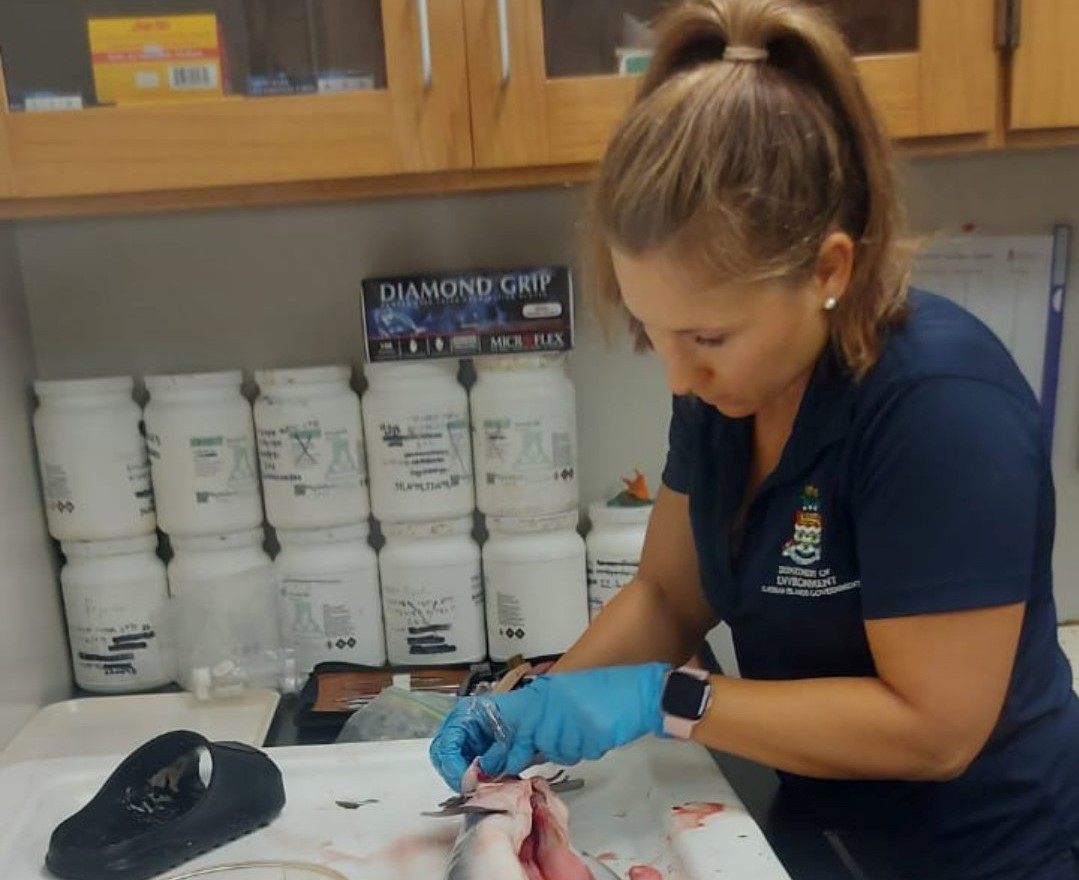
“Caribbean reef sharks are about 70 cm long at birth so was able to conclude that this shark was likely born in late July or early August, making it around a month old when it perished. The examination of the stomach content revealed that the shark had not eaten recently, as only sand and a tiny worm were found,” the DoE said.
“The shark became entangled in a plastic shoe (slipper) which prevented it from swimming and covered the gills. This stopped the water flow over the gills and therefore oxygen uptake.”
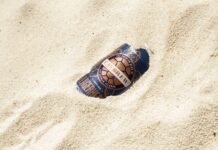
Kohler added, “The shark suffocated because it got stuck in a large slipper. Pollution of any kind including abandoned fishing gear can cause entanglement of wildlife including sharks, turtles, stingrays and reef fish. Best practice is to take our trash home when we enjoy the marine environment and beaches of our islands; and to remove any trash left by others or that washes up from elsewhere.”
The dramatic photo of the shark lodged in the sandal on the DoE Facebook page elicited comments ranging from sadness to anger.
Some even issued calls for action on plastic pollution, like Oly Rush, who last year became the first person to swim around Grand Cayman as part of his campaign against plastic pollution.
“This is just awful, utterly heartbreaking to think how much suffering that caused. We really must do better, please support local clean ups, get involved and take action. So sad,” Rush wrote under the DoE post.

Jonathan Schutte, of Plastic Free Cayman, said the discovery points to the need for action on plastic waste.
“We are deeply saddened by the tragic discovery of a shark entangled in a plastic shoe on our beautiful shores. Our hearts go out to this magnificent creature and the fragile ecosystem it was a part of. This heartbreaking incident underscores the urgent need for all of us to embrace plastic-free living and make sustainable choices,” he told the Cayman Compass in an emailed comment.
Schutte urged the community to join Plastic Free Cayman in its mission to protect local oceans and marine life by participating in the organisation’s monthly beach cleanups.
“Together, we can create a cleaner, healthier environment for all living beings,” he said.
Shark-pupping season is under way and usually comes to a close at the end of September.
Kohler asked the public to continue to stay vigilant to avoid unintentionally catching a shark.
“Especially when fishing from the shore, in shallow waters such as our sound and near mangroves, where baby sharks are encountered more frequently. We are coming towards the end of the shark pupping season but baby sharks will continue to occupy the shallow waters to find shelter from bigger predators and to find food such as small crustaceans and worms,” she added.
Sharks are protected under the National Conservation Act (in force since 2015) because of their socio-economic and ecological benefits to our islands.
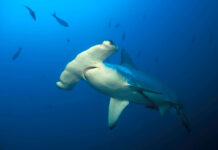
“Caribbean reef sharks are one of the most abundant shark species in Cayman. However, our shark populations are particularly vulnerable because they grow slowly, mature late, have long pregnancies and low fecundity (small numbers of pups per litter) so for natural increases in shark populations to occur it can take decades,” she said.
Related Videos