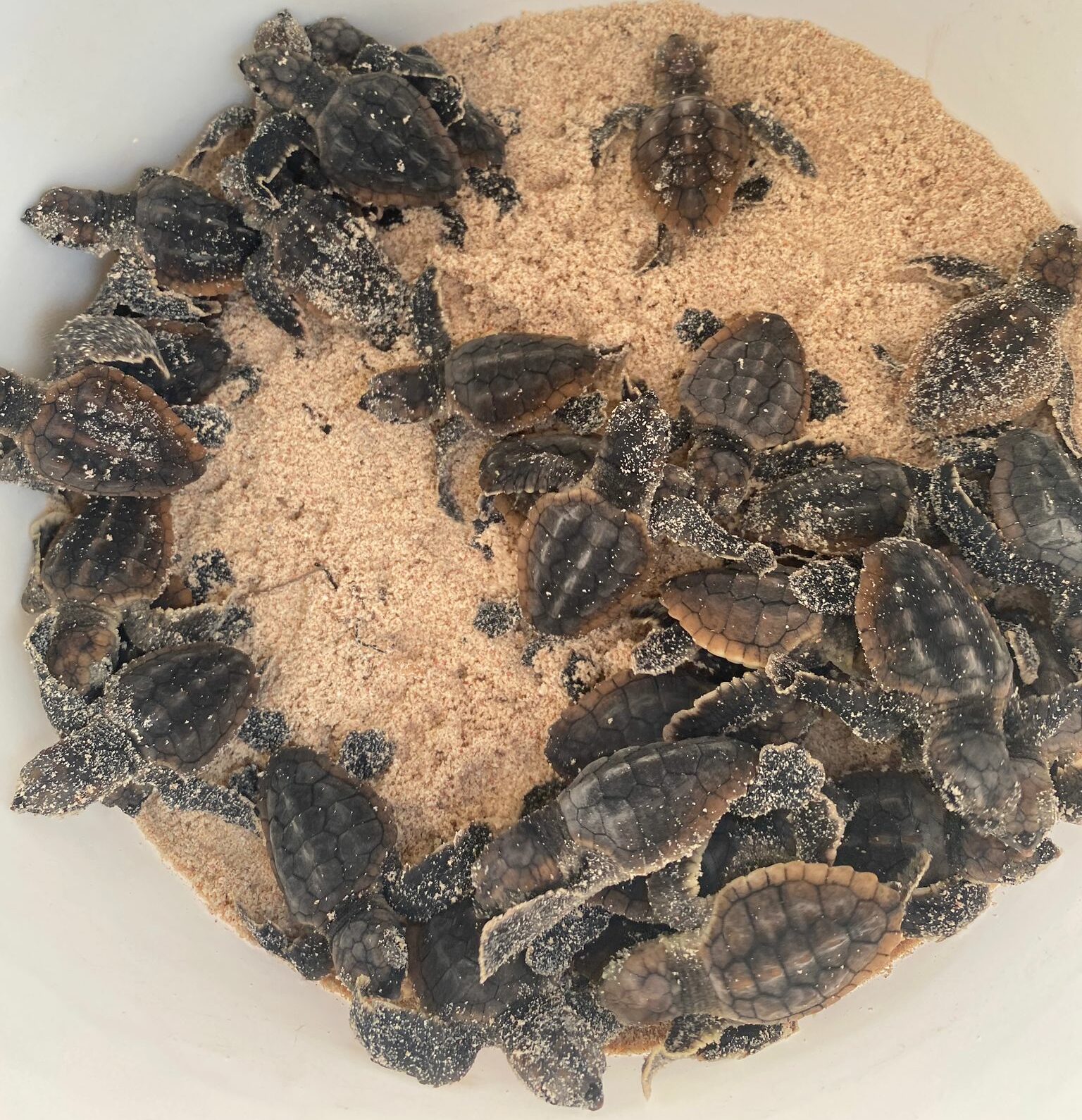
After two record-breaking years in a row, the number of turtle nests on Cayman beaches looks set to drop this year.
By this time last year, 810 nests had been counted across all three islands. As of 26 Aug. this year, just 527 nests had been recorded by the Department of Environment.
At the end of last year’s season, more than 1,000 nests were counted, for the first time since the Department of Environment stared monitoring nests in 1998. The year before, the total number was 858, which was also record at that time.
Numbers decline
To date, 299 loggerhead turtle nests and 228 green turtle nests have been recorded.
Green turtle nesting is still under way, but Jane Hardwick, Department of Environment sea turtle programme manager, said no new loggerhead nests have been recorded for a couple of weeks now.
Though the numbers are lower this season, Hardwick said she was not worried by this change.
“Overall, it’s a quiet year for both species, especially green turtles, but this is not surprising or concerning after 2022 and 2023 were very busy seasons and we expected many of these nesting females to have a couple of years break before they return,” she told the Compass in an emailed comment.
Sea turtle nesting season runs from 1 May to 30 Nov., so the final tally for this season is still a couple months away.
This year’s season commenced in April, with the discovery of a loggerhead nest on Cayman Brac. It was the second consecutive year that the island marked the start of the turtle nesting season. Last year, the first loggerhead nest was found on the Brac on 12 April.
Cayman’s 2022 turtle nesting season was the longest on record, running into the following year, after the last official nest of the season hatched on 22 Feb. 2023 on Little Cayman.
Hurricane Beryl takes toll
Cayman’s turtle nests took a blow during the passage of Hurricane Beryl in July.
Hardwick said the storm, which brushed past Cayman as a Category 3 storm, caused high swells on the south coasts of all three islands, causing “wave wash-over” to nests and significant movement of sand on some key turtle nesting beaches.
“The timing of Beryl was the peak of the loggerhead nesting season, which is unusually early for a hurricane. At the time of Beryl’s arrival on the 4th July, there were 124 nests incubating on Grand Cayman’s beaches, 96 loggerhead turtle nests and 28 green turtle nests,” she said.
Sea turtle eggs take 50-60 days to hatch.
Hardwick said, during Hurricane Beryl, 45 nests were washed over by waves.
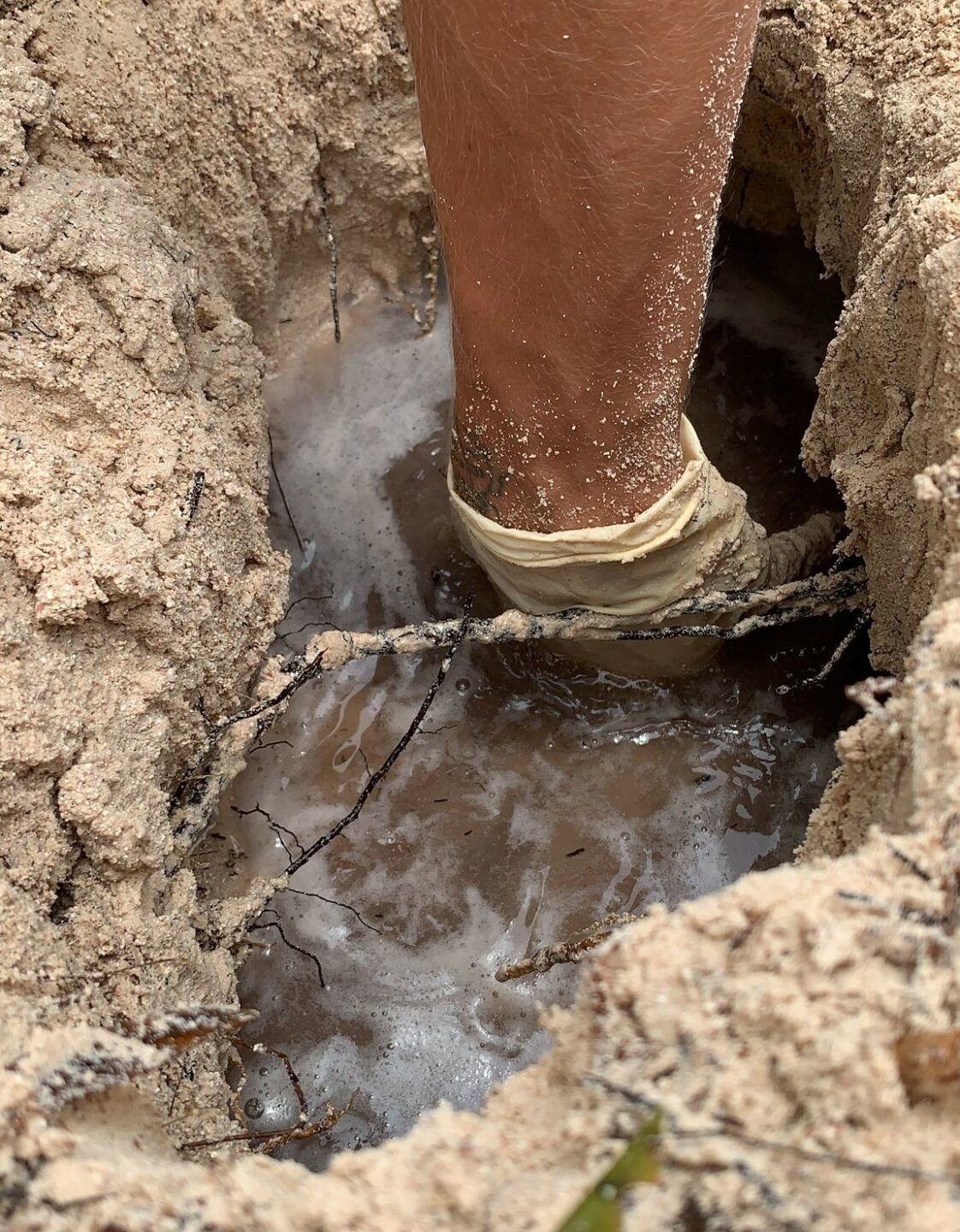
“Of these 45 washed over nests, 6 failed completely [with] no hatch, 12 had a low hatch success with less than 50% of eggs hatched, and the remaining 27 nests appeared unaffected and showed normal hatch success rates,” she said.
Sea turtle eggs, she explained, can survive wave wash-over as long as they are not inundated for long periods of time.
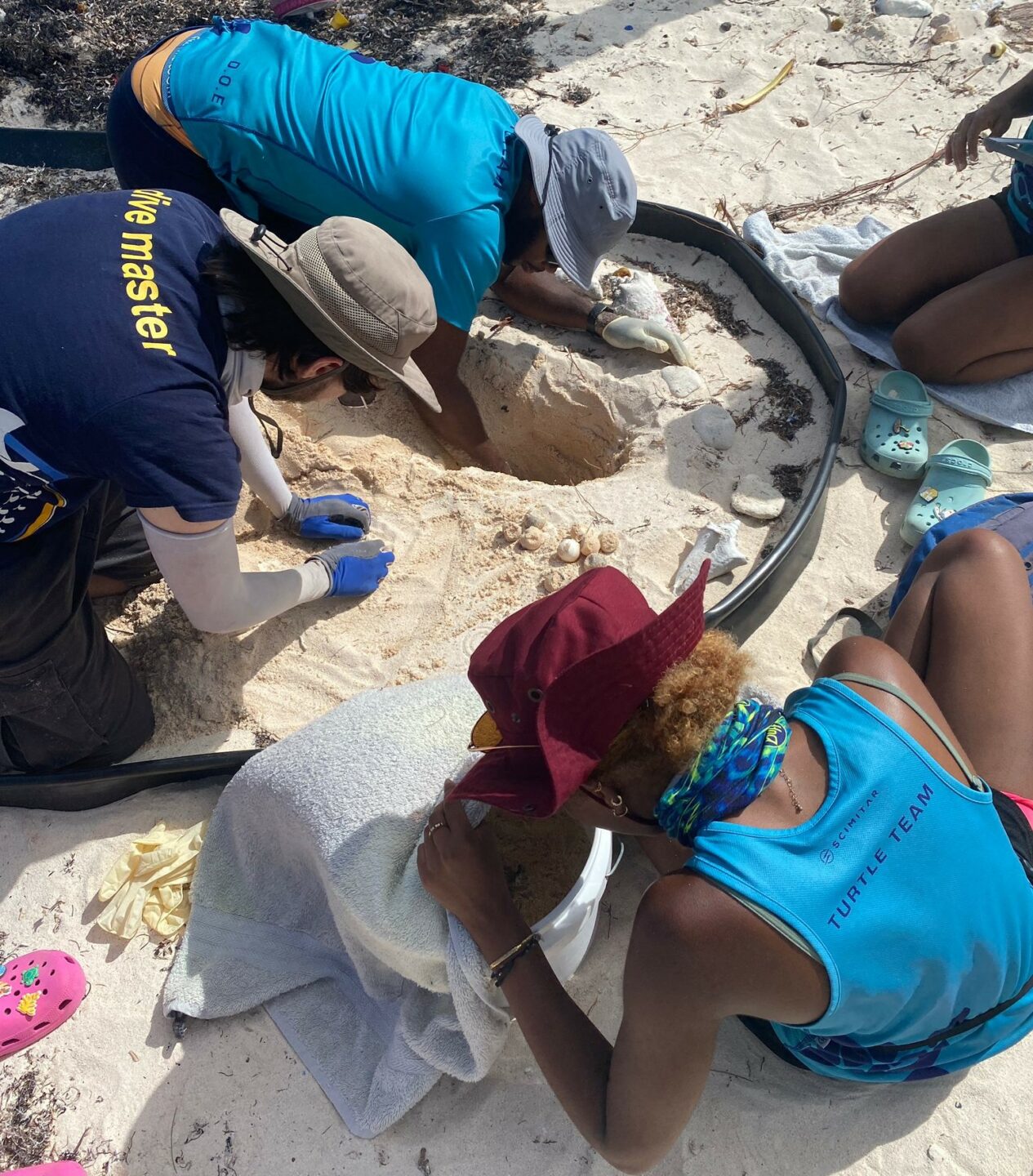
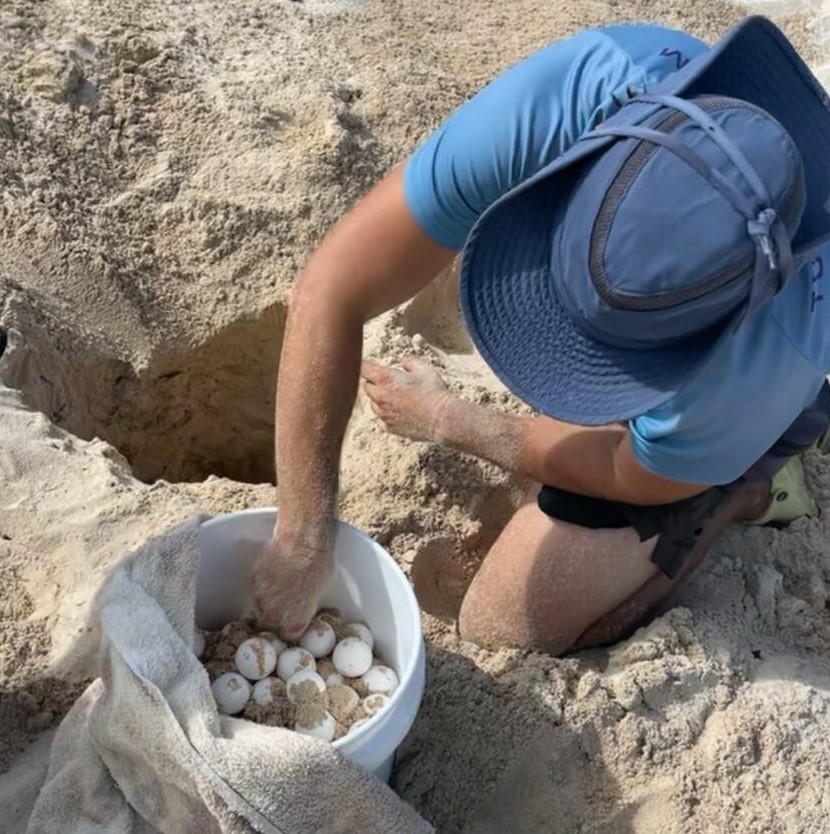
“Prior to Beryl’s arrival, 20 vulnerable nests were also relocated to higher grounds and 399 hatchlings were rescued from nests that were due to emerge around that time so that they were not impacted by the severe weather,” Hardwick said.
The Sister Islands teams are also monitoring the impacts to nests and are seeing similar outcomes, she added.
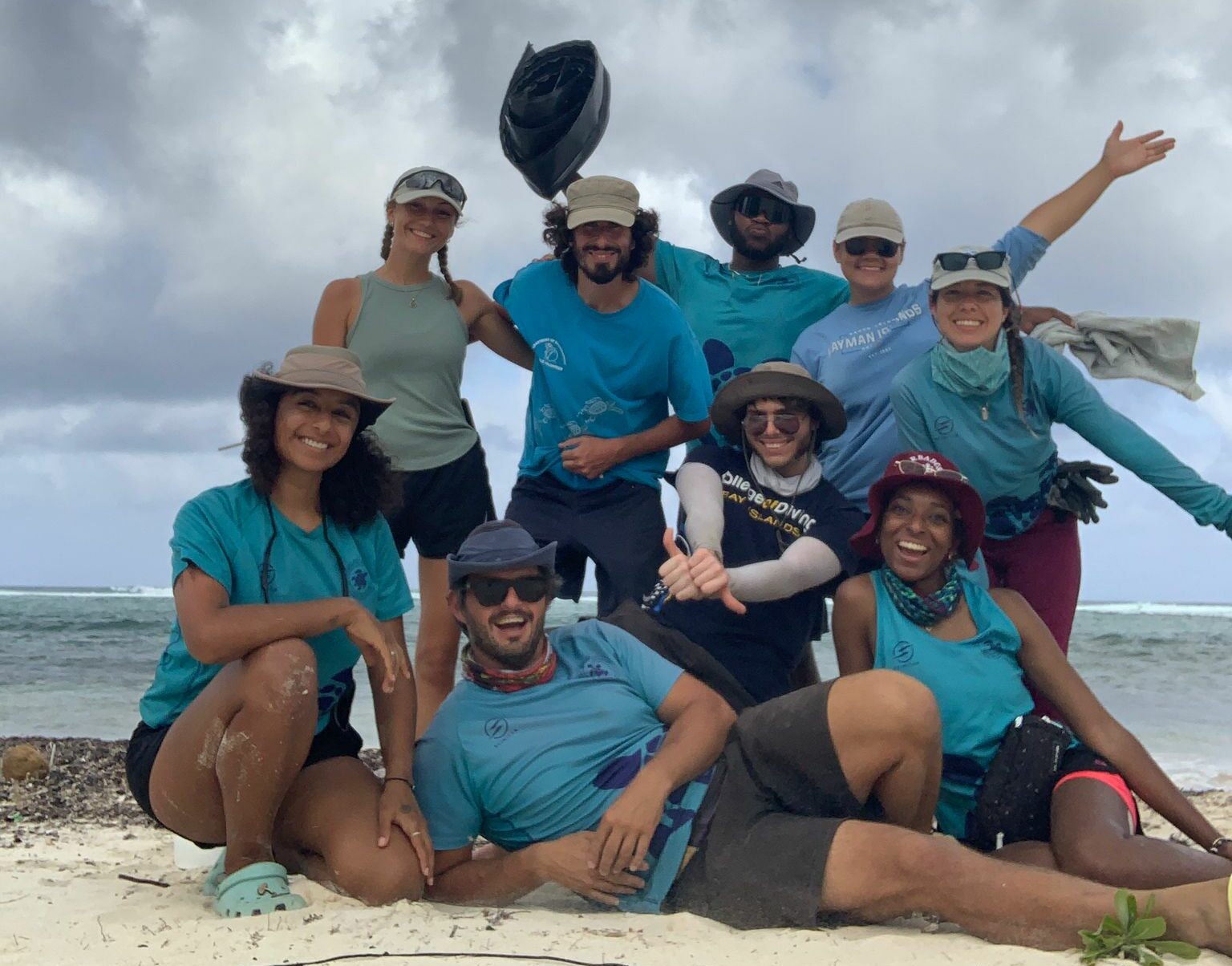
“The DoE is grateful for all of the volunteers, interns and staff that are assisting with sea turtle nest monitoring and protection,” Hardwick said.
With three months to go until the end of the season, Hardwick is reminding the public to turn off lights on nesting beaches.
She also urged the community to contact the DoE before using beach cleaning equipment.
“Never rake over turtle tracks or disturb turtles or their nests,” she added.
Anyone who observes suspected nesting activity can contact the turtle hotline at 938-NEST (938-6378). For suspected illegal activity, such as poaching, Hardwick urged residents to call 911.
Related Videos