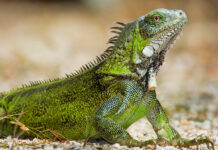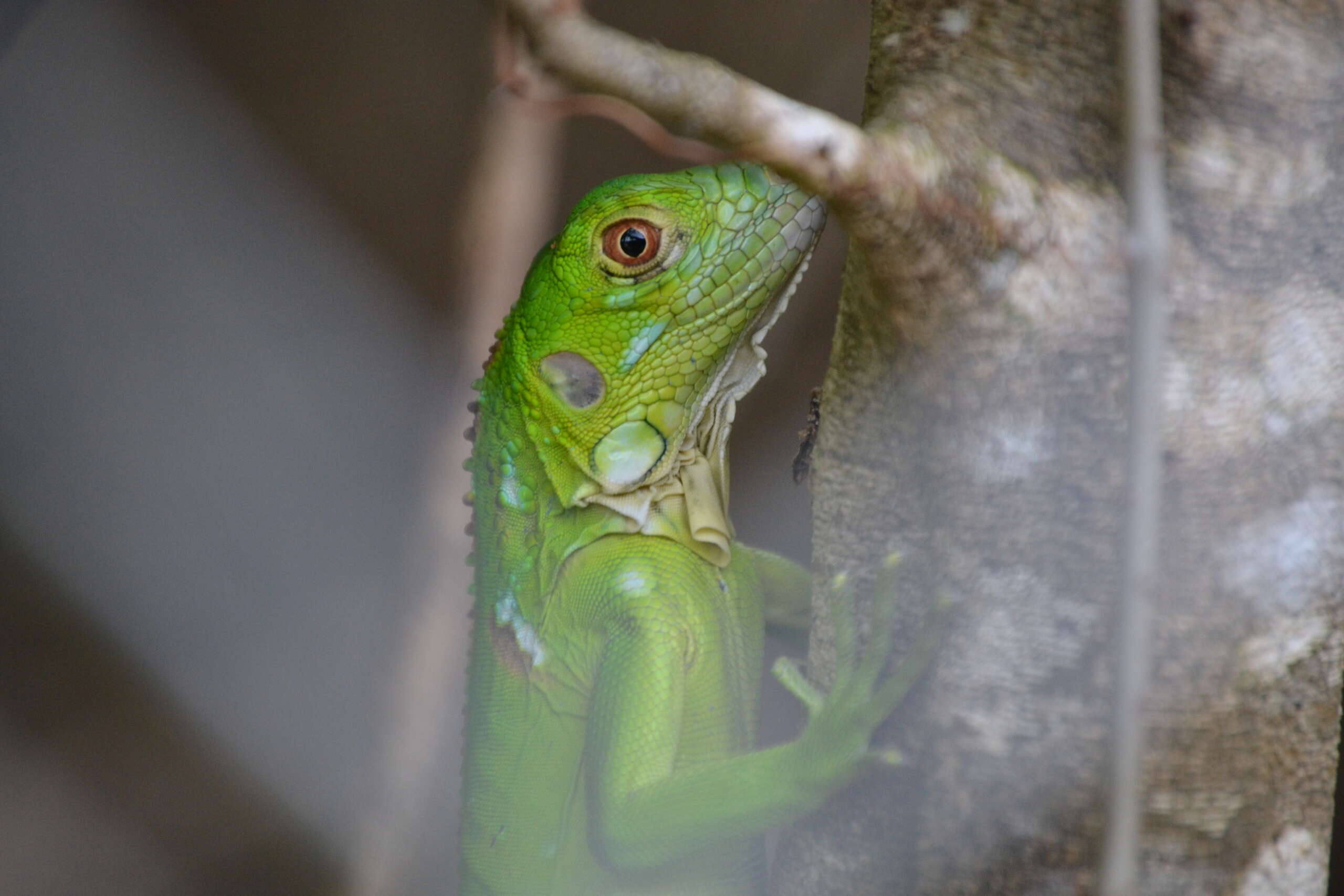
As juvenile green iguanas emerge from their nests, finding food will be their priority, with private gardens filled with fruit and vegetables an easy target for the invasive reptiles.
The Department of Environment confirmed that over August and September green iguana hatchlings will be in high numbers and could prove to be a nuisance to gardeners.
“It’s the season that they all emerge from their nests,” Fred Burton, manager of the Department of Environment Terrestrial Resources Unit, told the Compass.
Jomar Antonio, who has been with Vigoro Nursery for the last 10 years, said that while the iguana population had been significantly reduced by the island-wide cull that began in 2018, he said he has recently noticed the juvenile green iguana numbers coming back.
“Before the culling, we had an issue with them, but I notice this year again, they are coming back, the small ones, so we keep killing them,” Antonio told the Compass, noting that vegetables are the animals go-to choice of food at the nursery.
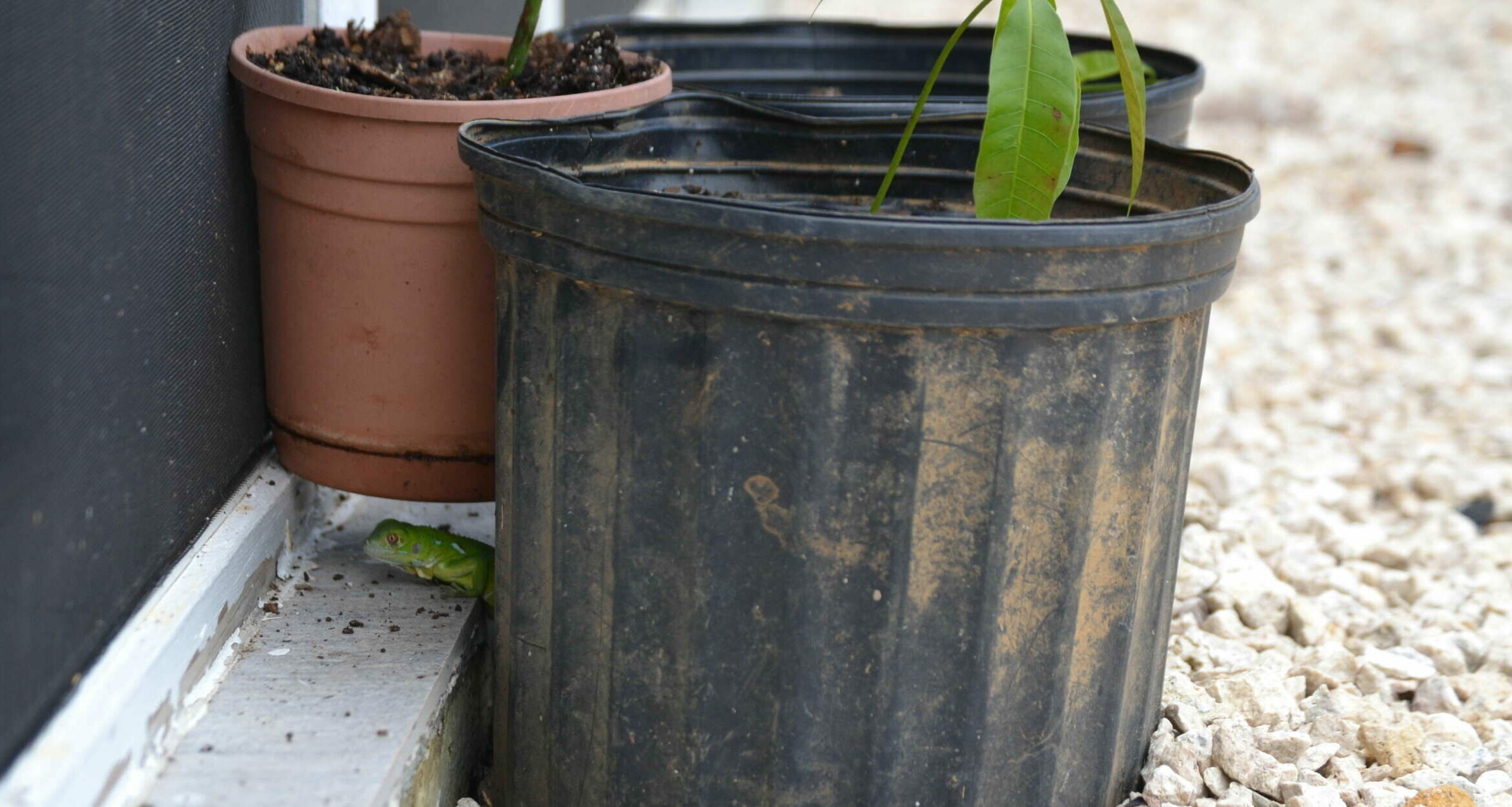
Outside of the workers on site tackling the reptiles when they see them, Antonio said, he gets additional help from four-legged friends.
“We let the dog chase them too, if I see them,” he said. “I use a stick to kill them, and we have four [stray] cats at the back, and they get them too.”
Burton also confirmed that they are keeping count of the number of iguanas culled in 2024. However, as of May last year, cullers had killed 1.45 million of the reptiles since the start of the initiative, and government has paid out almost $9 million in bounties.
“We all know that they are pests in gardens and that’s one of the main reasons the cull is happening,” Burton said.
He noted that while many may assume that juvenile green iguanas are harder to find because of their size, it is actually the opposite for expert hunters.
“The hatchlings are not that hard to catch, they can get large numbers of these things, and the cullers are always happy to go on someone’s land to get the iguanas,” Burton said.
He went on to encourage anyone who may find the pest in their gardens to call the cull hotline at 925-9433.
Related Videos