Hemmington Forest on Cayman Brac is set to become the Cayman Islands’ first formally designated national park, following a public consultation process that showed strong community support for the proposal and raised no significant objections requiring changes to the draft management plan.
Following a statutory public consultation – conducted in accordance with the National Conservation Act – which ran for 30 days from 31 Oct. to 30 Nov. 2025, the National Conservation Council accepted and adopted the draft management framework at its 12 Dec. meeting.
However, the plan must still move through government channels before it can be implemented.
“The Hemmington Forest Management Plan goes from [the National Conservation Council] to the ministry, and from the ministry to cabinet,” advised Terrestrial Resources Unit manager Fred Burton, who has since retired, speaking at the meeting. “And assuming Cabinet also think this is a great idea, then we’re going to have to implement it.”
About the park
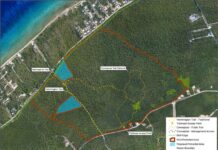
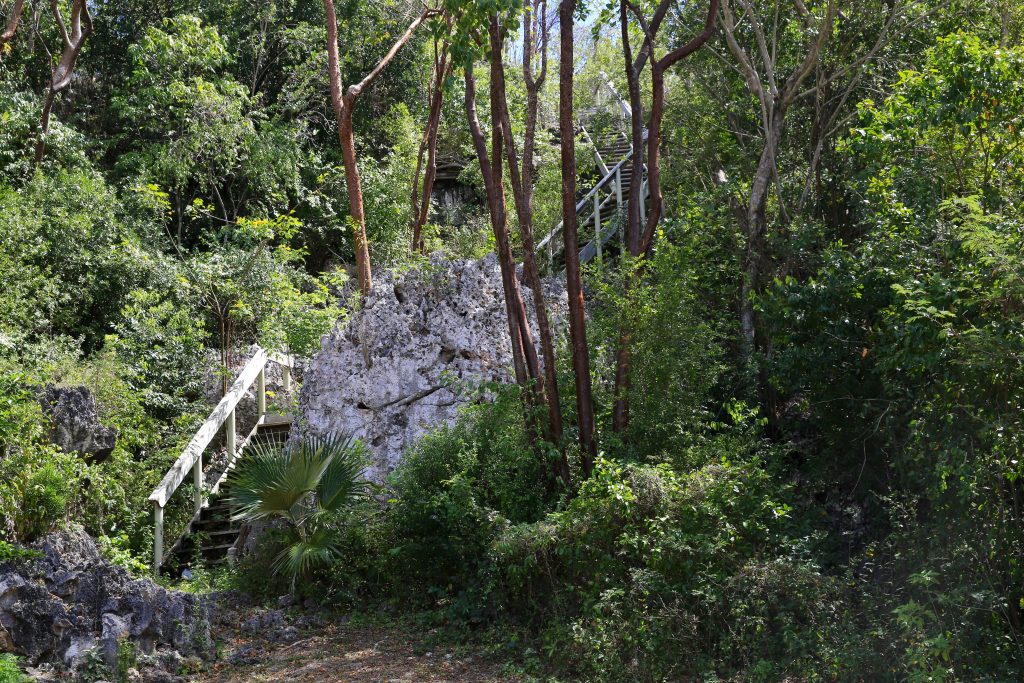
The 194-acre area of dry forest and shrubland, located in central Cayman Brac, is Crown land protected under the National Conservation Act. National park status would add a further layer of protection and structured management to the area.
The forest takes its name from Hemmington Road, a traditional pedestrian right of way that runs through the area and has long been used by residents.
According to the consultation documents, the pathway was likely established in the late 1800s to access agricultural plots and transport provisions across Bluff lands, and it continues to serve as a recreational and nature-tourism asset today.
The draft Hemmington Forest National Park Management Plan outlines how the site would be managed to balance conservation, education and controlled public access, while protecting its biodiversity and cultural history.
Public consultation feedback
Comments submitted during the consultation were largely positive, with respondents highlighting the value of protecting native species, maintaining a quiet and low-impact visitor experience and using the park for education and conservation.
Survey results showed broad approval for the plan. More than 85% of respondents said the draft accurately reflected the kind of experience they would like to have when visiting Hemmington Forest.
A majority favoured a small-scale park model, with 18 of 23 respondents supporting management that limits visitor numbers to a maximum of 20 people at any one time.
“Most people felt that the park, when it comes in, should be small, low-key and natural,” said John Bothwell, secretary of the National Conservation Council and manager of the Legislation Implementation and Coordination Unit for the Department of Environment, speaking at the conservation council meeting.
Six respondents supported a medium-scale park, while four favoured a larger-scale park. No respondents said the area should have no public access.
In-person engagement included outreach at Creek and Spot Bay Primary School and a public meeting at the University College of the Cayman Islands Cayman Brac.
The UCCI meeting reflected strong support for the proposal, particularly for its educational potential, with community members also discussing pathways, sustainable building practices and the possibility of expanding the protected area to formally include the unnumbered parcel containing the Hemmington Road right of way.
Plans for the park
Speaking at the National Conservation Council meeting, Bothwell said it would likely take “a year to two years to go from a whole lot of forest with one trail to something that people can look at and feel this is a national park”.
He advised that once the plan was put in place, the traditional Hemmington Road trail would need to be maintained and improved.
“We’re proposing that a new trail network would extend this to give the public increased free access to representative areas throughout the national park,” he said.
Proposed plans also include modest visitor infrastructure, such as a small trailhead shelter with interpretive information and an observation tower offering views into the forest canopy.
Bothwell noted that the designation could also support efforts to revive Cayman parrot nesting in the area, adding that national park status would help demonstrate Cayman’s commitment to global wildlife protection goals.
“Designating it as a national park just helps us show that Cayman is meeting our commitments under various conventions and international goals of protecting and managing areas for wildlife,” he said.
Related Videos