

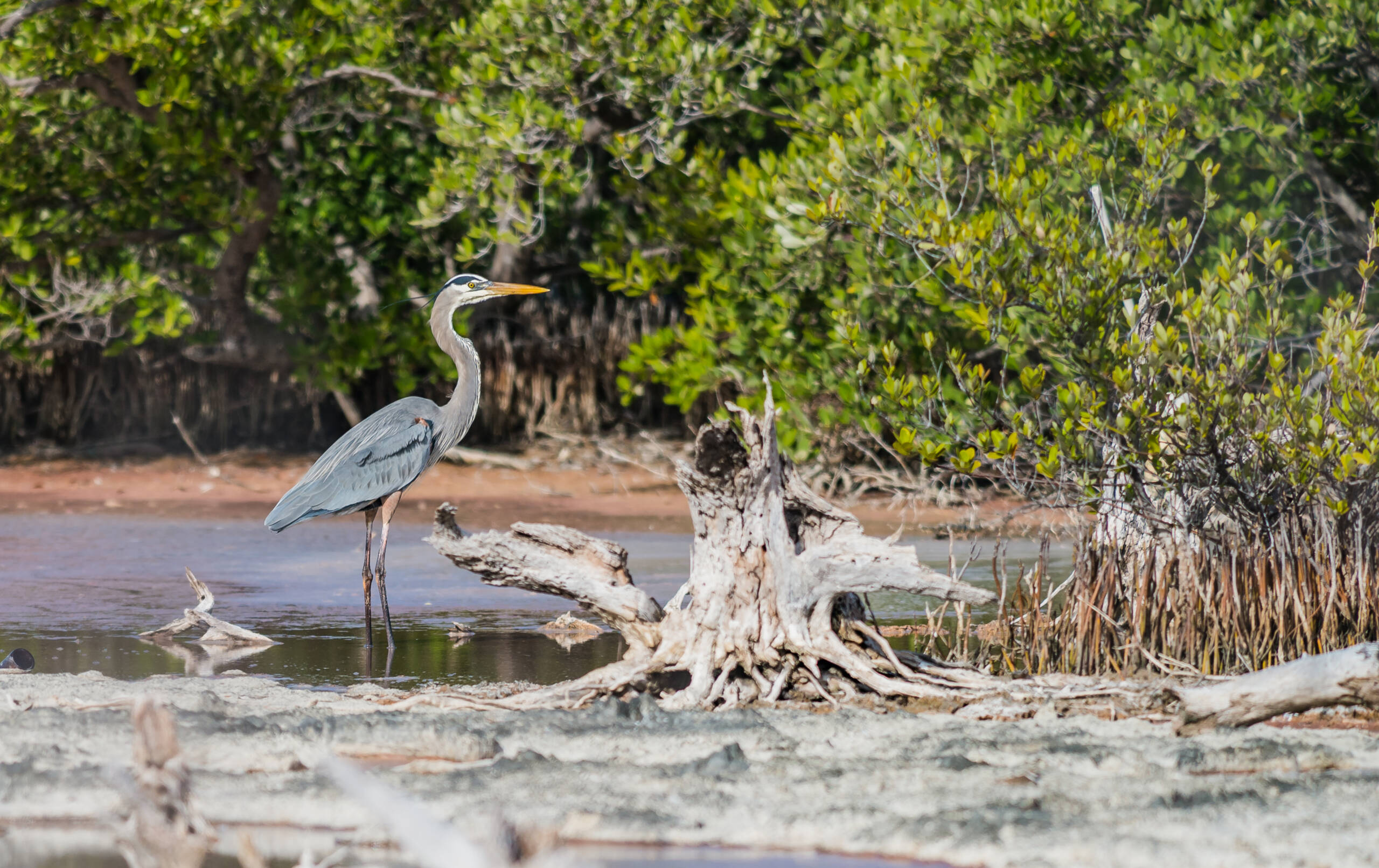
Cayman’s natural assets have been assessed as having a partial value of more than $3 billion to the islands and its people, according to a groundbreaking analysis that demonstrates the economic value of protecting beaches, coral reefs, mangroves and public open spaces.
The islands’ first-ever set of ‘natural capital accounts’ attempts to translate some of the value of nature into dollars and cents and provides comprehensive data on the condition and extent of the islands’ ecosystems.
The impact of reefs in sustaining fisheries and providing storm protection, the carbon captured by coastal mangroves and the significance of beaches to tourism are all factored into what amounts to a budget document for the natural world.

The reality, says Jake Kuyer, the lead consultant on the project, is that only a fraction of the financial benefits that flow from the island’s environment are captured in the accounts.
The net value of Cayman’s natural beauty and ecological diversity as a driver for all aspects of the island’s economy is likely much higher.
The spiritual importance of the natural world and its benefits to wellbeing and quality of life are even harder to quantify.
The aim of the project, funded by the UK’s Darwin Initiative, is not to put a price on nature, says Kuyer, of environmental economics firm eftec. The goal is to put tangible figures behind some of the ‘services’ that ecosystems provide so that planning and development decisions can begin to contemplate what is being lost, as well as what is being gained when significant projects are considered.
The accounts could also be used to help create more compelling business cases for investment in environmental protection, such as increasing patrols around Cayman’s marine protected areas, says Kuyer.
The natural capital accounting system will be updated on an annual basis by the Economics and Statistics Office and the Department of Environment. It will serve as a year-on-year record of the shape of the island’s environmental assets.
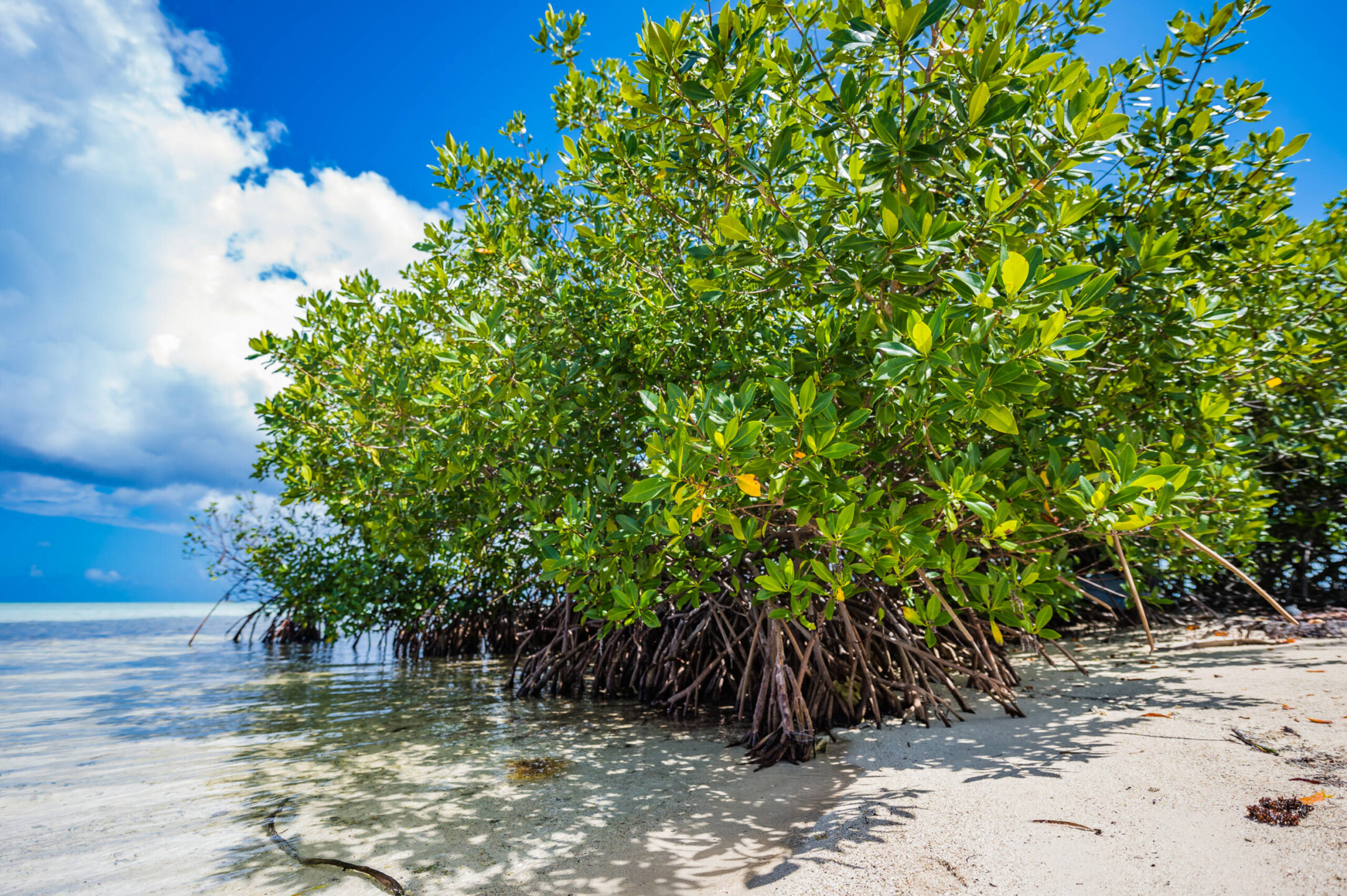
It could also be a powerful tool in helping prioritise preservation of Cayman’s mangroves – valued at more than $1 billion in the accounts – making Cayman more resilient to the effects of climate change, says DoE Director Gina Ebanks-Petrie.
Environment vs. the economy
Advocates for the protection of the environment are often squeamish about the concept of putting monetary values on nature. It’s impossible to truly evaluate the importance of a sunrise over Barkers, a snorkel on a reef filled with multi-coloured parrot fish or a family day at the beach.
Kuyer is keen to emphasise that this is not the aim of natural capital accounting.
“It is difficult to measure impact on happiness,” he said.
“There are no reliable data points to track that value. We are trying to compute the parts that we can measure.”
One of the purposes of doing so is to help give environmental concerns something closer to parity with more obvious economic impacts when it comes to new projects.
If a hotel developer promises job creation, tax dollars and tourist spending, for example, it is currently hard to combat that with arguments about environmental protection that are often less meaningful to board members or politicians seeking election.
However, if you can quantify the millions of dollars lost annually in flood protection or carbon offsetting, it is easier to make the case for rejecting a project or situating it elsewhere.
Ebanks-Petrie said the creation of natural capital accounts is just the first step – finding the right way for these calculations to be integrated into national decision-making is the next big goal.
“One of the challenges going forward is to try to have the country operate under a sustainability umbrella, so that every decision is looked at through that lens,” she said.
Case study: The cruise port
Though the cruise pier project pre-dates the creation of natural capital accounts in Cayman, that provides a clear example of how it can help to demonstrate the economics of ecosystems.
The initial business case for cruise piers in George Town Harbour suggested the project could create economic benefits to the islands in terms of job creation and tourist spending that would run to hundreds of millions of dollars.
But when environmental consultants calculated the economic impact of the reefs and wrecks that would be lost in the development, the net impact reduced to less than zero, in some calculations.
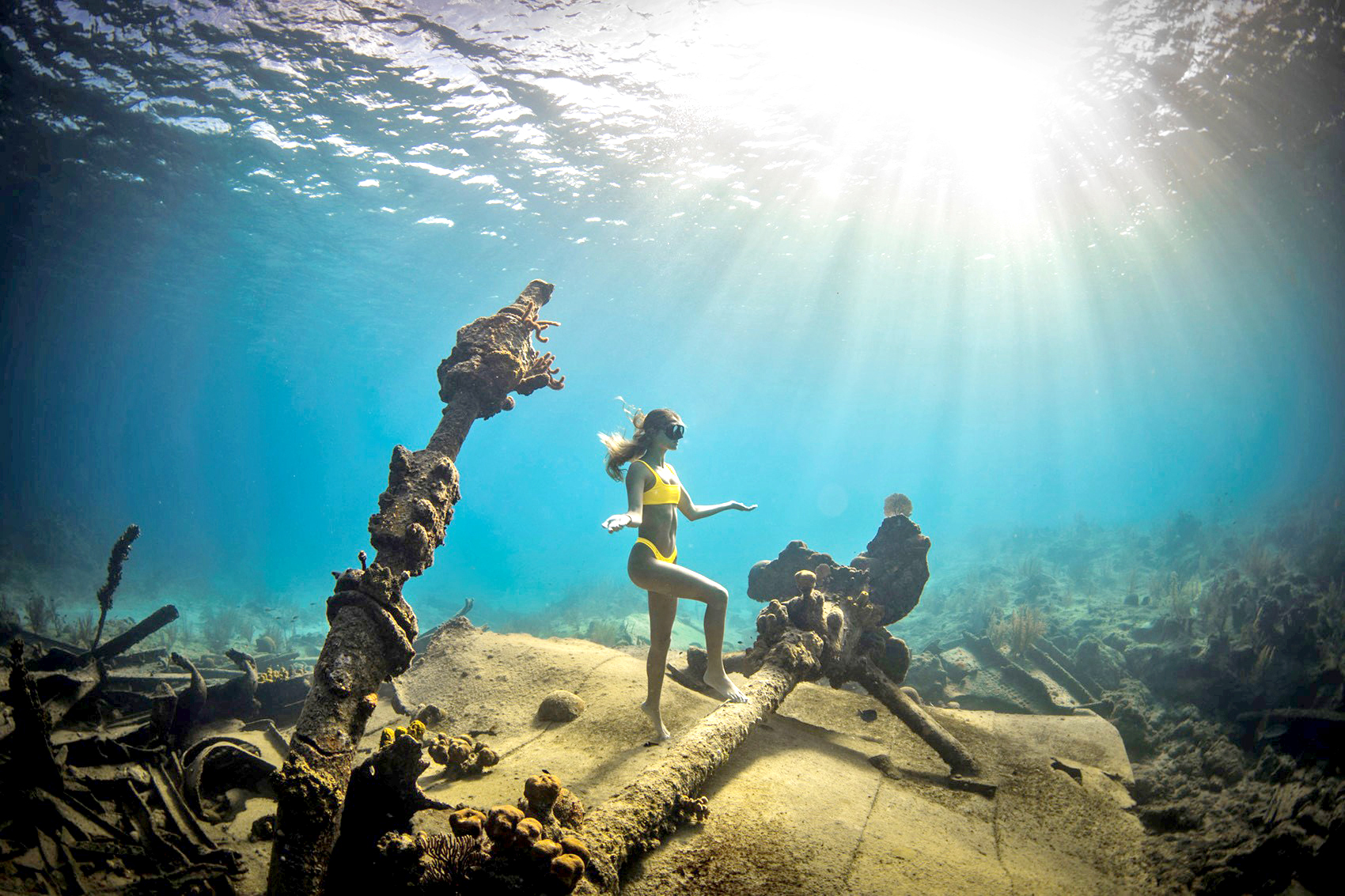
Those estimates didn’t consider esoteric impacts – like the value of sea views on the waterfront for example; in this case, they simply presented an economic argument for environmental preservation over construction.
Lead consultant PwC ultimately factored new passenger spending statistics into a revised business case analysis and concluded that the project would provide net benefit for Cayman.
But the process of evaluating the economic benefits of the reef – something that had not occurred in the first instance – helped inform the debate and contributed to a shift in public feeling that ultimately played a part in the project being abandoned.
Privatising public wealth
It’s not always so clear cut.
Fighting the tide
Some of the most valuable impacts of nature don’t come with an income stream.
How do you protect the concept of public beach access for all, for example, from the impulse to monetise that resource by cordoning it off for hotel users?
“If that happens, you are taking public wealth and essentially privatising it,” warns Kuyer.
“You end up losing an ecosystem that provided public benefit.”
Knowing the value of the beach, in this instance, helps make the case for retaining those public benefits, he said.
It is not always a simple mathematical formula and impartial decision-makers are still required to weigh the options, to consider who benefits and to make informed final decisions for the public good.
The case for investing in protection
Development decisions aren’t the only public policy area where natural capital accounts can come into play.
The information can help inform a business case for a national park, for land acquisition, for investment in tackling invasive species or for beefing up marine park patrols.
If you treat the environment as an asset to be managed you can increase its value and justify allocating a greater share of limited financial resources to preserving and protecting ecosystems, says Kuyer.
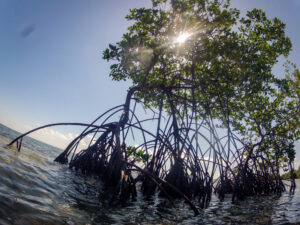
He believes this approach can help create a mindset shift among policymakers who often view the environment purely as an expense. The Central Mangrove Wetland, for example, is a wealth-generating resource in the same way as an airport. Therefore, investing in its protection and management safeguards that asset, he says.
An island that manages its reefs and mangroves sustainably is more resilient to climate change and to seasonal storms and, therefore, is more insurable and can even earn a better credit rating, he adds.
Related Videos









With all the above the government still doesn’t get it. The whole north area is fished out. I just dove Princess Penny. There was no fish and all the coral is dead. Not from warming and not from disease. OVER FISHING