


Over the past year in the Cayman Islands we have seen a tropical storm demolish docks and rip roofs off homes.
We have witnessed water lapping against seawalls on Seven Mile Beach.
On an only slightly longer time frame, unprecedented sargassum blooms have swamped the islands’ beaches.
Record-breaking king tides have flooded canal-side neighbourhoods.
And the natural defence system of mangroves and coral reefs has been diminished by development and disease.
The frontline impacts of climate change may be camouflaged amid myriad other causes contributing to a variety of environmental threats, but scientists, risk analysts, energy leaders and climate analysts, who spoke to the Cayman Compass for this special report, are sounding the alarm over direct and immediate impacts of global warming that they believe have been ignored for too long.
Climate change is not some “future occurrence”, warns Lisa-Ann Hurlston, one of the authors of Cayman’s original climate policy, which has remained in draft form since 2011.
It is already happening.
‘Atlas of suffering’
Fighting the tide
Average temperatures have increased, sea levels around Cayman have risen, and ocean warming has contributed to loss of coral coverage on reefs around the islands, the Department of Environment warns.
The latest United Nations reports suggest further impacts are inevitable, no matter what the world’s industrial nations do to address carbon emissions.
Ocean warming is locked in for decades and more intense hurricanes are expected to impact the Caribbean region in the coming years, while hotter temperatures are likely to affect public health.
The United Nations’ Intergovernmental Panel on Climate Change issued its latest summary of the accepted science on the issue last October, calling it a ‘Code Red’ for humanity.
A follow-up report, published this month, was described as an ‘Atlas of human suffering’ by António Guterres, the secretary general of the UN.
‘Nowhere to run’
Flick through the pages of that Atlas and you will see the Caribbean at the forefront of some of the worst impacts, Professor Michael Taylor, a climate scientist at the University of the West Indies in Jamaica, told the Compass.
While it is good global citizenship and vital for negotiating to cut carbon emissions, he acknowledges some of the impacts of climate change are now inevitable.
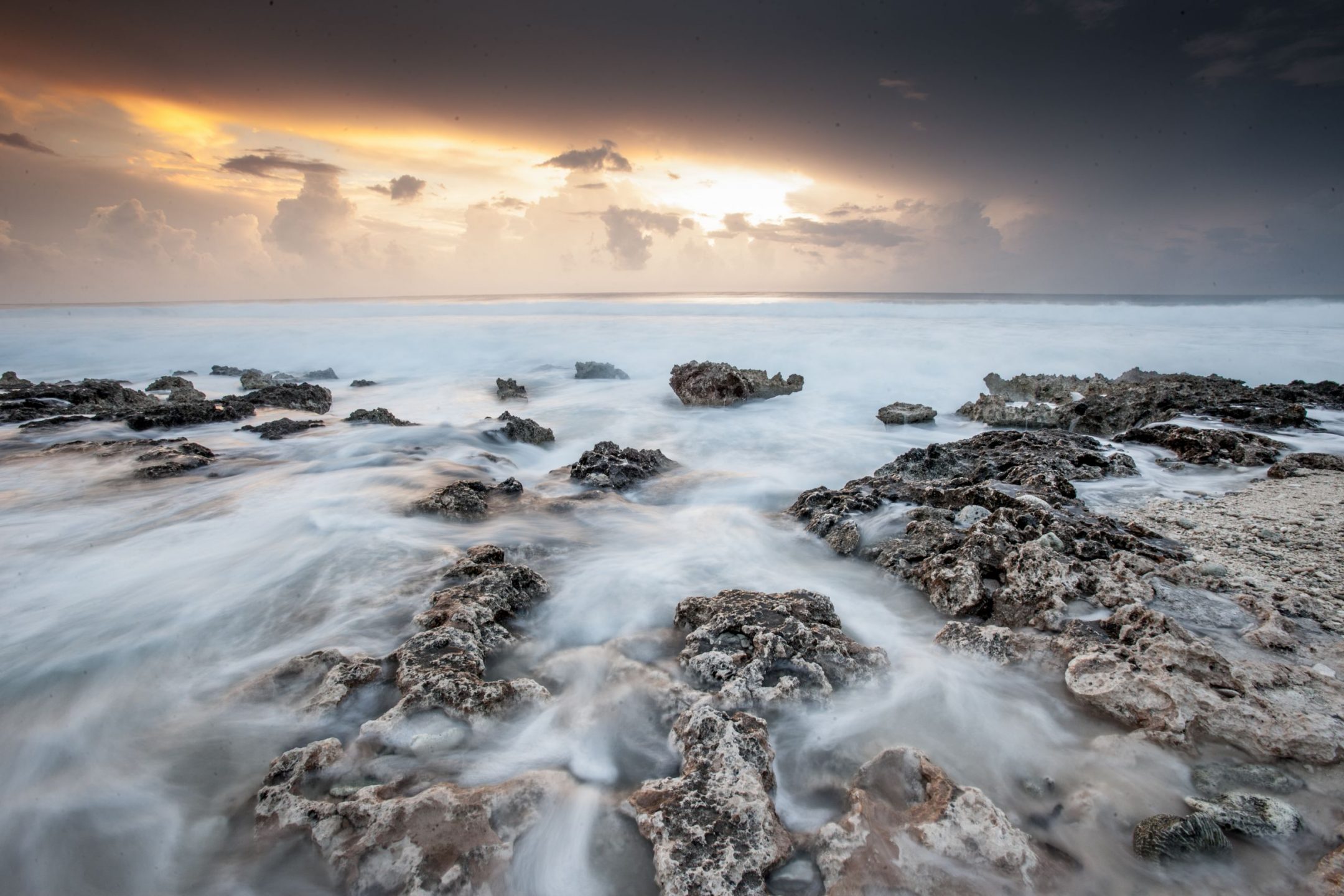
“The research is showing that islands that are dependent on the climate, where we don’t have anywhere to run when we are confronted with a hurricane or the impacts of sea-level rise, are on the front line of climate change impacts,” he said.
Quantifying the threats and being prepared for their impacts is vital to the wellbeing of countries in the region.
“The mistake we have made is to think of this as an environmental issue. That’s not true,” Taylor said. “It’s a health issue, it’s a development issue, it’s a tourism issue, it is a finance issue, it is an infrastructure issue.”
The threats posed by what is now being called ‘climate disintegration’ spiral way beyond niche environmental interests, said Robert Muir-Wood, head of research at Risk Management Solutions, the world’s largest catastrophe modelling company.
“The possibility that insurers could withdraw from Cayman is the biggest risk,” he told the Compass in an interview.
Storm threat goes beyond physical damage
Muir-Wood first came to Cayman in the 1990s to conduct an investigation for the government on why insurance rates were rising so rapidly.
The source of the price surge, his report indicated, was a succession of storms that had battered Florida, principally Hurricane Andrew, contributing to an increased wariness in the industry of the capacity of mega-storms to bring devastating financial losses.
He returned to Cayman after Hurricane Ivan, a storm which caused in excess of a billon dollars in property damages – a bill which was footed by the insurance industry.
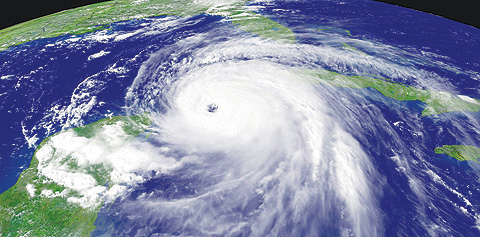
While Ivan was considered a ‘once in a lifetime’ storm, climate scientists caution that Category 4 and 5 storms will become more frequent as the planet warms. Successive hurricanes on that scale would likely make parts of the islands uninsurable, impacting the viability of Cayman as a place to live and work, warns Muir-Wood.
“If insurance was hard or impossible to obtain, that would have huge impacts on the functioning of the economy, including the ability to obtain a mortgage,” he said.
Cutting carbon emissions a credibility issue
Cayman is beginning to make headway on its global emissions targets. Sacha Tibbetts, vice president of the Caribbean Utilities Company, told the Compass the business hopes to build as many as six solar farms to replace its diesel generators. Regulator OfReg plans to go out to auction for the first of a series of utility-scale renewable energy projects this year.
James Whittaker, the chair of the National Energy Council, argues that converting to renewables is about more than cutting emissions. It is about energy security and diversification, he said.
But Whittaker, who has been advocating for decades for Cayman to accelerate its switch to solar, recognises the islands cannot impact climate change.

“Cayman is one of the highest per-capita carbon emitters in the world, but we are minuscule on a global scale,” he said.
China, the US and the world’s major polluters have to take concerted action in a “brief and rapidly closing window” to secure a liveable future for the planet, the UN warns.
For Cayman, that means an emphasis on preparing for impact.
“At this point, all we can do is mitigate. We are not going to be able to avoid it,” said Whittaker.
So what is Cayman doing?
The 2009 climate policy report, which lingered in draft form, gathering dust, for over a decade without being enacted, is out of date.
A new report, funded by the UK government, will re-examine the issue from a ‘risk analysis’ perspective.
Director of the Department of Environment Gina Ebanks-Petrie said the initial report would outline a long list of risks and opportunities, which could be used as the basis for prioritising policy interventions.
That document is expected to be completed by early summer. Without pre-empting its findings, it’s possible to predict some of the key threats and mitigation policies that will emerge.
Sea-level rise, storms and development
Many of the risks and solutions link back to how we plan, how we build and how we develop.
“A lot of it does come down to that,” said Ebanks-Petrie.
The building code has improved since 2004’s Ivan, but there’s scope for that to develop further, with wash-through bottom floors and other climate adaptations likely to be necessary in certain areas.
“What is more important is the question of where we allow buildings to be constructed,” she added.
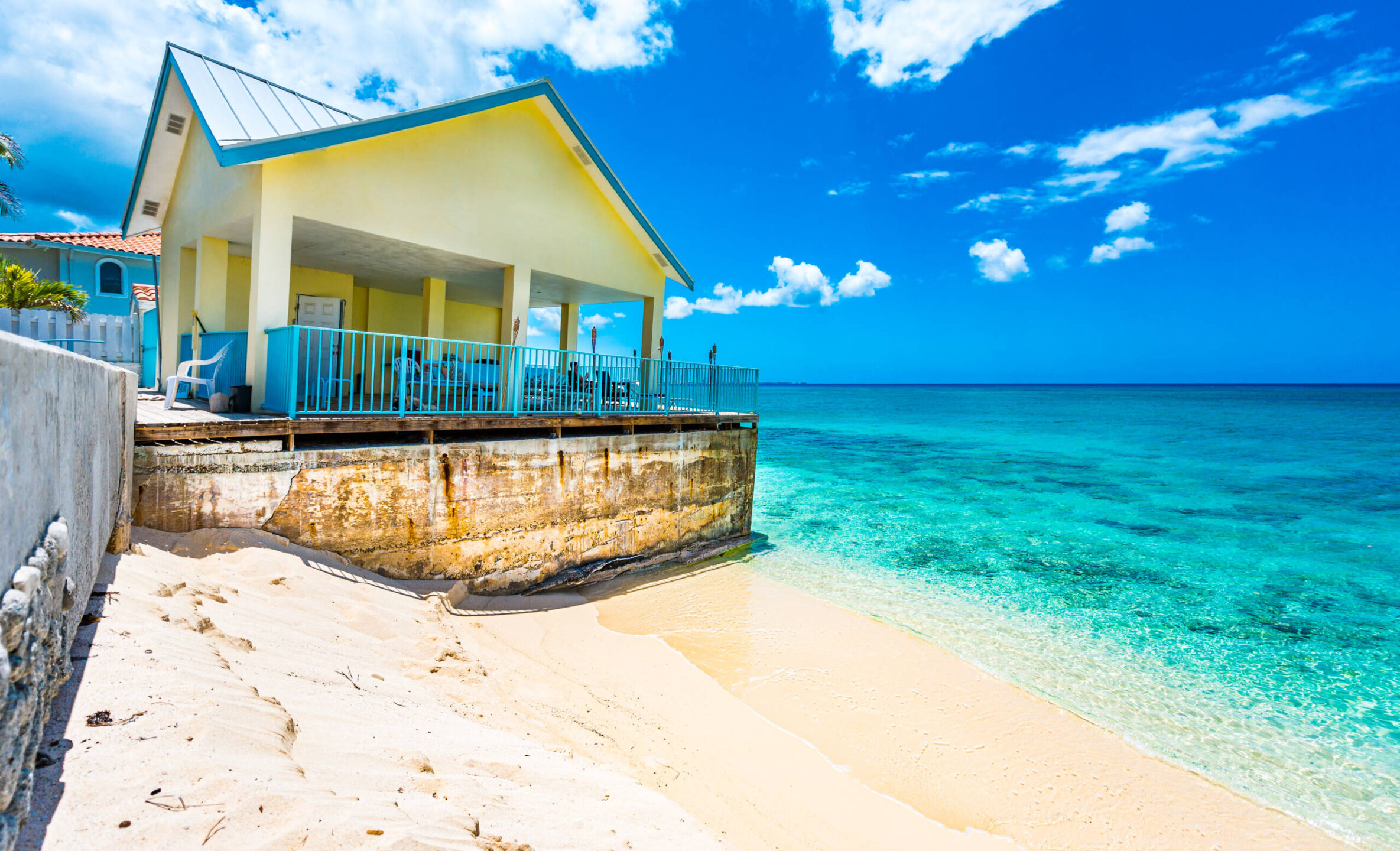
The long-awaited update to the Development Plan is a vital tool for Cayman’s climate resilience. A plan that ensures security and stability of key infrastructure, and guarantees new developments are not built too close to the ocean is a priority.
“Coastal setbacks will definitely have to take a front row seat,” Ebanks-Petrie said.
The DoE would also like to see a policy of ‘strategic retreat’ for existing properties, situated perilously close to the waterline. That means moving them further back or building them to higher standards when they are renovated or replaced.
The islands’ set of ‘natural capital accounts’ is also in the works. That will help translate some of the value of the ‘ecosystem services’ provided by nature into dollars and cents. It is hoped that will help elevate the status of mangroves and coral reefs that provide natural flood defences when it comes to important planning decisions.
Coral reefs, tourism and marine park management
The potential for coral-reef and marine-life decline is one of the more worrying aspects of climate change.
The live reef cover around Grand Cayman has reduced from just under 30% to around 12% in the past 25 years, according to DoE research.
Tim Austin, deputy director of the department, said that was linked to a variety of issues, including overfishing, pollution and disease.
Warming oceans, which contribute to coral bleaching, is something that Cayman cannot influence, but a robust marine parks policy will help keep some of those other factors in check, Austin said.
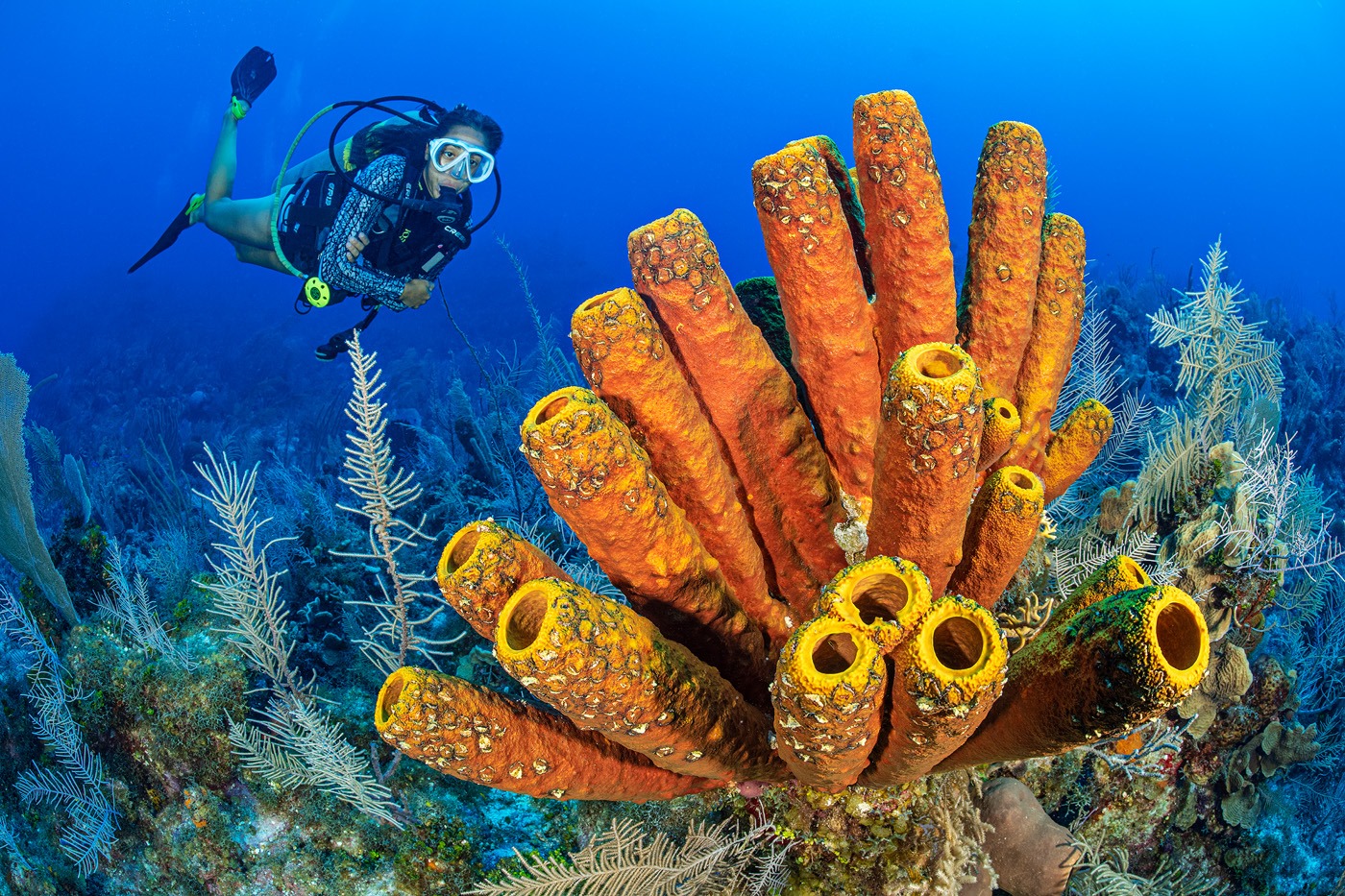
No-fishing zones were recently extended to more than half of Cayman’s territorial waters. Enforcement remains a challenge, but the DoE is hopeful that the strategy will allow corals, and the ecosystems they support, a chance to recover.
Research out of Little Cayman suggests that reefs that are protected from other pressures – like overfishing and pollution – are more resilient to the impacts of warming seas.
The Central Caribbean Marine Institute continues to examine the key characteristics that help corals live at higher temperature thresholds, with a view to developing policies to ensure the long-term survival of tropical reefs.
New science is also emerging around the capacity to produce rapid-growing corals in labs or nurseries and plant them back on reef structures.
Reefs are vital, said Austin, to supporting the dive and fishing industry, as well as supplying sand to the islands’ beaches and supporting the wider tourism product. They also provide storm defence that can lessen the impact of hurricanes.
Heat, health and agriculture
Consistently rising temperatures also have implications for public health.
Taylor, at the University of West Indies, said his team is already seeing evidence of an increase in hospitalisations related to weather.
He said there are now more consecutive hot, dry days in the Caribbean – a trend which is expected to increase as the effects of climate change accelerate.
That’s an occupational hazard for people who work outdoors, he warned.
Ebanks-Petrie compared the potential threat to elderly and vulnerable people from heat-related disease to COVID, arguing that a solid public health response is needed.
Rising power costs to cool homes and challenges for the agricultural sector are also anticipated amid projections of less rainfall, hotter temperatures and longer dry periods.
Population management
The United Nations projects increased voluntary migration away from low-lying areas as the impacts of climate change become clear over the coming decades.
But the trend of the past 60 years in Cayman has been exponential population growth.
The islands were home to fewer than 10,000 people in 1962. The latest census estimates, published last month, suggest the population could now be as high as 72,000, with an influx of new workers still anticipated to aid the recovery of the tourism industry and other sectors impacted by the pandemic.
Given the implications of climate change on where and how Cayman builds, the impact of population growth should be factored into any national planning framework, Ebanks-Petrie argues.
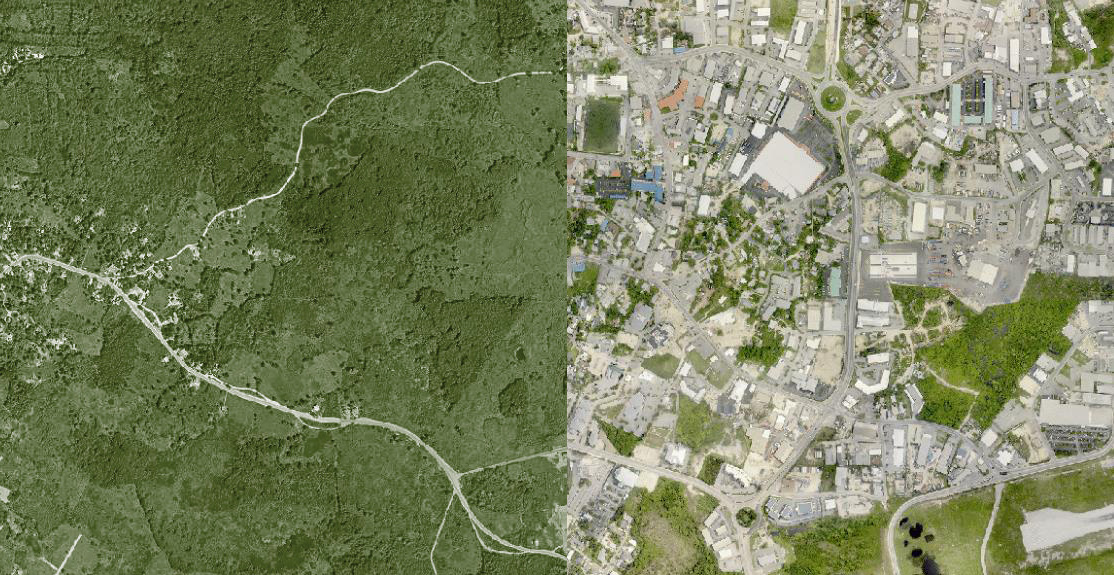
“We are going to have to manage our population growth, it can’t just kind of happen organically,” she said. “We can’t say we need 100,000 people and not do all of the assessment that needs to underpin that.
“What does that look like for all of our infrastructure needs? For education, roads, transportation, healthcare, waste management, water? You can’t really properly plan without having some kind of population scenario.”
Changing cultural climate
The PACT government’s creation of a Ministry of Climate Resilience and Sustainability, with Premier Wayne Panton at the helm, suggests a shift in priorities and a pivot towards readying Cayman for the impacts of climate change.
Ebanks-Petrie believes the Cayman population is more involved and in tune with the climate debate than it was a decade ago.
“I’m happy that the government appears to be now engaged on this issue,” she said, “and that there is public discourse, which I think is really important. You have groups that are saying, ‘This is our future here, we need action.’”
She is hopeful that debate and the work taking place will lead to a focus on solutions and every government department playing a role in combatting climate change.
- James Whittaker, the Cayman Compass journalist, and James Whittaker, the National Energy Council chair, are not related.
Related Videos












If you could undo all the development that has happened in Cayman and put back every tree/mangrove that ever existed (taking us back to the 1700’s here) and you flash forward to the coming “Climate Catastrophe”, this island will still be underwater. It just makes no difference when you are on an island of 70k people, floating like a ship floating in the sea, impacted by the actions of the other 7.4 billion other people elsewhere on this planet. Man-made development and protection of the foreshore from the sea (while not always pretty) is the only way to ensure there will be a recorded history in the Cayman Islands for our grandchildren. In the absence of development and people here we must accept there will just be less of Cayman in future – and with less souls to protect it or to keep it relevant.
China has INCREASED their output of greenhouse gases more in the last 20 years than the rest of the world COMBINED has reduced their’s.
A factor has been the transfer of energy consuming factories and industry to China from the west.
“Lowering the ocean is impossible, but fixing a leaky boat is easy”. We have been through these cycles before, so don’t panic, but tangible things can be done. They are already in place for new construction when near surf zones these new structures are already stilted.
Guard however against ‘island paranoia’. This afflicts even huge islands – one of which is a continent – Australia. They, like Cayman, went far too aggressively with COVID lockdowns. This decimated the local trades and many restaurants disappeared. As well, many habitual tourists stopped coming to Cayman, a percentage of whom will never come back. Condos, cottages and timeshares were not available because of unnecessarily draconian lockdowns and testing. ‘Island Paranoia’ was in full bloom.
Don’t let climate change devolve into ‘chicken little’ fears.
Where were u in the 1970s & 80s & 90s when the Northwesters every winter season between November and March used to send heavy seas across the road by Merrens plaza ?
I used to watch the water go across the road and down behind KFC on North Church st. That don’t happen anymore.
As far as I’m concerned Politicians and unscrupulous developers are doing more to destroy our beautiful island than so called climate change.