Cayman’s new system of natural capital accounts will attempt to elevate environmental considerations in national decisions.
Here we look at how it works:
What are natural capital accounts?
Natural capital accounting is the process of evaluating the economic benefits that come from the ‘ecosystem services’ provided by the environment. These can range from the value of open spaces to agriculture, to the storm protection provided by tropical reefs and coastal mangroves.
How was this value calculated?
The consultants took measurable outputs such as the dollar value of fish sold annually in the Cayman Islands or the tonnage of carbon dioxide sequestered by mangroves in a given year.
They used this existing data to calculate either the direct financial value of these ‘services’ or the likely cost of achieving similar outputs through other means
What does Cayman’s account show?
Some of the figures from the first set of asset accounts show coral reefs are worth more than $50 million over 20 years to the fishing industry, if they remain sustainable. They also contribute to a $943 million valuation of the direct tourism worth attributed to marine ecosystems over the same period.
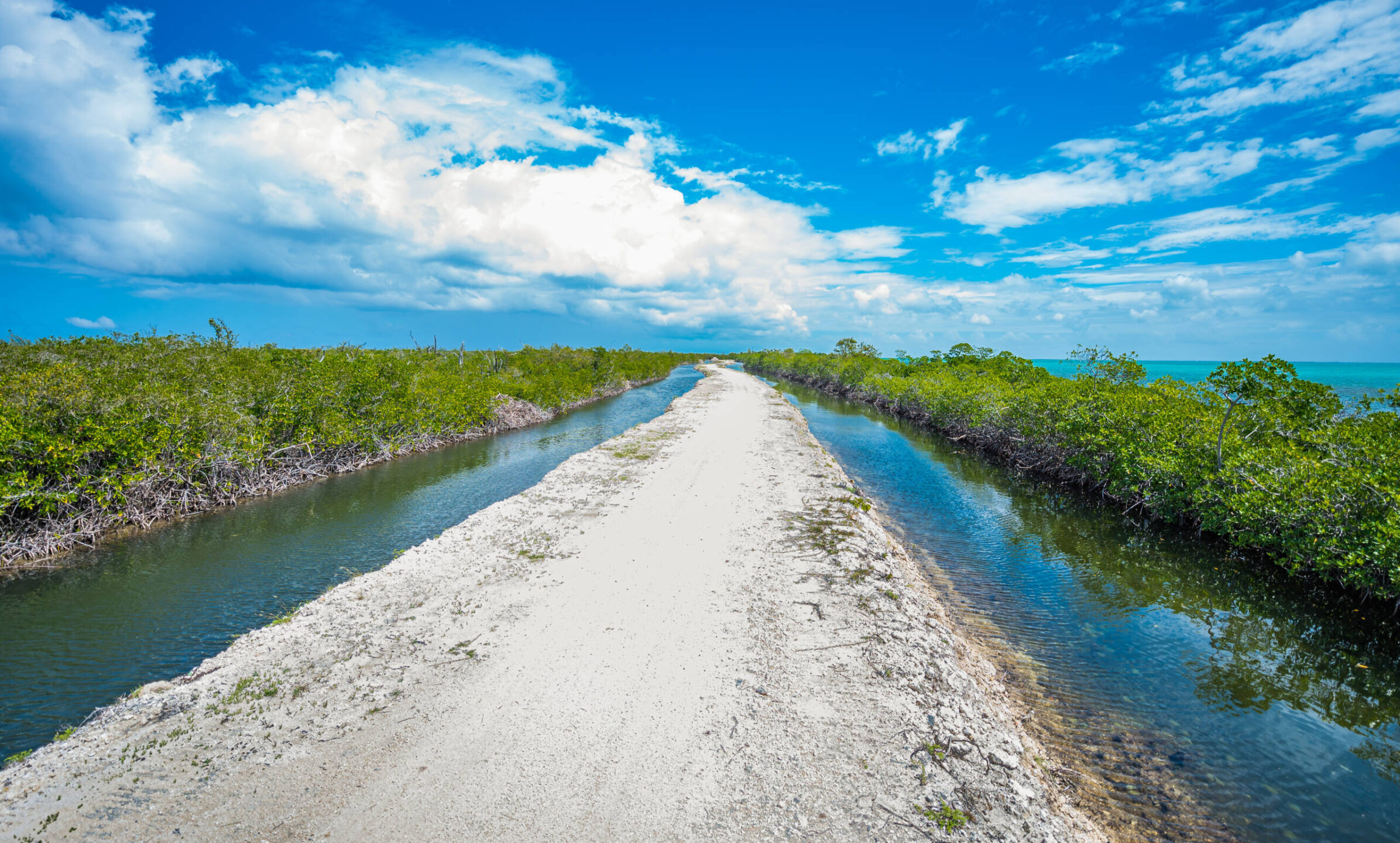
Mangroves carry the greatest ‘amenity value’ in the accounts, at $1.3 billion over the period analysed, because of their impact on carbon emissions and tourism, and as flood impact barriers that protect homes and businesses.
What isn’t shown?
The accounts calculate only direct impacts, says Natalya Kharadi, an environmental economist and senior consultant with eftec.
So the tourism benefits associated with someone who comes to Cayman to dive or snorkel are enumerated. But secondary impacts – such as spending in restaurants and shops from people who visited primarily because of the reefs and the beach – are not attributed.
In addition, public health benefits that flow from the ability to walk and swim at the beach or spiritual benefits of spending time in nature are not quantified.
What is the purpose?
Fighting the tide
The aim of the exercise is to more clearly enumerate the value of Cayman’s ecosystems and help policymakers make better choices about development and environmental protection.
How does it help fight climate change?
Integrating the accounts into the decision-making process will give Cayman’s administrators a better perspective on the value of the environment.
With higher intensity storms, sea level rise and warming oceans likely to impact the island in the coming decades, making smart choices about how and where to build, protecting mangroves and reefs from development and disease, and shielding beaches from erosion are going to be key to making the islands more resilient.
It is hoped that the accounts will provide a tool that can ensure those questions are at least factored into key policy decisions as Cayman develops.
Related Videos