

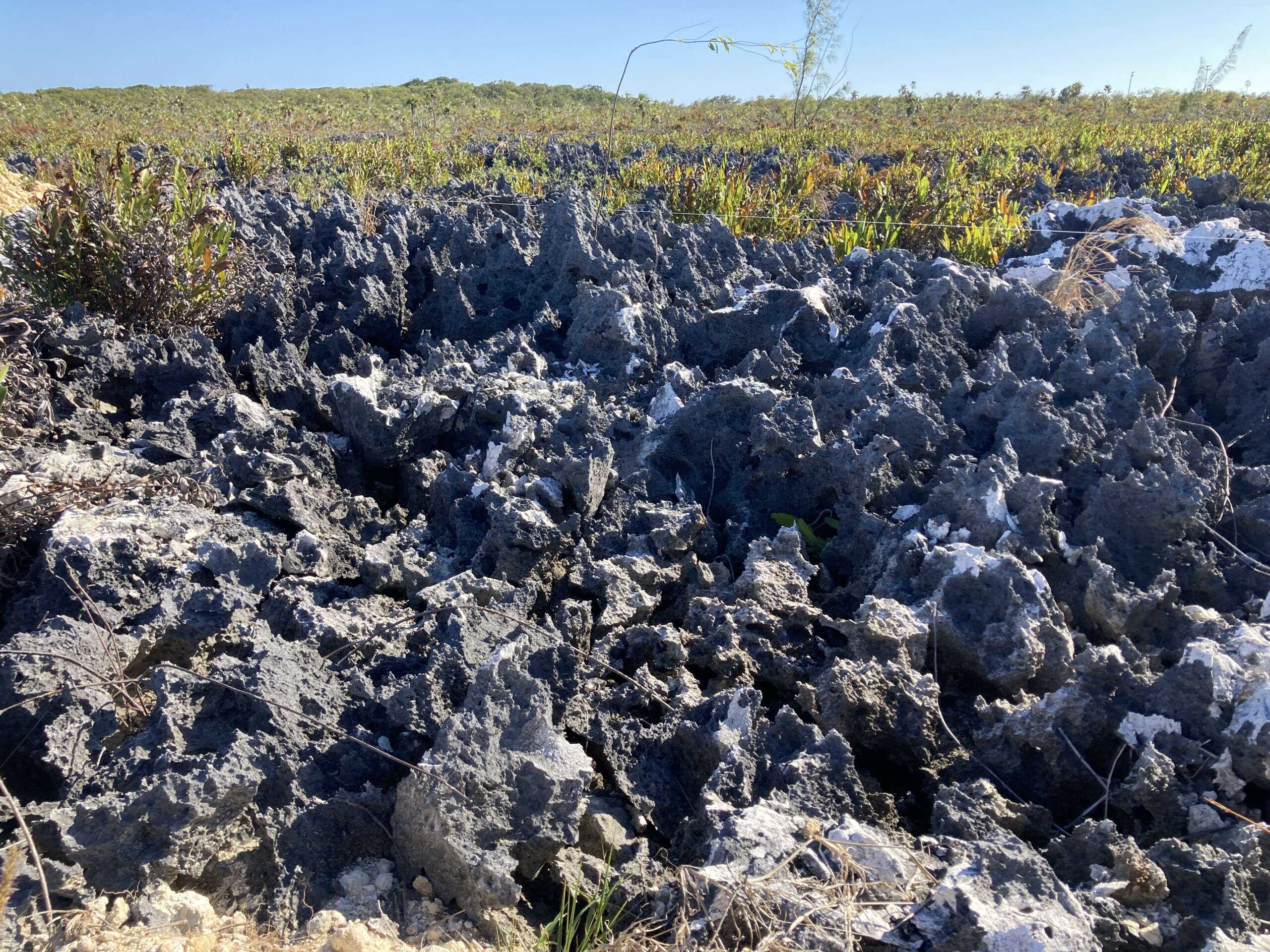
A “unique landscape” that was earmarked as a possible tourist attraction may be lost forever if the Central Planning Authority allows a residential development to be built over it.
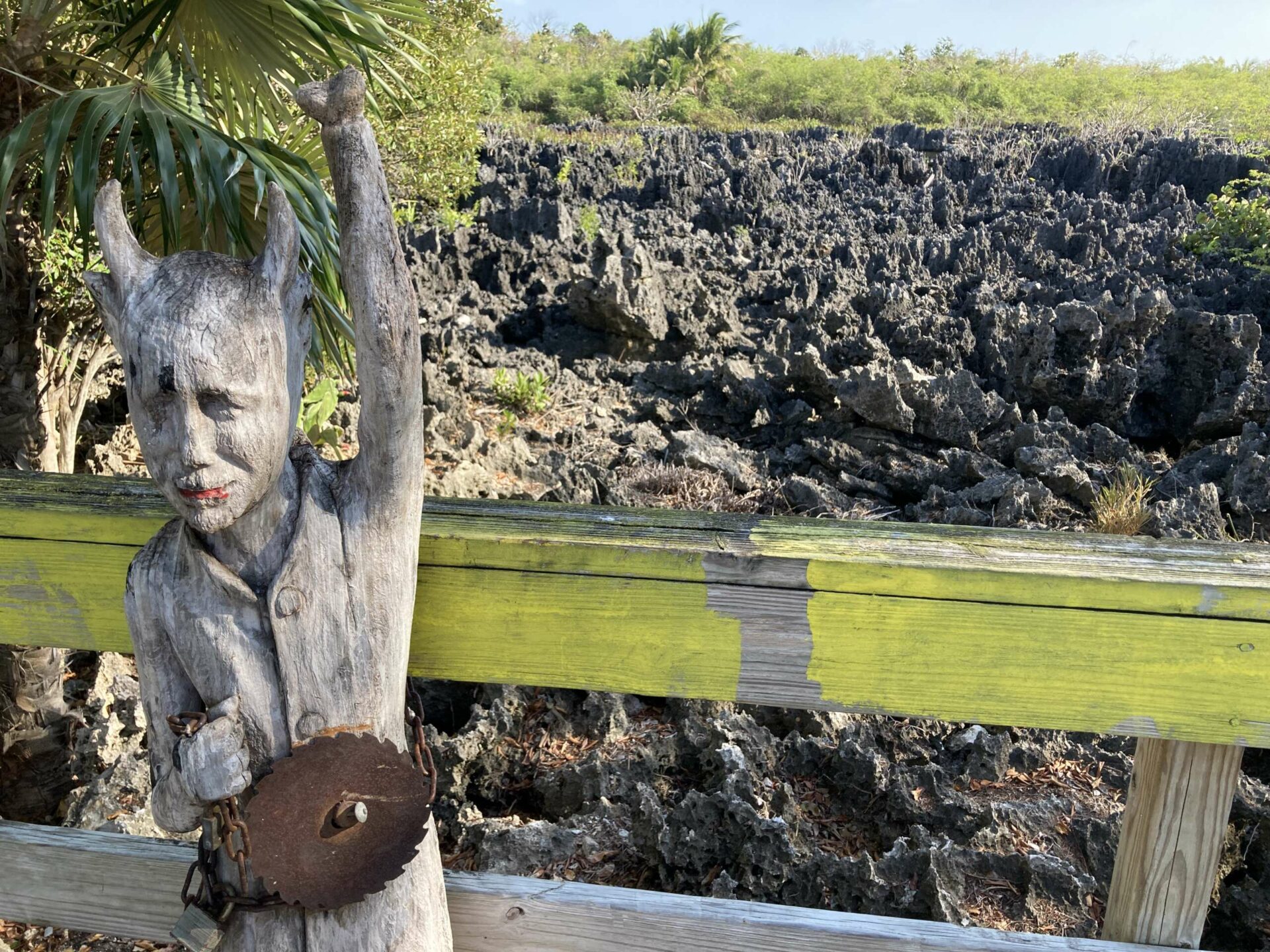
The site in East End, dubbed ‘Hell East’, is made up of sparsely vegetated limestone – similar in appearance to the ‘Hell’ attraction in West Bay.
It is the northern section of a larger plot that the Lands and Survey Department wants to split into 51 residential lots, a home for the elderly, public land and a road.
However, the Department of Environment said the area could be a huge tourist draw for the east of Grand Cayman, and building on it will mean that opportunity will be “permanently lost”.
The planning application for the $80,000 project on Crown land off Austin Conolly Drive was detailed in the agenda for the upcoming meeting of the CPA on 15 March.
In the document, Department of Environment Director Gina Ebanks-Petrie explained that the Cayman Islands National Tourism Plan 2019-2023 contains an objective for the eastern districts which highlights “enhancing the visitor experience”.
That is through, among other things, development of attractions and visitor services.
Developing attractions in the east was also an objective of the Go East Initiative, which was part of the National Tourism Management Plan 2009-2013.
As a result, the National Conservation Council decided to consider the area for conservation and discuss with relevant landowners whether they would be open to the process.
“If the site is developed with the proposed subdivision, the opportunity to create a tourism attraction or protected area is permanently lost,” Ebanks-Petrie said.
‘Hell East’
The site consists of sparsely vegetated rock in the northern part, primary dry shrubland habitat in the central part and “man-modified” land in the southern part.
Primary habitat – mature habitat in its natural state – is often very old, existing long before humans, and may consist of many endemic and ecologically important species.
It is in severe decline and becoming a scarce and highly threatened resource as a result of land conversion for human activities, the environment director explained in her review.
In the 2022 round of Protected Area Nominations, a member of the public nominated the site for protection because its unique geology and landscape could position it as ‘Hell East’.
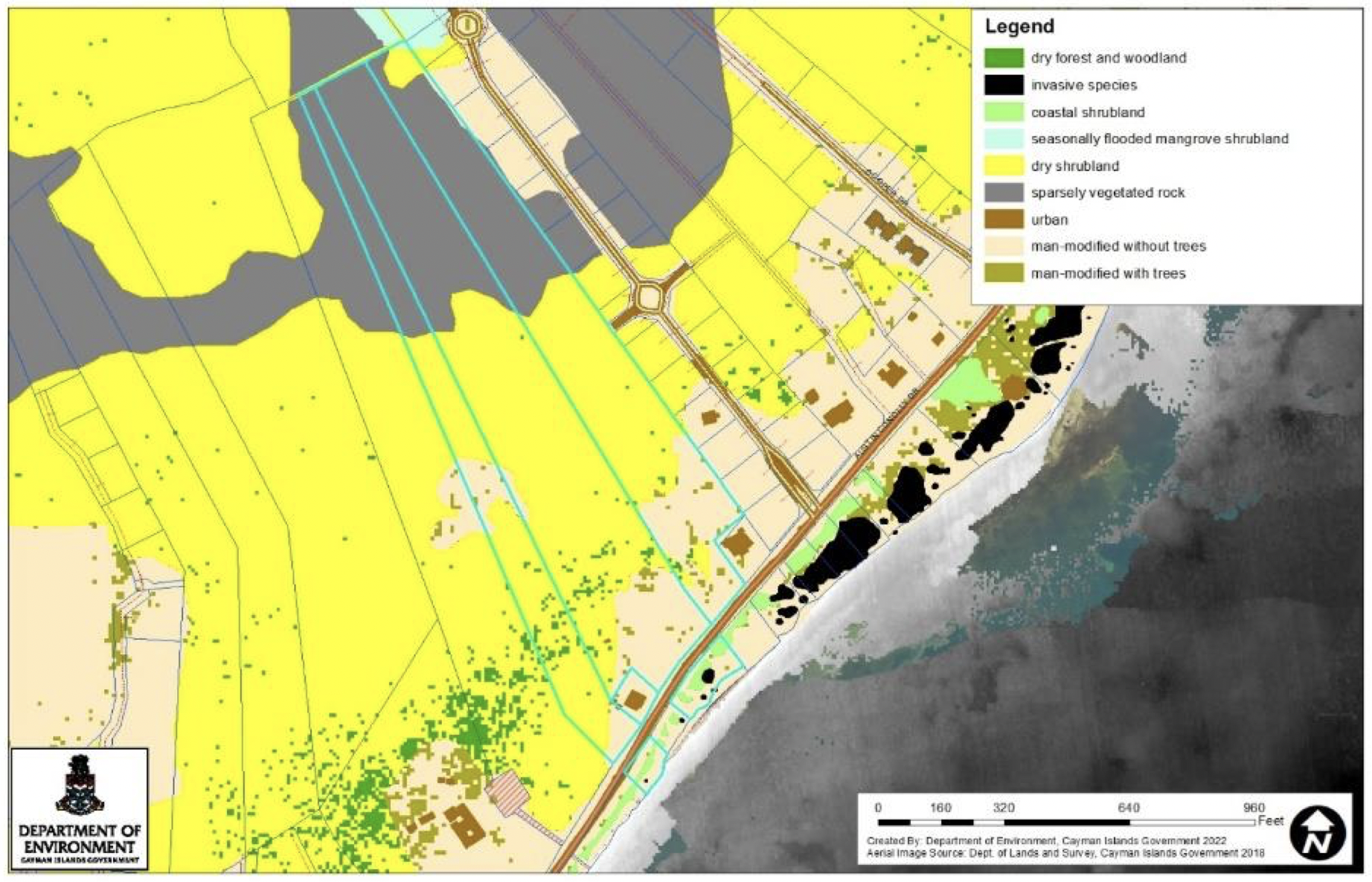
The site could easily accommodate a viewing point that would complement other nearby nature and history-based attractions, Ebanks-Petrie said.
The site is relatively close to the National Trust for the Cayman Islands’ East End Lighthouse, she added, which is a stop for guided bike tours in that district.
“The site could form one more component in attracting local and tourist [presence] and value from the western half of Grand Cayman,” Ebanks-Petrie said.
Sustainability
If the development is to go ahead it should be reconsidered to meet wellbeing and environmental sustainability objectives, she recommended.
The southern part of the site, where it has been modified, could be developed with a home for the elderly and higher-density dwellings to help meet housing needs.
The central part of the site, which hosts dry shrubland, could be retained in a natural or semi-natural state with walking paths or seating areas, she said.
“This would benefit the people living in the development and within the wider area as they would have outdoor space and potentially traffic-free areas for amenities.”
The northern part of the site, which is sparsely vegetated rock, could incorporate a viewing platform and interpretative signage to become a Crown-owned tourism attraction.
As well as the environmental issue, the planning authority will discuss public land, pedestrian access and road connections.
Related Videos











Please stand firm and stop the development. Preserving the natural environment is imperative!!!