

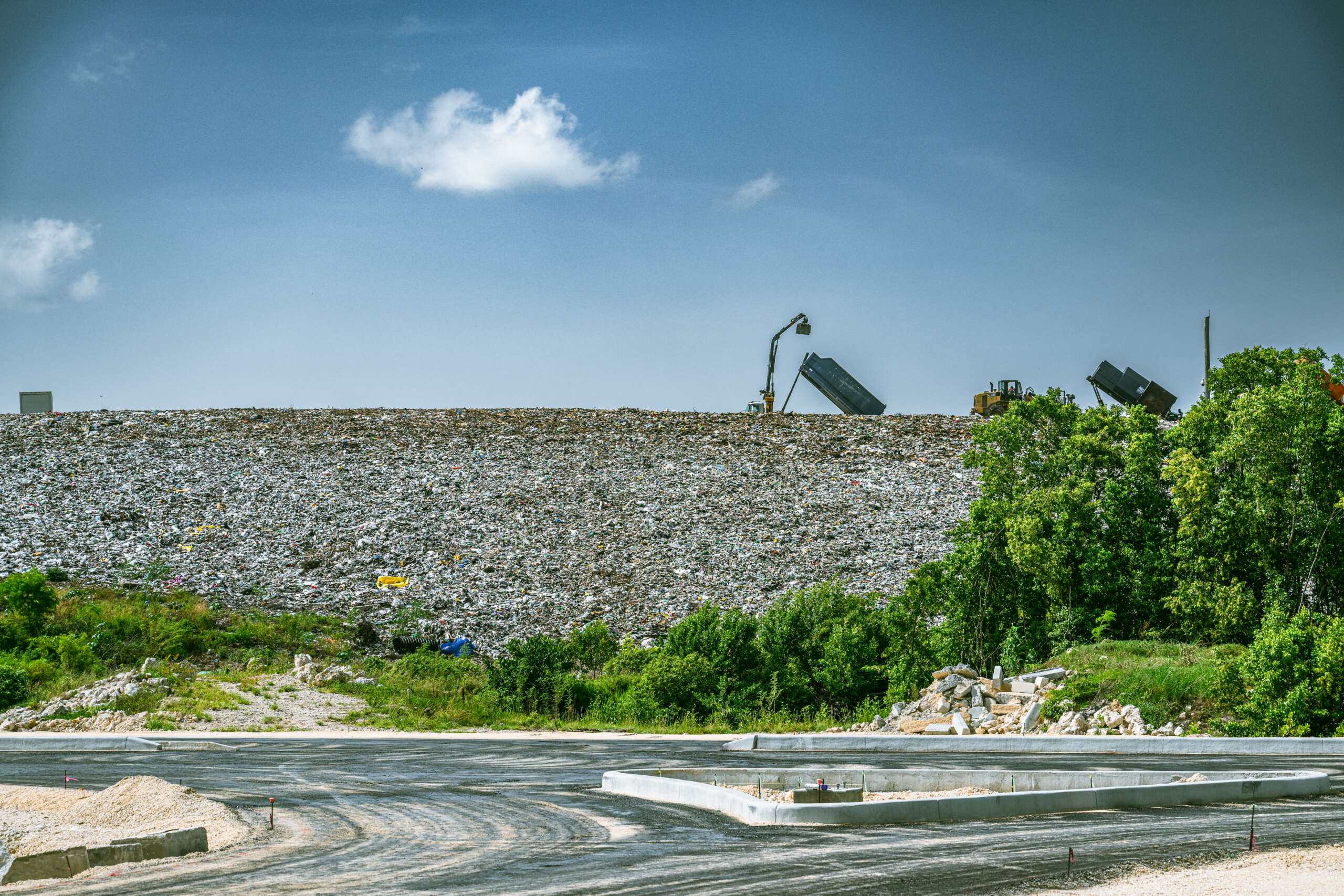
If the ReGen waste management facility deal is finalised by its latest projected financial close date of the end of next month, the plant would be up and running by 2027, officials told members of the public at a meeting Monday night.
Troy Jacobs, deputy chief officer at the Ministry of Sustainability and Climate Resiliency, told those attending the meeting at the Harquail Theatre that the government was “confident” that it could continue to manage the existing landfill, which is operated by the Department of Environmental Health, until the ReGen facility is operational in four years time.
Cayman has been waiting six years for the project to get off the ground. The Progressives-led government at the time chose the Dart consortium as the preferred bidder on the project in 2017. In March 2021, the government signed the deal with the consortium, but the financing of the project is still under negotiation.
According to the latest announcement from the PACT government on the issue, the financial close of the deal is now slated for the end of September. That same announcement stated that the new ‘long-stop’ date for the deal being completed is 30 Nov. this year.
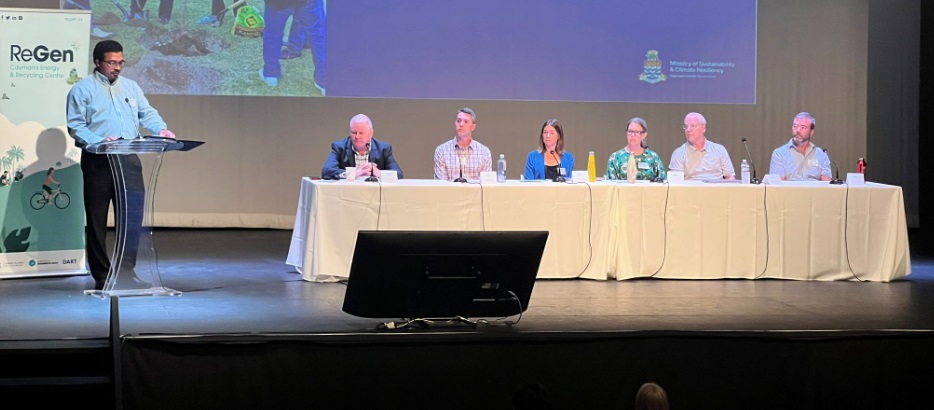
Jacobs acknowledged that the delays in finalising the deal had led to “some confusion and frustration”, but he told the audience of 30 people that the details of the agreement could not be disclosed at this time.
He added that the government knew there was a lot of interest in the costs associated with the project and the details of the ongoing negotiations.
“However,” he told the audience, “please understand that neither the Cayman Islands governor nor the Dart consortium are able to discuss the specifics of the negotiations at this stage due to the commercial sensitivities, and as the costs of the project are still being finalised between parties.
“Project costs will be shared with the public once financial close has been achieved.”
Noting that it would be several years before the ReGen plant is built and commissioned, he said, “During that time, we need to continue to make strides as individuals, as organisations and as a country to be more efficient in our consumption, and reduce waste, and reuse items whenever we can.”
Nine integrated facilities
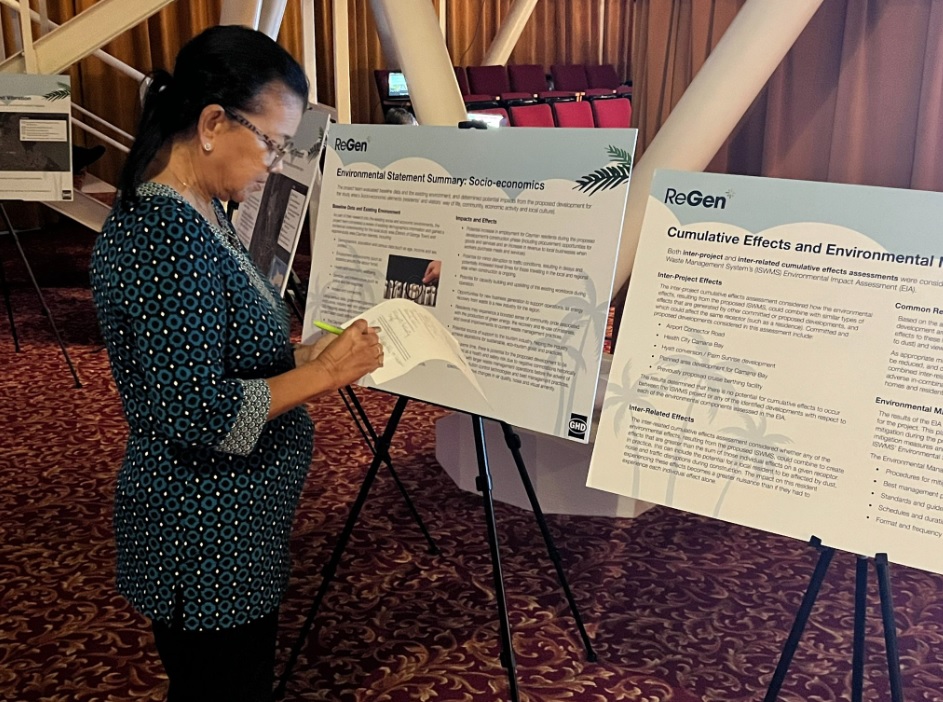
Monday’s meeting was the first of three to present the findings of an environmental impact assessment of the proposed facility, carried out by consultancy firm GHD.
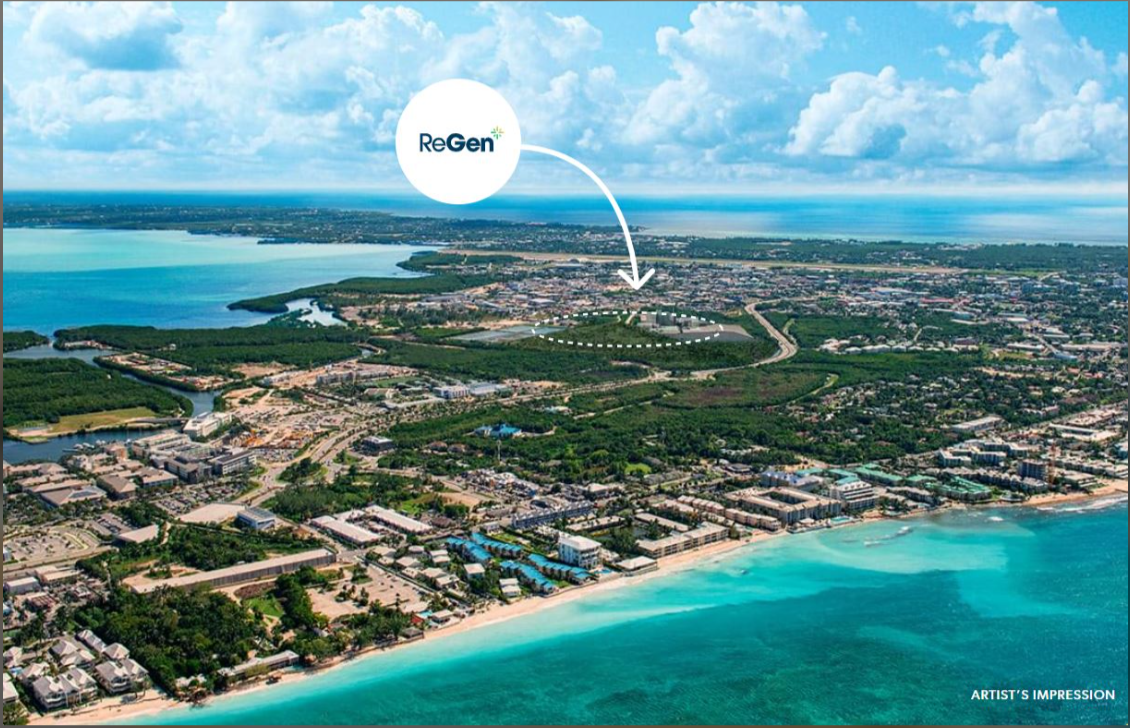
The project will consist of nine integrated facilities, that include a waste-to-energy plant, a recycling centre and composting area, as well as a lined ‘residual’ landfill for any waste that cannot be incinerated or recycled.
Richard McAree, Dart’s project manager for ReGen, told the audience that while the contract between the government and the Dart consortium was for 25 years, the plant’s infrastructure would last longer than 45-50 years, and the integrated facilities at the site would meet the islands’ current and future waste management demands.
For example, the plant would include a new medical waste incinerator, which he said would cater to the growing numbers of healthcare providers in Cayman.
“Facilities are being sized appropriately to manage the waste volumes on island now, but also into the future,” he said.
Air pollution concerns addressed
The biggest part of the project is the waste-to-energy plant, known within the ReGen plant as an ‘energy recovery facility’.
McAree said this would involve “proven technology” that is used in hundreds of similar plants around the world. This is a controlled combustion facility that converts non-recyclable waste to chemically inactive ash. The heat from burning the waste is captured to produce steam to generate electricity, which would be added to the Caribbean Utilities Company grid. It is anticipated that it will generate 8.5 megawatts of electricity.
GDH consultants, who addressed the various aspects covered by the EIA at Monday’s meeting, explained that in-depth modelling of potential air-pollution impacts from the waste incineration, combined with existing levels of pollution from vehicles and industrial activity, had shown that air-pollution levels would meet the stringent UK standards they had used in their modelling exercise.
“We can rest assured that air emissions from the facility operations will not cause any health effects,” said consultant Gord Reuising.
Leachate from the unlined landfill has long been a concern in Cayman and, even with remediation efforts at the dump site, it is still – and will remain – unlined.
Asked if there were any steps that could be taken to address that issue, McAree acknowledged that the site does generate leachate, and while there was no option of retro-lining the dump, the capping and other remediation work of the landfill is the “best possible opportunity we have to reducing the amount of leachate”.

“Capping the site with an appropriate engineered cap, including a geosynthetic clay liner and materials above that and at the sides, significantly reduces the amount of water infiltration through the waste mass that ultimately generates the leachate, so it does have a very, very positive effect on the leachate generation ultimately at the site,” he said.
“Once the ReGen facilities are up and running and we’ve gone through the remediation process for the remainder of the George Town landfill and the current operational area, there will be significant amount of reduction in the leachate generation.”
He added that the “leachate, by its chemistry, will reduce over time – there is a dilution factor that will come into that, and obviously there is a surface water management plan around the remediated landfill that will tie into the ReGen facilities”.
The Department of Environmental Health would also continue to monitor leachate at the site in the years to come, he noted.
In response to a question about whether the islands produce enough waste for the ReGen facility to break even financially or make a profit, McAree said there were “no concerns” about the plant receiving the “operational minimum”.
“The facility is being designed to accept existing and projected waste volumes,” he said, “and the reason we’re developing an integrated facility is there will be a trade-off of waste types through time, through the expansion of recycling and composting and the diversion of waste types from the energy recovery facility into those other recycling facilities as and when the collection infrastructure comes online to service them.”
Responding to a question from another audience member, McAree explained that the energy recovery facility would be self-powered by the electricity generated from the waste-to-energy process.
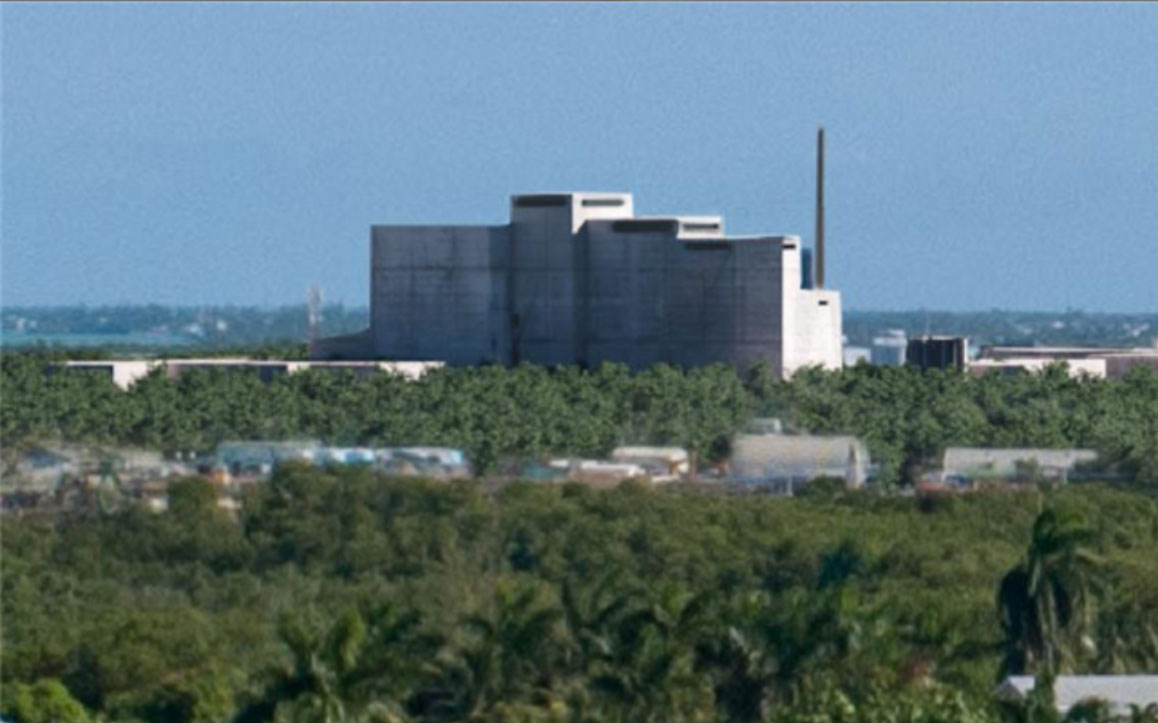
Asked about the visual impact at night of the facility, including the 158-foot-tall ventilation stack and the plumes of smoke emitting from it, McAree stated that the stack would have red aircraft-warning lights, but otherwise there would not be much lighting visible at the site, nor would be there be flames coming from the stack.
“From a visual perspective, you’re not going to be seeing any black smoke, or any kind of visible emissions because the air pollution control system is very robust.”
More information
To find out more about the project, visit ReGen.ky.
The 1,764-page draft environmental statement details the findings of the environmental impact assessment of the ReGen project, previously called the Integrated Solid Waste Management System, or ISWMS. A shorter non-technical report on the findings is also available.
The next step in the process is a public consultation on the draft report. The public consultation period on the draft environmental statement ends at midnight on 7 Sept.
Related Videos










A very positive step forward. Looking forward to seeing this develop.