

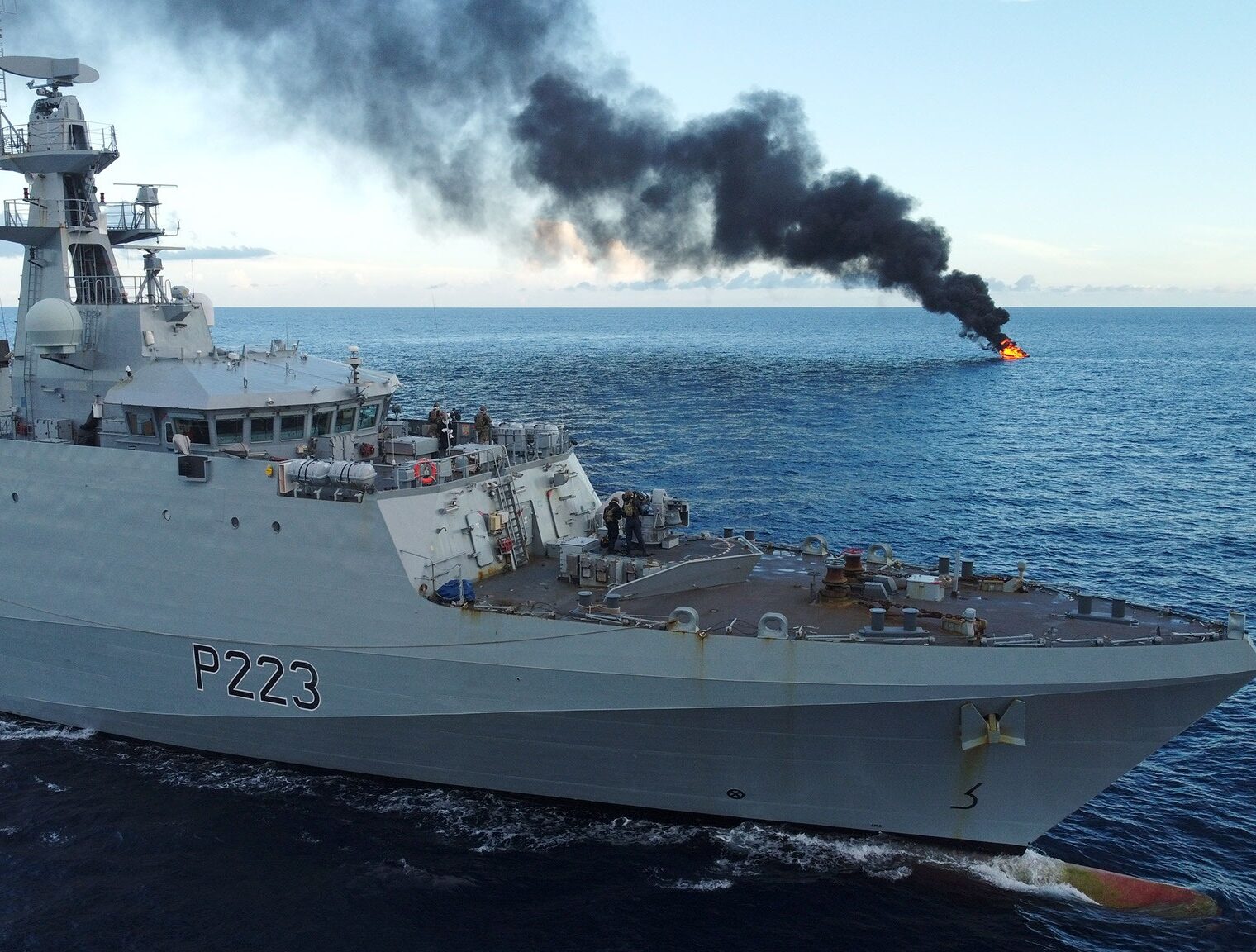
The UK has pledged $1 million to improve radar surveillance around the Cayman Islands as part of a package of measures to disrupt drug and gun trafficking.
Governor Jane Owen, who has ultimate responsibility for national security, said British Royal Navy ships were also making strides in the regional fight against organised crime.
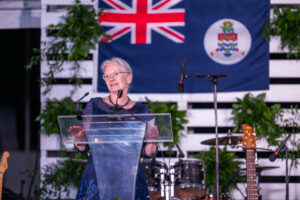
The governor wants to see even greater cooperation between islands in the region, and highlighted the Treaty of San José – a regional accord that would make joint law enforcement operations easier – as a key priority.
She said, “Alongside firearms trafficking, UK Government analysis has found that transnational narcotics trafficking is one of the most damaging forms of organised crime across the Caribbean region and is linked to corruption and high rates of serious violence and homicide.”
That pattern of crime trickles through to Cayman where rising gun violence is a key concern for law enforcement.
Owen, who also chairs the National Security Council, said she is ensuring the “right people work together” to tackle the issue.
“I am concerned about anything that impacts the safety and security of the people of Cayman and this is a high priority for our current Government too,” she said.
Deadly Trade: Spotlight on guns and drugs
- Disorganised crime: Chancers, freelancers and opportunists gambling on the Jamaica ganja run
- The journey of a gun: The trafficking networks that arm Cayman’s gangs
- Interactive: How firearms reach Cayman
- American guns, Caymanian victims
- ‘Merchants of Evil’ – Criminal brokers quietly profiting from bloodshed in Cayman
“I am working closely with Commissioner Walton to ensure RCIPS has the people, funding and training they need to successfully tackle criminal activity of this kind,” she said.
“Customs and Border Control are also pivotal in stopping the flow of drugs and guns into Cayman, as are our Coast Guard, who only a matter of weeks ago intercepted a vessel from Jamaica carrying a significant quantity of drugs.”
On the radar
New technology is considered a key step in stopping drug and gun smuggling through low-profile canoes that arrive under cover of night.
“Coastal radar, and other equipment that helps improve maritime domain awareness, is an important part of the battle to prevent the smuggling of illicit weapons and drugs,” Owen said in emailed responses to questions from the Compass.
“Our Coast Guard have been considering the best technological solutions for Cayman’s three islands and we will consider these proposals in Cabinet soon.
“The UK Government has already pledged £1 million (KY$ 1.04m) in support of this effort.”
She said Customs and Border Control was also upgrading equipment and systems and working collaboratively with the airport and local courier services on detection and enforcement.
The way to San José
The governor, through the UK, also has responsibility for foreign policy for Cayman. She said a key diplomatic priority was to ensure Cayman is ready to sign the Agreement Concerning Co-operation in Suppressing Illicit Maritime and Air Trafficking in Narcotic Drugs and Psychotropic Substances in the Caribbean area – better known as the Treaty of San José.
Though the treaty has been on the table for over a decade, Owen and CARICOM leaders have told the Compass it is expected to conclude this year.
The broad aim of the treaty is to help different islands work together to investigate and pursue criminal organisations across multiple jurisdictions.
“The Coast Guard does of course already work closely with regional partners not only on intelligence sharing but in acting upon that information and they have been actively pursuing cooperation agreements with Jamaica, Cuba and Honduras,” Owen said.
Navy busts
The governor also highlighted the role of British navy ships in making major drug seizures throughout the region.
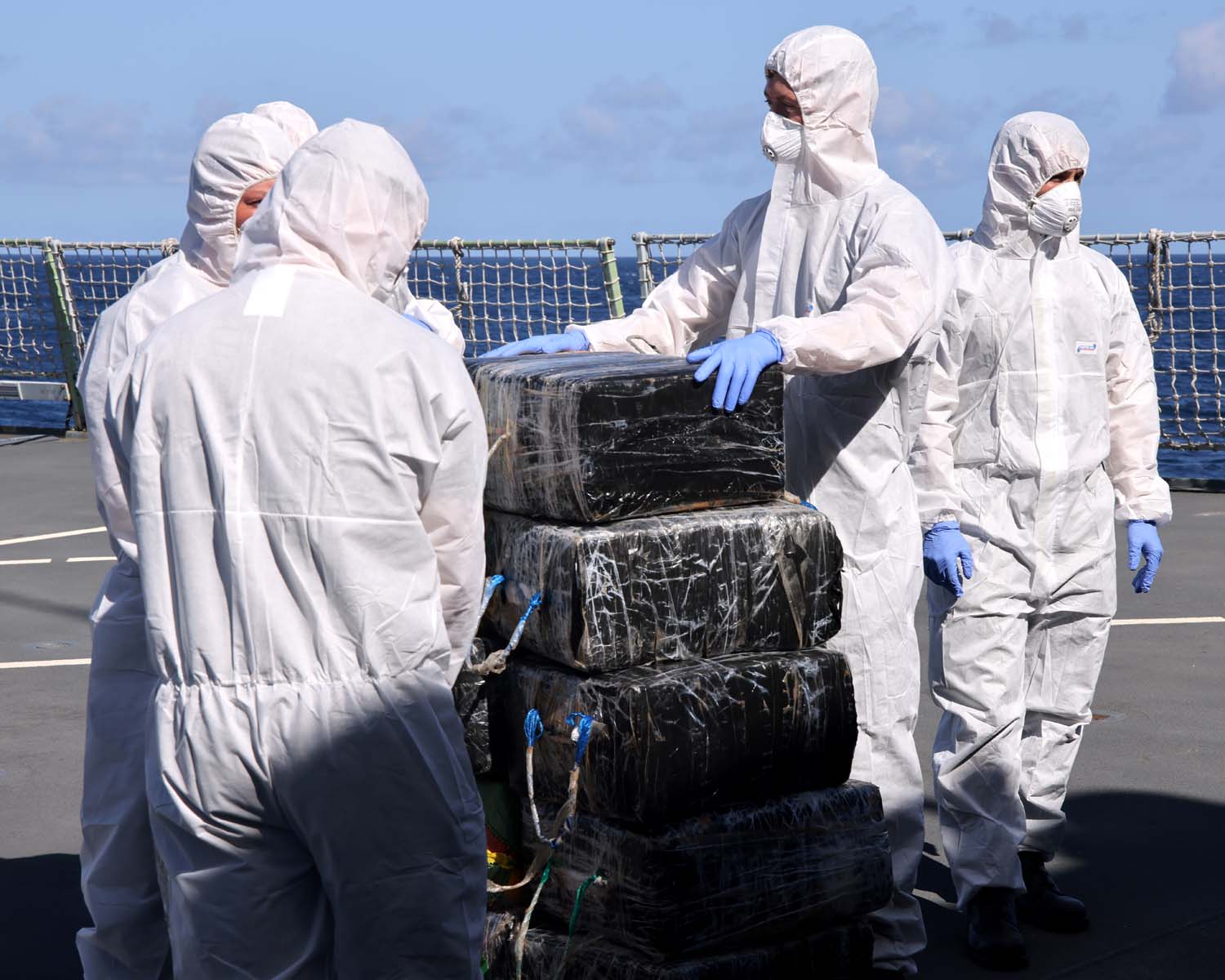
In March this year, a Royal Navy warship seized £290.66 million worth of cocaine and narcotics in “two huge blows to drug runners in the Caribbean”, she said.
British sailors, Royal Marines and a US Coast Guard team on HMS Trent intercepted a suspected smuggling speedboat south of the US Virgin Islands. Trent, its fast sea boats and an American patrol aircraft recovered 94 bales of class-A narcotics, weighing 2,757 kilos (3 tons) and worth £220.56 million (CI$225.34 million). This was HMS Trent’s second drugs bust in the space of three weeks, having seized £70.1 million (CI$71.6 million) worth of cocaine in a separate operation in January.
“The UK Government is naturally very concerned about drugs and arms trafficking, not just in this region but globally. Instability, violence and the scourge of drugs affect so may people worldwide,” Owen said.
- This article has been amended to reflect that the radar investment is for the Cayman Islands in general and not for Grand Cayman.
Related Videos






I hope it works.
The UK Govt emphasises that transnational drug trafficking in the Caribbean is linked to corruption. The large shipments of cocaine involve vast profits for the people behind it, yet it seems none of the Caribbean kingpins have been prosecuted and this is where corruption comes in.Until the big men around the Caribbean islands are identified and convicted we will continue to find large amounts of cocaine washing ashore or floating off our shores.