Six areas across the Cayman Islands have been formally designated under the National Conservation (Protected Areas) Order 2026, extending legal protection to a network of ecologically significant sites.
The announcement was made to residents at a community meeting in Little Cayman on 22 April, coinciding with Earth Day, as part of a wider package of measures focused on environmental protection and long-term planning.
Collectively, the sites represent a cross-section of the islands’ natural environments, spanning wetlands, mangroves, coastal cays and forest habitats.
Government has indicated that management plans for each area will be developed and opened to public consultation ahead of final approval, with some locations expected to remain accessible through features such as boardwalks and walking trails where appropriate.
The newly protected areas
The newly designated areas include Tarpon Lake National Park and the East Interior Nature Reserve in Little Cayman along with Sand Cay, Duck Pond Little Cay Marine Park, the Western Mangrove Cays Marine Park and an expanded Salina Nature Reserve in Grand Cayman.
Each site carries distinct ecological importance. In Little Cayman, Tarpon Lake National Park supports significant wetland systems, while the East Interior Nature Reserve spans a rugged inland landscape of ponds, shrubland and forest.
On Grand Cayman, Sand Cay in South Sound functions as seasonal nesting habitat for least terns. Duck Pond Little Cay Marine Park and the Western Mangrove Cays Marine Park in North Sound safeguard critical mangrove ecosystems that underpin marine biodiversity and help stabilise the coastline. The expanded Salina Nature Reserve provides habitat for native species including the blue iguana, Cayman parrots and migratory black crabs.
Government has indicated that Tarpon Lake National Park will remain accessible via a boardwalk, while walking trails are planned for the East Interior Nature Reserve to support controlled access. At Sand Cay, recreational use will be permitted outside the least tern breeding season.
Environment Minister Katherine Ebanks-Wilks said the designation brings formal legal protection to areas long valued by the public but not previously secured in law.
“I am pleased that these areas have been formally protected under the National Conservation Order 2026. These seven Protected Areas are of ecological importance to our native and visiting wildlife, and hold cultural and recreational significance for Caymanians, residents, and visitors to our beautiful islands,” she said.
“With the formal Protected Area status now in place, these beloved and wild corners of our islands will be restored and maintained for generations to come.”
Government also confirmed that the Cayman Brac Lighthouse and its surrounding bluff, an approximately 125-acre site of historical and ecological significance, is under consideration for future protection.
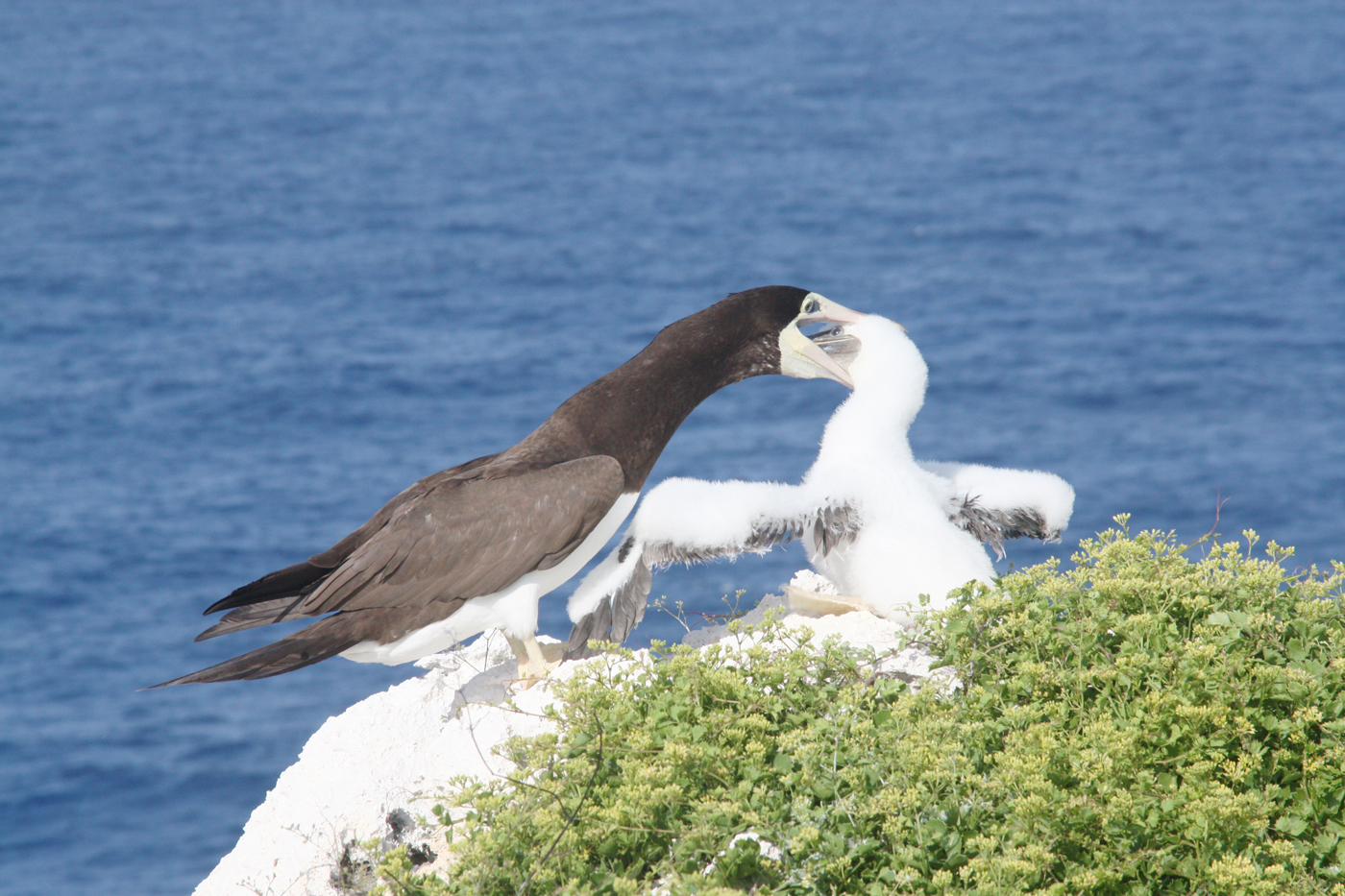
In September 2025, government acquired the largely untouched stretch of land on Cayman Brac that had been at risk of private development. Surrounding the Crown-owned lighthouse, the area is known for its rugged terrain and rich ecology, supporting native plant life and species such as the brown booby, which nests along the bluff.
The purchase followed months of public concern after the property was listed for sale and subdivided into 44 parcels, raising the prospect of large-scale development. The listing prompted widespread reaction, with residents across all three islands calling for government to intervene and secure the site through the Environmental Protection Fund.
Related Videos