

Past is prologue.
Cayman’s census doesn’t just show where we have been, it shows were we are going – a graph stretching ever upwards like the hypothetical skyscrapers of the future.
Some fear it; some welcome it.
Over the past five weeks, the Compass has used those graphs as part of its analysis of census data and made sense of the stories contained within the numbers.
They’re instructive. They show us much about who we are and the way we live now.
Cayman’s population has grown exponentially, more than a 1,000% increase since the early 1950s. Even by the most modest projections, Cayman’s population will hit 100,000 by 2040.
With a 4-5% growth rate, we will be there in eight years. And yet, 30 years ago, people thought 60,000 was unsustainable. Clearly, it is not.
Is 100,000 when we come up against a hard stop for Cayman’s population growth? If not, what is the magic number the islands should not exceed?
If one exists, Premier Wayne Panton acknowledged he doesn’t know what it is.
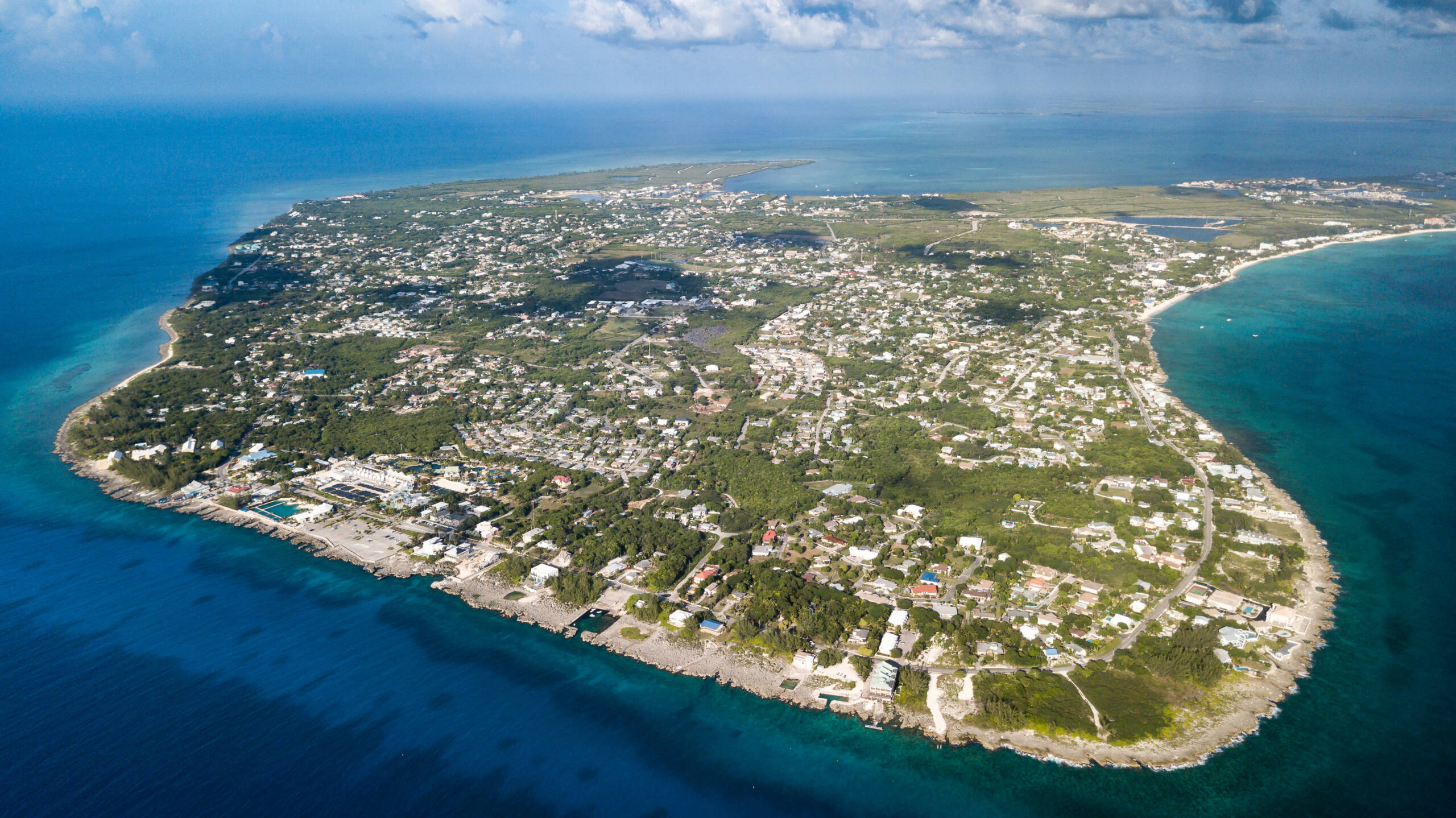
Space is not the issue.
Cayman is larger than Manhattan. It can grow as much as we want. The real issue is deciding what that expansion is and how we manage and pursue it.
Do we want to be Singapore in the Caribbean Sea? That’s one possible future. Or do we want to retain the quaint island charm, with the benefits of a 21st century economy and infrastructure?
First thing that is needed is a vision, then a map to get there. At the moment, we have neither.
Cabinet seems divided about what it wants. And Premier Wayne Panton, into the second year of his term, will delay the islands’ much-needed development plan for another administration.
Panton advocates for a “reasonable level” of growth, that is “not uncontrolled and unpredicted”; the Opposition advocates for planned, economic growth, preferring this to the “disaster” of no growth.
And yet there is no policy suggestion on the table that in any way controls or curbs growth to alter the trajectory of the graph from the direction in which it is currently heading, unabated.
While Cayman’s infrastructure challenges pale in comparison to those grappled with by other countries, both our development and infrastructure planning are a long way off.
The census quantifies how great the need for new schools, public transport and affordable housing. It will be 2031 – and time for another census – before the paperwork is even drawn up on any of those crucial elements of future planning.
In the meantime, we’re running out of space; conservative projections put Cayman’s total student population in 2032 at 10,800 – 2,000 more than today. Charities are buckling under the demand for assistance, as rent and cost-of-living expenses mushroom.
So we will proceed to build the new Cayman, the same way the current one was built – on a wing and a prayer – with the schematics being drawn up while the structure is already in progress.
Meanwhile, there are no real proposals in terms of immigration reform or transformative education and workforce planning that would lessen the jurisdiction’s reliance on imported labour.
The majority of future growth sectors, from tech to healthcare, will require more imported workers, not fewer. If these industries are to flourish here, they are predicated on specialist skills and experience sets that Cayman does not have, or has only on a fledgling scale.
Imported labour has also been a catalyst for opportunities for Caymanians and increases in living standards over the past decades. Both PACT and the Opposition – despite telling their voters something different at times – believe this is a good thing.
Caymanians – particularly the younger generation – have invested their hopes and votes in Panton to lead the jurisdiction to a more sustainable future. But if he leaves a proper development framework to the next cohort of politicians, there’s no guarantee he’ll get a second chance to be at the helm – or even on the ship.
There remain serious, unanswered questions about whether Cayman’s natural resources can withstand the current pace of growth, before we reach that hard stop, ecologically and geographically.
The issues at the core of the balance between development and sustainability are precarious; they have reignited with the legal ruling in favour of the National Conservation Council’s power over the Central Planning Authority.
Identifying and cultivating this balance is complex and involves long-term planning. The goalposts can move. That’s why governments have shirked it, in favour of short-term vote-winning policies.
But we are going to procrastinate our way out of a solution.
Go to the people, develop a vision and then draw up a map. There’s no guarantee at second terms and second chances.
Related Videos








A very well done Editorial. Balanced, frank, and written at an intellectual and reader-friendly level. The long-term development vision and strategic planning of our Islands are not subjects that we can afford to defer any longer. Kicking the proverbial “can” down the road is not a trait of good leaderdhip. As the addage goes, “those who fail to plan, plan to fail”.
“Caymanians – particularly the younger generation – have invested their hopes and votes in Panton to lead the jurisdiction to a more sustainable future.”
While this isn’t really true it is illustrative of the problem. Only a small group of people voted for Wayne Panton the candidate, because that is how our system works. The now Hon. Premier did not get in with enough of his own team to form a Government. So we have the PACT.
Many hoped that Wayne would be able to provide the leadership to deliver some of what he campaigned on. Sadly that hasn’t been the case. It appears he has made a Faustian bargain to become Premier and we all suffer for it.
In 2006 the Go East initiative and report was commissioned setting out a collaborative vision for the Eastern Districts. CNS 2006: “Christopher Saunders (BTW) supported McLean’s motion and said he hoped it would encourage many Caymanians to make the necessary investments to get involved with the Airbnb rental market and make additional income. “It is all about improving the quality of life for our people,” he said.”
Section 7, pg51 of the report sets out Policies and proposals for action
7.1 Sustain the quality of the environmental product
7.2 Manage the visitor and their impacts
7.3 Provide a high quality, sustainable, Caymanian tourism product
7.4 Manage the Sister Islands as a destination for nature-based tourism
7.5 Develop a highly skilled Caymanian tourism workforce
7.6 Attract a more discerning and higher spending visitor
7.7 Research and monitor tourism more effectively
7.8 Organise tourism in the Cayman Islands more effectively
Report summary: careful planning and implementation is needed…based on guidelines for environmental conservation, cultural preservation and community economic development this report seeks to address these issues…”
The people had a vision then, has it changed so much today?
Before you build you need a plan. Don’t build the house before you have the blue-print.
If the PACT is not a team then true vision and guidance is needed.
Listen to the people and implement an online platform for the legitimate and democratic practice of lobbying in each District. Don’t wait until tomorrow.