Making progress on the long delayed transformation of the George Town landfill, the expansion of the East-West Arterial Highway and the completion of a mental health facility are among the key priorities for the PACT government during the balance of its term, Premier Wayne Panton said Wednesday.
The Strategic Policy Statement – which outlines government’s key financial forecasts and policy objectives for the next three years – zeroes in on a handful of ongoing projects.
The document, unveiled in Parliament on Wednesday, contains few new policy announcements, instead providing progress updates on a handful of projects and initiatives that have been in the works for some time and quietly omitting others.
An expansion of school space and progress on upgrades to the airport were among the key infrastructure goals outlined.
The document also reiterated previously announced policy goals, including improving access to affordable housing and updating and implementing climate and energy policies.
There was another commitment to increase the minimum wage, mirroring a similar promise in the same document two years ago.
Other projects and policies were conspicuous by their absence.
There was no news of the update to the islands’ development plan, intended to provide a framework for sustainable development and environmental protection across Cayman and already delayed past the end of the current PACT term.
Meanwhile, plans for a new undersea telecoms cable, beach re-nourishment along Seven Mile and for government to play an ownership role in renewable energy, were also omitted from the policy agenda for 2024-2026.
In a speech introducing the document, Panton gave his government a “passing grade” for their first two years in office.
Here’s a look at the updates, from his speech and the SPS document, across ten key areas.
1. Landfill: ‘Sinking fund’ to help cover cost of project
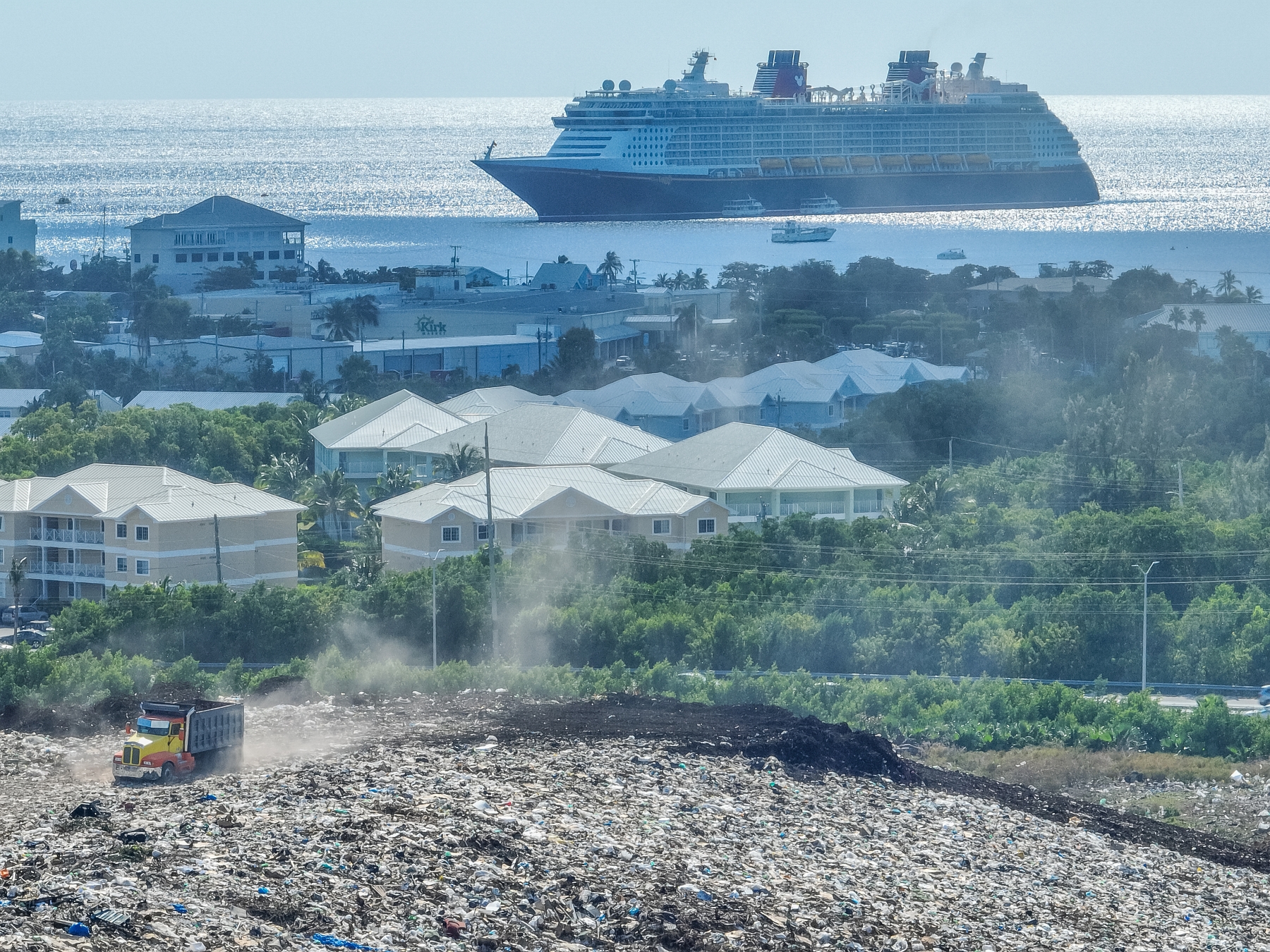
Government is “on the cusp” of concluding a multi-million – potentially multi-billion – dollar deal to replace the George Town landfill with waste-to-energy and recycling facilities.
Despite recent controversy – including claims from former Finance Minster Chris Saunders that the project could “bankrupt” the jurisdiction – Panton insisted the deal was affordable. He added that the ReGen deal, first announced in 2017, was now the only viable option on the table that could be completed before the current site runs out of space.
He did not shed any light on the total expected cost of the 25 year solid waste management strategy, estimates for which have varied wildly, but indicated it would be the “biggest project the country will have ever done”.
Nonetheless, he said it was “fiscally manageable” and could be completed while maintaining sound public finances in accordance with the framework for fiscal responsibility.
He revealed that a “sinking fund” would be established that will set aside $75 million over the next three years to help fund the project costs once the new infrastructure is in place (and government’s annual bills for its implementation start running), projecting this would happen by mid 2026.
“For 40 years we’ve kicked the can down the road on these problems,” Panton said.
“Now is the time to solve the problem in a sustainable, modern, reliable way.”
2. Education: School expansions planned
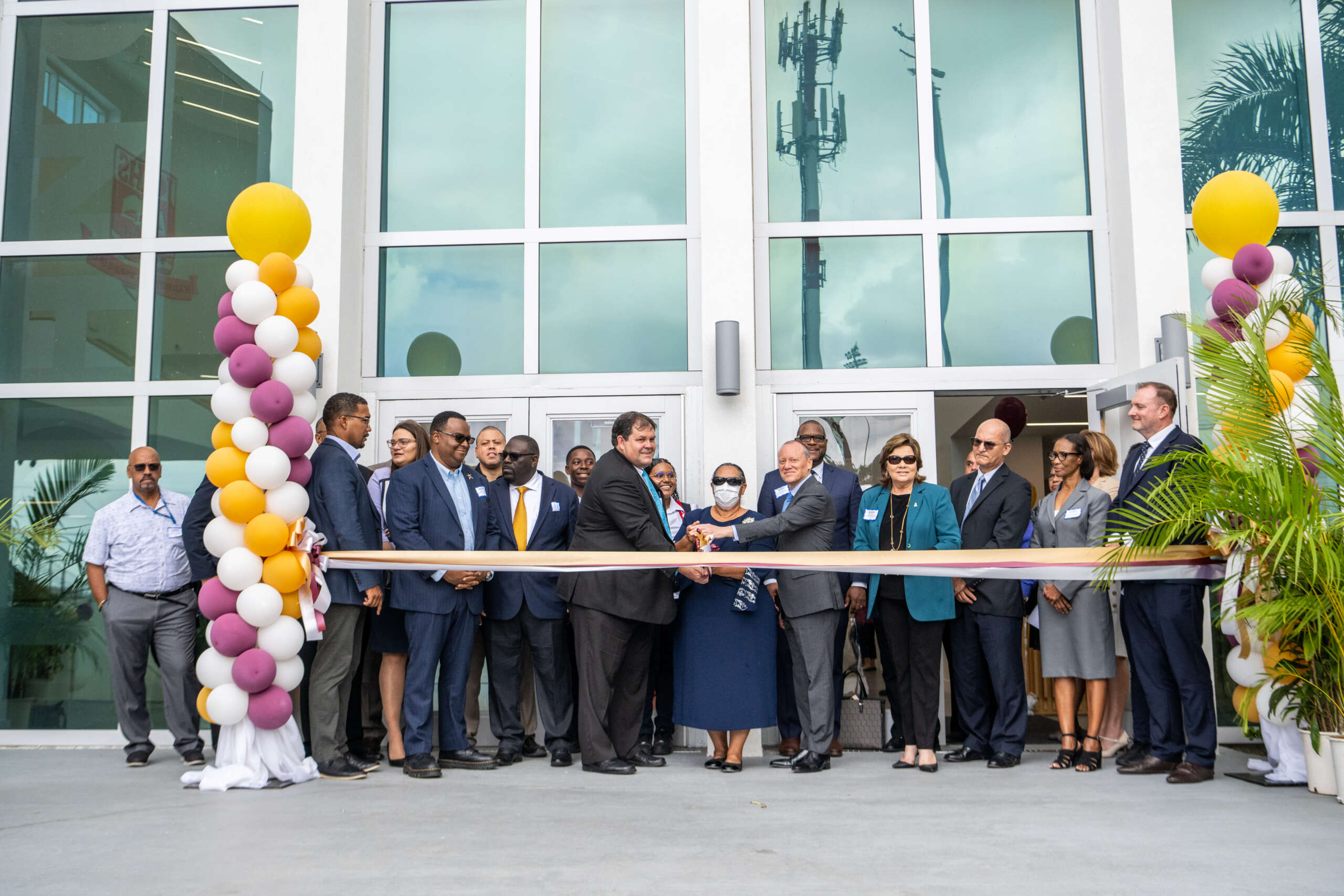
The development of a new high school on Cayman Brac and expansion and upgrades to schools across the islands, form part of government’s spending plans.
The wording of the document stops short of a hard commitment, indicating the development of a new Layman E Scott High School is one of a number of infrastructure projects that “will be considered”.
A new primary school in North Side and expansion to existing school facilities, including those in Prospect and West Bay, are also highlighted as priority plans.
A fourth academy could be added at Clifton Hunter High School and plans are in place for new learning support classes at both Grand Cayman high schools.
The document also reiterates a previously announced commitment to make tertiary education at UCCI and ICCI free to Caymanians.
3. Housing: Renters’ rights considered
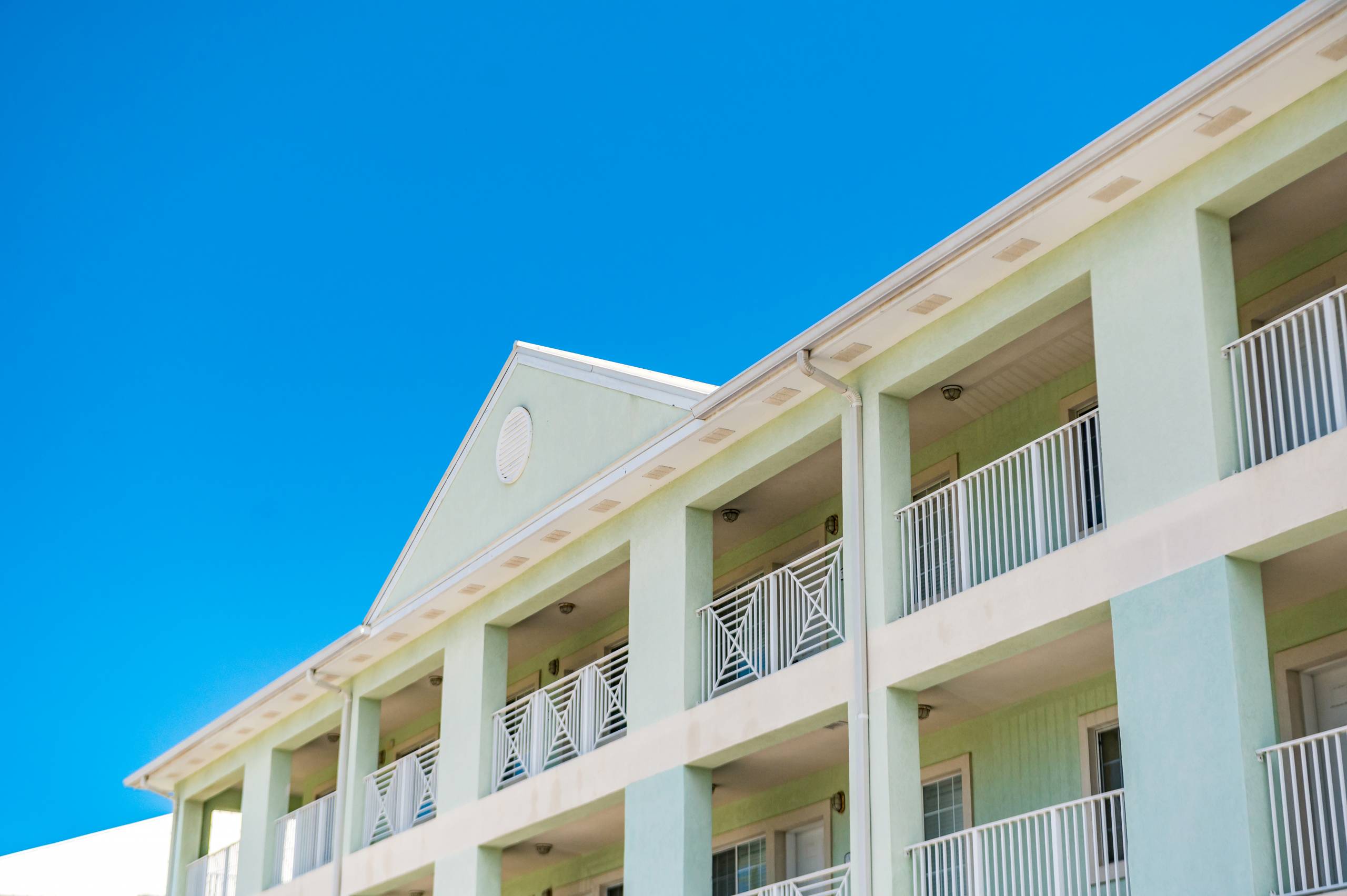
Premier Panton referenced work to reform the Landlord and Tenants Act to “ensure a more level playing field” and introduce rights and protection for both parties. The Compass has previously highlighted complaints from tenants left without power and water by their landlords and outlined how their rights still depend on 19th century legislation.
Panton’s announcement of plans to change the law were referenced alongside other goals to improve access to affordable housing.
The SPS document also references a new project for government to buy up land to make available to Caymanians to build their own homes.
4. Infrastructure: Mental health facility slated for completion
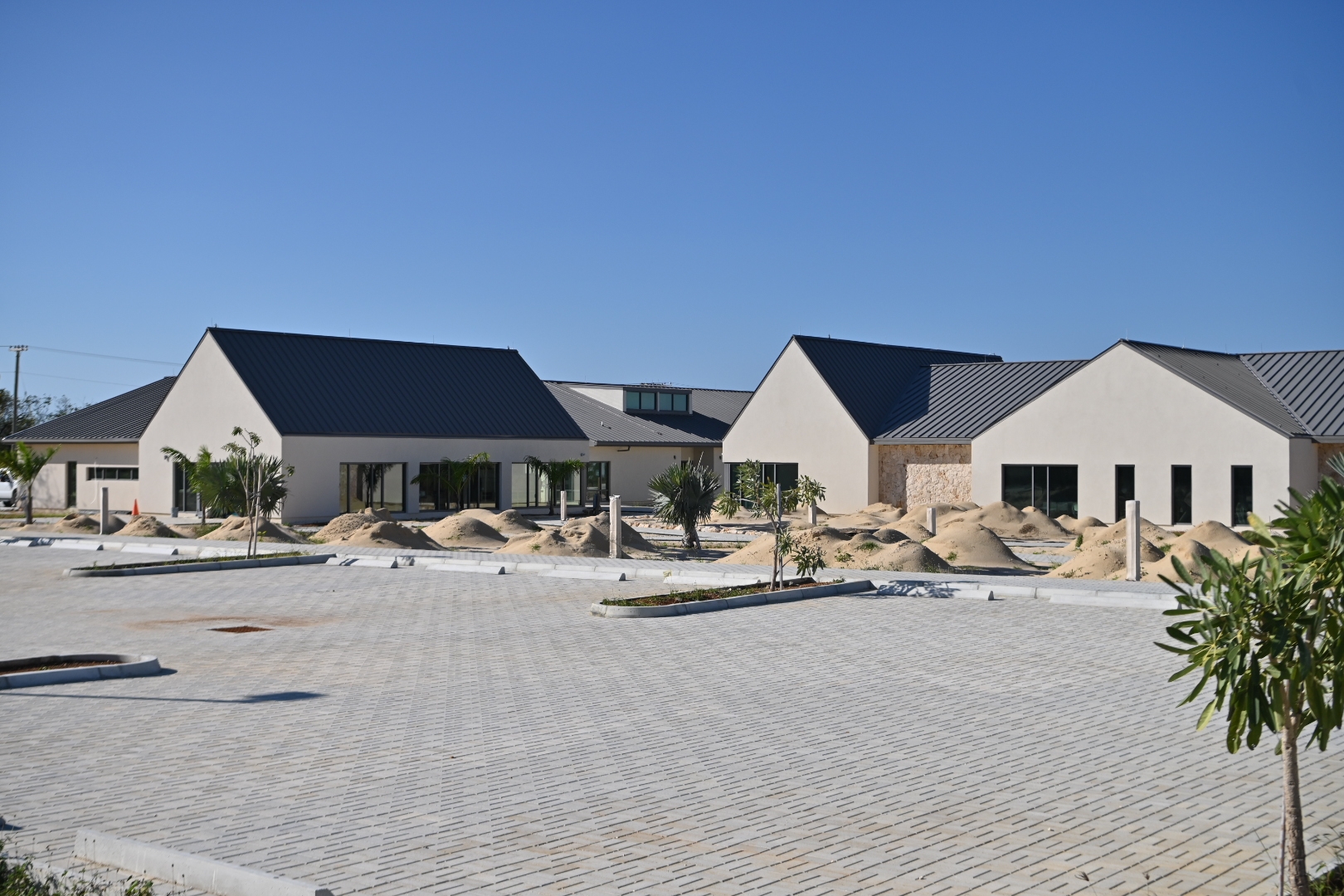
The completion of the long-term mental health facility – to be named Poinciana – is on a list of planned infrastructure projects. Building is expected to be complete in June this year.
Funds will also be allocated towards the creation of a new general aviation terminal and runway expansion at the Owen Roberts International Airport in Grand Cayman. The waste management project, the East-West Arterial expansion and the schools projects, previously outlined, are also part of the government’s infrastructure goals over the period.
There was no mention of a number of projects previously outlined as priorities, including an underwater telecoms cable, a national sewage and wastewater management system and a beach re-nourishment project for the north side of Seven Mile. That doesn’t necessarily mean they have been dropped, just that they are not outlined among the spending priorities for the next three years.
5. Traffic: Restrictions on vehicle imports planned
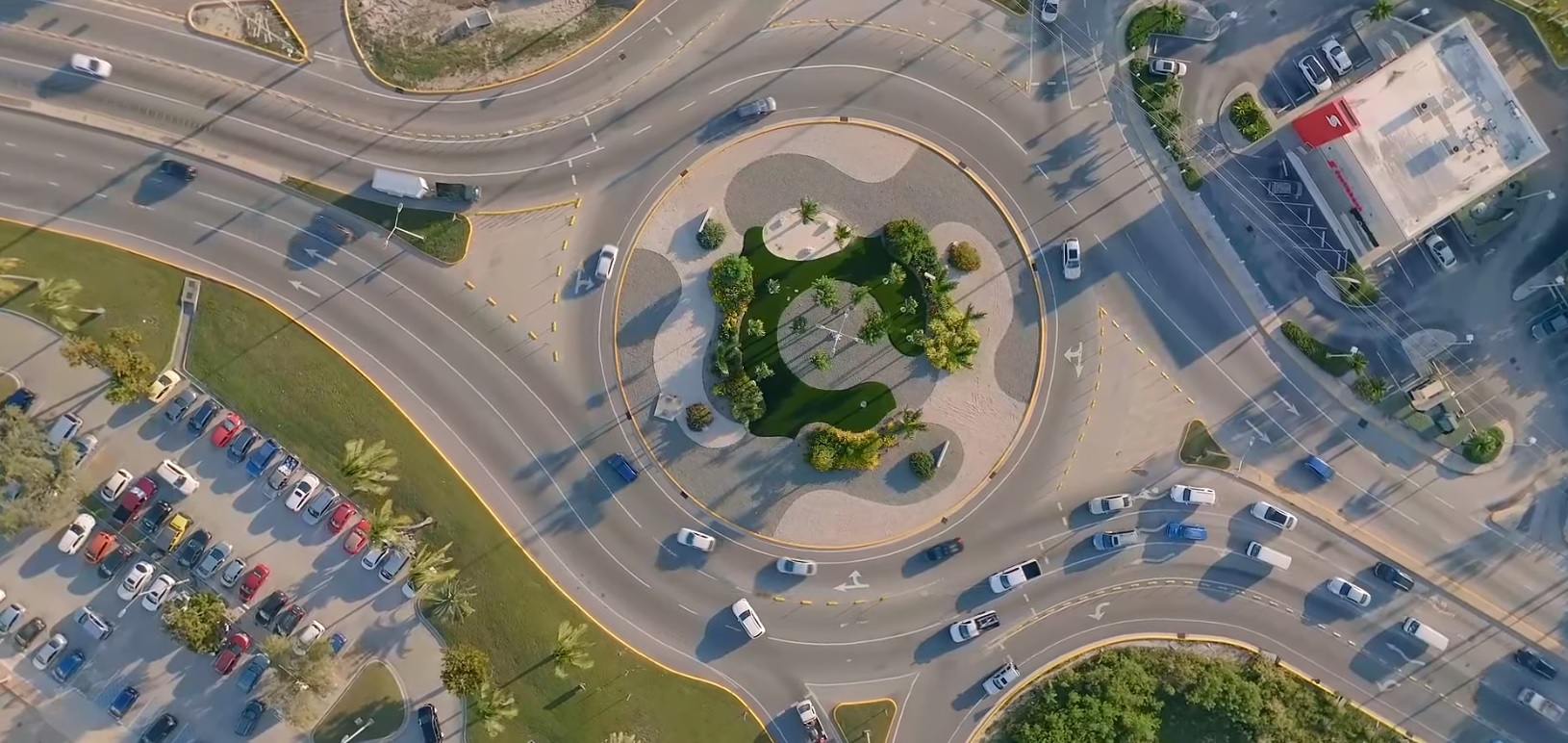
While new road building – particularly the planned 10-mile expansion of the East-West Arterial – was referenced as a key traffic management policy, Panton also re-emphasised previously highlighted goals to reduce vehicle imports.
He said, “Amending import legislation to restrict the quantity and types of vehicles that can be imported” was on government’s agenda. Equally developing a “reliable quality public transport system” is part of the plan, though specific budgets and timelines for this were not referenced.
Deloitte is currently in the midst of a government-funded report evaluating options to improve public transport.
6. Labour: Permanent Residency system to be ‘modernised’

Modernising the immigration system, increasing the minimum wage and providing more protection for Caymanians in the workplace were all highlighted as goals in the SPS.
The Permanent Residency points system is currently under review. A recent lawsuit, which declared aspects of that system incompatible with human rights, has complicated matters.
Developing new criteria for PR and the right to be Caymanian are outlined as ambitions in the policy document along with plans to reward employers who train and retain Caymanians.
There is also a repeat reference to a policy announced in the 2021 SPS but not yet actioned, implementing a gradual increase to the islands’ $6-an-hour minimum wage.
7. Environment: Development plan update not mentioned

Updating the national development plan was earmarked as a goal in the last Strategic Policy Statement but appears to have fallen off the radar.
The last major update of that document – which helps dictate how and where development can take place – was undertaken in the late ’90s when Cayman’s population was half of what it was now.
Both environmental groups and major developers, including the Dart group, have been calling for a clear national plan that outlines what areas of the islands can be developed and which should be preserved.
The Plan Cayman project, began but ultimately not implemented by the previous government, appears to have been shelved for now.
The Strategic Policy Statement, which covers 2024, ’25 and ’26, includes no reference to reviving that project or replacing it with a separate effort to update the Development Plan.
It does indicate that government will nonetheless look to amend zoning in some areas, increase allowable building heights and alter legislation so people can make additions of up to 10% to their homes without planning permission.
In the previous SPS, two years ago, revising and updating the Development Plan was promoted as a flagship policy with Panton promising a “sea change” in approach.
Opposition Leader Roy McTaggart highlighted those comments, and the absence of any apparent progress on the Development Plan during his response speech, saying the Premier was paying ‘lip service’ to the issue.
8. Energy: No mention of plans for publicly owned solar farms
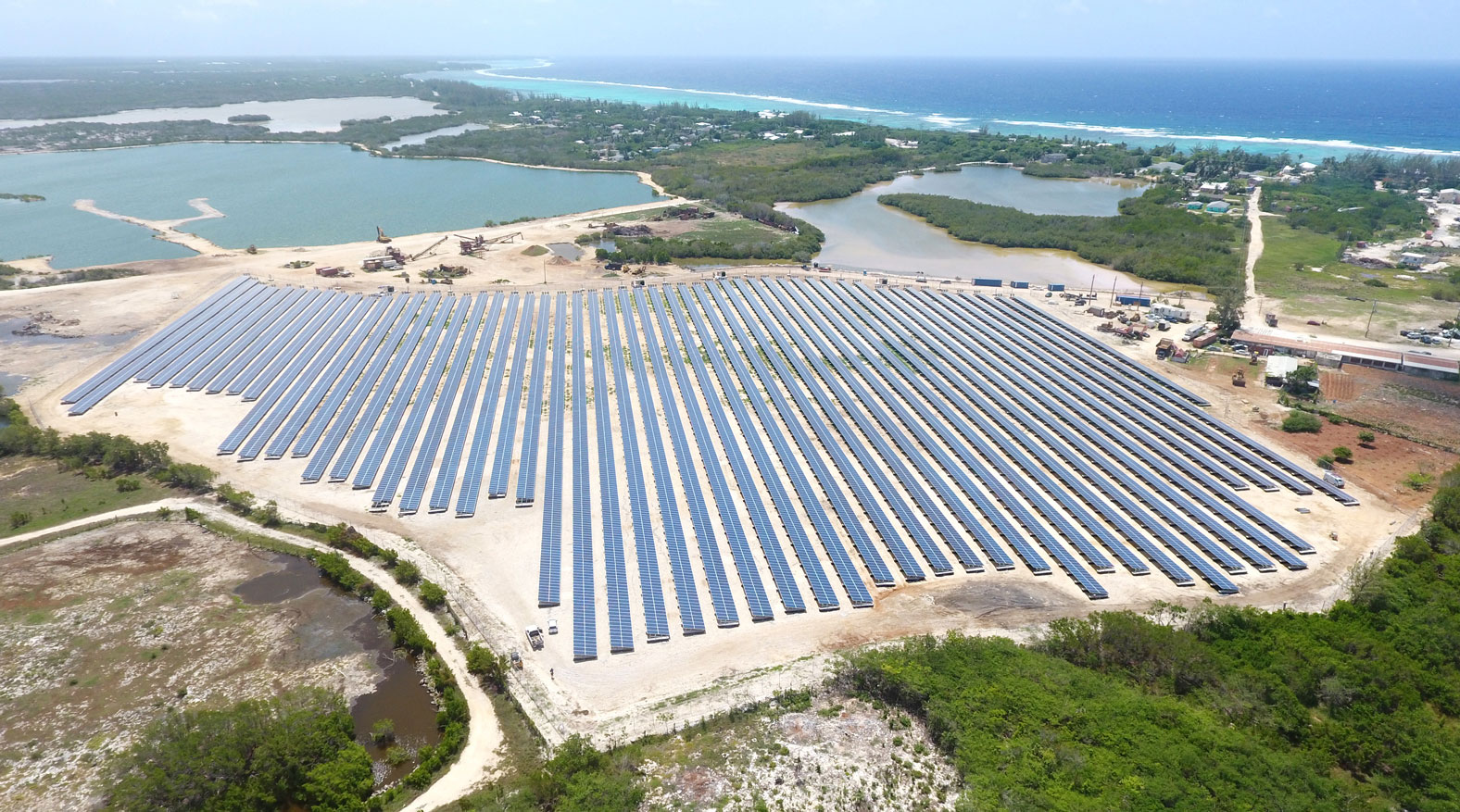
Government announced a major policy plan in April of last year, to become a major investor in renewable energy plants in the Cayman Islands.
The policy shift, highlighted as a move that would accelerate the islands’ conversion to clean energy, indicated that government would take a “majority ownership stake” in utility scale renewable projects.
The policy is not referenced at all in the SPS and there have been no updates on how it will work since it was announced in April. Meantime OfReg appears to be moving ahead with a private sector auction process to procure a large solar farm.
Again that does not necessarily mean it has been abandoned.
The SPS references more modest energy goals, for government, including the addition of solar panels to a handful of government buildings, including the Mosquito Research and Control Unit and the Civil Aviation headquarters.
Updating the National Energy Policy, introduced in 2017, which set a goal that Cayman would be creating 70% of its energy from renewable sources by 2037, was also highlighted as a policy goal. Currently Cayman gets around 3% of its energy from green sources, according to a recent Auditor General report.
9. Boating behaviour: Legislation ahoy

Panton also announced efforts to curb reckless and unregulated behaviour on the islands’ waters.
He set out intentions to introduce new laws to deter people from “boating while impaired,” as well as to tackle what he called “antisocial behaviour within specific maritime recreational areas”.
The pledge to improve maritime safety chimes with previously-announced efforts by the Coast Guard and Port Authority to tighten up outdated legislation and allow officers to breathlyse boaters and prevent them from captaining vessels while under the influence.
The issue came to the fore, after a boat captain was convicted of manslaughter over the deaths of two people who were killed after his boat collided with their vessel as both returned from an outing at Rum Point in 2019.
10. Getting off the grey list
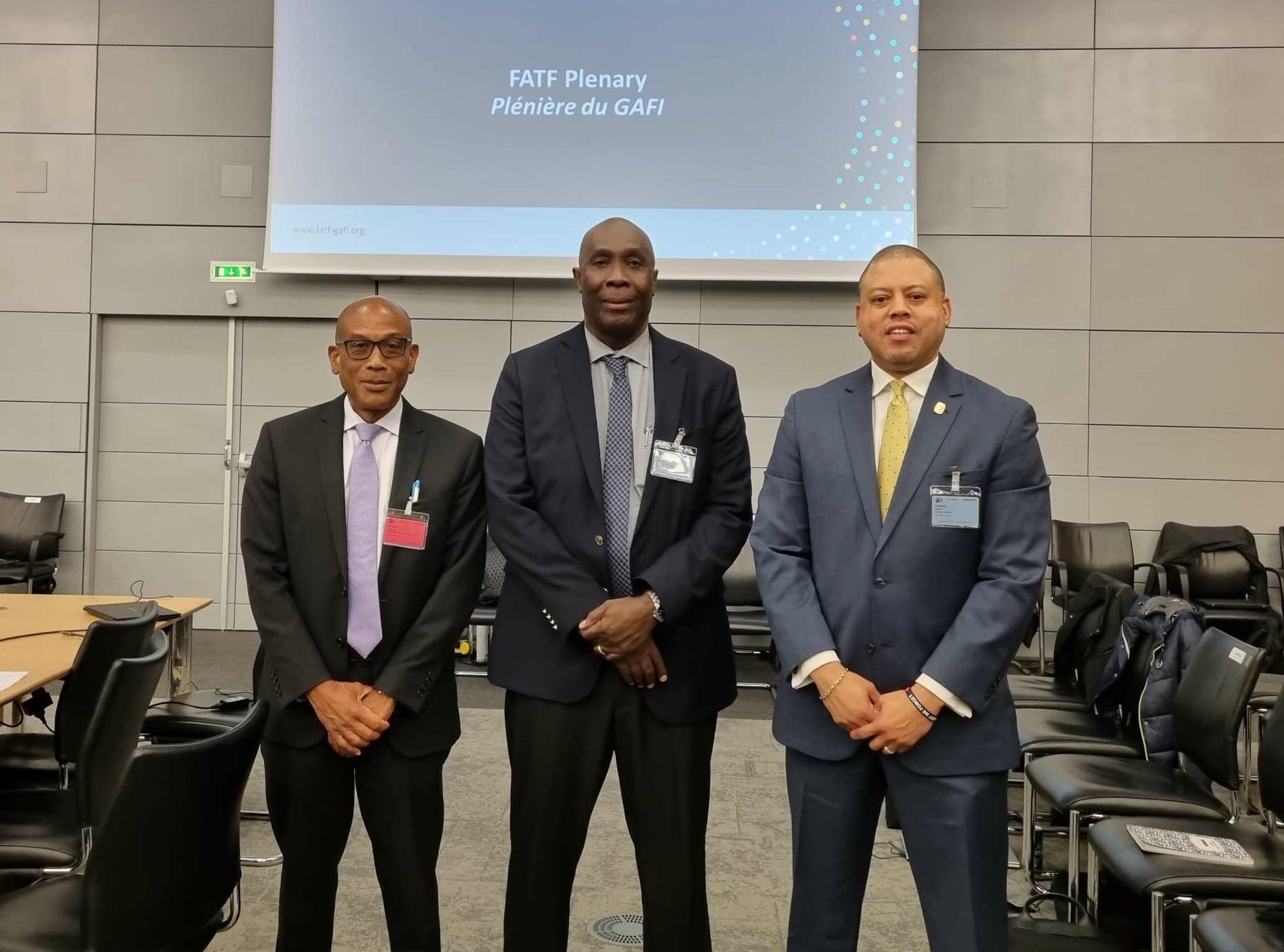
Keeping Cayman’s financial services industry in line with international standards is also on the agenda for the PACT government.
Having had its anti-money laundering practices placed under increased scrutiny by the international standards-setter in February 2021, getting off the Financial Action Task Force’s ‘grey list’ was also considered a “national priority” of the previous administration.
With an upcoming review in April and a final deadline represented by a plenary in June, Cayman has one key requirement left to fulfil, in order to avoid further action by the FATF.
Previously, the body had criticised the jurisdiction’s failure to issue proportionate sentences in prosecuting and convicting money-laundering offences.
The report outlines numerous objectives towards achieving a positive assessment at the next FATF inspection – considered key to getting off the ‘grey list’ and out of the crosshairs of the international community. Panton said this would be crucial to protecting Cayman’s business model and expanding into new sectors.
Related Videos